
![Curves, Color, and Garden Light: Photographing the Rock Garden at Royal Botanical Gardens, Hamilton, Ontario Part of the renowned Royal […]](https://storage.googleapis.com/pixeo-blog.firebasestorage.app/article-images/wp-import/featured-131037.jpg)
Part of the renowned Royal Botanical Gardens in Hamilton, Ontario, the Rock Garden
in the Waterdown area offers photographers a masterfully designed landscape where organic textures, sculpted paths, and lush plantings create an ever-changing canvas. Originally constructed in the 1930s and revitalized in recent years, the Rock Garden blends historic charm with contemporary horticultural design. Winding stone pathways, reflecting pools, natural rock formations, and vibrant floral beds create layered compositions that shift dramatically with the seasons and the light.
Unlike many formal gardens, the Rock Garden is designed to feel immersive and dynamic—it encourages movement and exploration. Whether you're shooting macro florals in the golden hour, capturing architectural forms in the visitor centre, or framing serene wide shots of water, stone, and seasonal color, this location offers endless opportunities for photographers working in natural light, landscape, botanical, or fine art styles.
Best Photography Opportunities
• Curving Pathways and Garden Structure
The sinuous stone paths that wind through the garden create natural leading lines that draw the viewer's eye through floral beds and into the heart of the space. These paths are ideal for wide-angle compositions, especially when lined with flowering plants in spring and summer. Shooting slightly elevated gives a strong sense of the garden's structure, while shooting from ground level enhances foreground texture and intimacy. These curves also work well in panoramic compositions, guiding the eye across layered zones of color and shadow. In the early morning, light filters between hedges and trees to softly rim paths with warm highlights.
• Reflections in the Lower Water Basin
At the base of the garden, a shallow reflecting pool provides beautiful opportunities for mirror-like images of flowers, shrubs, and sky. In early morning or late afternoon, the water becomes perfectly still, capturing symmetrical scenes filled with color and light. Use a polarizer to manage surface glare, or embrace it for layered reflections that add abstract complexity. The surrounding landscape also frames the pool elegantly—use overhanging trees, stone edges, or flowerbeds as a natural border to anchor your composition. During autumn, floating leaves and long shadows bring additional mood and structure.
• Seasonal Color in Layered Beds
The garden is designed for year-round visual interest, but spring and autumn are the standouts. Spring brings a wave of tulips, narcissus, and flowering trees, while autumn fills the space with rich golds, reds, and late-blooming perennials. Use a mid-range zoom to isolate color blocks or compress the space for more painterly frames. Layer flowers in the foreground to add dimension and soft bokeh. Consider shooting in vertical format to showcase the stacked layers of blossoms, foliage, and sky—a format that's particularly effective when trees are in bloom or turning color overhead.
• Architectural Elements and Garden Contrast
The modern visitor centre, with its glass-and-wood design, offers a clean architectural counterpoint to the organic flow of the garden. Frame it through the foliage or use it as a backdrop to highlight contrast between design eras. The limestone walls and staircases also provide excellent graphic compositions, especially when partially shadowed or covered in climbing vines. Reflections in the windows or stone shadows at different times of day add dynamic visual tension, especially when juxtaposed with lush blooms or minimalist ground cover. These features are ideal for adding human-made structure to an otherwise naturalistic image.
• Macro Details and Morning Dew
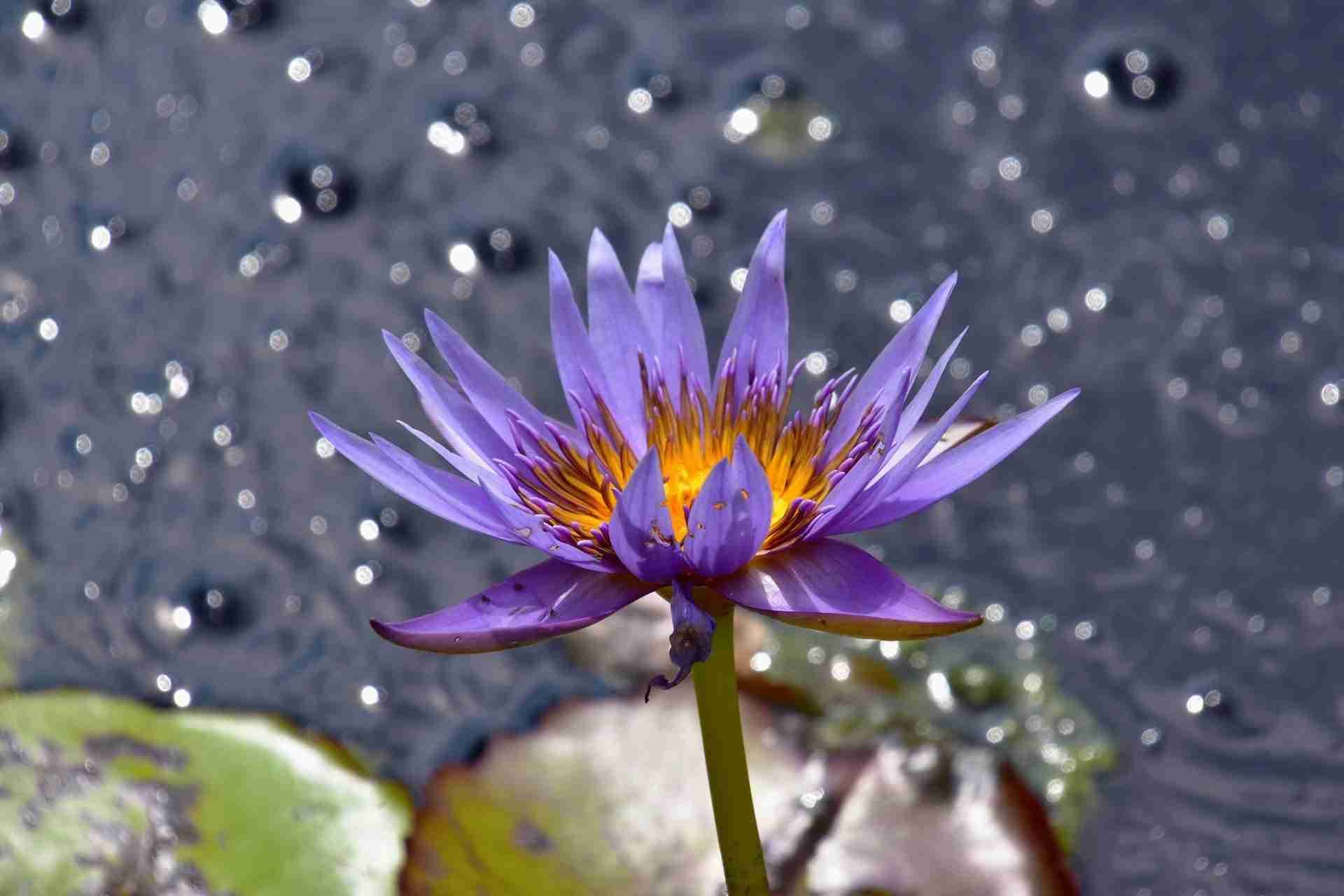
Early visits to the Rock Garden often yield pristine macro opportunities—dewdrops on leaves, pollinators at work, or tiny textures in moss and rock crevices. A macro lens or a close-focusing prime is ideal here, especially in diffuse morning light that reveals surface texture without harsh shadow. Look for moments where petals backlit by the sun create a soft glow, or where shadows cast by one leaf dance across another. The garden is rich in unexpected detail, so move slowly and explore different angles—even a shift of a few centimeters can dramatically change the composition.
Best Time to Visit
The Rock Garden is photogenic in all four seasons, but spring and fall offer the richest palettes and the most layered compositions. In spring, the garden comes alive with structured tulip beds, flowering trees, and fresh greenery, all arranged to maximize depth and variety. Autumn is equally stunning, as grasses, shrubs, and trees turn vibrant and sculptural—especially striking in early morning fog or warm late-day light.
Golden hour is ideal, especially in the lower areas where warm light filters through tree canopies and reflects off water surfaces. Overcast days provide excellent conditions for detail and macro work, eliminating harsh contrast and enhancing natural color.
Arrive early for the best light and fewer visitors. Morning dew adds subtle sparkle, and calm air creates ideal conditions for reflection shots. Winter offers a quiet, minimalist charm as snow outlines the rock formations and the hardscape design becomes more prominent.
How to Get There
The Rock Garden is part of the Royal Botanical Gardens and is located at 1185 York Boulevard in Hamilton, just west of Highway 6 in the Waterdown area. It's easily accessible from the 403 and QEW, with clear signage leading to the Rock Garden entrance.
Ample parking is available on-site near the visitor centre, and the main garden entrance is just a short walk away. The garden is fully accessible, with paved and graded paths suitable for rolling camera bags and tripods.
There is an admission fee to access the garden, and opening hours vary seasonally. Early morning light is best, so check for special early access programs or photography passes if you want extended time.
Recommended Gear and Shooting Tips
A wide-angle lens (16–35mm) is perfect for capturing full garden scenes and architectural contrasts. A mid-range zoom (24–70mm) offers great flexibility for working with flower beds, layering foreground elements, and compressing scenes. A macro lens or close-focusing prime will be indispensable for detailed botanical and surface work.
Bring a tripod for long exposures around the reflecting pool or during low-light golden hour shots. A polarizer is very useful here—reducing reflections on foliage, deepening skies, and managing glare on water. In autumn, a lens hood helps with flaring through backlit leaves, and in winter, be prepared for high-contrast lighting across snow and stone.
Work deliberately—slow walking reveals new compositions that aren't obvious at first glance. Many of the best shots come from framing through plants or waiting for subtle light shifts across curved stone paths and garden edges.
Nearby Photography Locations
Just a short drive within the Royal Botanical Gardens complex, these trails feature boardwalks, wetland habitats, and abundant birdlife. Misty mornings here are excellent for atmosphere-heavy landscape photography or wildlife portraits.
South along York Boulevard, this neoclassical mansion offers period architecture, formal gardens, and lake views. It's a great contrast to the Rock Garden's naturalism, perfect for historical-themed shoots or architectural studies.
This expansive wetland preserve adjacent to the RBG is ideal for wide natural landscapes, reflections, and seasonal wildlife. Best photographed in early morning or golden hour when the water is calm and bird activity is high.
• Webster's Falls and Spencer Gorge
Located west of Waterdown, this waterfall and escarpment area is dramatic in all seasons, especially during spring runoff or peak fall color. It's a great location for pairing manicured garden photography with rugged natural scenes.
Just minutes from the Rock Garden, these RBG areas offer additional floral diversity and sweeping views over the valley. The Arboretum is especially photogenic in spring when flowering trees bloom en masse, and in fall when foliage ignites the hillside.
The Rock Garden at Royal Botanical Gardens is one of the most refined naturalistic photo locations in Southern Ontario—where design, texture, and seasonality converge in a constantly evolving display. Whether you're exploring macro detail, wide-angle landscape, or architectural contrast, this is a location that rewards careful composition and repeated visits.
Comments
Loading comments…