
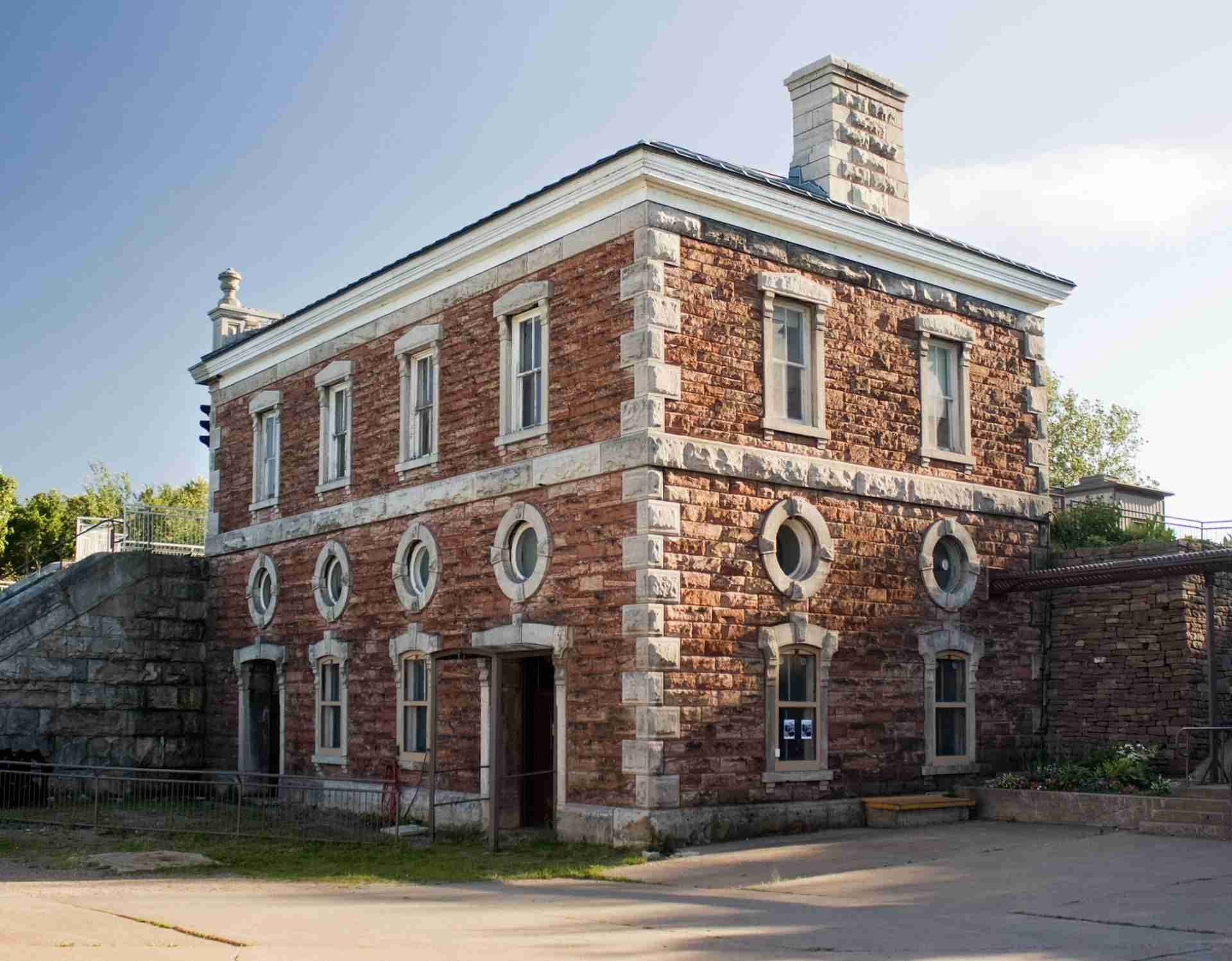
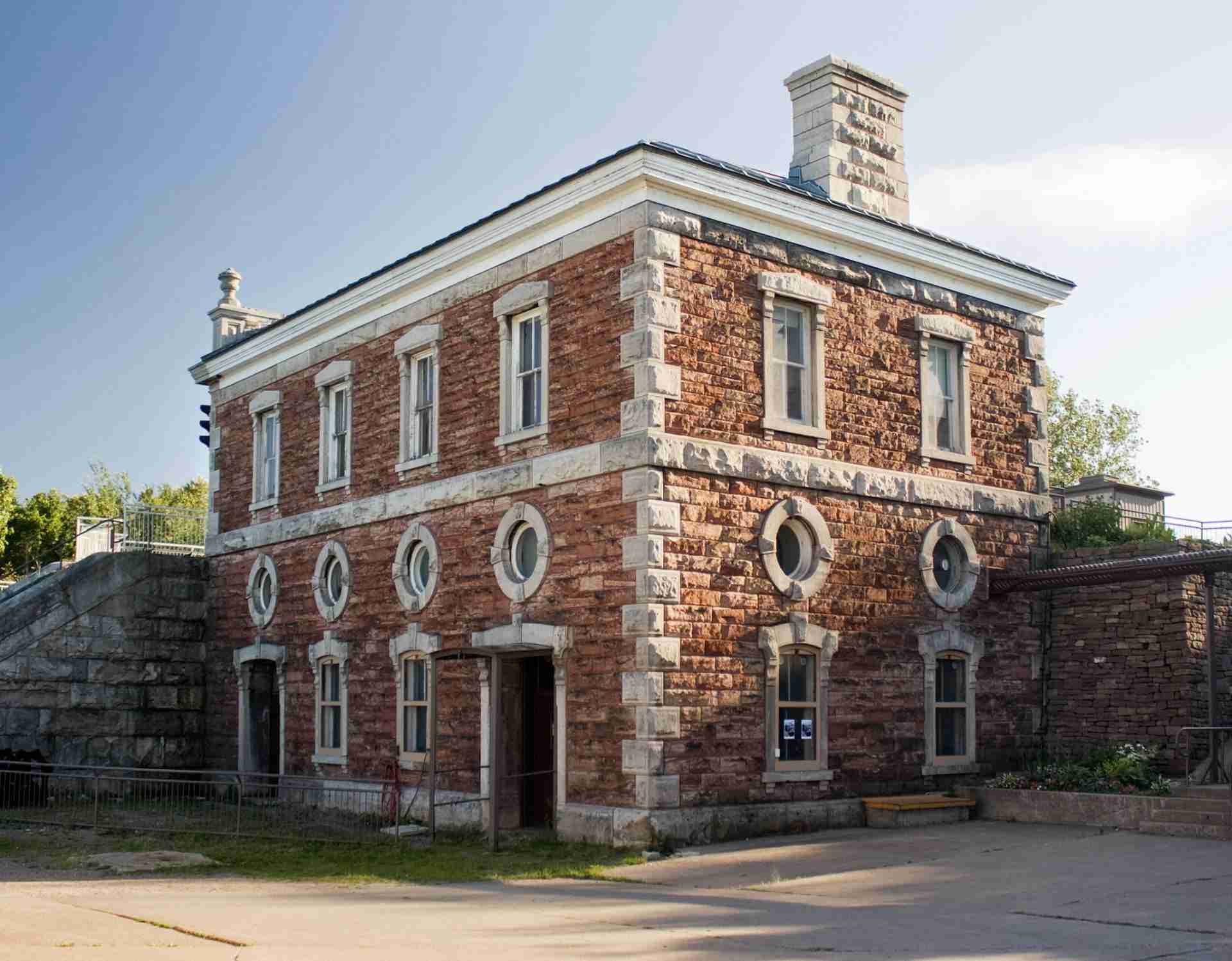
Standing sentinel at the heart of Sault Ste. Marie's historic canal district, the Sault Ste. Marie Canal Powerhouse is a stunning industrial relic that combines architectural grandeur with engineering heritage. Completed in 1895, it was once the most powerful hydroelectric generating station in the world and remains a focal point of the Sault Ste. Marie Canal National Historic Site. With its tall arched windows, red sandstone façade, and riverside setting, the powerhouse offers photographers a striking blend of history, symmetry, and textural richness. Whether you're shooting during golden hour or exploring its details under overcast skies, this structure anchors a unique visual narrative where water, industry, and time collide.
Best Photography Opportunities
• Powerhouse Exterior and Architectural Symmetry
: The powerhouse's façade is constructed from rich, warm-toned sandstone, punctuated by a long row of evenly spaced arched windows that reflect the surrounding sky and canal. Use a wide-angle lens to capture the full building from across the water or from the footpath beside the canal. Overcast conditions work well for emphasizing the tones and textures in the stone, while golden hour casts directional light across the face of the building, bringing out the depth and architectural form. Symmetry lovers will find strong compositions along the length of the façade, especially when reflected in still water.
• Reflections and Canal Perspectives
: The calm canal waters that flow beside the powerhouse act as a natural mirror during still conditions, particularly in early morning or late evening. Position yourself low along the canal wall or pedestrian bridge to frame the building's reflection in full, and consider using a long exposure to soften surface ripples and double the image with clarity. Cloud movement or glowing twilight color in the water can add drama and mood, especially when balanced with the grounded solidity of the building above.
• Hydraulic and Mechanical Details
: Around the site, remnants of the historic canal's operation remain visible—steel gates, sluices, locks, and aged machinery that provide compelling subjects for detail photography. Use a telephoto lens to isolate these industrial elements or a macro lens to focus on patina, rust, and worn textures. These smaller compositions offer a visual counterpoint to the monumental structure and are best explored during mid-morning or late afternoon when light adds contrast without harshness.
• Bridge and Pathway Views
: The pedestrian bridge and adjacent pathways offer elevated and side-on perspectives of the powerhouse and canal, with strong leading lines from railings and lamp posts that can anchor your composition. Shoot from the bridge in early morning to capture warm backlight or in evening for sidelit shadows. The bridge itself also makes a strong subject when framed against sky and water, adding human-scale infrastructure to the broader industrial setting.
• Seasonal and Atmospheric Shoots
: In winter, snow softens the scene, contrasting starkly with the red stone of the powerhouse and muting the surrounding palette into moody monochromes. Fog, light rain, or drifting autumn leaves enhance the site's atmosphere and historical weight. Long exposures during snow or rain create a timeless mood, especially when mist or moisture clings to the building's facade or hangs above the water.
Best Time to Visit
The powerhouse is visually compelling year-round, but each season brings its own photographic character. Late spring through early fall offers the best light and most active canal conditions, with lush greens and clear water providing strong contrast against the building's warm stone. Sunrise and sunset are ideal times to shoot, especially from across the canal where light rakes across the building and reflects off the water's surface.
Autumn adds rich reds and golds to the tree-lined edges of the canal, perfectly complementing the building's color palette. Winter introduces minimalism and high-contrast drama, particularly when snow outlines the building's architectural features and surrounding industrial structures. Overcast days are well-suited for detail work and texture studies, while twilight enhances reflections and ambiance.
Early morning and late evening sessions offer the quietest conditions and softest light. The pedestrian-friendly site allows for long explorations and tripod work without interference, especially outside peak tourist hours.
How to Get There
The Sault Ste. Marie Canal Powerhouse is located on St. Marys Island in Sault Ste. Marie, Ontario, within the Sault Ste. Marie Canal National Historic Site. From downtown, head across the Canal Drive bridge and follow signage into the Parks Canada site. The area is accessible by car, bike, or foot, and is part of the larger Hub Trail system.
Free parking is available onsite, and the entire canal area is walkable, with paved paths and interpretive signage. The powerhouse is clearly visible and accessible from multiple vantage points, including canal walls, footbridges, and trails. No admission fee is required for access to the canal grounds, though interior access to the powerhouse is typically restricted.
Tripods are permitted, and non-commercial photography is welcomed throughout the historic site. As always, respect signage and barriers, especially near operational or restoration zones.
Recommended Gear and Shooting Tips
A wide-angle lens (16–35mm) is essential for capturing the full breadth of the powerhouse, especially when working from canal-side or along the pedestrian bridge. A mid-range zoom (24–70mm) is useful for architectural details and tighter compositions that include reflections, machinery, or windows. A longer telephoto lens (70–200mm) allows you to isolate sections of the façade or focus on distant industrial elements.
A tripod is highly recommended for long exposures, golden hour work, and twilight sessions. A circular polarizer will help reduce water glare and enhance sky contrast, while a neutral density filter is useful for smoothing water surfaces or capturing cloud movement above the structure. Overcast conditions are ideal for shooting texture-rich details, so pack for flexibility in weather.
Footwear with decent tread is useful for moving across potentially slippery or uneven canal paths. Bring lens cloths for mist or fog conditions, especially in early morning or cool weather when condensation can be an issue.
Nearby Photography Locations
: Located just across the canal, this island offers forested trails, boardwalks, and views of the rapids and international bridge. It's ideal for nature photography, birding, and environmental shots that contrast the powerhouse's industrial architecture.
• The International Bridge Viewpoint
: From elevated spots near the bridge, you can frame the Sault's skyline, the canal, and passing freighters with expansive sky backdrops. Sunrise and sunset light this area beautifully, with golden reflections and long shadows across the water.
: The city's nearby waterfront includes open boardwalks, public art, and reflections off the St. Marys River—ideal for early morning or blue hour cityscape shots that include boats, lights, and layered architectural interest.
: Just minutes inland, this peaceful woodland and wetland reserve features footbridges, creek views, and quiet trails, offering a contrasting setting for more naturalistic photography and macro work.
: This landscaped park includes a pond, gardens, and open views of the river. It's a good spot for floral studies, waterbird photography, and relaxed afternoon shoots in softer light.
The Sault Ste. Marie Canal Powerhouse is a monument to Canada's industrial heritage, and a powerful subject for photographers drawn to texture, history, and structure. Framed by water and sky, softened by time, and weathered by decades of service, it remains one of Ontario's most evocative architectural photo spots.
Comments
Loading comments…