
Set within the Carolinian forest belt of southwestern Ontario, Springwater Conservation Area near Aylmer is a peaceful, multi-season destination for photographers interested in capturing woodland textures, calm water reflections, and the changing rhythm of life across fields, trails, and marshes. Managed by the Catfish Creek Conservation Authority, this compact yet diverse natural area includes forest trails, a small lake, a creek-fed wetland, and open meadows—offering a variety of environments to explore. From misty mornings on the lake to golden hour through the tree canopy, Springwater is an accessible and rewarding location for nature, landscape, and seasonal storytelling photography.
Best Photography Opportunities
• Misty Morning Reflections on the Lake
The central lake at Springwater is calmest at sunrise, often cloaked in low mist during spring and autumn. Use a wide-angle lens to capture the mirrored treeline or isolate a single floating leaf or reflection detail for a quieter frame. The combination of still water and fog creates an ethereal mood that enhances the overall atmosphere of your image.
• Trailside Forest Compositions with Seasonal Colour
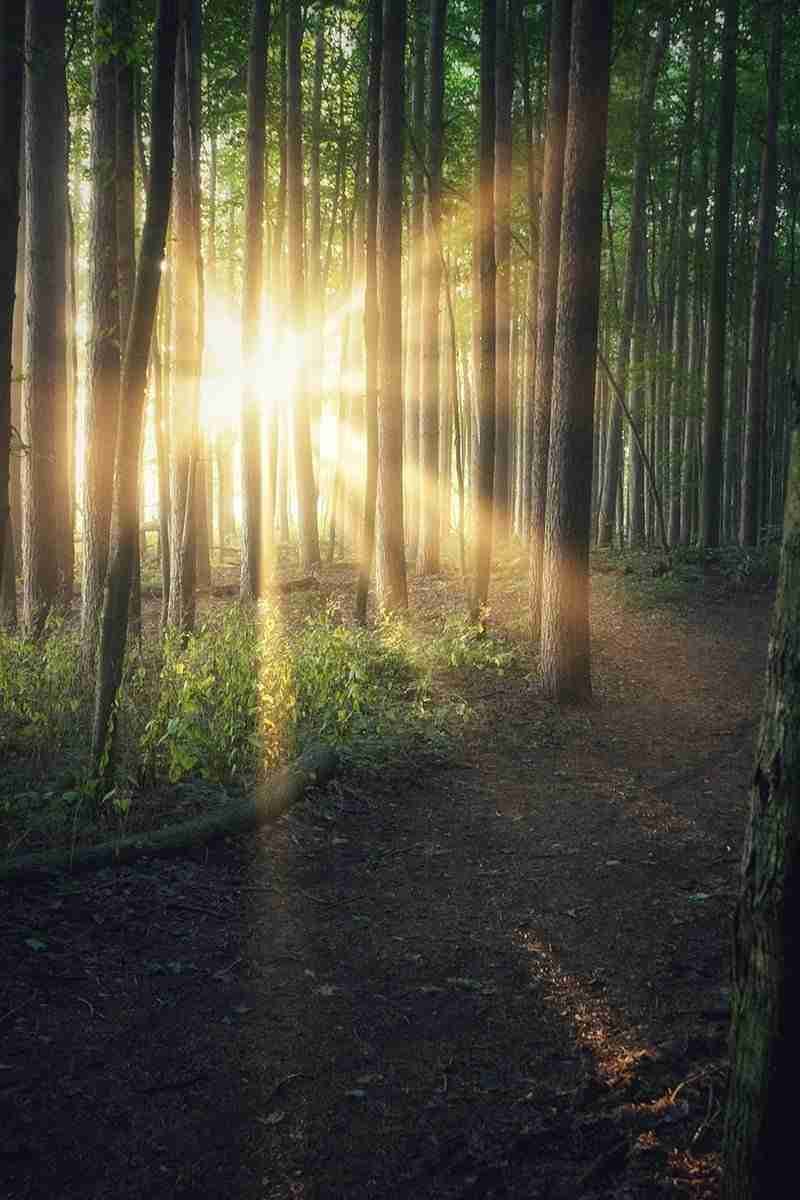
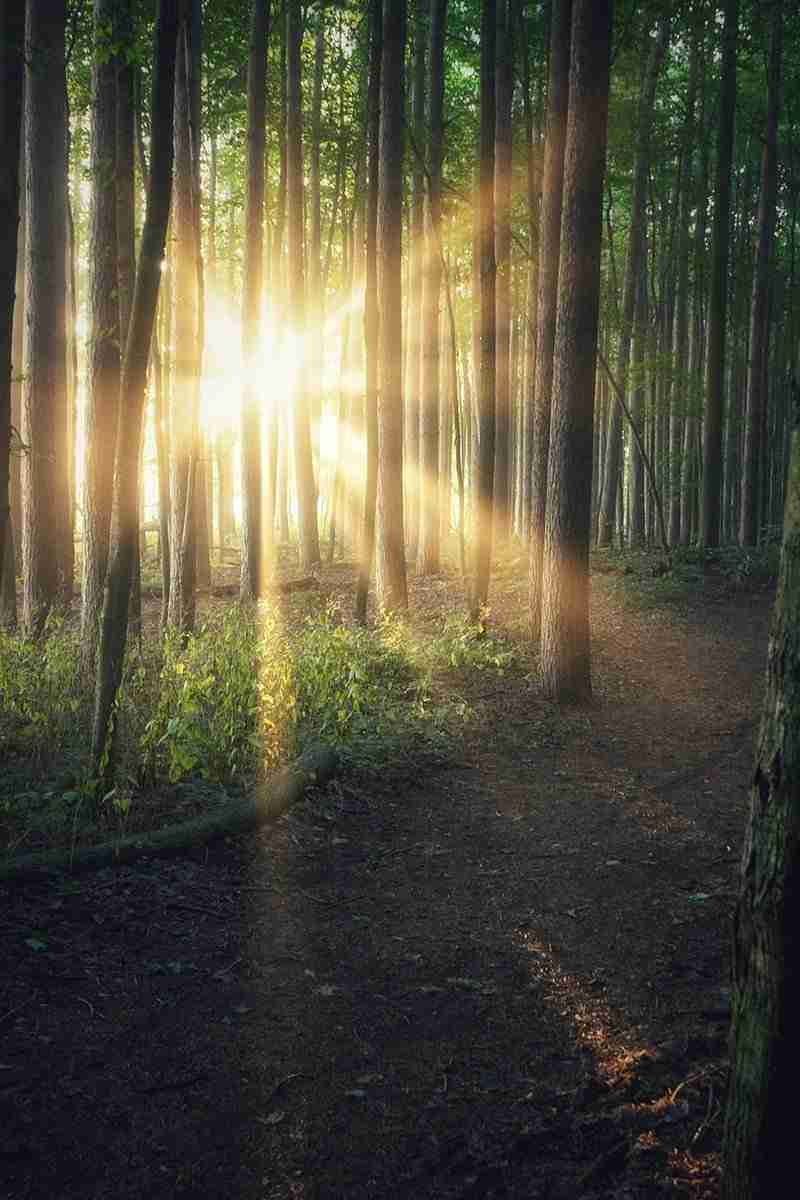
The conservation area is laced with walking trails that weave through mature hardwood forest—ideal for vertical compositions of tall trunks, canopy detail, and fallen leaves. In autumn, the trails light up with golden maple and red oak, while spring brings fresh greens and wildflowers. Subtle shifts in light through the canopy offer constantly changing conditions ideal for creative experimentation.
• Wildlife and Bird Photography near the Marsh and Creek
Along the wetland edges and near Catfish Creek, photographers can spot a variety of birds including woodpeckers, herons, and migratory waterfowl. Deer, squirrels, and raccoons are also common in the forest. Early mornings or quiet afternoons are often the best times to catch glimpses of wildlife undisturbed.
• Golden Hour Through the Pines
In late afternoon, the sun filters through a grove of tall pines near the campground and day-use areas. This side light creates strong shadows and a warm glow through the forest—perfect for high-contrast storytelling, silhouettes, or natural portrait backdrops. The long shadows add depth and a sense of quiet drama to your compositions.
• Macro and Texture Work Along the Woodland Floor
The forest floor is rich with fungi, moss, bark textures, and seasonal growth—ideal for macro photography and abstract compositions. Bring a fast lens or macro glass to isolate detail, and look for subtle interactions between light, shadow, and pattern. The varied textures create endless opportunities for storytelling through close-up visual narratives.
Best Time to Visit
Springwater Conservation Area is open year-round, but the most rewarding seasons for photography are spring and fall. In spring (April to early June), the woodland comes alive with blooming trilliums, vibrant ferns, and flowing water in the creeks. Autumn (late September through October) offers vivid foliage and quieter trails, with golden light filtering through thinning leaves.
Early mornings deliver the softest light and often mist over the lake or low fog in the trees—excellent conditions for peaceful landscape work. Evenings are perfect for golden light along the open meadows or shoreline, especially with long shadows and warm tones.
Summer provides deep greens and active wildlife, though midday light can be harsh. Winter transforms the trails into snowy corridors, with bare branches creating graphic compositions and minimalist contrast, especially after fresh snowfall.
How to Get There
Springwater Conservation Area is located just south of Aylmer, Ontario, off Springwater Road. From Highway 401, take exit 203 or 195 depending on your direction, then follow signage through Elgin County toward the park entrance.
The conservation area features a day-use area with ample parking, picnic shelters, washrooms, and well-marked trails. There is also a campground, beach area, and small dock, all accessible on foot and ideal for casual or gear-heavy photographers.
Tripods are easy to manage along the flat trails and near the water's edge. A small backpack with a wide-angle lens, telephoto, and polarizing filter will cover most situations. Don't forget a macro lens or extension tubes if you're focusing on textures and ground-level detail.
Exploring the Surrounding Area
Beyond the park's boundaries, the surrounding region of Elgin County offers rolling farmland, quiet roads, and small heritage towns that are perfect for rural and documentary-style photography. Aylmer itself features classic storefronts, historic architecture, and a heritage train station—ideal for low-key urban shooting in soft light.
Catfish Creek, which runs through the area, winds its way through forest and farmland and offers additional water and wildlife compositions, especially in spring when the banks are flooded and vibrant. Look for roadside wildflower fields, misty fields at dawn, and rustic barns tucked into wooded pockets.
Nearby Photography Locations
Located about 20 minutes south, this small lakeside park on Lake Erie offers wide skies, sandy beaches, and wave action—great for sunset seascapes and shoreline detail. The pier and boats add a subtle human element to natural compositions.
Just minutes away, this protected marshland and observation area is known for its migratory birds and swans in spring and fall. Use a telephoto lens and soft light to isolate birds against the water or sky for clean, naturalistic frames.
A bit farther east, this location includes Lake Erie dunes, wide beaches, and forest trails. Excellent for golden hour silhouettes, sand textures, and peaceful lakeside compositions in summer or early autumn.
• Backroads Between Aylmer and Vienna
This rural stretch is filled with photographic opportunities—old barns, split rail fences, and field-to-forest transitions that are especially striking in changing light or under dramatic skies. It's ideal for quiet, patient exploration.
Located to the west near Wallacetown, this elevated site provides views over Lake Erie cliffs and historical architecture surrounded by fields and forest—a strong pairing for heritage and landscape photography.
Comments
Loading comments…