
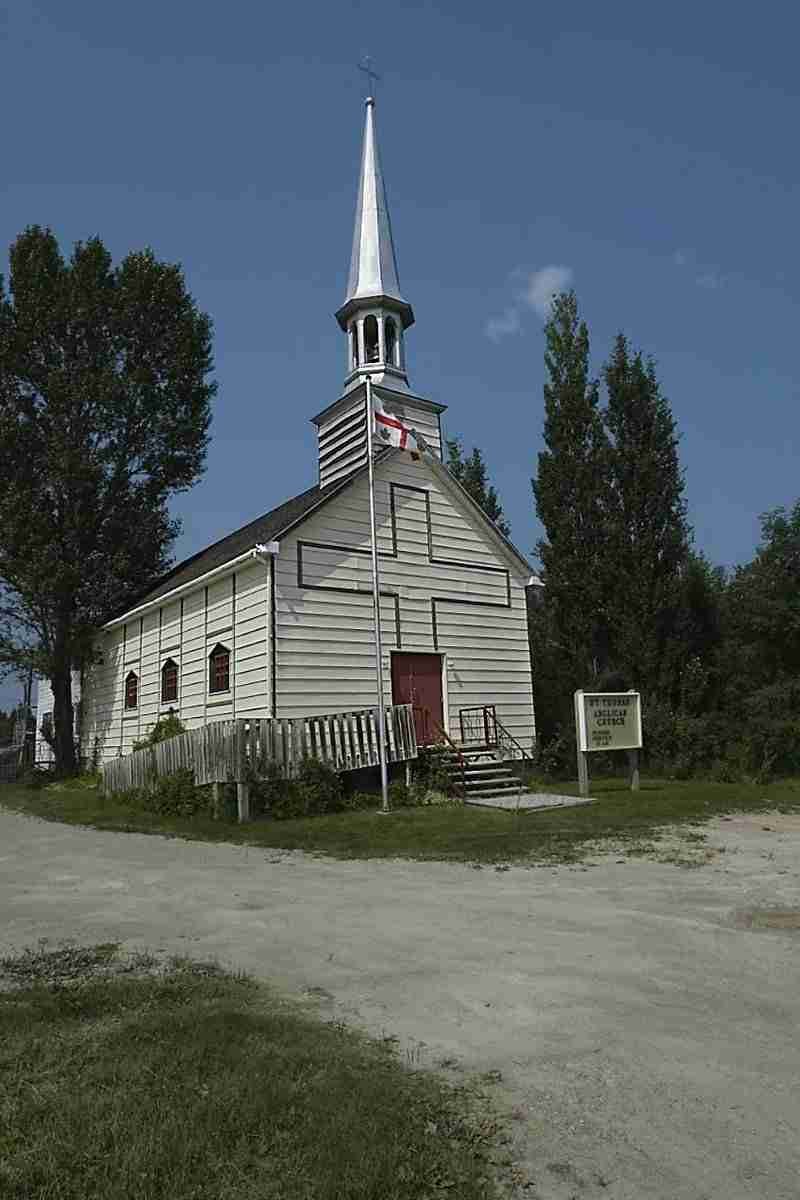
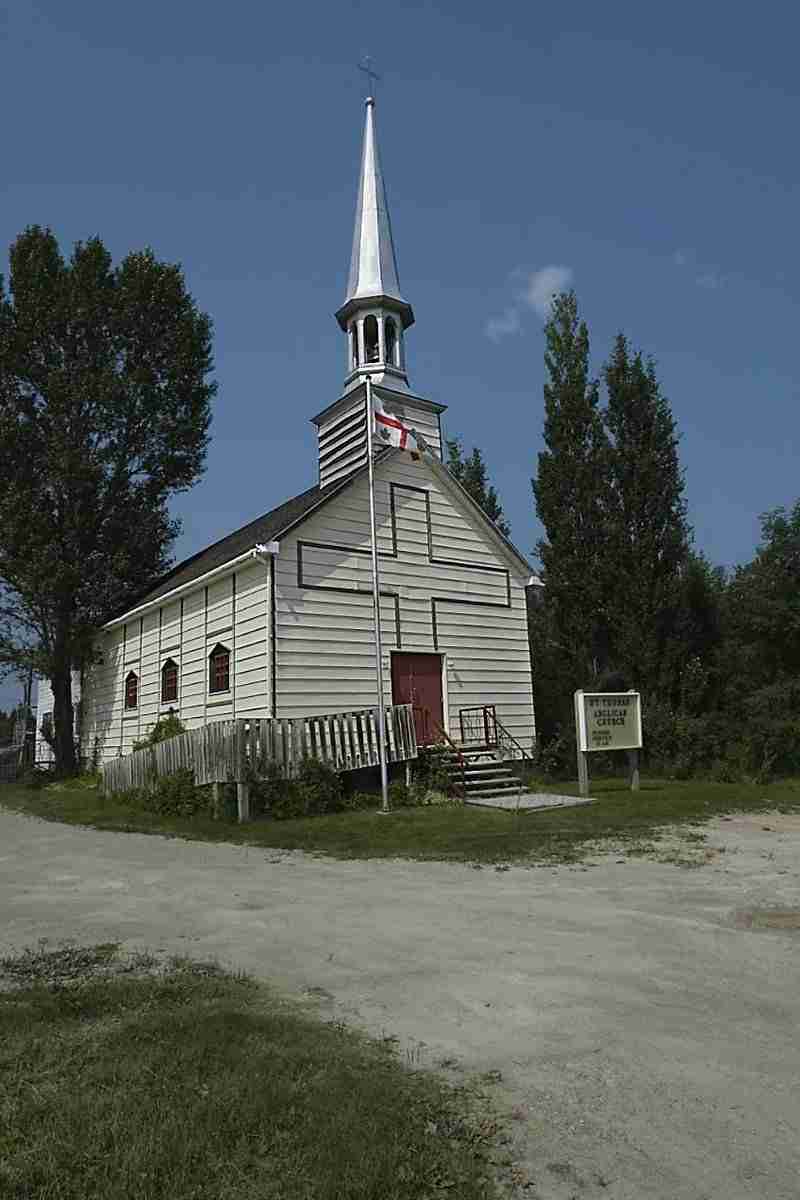
Set along the quiet banks of the Moose River, St. Thomas Anglican Church in Moose Factory, Ontario, is a rare architectural and cultural landmark in Canada's Far North. Built in the mid-19th century, it stands as one of the oldest Anglican churches in Northern Ontario, serving as both a place of worship and a symbol of continuity for the Cree and settler communities that have shaped Moose Factory for generations. This modest yet elegant wooden church—defined by its pitched roof, clapboard siding, and signature bell tower—offers photographers a subject rich in texture, history, and visual contrast. With its riverside placement and deep-rooted community significance, St. Thomas presents a unique opportunity to explore the intersection of faith, heritage, and northern landscape.
Best Photography Opportunities
• Riverbank Compositions at Golden Hour
The church's position near the water allows for sweeping compositions that blend built and natural elements. During sunrise or sunset, soft light washes across the building, while the still surface of the Moose River reflects its silhouette. Frame the church from across the water for symmetrical river shots, or shoot from a diagonal angle to include both the church and the surrounding boreal treeline. A 24–70mm lens works well for full scene coverage, with a polarizer to control reflections and boost sky contrast. Low-angle compositions from the shoreline help emphasize the church's vertical presence.
• Architectural Details and Weathered Textures
The church's white wooden siding, sharply pitched rooflines, and simple steeple provide classic architectural elements that reward close-up study. Use a 50mm or 85mm prime lens to capture peeling paint, nailed siding seams, and the small details that speak to the building's age and resilience. In soft side light or under overcast skies, these textures emerge subtly, creating depth without harsh contrast. Focus on window frames, corner joints, or the bell tower cross for abstracted architectural compositions that feel both intimate and timeless.
• Interior Atmosphere and Heritage Artifacts
With permission and appropriate timing, the church interior is a rewarding space for ambient and detail-focused photography. Wooden pews arranged in narrow rows, softly glowing stained glass, and historical furnishings create a warm, reverent setting. Shoot handheld with a fast wide-angle lens (24mm or 35mm at f/2.8 or wider) to work in low light without intrusive equipment. Focus on hymnals, altar decorations, or shafts of light filtering through the windows for moody, storytelling frames. A small LED panel or reflector can be used to lift shadows subtly without disturbing the atmosphere.
• Churchyard and Historic Gravesites
The surrounding churchyard is home to weathered gravestones and crosses, many with hand-carved inscriptions and moss-covered bases. This outdoor space offers a somber but beautiful counterpoint to the church structure, inviting thoughtful compositions that connect landscape and memory. Use a standard zoom or short telephoto to frame headstones with selective focus, incorporating foliage or the church structure in the background. Visit during early morning for dew-covered grass or golden hour when long shadows lend depth and emotion to the scene.
• Seasonal Context and Community Presence
Throughout the year, St. Thomas changes character with the shifting northern light and landscape. In spring and summer, frame the church among green foliage, with wildflowers or ferns in the foreground. Autumn introduces warm tones that echo the aging wood of the church exterior, while in winter, snow outlines rooflines and softens the surrounding land, enhancing the structure's architectural lines. When services or events take place, discreet candid photography can highlight the church's continued role in the community. Use a long lens to respect distance while capturing moments that speak to its cultural importance.
Best Time to Visit
St. Thomas Anglican Church is photogenic in all seasons, but the strongest compositions emerge during the transitional times of day—sunrise and sunset—when the golden light enhances the white siding and creates rich reflections in the Moose River. Spring brings budding trees and cool morning light, ideal for wide landscape shots and peaceful atmosphere. Summer offers the most vivid color, with blue skies, green foliage, and clear reflections that provide a crisp contrast against the church's muted tones.
Autumn, particularly from mid-September to early October, is the most evocative season. The churchyard fills with fallen leaves, and the river often reflects the low, amber sun. This is also the best time for layering warm tones with the stark simplicity of the church's design.
In winter, snowfall transforms the setting into a quiet monochrome scene. With the church's silhouette softened by drifts and the river either frozen or glassy under ice fog, compositions become more minimal but equally powerful. Blue hour and overcast conditions during this time lend themselves to emotional black-and-white treatments.
No matter the season, early morning visits offer solitude and a soft, diffuse quality of light. Sunset sessions are equally rewarding, especially when clouds add drama to the sky behind the bell tower.
How to Get There
St. Thomas Anglican Church is located on Moose Factory Island, accessible only by water taxi from Moosonee, Ontario. From the Ontario Northland train station in Moosonee, the docks are a short walk north along Bay Road or Fifth Street. Water taxis run frequently during the warmer months, offering a quick five-minute crossing to the island. In winter, access is typically by snowmobile or over frozen river trails, but always check local conditions and travel advisories before crossing.
Once on the island, the church is an easy walk from the main landing point and is visible from much of the island's riverfront. There is no admission fee, but as an active place of worship, visitors are encouraged to be respectful, especially when photographing during service hours or community events. Access to the interior may require permission or coordination with local caretakers or clergy, so plan ahead if you want to shoot inside.
Paths around the church are mostly flat and grassy, though the terrain can become muddy after rain. Bring appropriate footwear, and prepare for variable weather—especially if shooting in the early morning or shoulder seasons.
Recommended Photography Gear
A flexible kit is best for St. Thomas Anglican Church, allowing you to work across wide landscapes, architectural detail, and low-light interiors. Start with a wide-angle lens (16–35mm) for capturing the full structure and its setting along the Moose River. A standard zoom (24–70mm) is useful for framing architectural features, interior shots, and the adjacent churchyard. For detail work, a fast 50mm or 85mm prime delivers excellent shallow depth of field and sharpness in lower light.
A small tripod is helpful for golden hour or blue hour photography, particularly for capturing long exposures with river reflections. A circular polarizer will reduce glare on windows and enhance sky and foliage contrast, especially in brighter seasons. In winter or low-light interiors, a fast lens (f/1.8 or wider) paired with a camera that performs well at higher ISOs is essential.
Include weather protection for both gear and yourself, as conditions on Moose Factory Island can shift quickly. A microfiber cloth, extra batteries, and a lightweight rain cover should always be on hand—especially during river travel or shoulder-season shoots.
Nearby Photography Locations
One of the oldest buildings on the island, this log structure provides historic contrast to the church. Its aged wood and utilitarian design offer great texture and context for early settler life.
• Moose River Shoreline
The riverbanks on either side of the island provide open views, changing light, and opportunities for landscape photography that incorporate water, sky, and community structures.
• Historic Cemetery Sites
In addition to the churchyard, Moose Factory includes older burial grounds marked with wooden crosses and stone markers. These offer atmospheric compositions and a deeper link to the island's past.
• Ecolodge and Cultural Interpretive Center
This modern facility provides access to traditional Cree art, design, and cultural interpretation. It's a valuable setting for documentary-style photography that explores the blend of contemporary and traditional life on the island.
• Moose River Taxi Boat Docks
Back across the river in Moosonee, the working docks are ideal for capturing daily life, water-based travel, and the connection between these two remote communities.
St. Thomas Anglican Church stands as a visual and cultural anchor in Moose Factory—a place where architecture, memory, and landscape meet. Whether you're capturing the gentle symmetry of its design, the texture of its timeworn wood, or its quiet reflection in the river at dusk, this church invites a respectful, thoughtful approach to photographing a place shaped by faith, tradition, and the enduring spirit of the North.
Comments
Loading comments…