
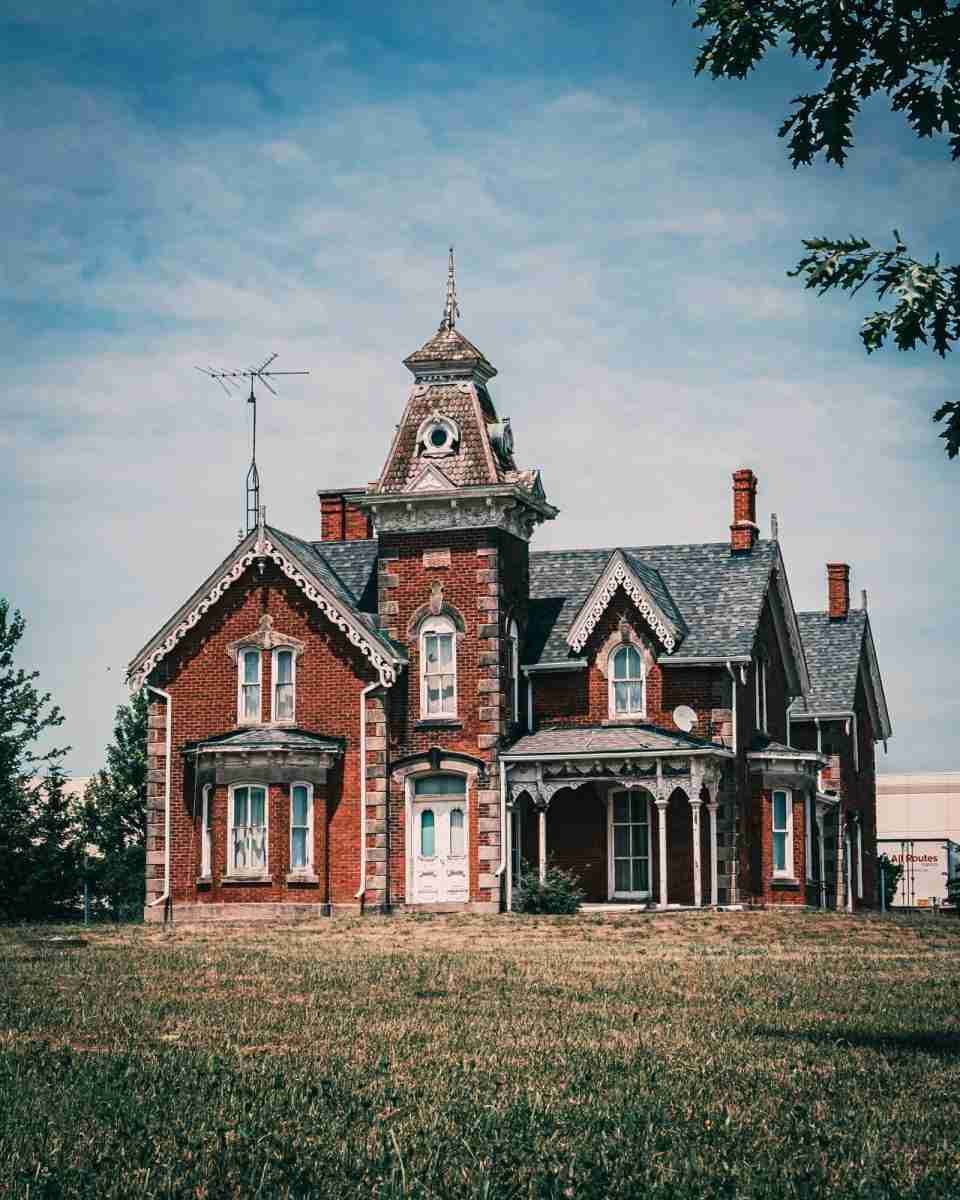
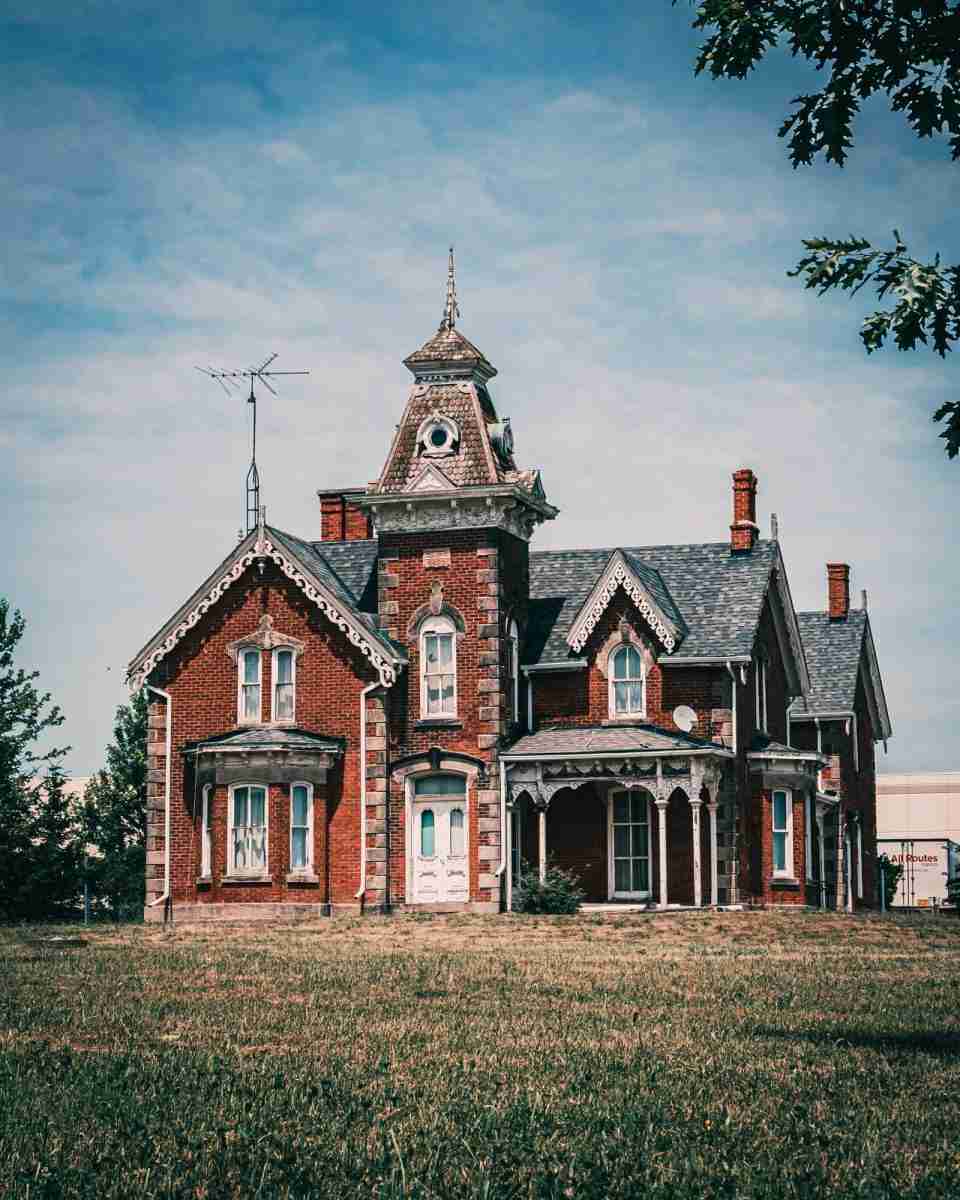
Tucked incongruously among warehouses and factories in an industrial pocket of Milton, Ontario, the Old Milton Mansion stands as a decaying tribute to a different era. This Victorian-style house, with its prominent tower, arched windows, and ornamental detailing, exudes a haunting beauty that draws photographers with an eye for atmospheric storytelling. Its weathered exterior—peeling paint, broken panes, and creeping vegetation—tells a visual tale of abandonment and time, making it a compelling subject for those interested in architectural decay, urban exploration, or moody roadside photography. Though access appears limited to the public roadside, the mansion's prominent façade and layered textures are easily captured without stepping foot onto the property.
Best Photography Opportunities
• Frontal and Side Compositions from the Roadside
: The house can be photographed clearly from the adjacent roadway or sidewalk, offering wide, uninterrupted views of its façade and tower. A mid-telephoto lens (85–135mm) is helpful for compressing elements and cropping out modern intrusions, while a wide-angle lens can dramatize perspective and emphasize the height and breadth of the structure. Overcast skies enhance the brooding character of the mansion, while early morning or late afternoon light adds warmth and contrast to the weathered surfaces.
• Architectural Details and Textures
: Even from a distance, the house's Victorian craftsmanship reveals itself in the ornate trim, rounded window arches, and the shingled tower that rises above the main structure. Using a zoom lens or a cropped sensor, photographers can isolate these elements to focus on pattern, decay, and contrast. Paint textures, boarded windows, and exposed wood offer strong subjects for monochrome treatments or moody color grading.
• Seasonal Variations and Atmospheric Shots
: In late autumn, fallen leaves and bare trees lend a desolate feeling to the property, ideal for dystopian or gothic-themed compositions. Winter brings skeletal silhouettes and the possibility of fog or snow, which can amplify the mansion's lonely presence. Summer offers vibrant contrast, as overgrowth climbs the porch and foliage partly conceals or frames the architecture—creating tension between beauty and neglect.
• Dramatic Skies and Backdrops
: The mansion's isolated position in an otherwise industrial zone makes it a prime candidate for including sky as a dominant compositional element. Stormy skies, glowing sunsets, or low-hanging mist can all be used to shape the mood. A polarizing filter can help deepen sky tones and manage reflections on any remaining glasswork, while HDR techniques may be useful to balance exposure across the shadowed porch and brighter upper levels.
• After Dark and Blue Hour Photography
: Although the area is not heavily lit, twilight and early evening can yield compelling images of the mansion's silhouette, especially if ambient streetlights catch parts of the house. Long exposures can help build a quiet atmosphere, while careful metering ensures the weathered textures remain visible. The tower's pointed roof and irregular shapes lend themselves well to silhouette or light-painting work if conditions are safe and legal.
Best Time to Visit
The mansion can be photographed year-round, but each season imparts a distinct visual personality. In late spring through early fall, the surrounding vegetation creates a stark contrast to the building's faded façade. Lush growth adds drama, with vines and tall grass hinting at nature's quiet reclamation. Early mornings during this period offer soft directional light from the east, ideal for front-lit detail and clear shadows across the architecture.
Autumn is particularly atmospheric. As leaves fall and the structure becomes more exposed, the house's form and texture take center stage. Cool, dry air sharpens detail, while golden hour in October can bring out warm hues in the decaying paint and shingles. Foggy mornings add further mood, softening the industrial background and isolating the mansion in a clouded frame.
Winter lends a stark, minimalist beauty. Snow outlines the building's contours, and skeletal branches create a graphic frame around the house. Low sun angles and bare landscapes make this an excellent time for high-contrast black-and-white work. That said, icy roads and harsh wind exposure should be taken into account if visiting on foot.
Because this is a roadside location, midday sun can be less forgiving, flattening detail and introducing glare. Cloudy days or golden hours are typically more favorable for capturing texture, shadow, and tonal depth without the distraction of hard highlights or reflective surfaces.
How to Get There
The Old Milton Mansion is located in an industrial area on the southern edge of Milton, just west of Toronto, Ontario. The house sits close to the road, with open visual access from the public sidewalk or roadside shoulder. Its precise location is unmarked, so it may require slow, attentive driving or digital mapping to spot—look for the contrast between historic architecture and the otherwise modern warehouse landscape that surrounds it.
Street parking is available nearby, though care should be taken not to block industrial driveways or park in restricted areas. There are no walkways leading to the property itself, and the grounds appear to be private and potentially monitored. As such, all photography should be conducted from public land without attempting to trespass or enter the building. A safe shooting distance can still yield excellent images, particularly with a longer lens.
Milton is accessible via Highway 401, with a short drive south through the town toward its industrial zone. The site is not served well by public transit, so car access is most efficient. Photographers should plan for early or late visits to avoid harsh lighting and daytime truck traffic.
Recommended Gear and Shooting Tips
Given the house's restricted access and its location in an industrial zone, flexibility and speed are key. A mid-range zoom lens (24–70mm) will allow for both wider environmental context and tighter architectural detail from the roadside. A longer lens (100–400mm) can help isolate specific elements of the structure, such as windows, rooflines, and ornamentation, without entering private property.
A circular polarizer is useful in managing window reflections and enhancing cloud definition in the background sky. If visiting during golden hour or twilight, a tripod becomes essential for clean exposures—though setup time should be minimal given the roadside nature of the shoot. A lens hood or shading solution is helpful to combat glare from passing cars or bright industrial lighting.
Because this is an exposed urban location, bringing only what you need helps maintain a low profile and allows for quick repositioning. Foot traffic is light, but industrial vehicles are frequent, so always shoot from a safe shoulder or sidewalk, keeping an eye on your surroundings. Neutral color grading or a subdued black-and-white treatment can enhance the melancholic tone of the mansion's architecture. Lastly, avoid shooting in direct sun unless you're specifically aiming for high-contrast graphic compositions.
Nearby Photography Locations
: Just a few minutes north, Milton's historic downtown features 19th-century brick buildings, vintage signage, and small-town charm that contrasts with the mansion's isolated feel. It's ideal for architectural detail shots and street photography with heritage character.
: Located near the center of town, this peaceful pond and surrounding trail system offer nature photography opportunities, particularly for reflections and wildlife. Sunrise and sunset light plays beautifully across the water and tree-lined banks.
: A short drive west into the Niagara Escarpment, this cliffside park offers panoramic views, hardwood forest trails, and dramatic fall color. Long lenses capture depth and layering across the valley, while the escarpment edges provide opportunities for minimalist wide-angle landscapes.
: Adjacent to Rattlesnake Point, Kelso features a reservoir, trails, and ski slopes that become scenic lookouts in the off-season. The changing elevations and water access create variety in composition, especially during early morning mist or autumn transitions.
• Country Roads and Abandoned Structures
: South and west of Milton, rural concession roads hide a number of older barns, stone ruins, and overgrown farmsteads. These scattered sites offer further decay-focused material for photographers with an eye for quiet isolation and layered textures.
For photographers interested in forgotten architecture and the aesthetic of time-worn spaces, the Old Milton Mansion is a rare roadside find. It stands as a silent witness to the past, framed by the unlikely backdrop of steel and concrete—a place where story, decay, and design merge into one haunting, photogenic shell.
Comments
Loading comments…