
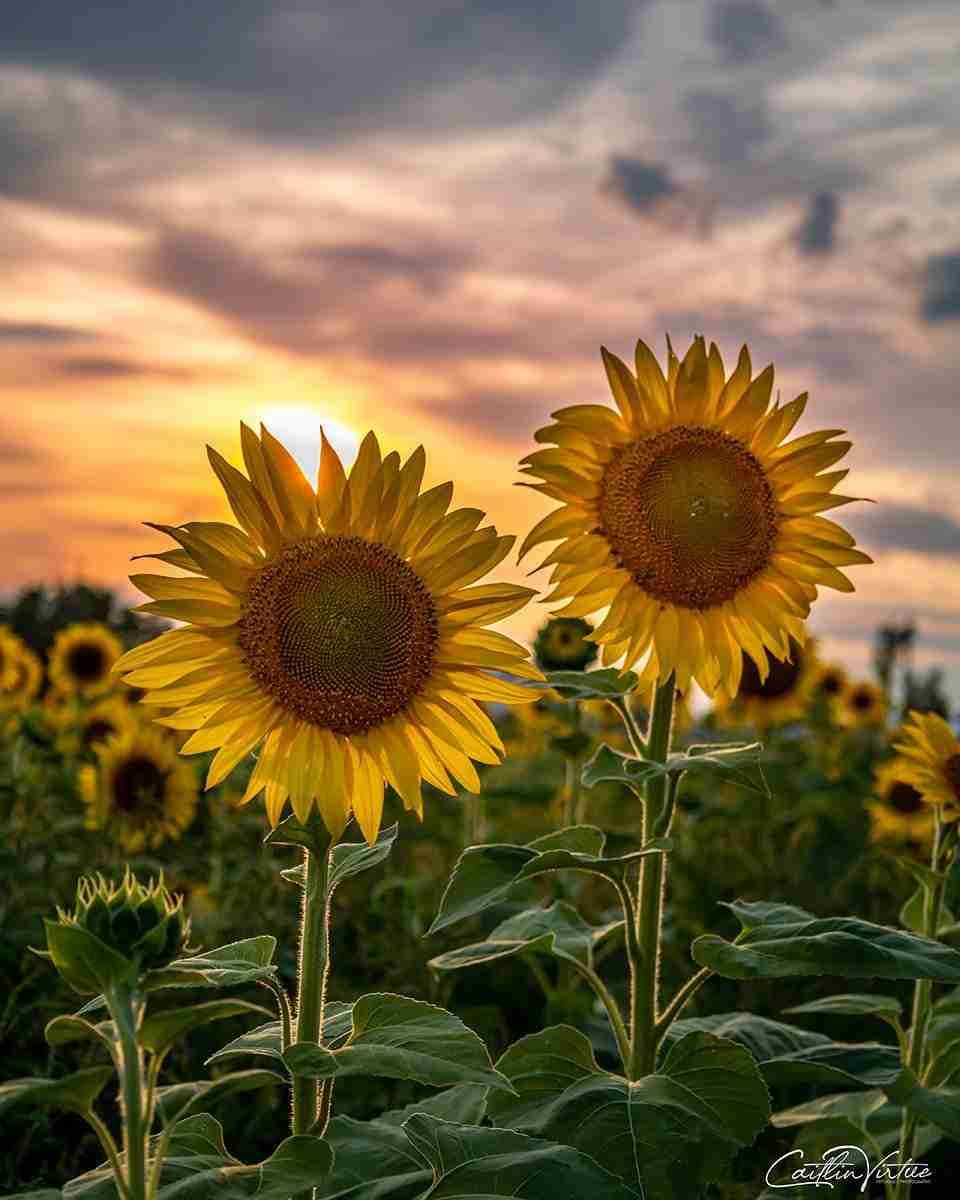
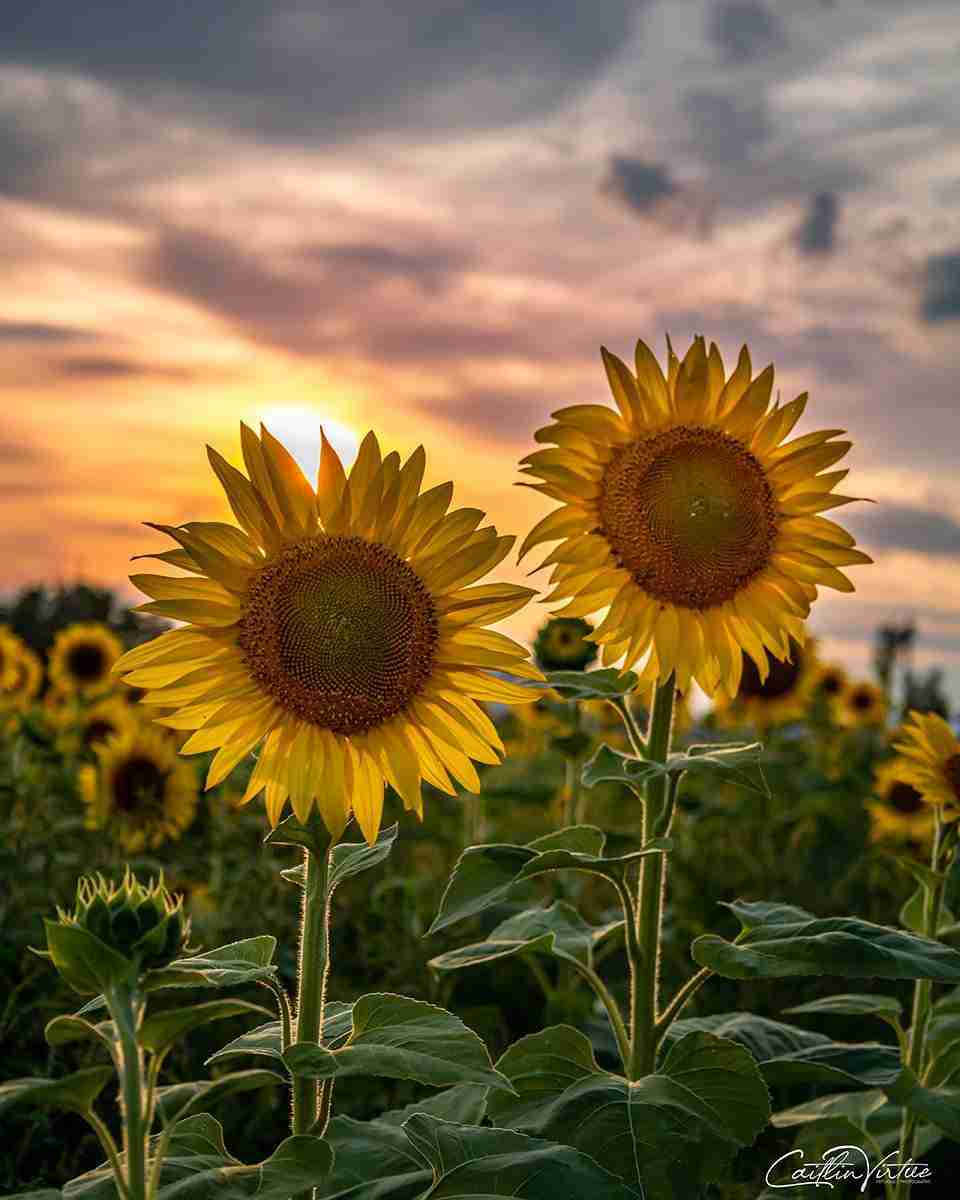
Sultan Farm and Sanctuary, located just outside Ottawa in the rural village of Ashton, offers a rare blend of natural beauty and purpose-driven storytelling. Each summer, this family-run farm opens its sunflower fields to visitors for a short and spectacular season, inviting photographers to wander among the blooms while supporting their animal rescue efforts through donations. Set against the open skies of Eastern Ontario and surrounded by gently rolling farmland, the vibrant fields of yellow provide an ideal setting for floral studies, portraiture, and environmental compositions filled with warmth and character.
Best Photography Opportunities
• Wide Sunflower Field Compositions
: The large fields are arranged in gentle rows, creating leading lines that pull the eye through the scene. A wide-angle lens positioned low to the ground can emphasize depth and show the flowers stretching to the horizon. Early morning or late afternoon light brings out warm tones in the petals and casts long shadows between rows, adding texture and softness to your frame. Composing with a wide field also allows you to play with background elements—such as sky gradients, clouds, or distant farm structures—that can anchor the vast sea of yellow. Including a person walking through the rows can add scale and a human connection to the landscape.
• Close-Up Floral Details
: For macro or telephoto lenses, there's endless potential in the intricacies of sunflower heads—spiral seed patterns, backlit petals, and curling leaves. Soft light, either from overcast skies or filtered golden hour sun, brings out delicate texture without harsh glare. Capture the curvature of a single stem or the profile of a flower as it tracks the light for intimate, abstract images. Try experimenting with aperture to control depth of field and isolate blooms from distracting backgrounds. Dew or raindrops on the petals can also create delicate highlights that add another layer of visual interest.
• Portraits Among the Blooms
: Sunflower fields make a classic backdrop for portraiture. Use the pathways between rows to frame subjects, or shoot from a lower angle to place faces in the midst of blooms. Side or backlighting adds dimension, while a shallow depth of field helps isolate your subject. Consider positioning your subject to interact with the flowers—walking between them, gently brushing a bloom, or sitting in a path—to create storytelling moments that feel natural and grounded. Reflectors or diffused fill light can help balance shadows and bring out detail in the face without overpowering the ambient glow.
• Pollinators and In-Field Life
: The sunflower fields hum with activity from bees and butterflies during peak bloom. Use a fast lens to capture them in motion, or wait for moments when they pause on the flower heads to compose with precision. These smaller subjects add a documentary layer to the sunflower field and reflect the ecosystem at work. Focus on behavior—bees burying into the center of a flower or butterflies opening their wings—and frame tightly to capture the fine structures of wing, leg, and petal. Patience and a steady hand are key here, especially when working handheld in natural light.
• Farm Atmosphere and Supporting Elements
: Beyond the flowers, the farm itself has visual interest—rustic fencing, old wood structures, open meadows, and possibly glimpses of sanctuary animals in the distance. Include these elements to contextualize your shoot and tell the story of the space as both sanctuary and working farm. These surrounding features can be used to anchor your sunflower shots or build transitions into broader photo essays about the site. Capturing the golden blooms with a barn in the background, for example, adds authenticity and visual contrast between cultivated nature and handmade structure.
Best Time to Visit
The sunflower bloom at Sultan Farm and Sanctuary generally begins around the middle of August and lasts for about three weeks. The timing depends on rainfall and sun conditions, so it's best to monitor their updates online for real-time bloom information. For photographers, catching the early to mid-phase of the bloom yields the freshest, most upright flowers.
Morning and late afternoon are the best times to visit. At sunrise, the blooms are softly backlit and the light is gentle enough to preserve detail in the yellows and greens. Evening brings warmer tones and dramatic contrast as shadows stretch through the rows. Midday light can be harsh and unflattering, particularly for portraits or delicate macro work.
Aim for the first week of full bloom for maximum color and health across the field. As the season progresses, some of the flowers begin to droop or fade, though this can also create moodier, more textured compositions.
How to Get There
Sultan Farm and Sanctuary is located in Ashton, Ontario, roughly a 30 to 40 minute drive southwest of Ottawa. From the city, take Highway 7 or Richmond Road and follow signage into Ashton. Detailed directions and open hours are typically provided by the farm on their website or social media platforms during sunflower season.
There is on-site parking available, and the entry to the sunflower fields is by donation. All contributions go directly to supporting the sanctuary's rescued animals, and visitors are encouraged to give generously in support of this cause.
The paths through the sunflower fields are grassy and mostly level, but they may be muddy or uneven after rain. Tripods and DSLR cameras are welcome for personal use. For professional or commercial sessions, the farm may request prior notice. Restrooms and seating areas may be limited, so plan accordingly and come prepared for a few hours outdoors.
Recommended Gear and Shooting Tips
A wide-angle lens is perfect for capturing the full scope of the field and including dynamic sky elements above the flowers. A mid-range zoom works well for framing portraits and tighter groups of sunflowers, while a macro or telephoto lens allows for isolated studies of texture and pollinator activity.
Use a polarizing filter to control reflections on petals and deepen blue skies. A lens hood will help reduce lens flare during backlit sessions. A tripod can be useful for macro work or compositional control, especially during the low-light hours of golden hour or just after sunrise.
Wear comfortable shoes, bring water, and be prepared for bugs and sun exposure. Insect repellent and a microfiber cloth for lens cleaning are practical additions to your kit. Take your time walking the rows and exploring different angles; even slight changes in perspective can yield dramatically different results with light filtering through the blooms.
Nearby Photography Locations
• Jock River at Richmond
: This winding river flows quietly through the village of Richmond and offers peaceful compositions of water reflections, grassy banks, and willow trees leaning over the shoreline. In the early morning, low-lying mist often settles along the surface, adding softness and atmosphere to wide landscape shots. It's an ideal location for long exposures, subtle water movement, and tranquil nature scenes just a short drive from Ashton.
: Located within Ottawa's Greenbelt, this large natural area is crisscrossed by forested trails, wooden boardwalks, and small wetlands teeming with late-summer birdlife. The dappled forest light filtering through dense canopies makes for excellent mood-driven compositions, and the area is rich with texture from moss, fallen logs, and native undergrowth. It's a perfect location for macro photography, quiet woodland studies, or peaceful early evening walks with camera in hand.
: This well-maintained public park along the Mississippi River features tree-lined paths, stone bridges, and flower gardens that shift in tone throughout the seasons. The river provides a reflective surface for late-day light and is often dotted with kayakers or swans, offering gentle movement within still scenes. It's a versatile location that works well for environmental portraiture, lifestyle photography, and scenic landscape compositions.
: These rapids along the Mississippi River cut through a rocky channel surrounded by trees and boulders, offering strong foreground elements and opportunities for dynamic long exposures. In late summer and early fall, the foliage begins to turn, adding layers of warm color to wide frames. The sound of rushing water and the textured rock surfaces create an immersive environment that rewards careful exploration and tripod-based compositions.
: Just a short drive west of Ashton, Almonte is a heritage-rich town filled with limestone buildings, vintage storefronts, and the dramatic presence of the Mississippi River cascading through its center. Bridges and walking paths along the river offer excellent views of waterfalls, industrial ruins, and elegant architecture side by side. This location is ideal for architectural detail shots, small-town street photography, and golden hour light that falls beautifully across the old stone facades.
Sultan Farm and Sanctuary is more than just a sunflower field—it's a space where beauty supports purpose. With each image captured, visitors contribute to the care of rescued animals and the stewardship of a peaceful rural haven. For photographers, it's a rare chance to align creative work with meaningful support, surrounded by color, life, and summer light.
Comments
Loading comments…