
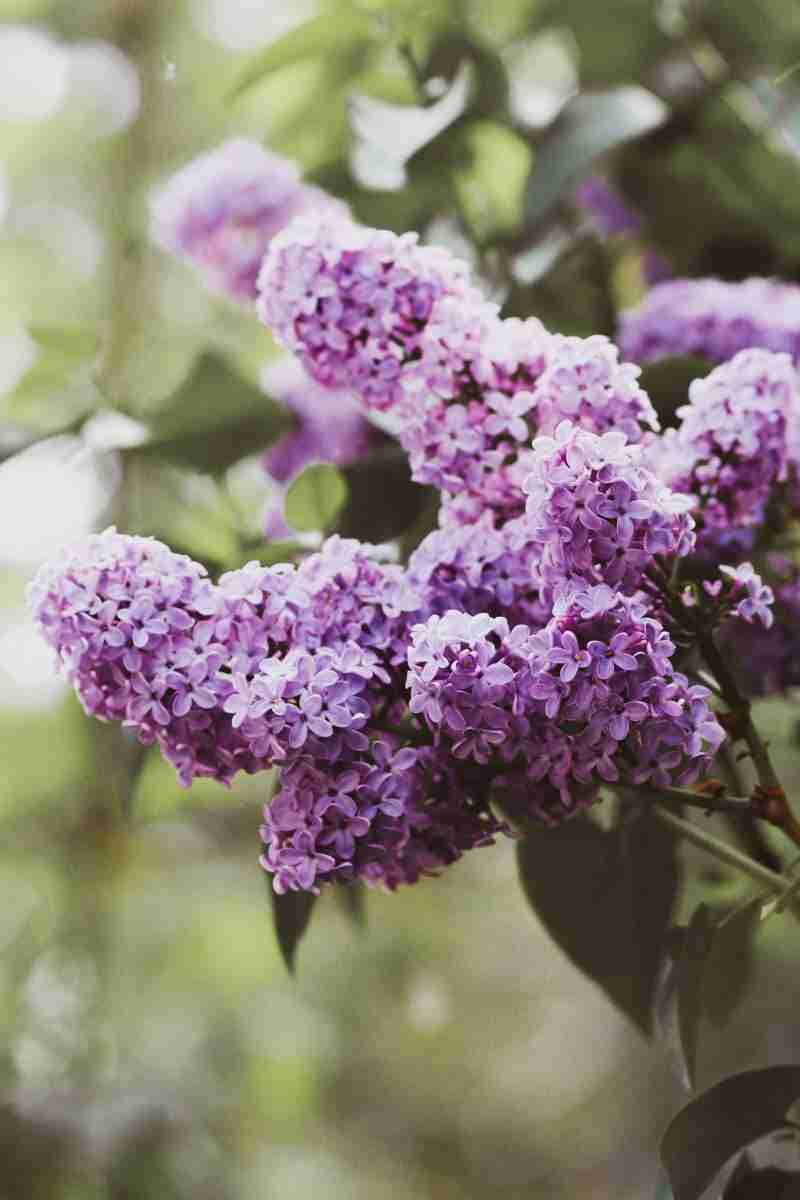
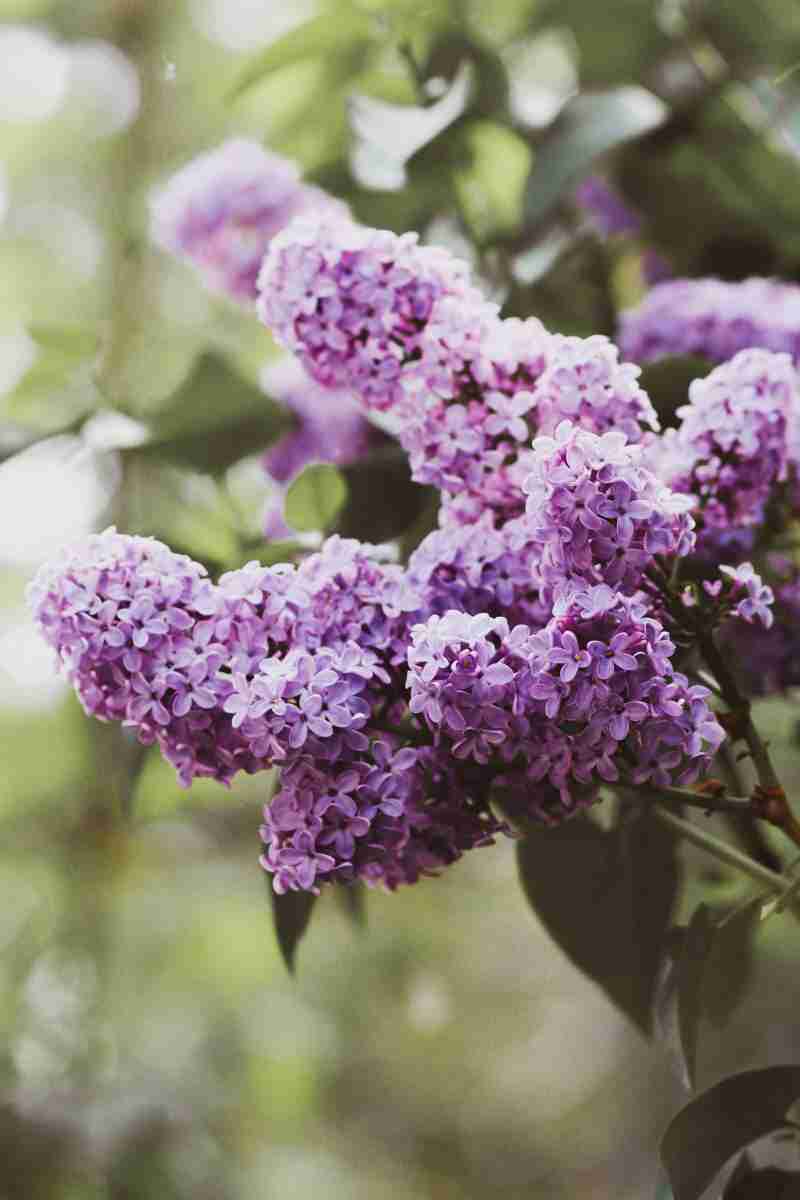
Nestled on the southeast edge of the University of Guelph campus, The Arboretum is a living collection of natural history and cultivated beauty. Spanning over 400 acres of woodlands, meadows, gardens, and research plantings, it is one of Ontario's most rewarding environments for nature photography. The terrain shifts gently between native forests and curated collections, offering photographers an ever-changing mosaic of textures, tones, and light. Whether you're chasing spring wildflowers under soft canopy light or composing minimalist winter scenes beneath skeletal trees, The Arboretum invites exploration with the promise of solitude, ecological richness, and visual depth.
Best Photography Opportunities
• The World of Trees Collection
: One of the Arboretum's most structured yet photogenic zones, the World of Trees features species from around the globe arranged in sweeping clusters and winding paths. This section is particularly compelling in late spring and early fall, when the juxtaposition of foliage textures and colors is at its peak. For photographers interested in formal composition, the spacing between trees allows for clean lines and layered depth, especially with a telephoto lens to compress the forms. It's also an ideal setting for foggy morning sessions, where diffused light wraps around trunks and foliage to create an ethereal mood.
• Victoria Woods and Hardwood Forest Trails
: The older-growth woodlands in the southern section offer a quieter, more organic aesthetic. Trails wind through sugar maple, beech, and oak stands, with understory plants offering seasonal variety—from spring trilliums and ferns to autumn's golden leaf carpet. Low-angle side light near sunrise or sunset filters through the canopy in rich bands, especially along ridgelines or trail clearings. A wide-angle lens captures the immersive feel of these dense forests, while macro work thrives here with the constant presence of moss, fungi, and leaf textures.
• Wildlife Garden and Native Plant Beds
: Close to the J.C. Taylor Nature Centre, this garden showcases pollinator-friendly perennials and grasses, drawing bees, butterflies, and birds throughout the growing season. Midsummer mornings here offer excellent opportunities for motion and color studies, especially with a macro lens or fast telephoto to isolate activity against blurred botanical backdrops. The orderly layout contrasts beautifully with the chaos of insects in motion, allowing for both structured and spontaneous compositions.
• Meadow and Tallgrass Prairie Areas
: These open spaces are best explored around golden hour, when low light grazes the tops of tallgrass species and reveals warm tonal gradients across the landscape. The meadows are often alive with red-winged blackbirds and dragonflies, and in late summer, sunflowers and native asters dominate the frame. Use a long lens for compression and wildlife detail, or drop low with a wide-angle to emphasize scale and sky in a dramatic, immersive perspective. These fields also reward patience, as small mammals and raptors can often be spotted with quiet observation.
• Winter Tree Forms and Frozen Details
: In winter, the Arboretum becomes a study in structure and contrast. Bare branches, snow-laden seed heads, and crystalline ice formations provide minimalist subjects perfect for black-and-white or abstract compositions. The open trails and clearings are ideal for capturing long shadows and simple, high-contrast scenes, especially after a fresh snowfall or freezing rain. Shooting in soft early light brings out subtle textures in bark and frost, while snow-draped conifers in the conifer collection offer a striking visual counterpoint to the stark deciduous trees nearby.
Best Time to Visit
The Arboretum is one of those rare locations that invites consistent returns across the calendar, with each season offering unique photographic moods. Spring begins early here, often with subtle fogs in April followed by bursts of woodland wildflowers and the soft green haze of new growth by May. Morning visits during this time offer gentle, even lighting and dew-covered plant life—ideal for macro and close-up detail work. Bird activity also peaks during migration seasons, adding sound and motion to the visual experience.
Summer brings an explosion of density and color, especially in the meadows and gardens. Light becomes stronger and more directional, creating deeper shadows in forested areas and a higher dynamic range challenge in open fields. Early mornings and late evenings remain the best times to shoot, especially when heat haze and insect activity affect visibility and comfort later in the day.
Autumn may be the most visually rewarding season. With a wide range of tree species in the World of Trees collection, color variation is high—from deep burgundy to bright yellow—making it a hotspot for foliage photographers. Leaf-fall patterns on trails and water surfaces offer compositional detail, while misty mornings or low-angle evening light enhance the visual texture.
Winter, while quieter, brings a serene and minimalist palette of greys, whites, and earth tones. Without dense foliage, the Arboretum reveals its structural bones: tree forms, trail curves, and the geometry of gardens. Snow cover transforms even mundane scenes into delicate compositions, while frozen streams and frosted seed heads offer subjects for both telephoto detail and broader landscape shots.
How to Get There
The Arboretum is located at the southeastern edge of the University of Guelph campus, with its main entrance accessible via Arboretum Road off College Avenue East. Visitors arriving by car can park at the dedicated Arboretum parking lot near the J.C. Taylor Nature Centre, where public parking is available for a fee during enforced hours. While there is no entrance fee to explore the grounds themselves, be aware that parking regulations and rates may vary depending on the day and season, so it's a good idea to check ahead before visiting.
On foot or by bike, the site can be accessed via several trailheads that link directly with the university campus and the surrounding neighborhoods. The Arboretum is open year-round from dawn to dusk, and its well-maintained trail network makes navigation easy in all seasons. Maps are available online or at the Nature Centre, though most of the terrain is intuitive and marked with interpretive signs. There are no major elevation changes, making the site highly accessible for photographers hauling heavier gear. Benches, picnic areas, and indoor washrooms near the centre make this an accommodating base for longer shooting sessions.
Recommended Gear and Shooting Tips
A visit to The Arboretum rewards both light travel and gear-heavy exploration, depending on your subject focus. For broad woodland compositions and immersive trail scenes, a wide-angle lens (14–35mm) is indispensable. Pairing it with a circular polarizer can enhance foliage color and reduce glare on leaves and water surfaces, especially after rain or morning dew. A mid-range zoom (24–70mm) will give you the flexibility needed to frame both intimate plant details and broader landscapes without constantly switching lenses.
For wildlife and more distant detail, especially in the meadows and around the garden perimeters, a telephoto lens in the 70–200mm or 100–400mm range is invaluable. Bring a tripod if you plan to shoot long exposures in low light, especially in winter or dense forest, but a monopod or beanbag can be helpful if you're covering more ground. A dedicated macro lens or close-focusing prime will be especially rewarding in spring and summer, when insect life, wildflowers, and dew-laced textures come to the forefront.
Footwear should match the season—trails are generally well maintained but can become muddy in spring and icy in winter. Lightweight waterproof boots or hiking shoes are a safe choice. Carrying a lens cloth and weather protection is a must, particularly for transitional seasons when conditions can shift unexpectedly. Lastly, silence and stillness go a long way—wildlife is abundant but often shy, so patience, quiet observation, and slow movements will dramatically improve your chances of capturing authentic, natural moments.
Nearby Photography Locations
: Just a five-minute drive southeast, this trail system follows the Eramosa River and offers scenic bridges, rushing water, and abundant birdlife. It's especially compelling in spring and fall, when reflections and motion blur techniques work well with the flowing river.
: Immediately adjacent to the Arboretum, the campus itself offers elegant collegiate architecture, modern sculpture installations, and well-kept gardens. Early morning or golden hour can turn the stone façades and tree-lined quads into rich compositional subjects.
: Roughly 15 minutes northeast, Guelph Lake provides wide-open landscapes, shoreline vistas, and dramatic skies—ideal for sunset shoots or drone work. In summer, the tallgrass and shoreline reeds attract birdlife and create layered foreground interest.
: Located near downtown Guelph, this river-adjacent park system includes weirs, footbridges, and mature trees that reflect beautifully in calm water. It's especially photogenic in early autumn and after heavy rain, when water levels and flow patterns are most dramatic.
: A short drive south of the Arboretum, this high-elevation loop trail offers forest density, exposed ridges, and scenic outlooks that change character with each season. It's particularly compelling in winter, when the trail becomes a quiet, snow-covered corridor through hardwood forest.
Whether you're drawn by the quiet geometry of a leafless forest or the vibrant burst of a pollinator garden in full bloom, The Arboretum at the University of Guelph offers the kind of photographic depth that reveals more with every visit. From spontaneous wildlife encounters to carefully composed seasonal studies, this site encourages both craft and curiosity—an ideal setting for photographers seeking thoughtful immersion in the natural world.
Comments
Loading comments…