
Set across nearly 300 hectares in Toronto's Rouge Valley, the Toronto Zoo offers one of the most diverse wildlife photography environments in North America. With over 3,000 animals representing hundreds of species, the zoo is more than a tourist attraction—it's a carefully curated landscape of global habitats, immersive enclosures, and controlled lighting scenarios that challenge and reward photographers in equal measure. The grounds are divided into geographic zones that recreate the light, foliage, and terrain of each species' natural environment, providing not just subject variety but also atmospheric diversity throughout the day.
From quiet forested trails to carefully staged indoor habitats, the zoo lends itself to all kinds of photography—from tight wildlife portraits to wide-environment storytelling. Patience, timing, and an understanding of how animals behave in light and shadow are crucial here. For photographers who value observation and composition over quick snapshots, the Toronto Zoo offers unexpected depth and seasonal variation.
Best Photography Opportunities
• Indo-Malaya Pavilion and Orangutan Habitat
The indoor tropical rainforest is a humid, dimly lit space that mimics the dense jungle of Southeast Asia. Light filtering through foliage creates spot-lit moments of drama—especially effective when photographing orangutans, who often sit near the glass or on ropes suspended overhead. Use a fast lens with wide aperture and shoot through the glass at a diagonal to reduce reflections. Look for behavioral moments—hand gestures, grooming, or eye contact—under dappled light for strong environmental portraits.
• Tundra Trek and Polar Bear Enclosure
The polar bear habitat is one of the most popular areas and offers compelling compositions, especially in winter or overcast conditions when the white tones of the enclosure and the animals are easier to balance. Early morning tends to be most active for the bears. Reflections in the underwater viewing area add drama, while wider shots from the surface allow for context-rich storytelling against the stark arctic simulation.
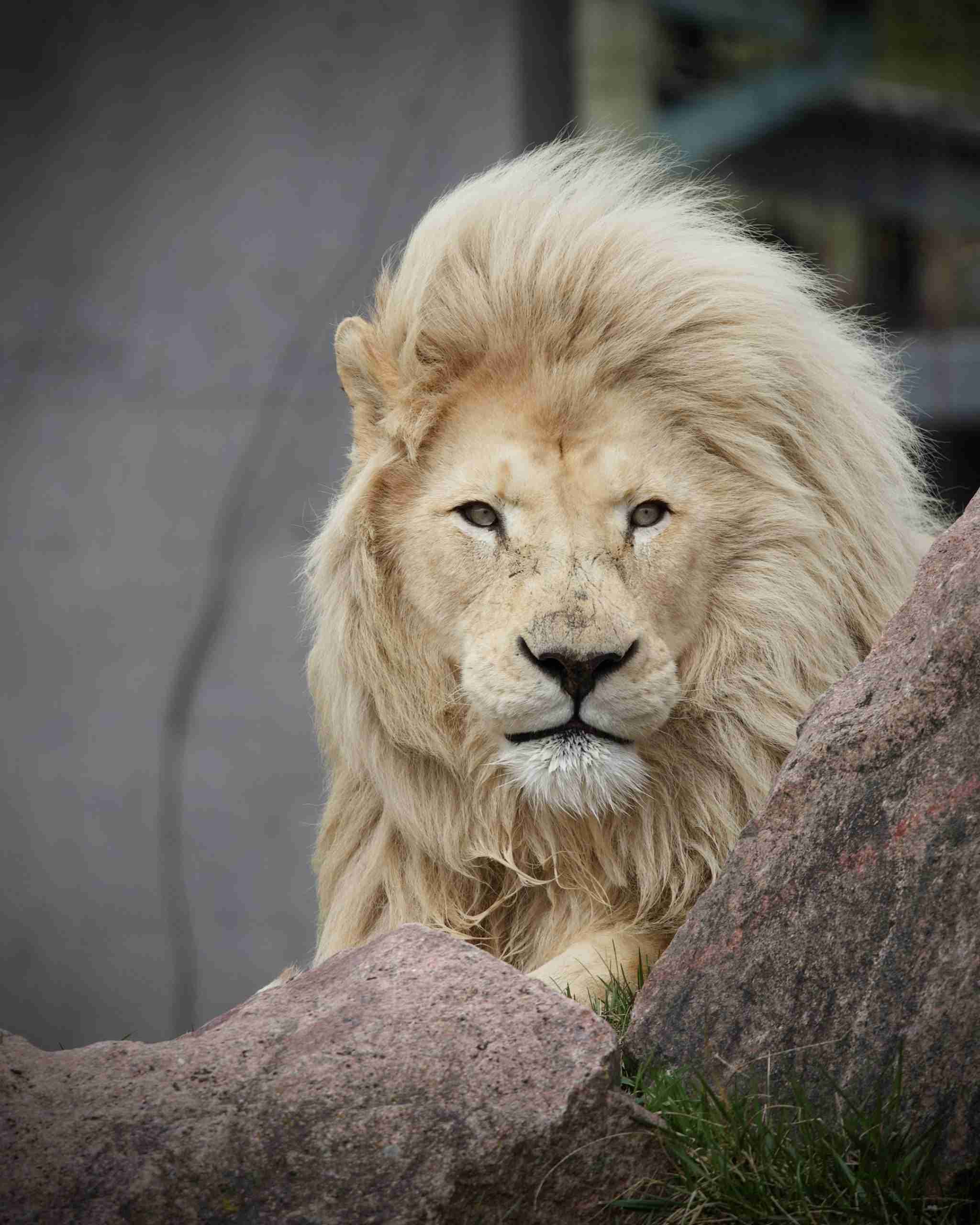
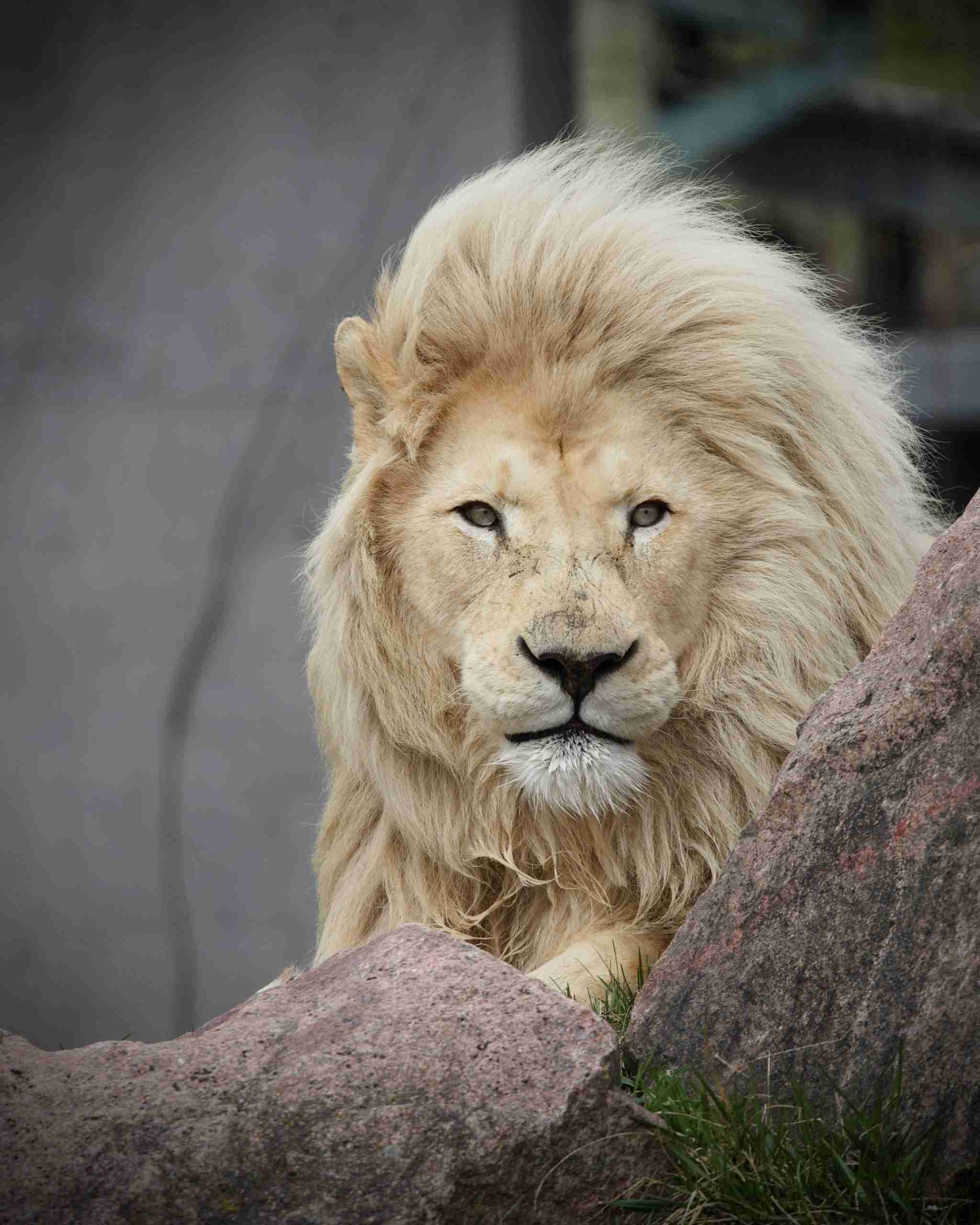
• Savanna Trail and African Lion Overlook
The open-air design of the African Savanna exhibits allows for clean backgrounds and unobstructed viewing. Late afternoon sun backlights lions on the rocks and creates long shadows on the grass. A telephoto lens is essential here, allowing you to isolate lions, giraffes, and zebras with minimal distraction. Look for framing opportunities through branches or tall grass to add depth and texture.
• Gorilla Rainforest and Primate Portraits
This indoor habitat is well-lit compared to others, offering great conditions for low-noise, handheld shooting. The western lowland gorillas frequently interact with their environment and each other, and their expressive faces make for deeply compelling portraits. Be patient and shoot through quieter moments to capture subtle interactions. A fast zoom lens lets you work from a respectful distance while still getting intimate frames.
• Canadian Domain and Native Wildlife
Though less visited, the Canadian Domain offers long-lens opportunities to photograph native species like bison, moose, and lynx in open terrain. The enclosures are expansive, so capturing activity often requires waiting and tracking movement across the hillsides. Autumn and winter are particularly photogenic here, with leaves or snow adding seasonal character and softening background clutter.
Best Time to Visit
The best time to visit the Toronto Zoo for photography is early morning right at opening, particularly on cooler days when animal activity is at its peak and lighting is more manageable. Low-angle morning sun provides side illumination that sculpts form and texture without harsh highlights. Crowds are lighter during this time, allowing for more controlled shooting conditions and clearer views through enclosures.
Spring and fall offer the best seasonal atmosphere, with comfortable temperatures for both animals and photographers, and rich, textured backdrops. Summer midday conditions are challenging due to harsh sun and more visitors, though indoor pavilions can still provide workable light. Winter visits offer unique conditions, especially for cold-adapted species like snow leopards and polar bears, whose enclosures appear more natural under snow and grey skies.
Behavioral rhythms also matter—many animals are fed or most active in the morning and begin resting by midday. Check the zoo's feeding and enrichment schedule to plan your route accordingly for peak moments of interaction and movement.
How to Get There
The Toronto Zoo is located in the eastern part of the city, in the Rouge Park region, and is accessible by car or public transit. If driving, use Highway 401 and exit at Meadowvale Road; parking is available onsite for a fee. For public transit users, the TTC offers seasonal express buses from Kennedy Station, and local bus routes from nearby GO stations also connect to the zoo.
The zoo opens daily year-round, though hours vary seasonally. Arriving when the gates open gives you access to softer light and less crowded walkways. Admission is ticketed, with discounts for off-peak or advance purchase, and photography is permitted throughout the park, including the indoor pavilions. Tripods are allowed outdoors but may be restricted indoors during busy times, so a monopod or handheld shooting approach is often better inside.
Recommended Gear and Shooting Tips
A versatile kit is key at the Toronto Zoo. A 70–200mm telephoto zoom is your primary tool for isolating animals and controlling depth of field. A fast 24–70mm lens gives you flexibility for wider scenes, groupings, and indoor habitats. If you have access to a longer 100–400mm or 500mm lens, it's particularly useful in the Canadian Domain or larger savanna enclosures. A fast prime (like an 85mm f/1.8 or 135mm f/2) can produce excellent portrait-style shots in lower light areas.
Bring a lens hood to reduce flare through glass and a microfiber cloth to clean smudges from observation windows. A circular polarizer can help manage reflections on glass enclosures, especially when shooting at an angle. Keep your ISO flexible—many indoor areas require higher settings, but newer sensors can handle this with minimal noise when properly exposed.
Shoot through the edges of glass panes, never the center, and avoid placing your lens flush to the surface. Instead, angle it slightly to reduce reflections and use your hand or a rubber lens shade to block ambient light. Outdoors, patience is everything—wait for clean backgrounds and good light before pressing the shutter. Focus on the eyes, anticipate behavior, and treat it like a wildlife shoot, not just a visit to the zoo.
Nearby Photography Locations
Adjacent to the zoo, this park offers trails, wetlands, and forest paths perfect for landscape photography or birdwatching. It's a good place to capture seasonal light or decompress after a full day on zoo grounds.
Just south of the zoo toward Lake Ontario, this conservation area has elevated views over the lake, bluff trails, and marshland. Excellent for early morning mist or late-day color, especially in spring and fall.
A lush ravine park system with creek crossings, woodlands, and surprisingly good wildlife photography potential. Deer, foxes, and owls are occasionally spotted here, and the trails are quiet and shaded.
Located southwest of the zoo, this park features architectural ruins, manicured gardens, and a bluff-top view over Lake Ontario. A nice change of pace for architectural or fine art photography.
• Scarborough Bluffs
The towering cliffs along the lake make for dramatic seascapes and layered landscape compositions. Best at sunrise or blue hour when the light brings out the texture of the rock and the quiet curve of the lake.
The Toronto Zoo offers more than animal portraits—it's a field school for light, behavior, and patience. With careful timing, the right gear, and a thoughtful approach to framing and detail, it becomes one of Toronto's most rewarding and quietly complex locations to shoot.
Comments
Loading comments…