
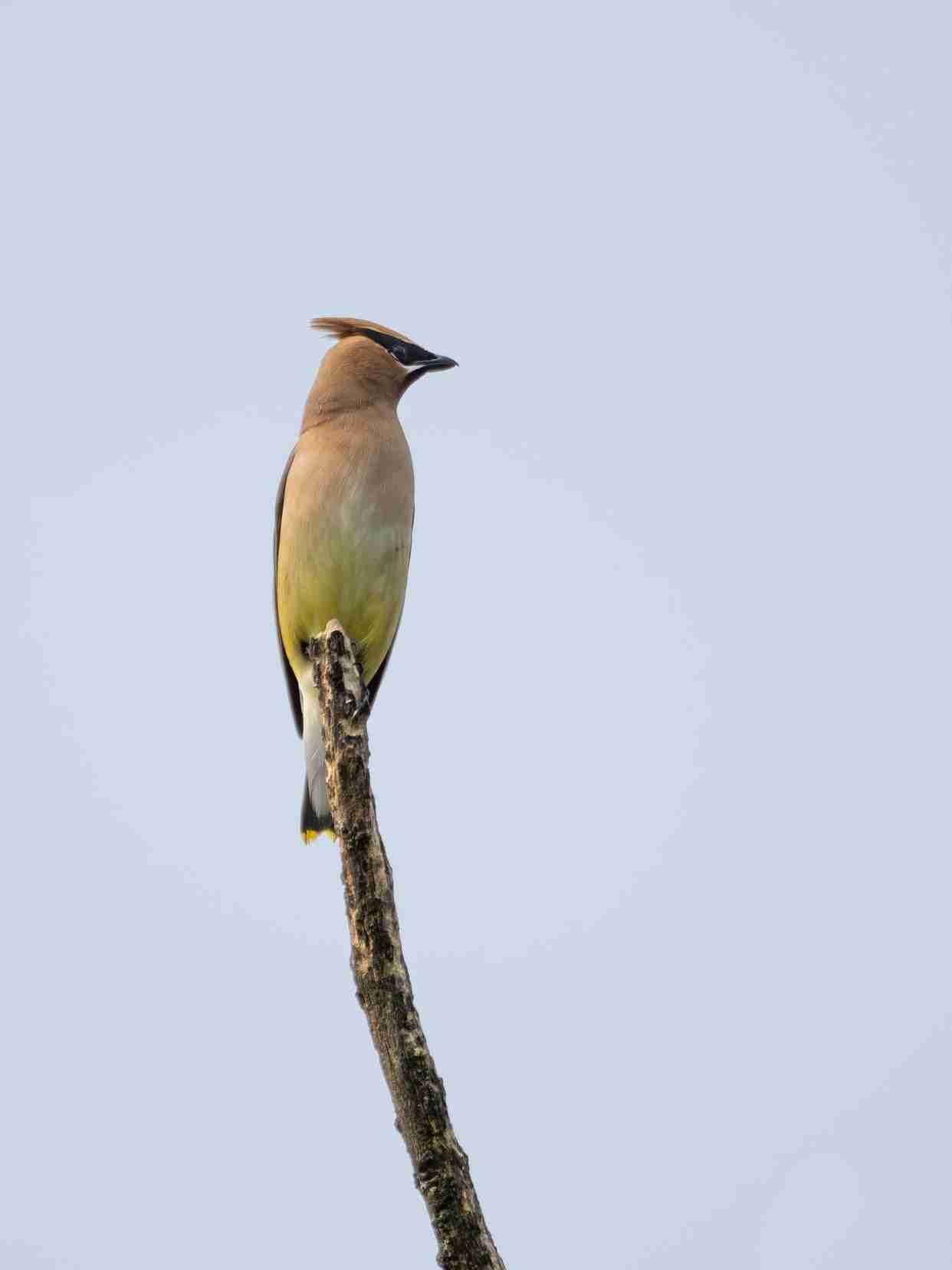
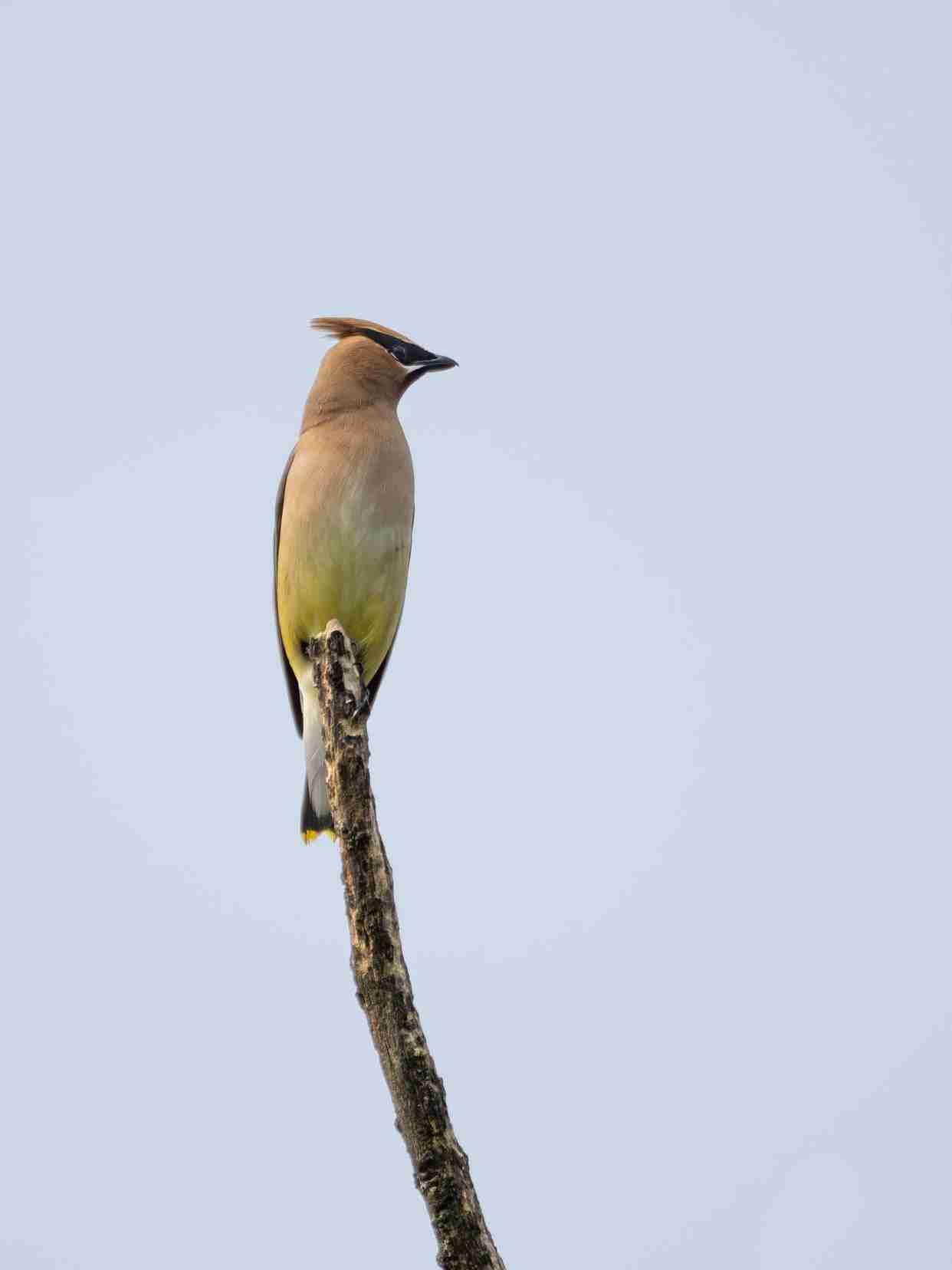
Tucked into the eastern edge of Guelph, Ontario, the Watson & York Stormwater Pond might appear unassuming at first glance—a functional wetland built for runoff control—but for photographers, it's a hidden gem of avian activity. The pond's compact size makes it uniquely well-suited to wildlife photography, particularly for those capturing waterfowl and wading birds in action. Surrounded by reeds, scrubby trees, and gently sloped banks, the site offers surprisingly close and dynamic encounters with a wide variety of species. Whether you're looking to freeze a kingfisher's dive, frame the elegant arc of a great blue heron, or capture subtle interactions among ducks and red-winged blackbirds, this location provides rare proximity and accessibility within an urban setting.
Best Photography Opportunities
• Kingfisher Dives and Perch Shots
: Belted kingfishers are regularly spotted hovering above the pond or perched on overhanging branches, scanning the water for prey. Their speed and erratic movement make them challenging, but rewarding, subjects. Use a fast telephoto lens (400mm or longer if possible), with shutter speeds above 1/2000s to freeze their dive. Position yourself near the east side of the pond where branches offer frequent perching spots, and be prepared to track movement continuously. Early morning is best, when activity spikes and light remains soft.
• Wading Birds in the Reeds
: Great blue herons, green herons, and white egrets frequently patrol the pond edges, especially during late spring and summer. These birds move slowly and often hold poses, making them ideal for careful composition and detailed studies. A telephoto zoom (100–400mm) allows flexibility to reframe as they shift position. Pay attention to their reflections in the water, particularly on still days. The western shoreline, with its mix of reeds and open water, often yields the best light and angle in the first few hours after sunrise.
• Common Terns and Overhead Flight Patterns
: Terns often circle the pond, dipping down sharply to feed. While they rarely land, they provide dramatic aerial opportunities with elegant, scissor-like wing positions and fast directional changes. Use continuous autofocus and a high burst rate to capture sequences. Background separation works best when you can shoot slightly upward, using sky or blurred treetops rather than cluttered shorelines.
• Blackbirds, Ducks, and Ground-Level Scenes
: Red-winged blackbirds perch low in the reeds and are easily approached near the water's edge. Canada Geese and common ducks (mallards, teals, and sometimes buffleheads) round out the cast with family groups, feeding patterns, and social interaction. Get low—kneel or lie prone along the shoreline—to capture intimate eye-level compositions. A 300mm or 400mm lens with a wide aperture (f/4 or f/5.6) helps separate subjects from the background for more painterly frames.
• Seasonal Changes and Morning Fog
: Autumn and early spring offer particularly photogenic conditions. Cooler mornings often bring mist that hovers just above the pond surface, adding atmosphere to wide shots and softening light. Try wider environmental compositions during these times—include shoreline brush, muted sky, and fog-filtered sun. In winter, the pond partially freezes, creating interesting contrasts between open water and ice patches where birds congregate.
Best Time to Visit
Watson & York Stormwater Pond is active from early spring through late fall, with the peak birding season occurring between April and September. Spring migration brings an influx of species, while summer provides the most consistent light and bird behavior. Early morning—between 6:30 and 9:30 a.m.—is by far the most productive window, as birds are actively feeding and human activity is minimal.
Late afternoon light can also be excellent, particularly along the eastern bank, where the sun backlights reeds and casts warm reflections across the pond. Cloudy days offer soft, even light that's especially useful for white-plumaged birds like egrets, helping avoid blown highlights.
During winter, access remains possible, though species diversity is reduced. Ducks and geese often linger near open water patches, and occasional raptors may circle the area looking for prey. Snow-covered edges can provide strong negative space for minimalistic frames.
How to Get There
The pond is located at the intersection of Watson Parkway North and York Road in Guelph, Ontario. From downtown Guelph, take York Road eastward until you reach Watson Parkway; the pond sits immediately adjacent to the intersection, on the northwest corner.
There's no formal parking lot, but ample roadside parking is available along Watson Road or in nearby residential areas. Use caution and avoid obstructing bike paths or entrances. Access to the pond is via a short footpath that encircles the water and connects to the city's trail system. Terrain is generally flat and accessible, though muddy conditions are common after rain—waterproof boots are recommended in early spring and fall.
There are no facilities on-site. Visitors should plan to bring water, carry out all waste, and avoid disturbing nesting or roosting areas. As the pond is within city limits, drone use may be restricted—check Guelph's municipal guidelines before flying.
Recommended Gear and Shooting Tips
For bird photography at this location, reach and speed are essential. A 400mm lens (or longer with a teleconverter) is ideal for kingfisher and tern work, while a 100–400mm or 300mm prime strikes a good balance between portability and reach for general use. A fast aperture (f/4 or f/5.6) improves subject separation and helps in low-light moments near dawn.
Tripods or monopods can be useful for static subjects like herons, but most action shots—especially of flying birds—benefit from handheld agility. Use continuous autofocus with animal or bird detection modes if available. A burst rate of at least 10 fps will increase your chances of sharp action frames, particularly with diving or landing subjects.
For quieter, more natural scenes, approach slowly and pause frequently. Birds at this pond are used to occasional foot traffic but remain alert. Shooting from lower angles improves intimacy and background control. Bring a small pad or mat if you plan to kneel or lie along the bank.
Weather protection for gear is useful in misty or muddy conditions, and extra batteries are a must during cold weather. A lens hood helps shield front elements from rain or morning dew, and a microfiber cloth should be kept handy for quick cleaning.
Nearby Photography Locations
: Just north of the pond, this large reservoir and parkland provides broader landscapes and seasonal bird migrations. Shoreline access, marshland inlets, and tall grass trails offer a variety of shooting environments. In the early morning, mist often rolls across the lake, creating soft light ideal for moody wide shots or waterfowl silhouettes. Autumn foliage here is particularly vibrant, framing the reservoir with deep reds and yellows reflected in calm water.
: Downtown Guelph's parklands along the river offer strong early morning light, reflective river scenes, and occasional waterfowl or songbird encounters in a more urban context. Stone bridges, walking paths, and manicured lawns contrast with the natural riverbank, providing compositional balance for those interested in blending landscape and street-style photography. In spring, the blossoming trees create painterly backdrops for birdlife and waterside portraits.
: On Guelph's southwest edge, this lesser-visited area features wooded trails, creeks, and small wetlands ideal for macro, landscape, and bird photography with fewer disturbances. The varied habitats support frogs, dragonflies, and woodland birds, while fallen logs and shaded pools offer excellent texture for nature detail work. After rain, the trail-side foliage glistens, and soft light filters through the canopy, making this location especially rewarding for quiet, close-up studies.
: Northeast of the city, these trails wind through farmland, meadows, and forests, offering pastoral scenes, wildflowers, and bird activity in a quiet rural setting. Old barns, split-rail fences, and rolling fields provide a distinctly agrarian backdrop, particularly striking under golden hour light. This is also a good spot for capturing butterflies, finches, and ground-feeding birds in open spaces with excellent side-lighting.
: A short drive east, Rockwood offers dramatic limestone cliffs, caves, and riverside trails—a great destination for both landscape and nature photography. The Eramosa River winds through towering stone formations, creating opportunities for reflection shots, moody forest compositions, and striking contrasts of rock and water. The suspension bridge, mill ruins, and karst features also add architectural variety for photographers seeking more than just natural beauty.
Watson & York Stormwater Pond may be compact, but its photographic opportunities are expansive. It's a place where proximity, light, and movement combine in surprising ways—bringing you eye-to-eye with herons, terns, and the quiet drama of urban nature. For those who know how to look, this little pond delivers some of Guelph's most rewarding wildlife frames.
Comments
Loading comments…