
Angrignon Park, nestled in the southwest borough of Montreal near Verdun, is a sprawling 97-hectare green space that offers photographers a rare blend of urban proximity and immersive nature. Inspired by 19th-century English landscape gardens, the park feels more like a curated slice of countryside than a typical city park. Its wide lawns, serpentine trails, willow-lined ponds, and dense woodland sections provide a diverse array of shooting environments just steps from a Metro station. From fog rising off morning water to snow-softened forests, Angrignon Park is an unexpectedly rich destination for year-round photography with a strong sense of mood, texture, and seasonal variety.
Best Photography Opportunities
• Woodland trail perspectives and soft light textures
The central wooded area of the park contains winding, tree-lined trails ideal for capturing layered forest compositions within a city setting. These paths are particularly compelling in the early morning, when side light cuts through the canopy, illuminating patches of undergrowth and creating dappled textures across the trail. Use a wide-angle lens to accentuate the depth of the path, incorporating elements like fallen branches, leaf litter, and tree trunks as natural leading lines. In spring and summer, greens are lush and immersive, while autumn transforms the area into a tunnel of gold and orange. Even in winter, bare branches and snow-covered paths create minimal, graphic compositions with subdued tones.
• Pond reflections and waterside compositions
The central pond is flanked by weeping willows and reeds, providing strong compositional framing for reflection shots and layered environmental scenes. Arrive just after sunrise or before sunset when the light sits low and warm, casting elongated shadows and golden highlights across the water. In still conditions, the pond acts as a natural mirror, doubling trees and sky in wide-angle panoramas. Include foreground grasses, rocks, or nearby benches to anchor your frame and add scale. In autumn, fallen leaves floating on the water add texture, while winter brings partial ice coverage that creates abstract, tonal contrast ideal for black-and-white work.
• Seasonal contrast and environmental storytelling
Each season transforms Angrignon Park into a new visual story. In spring, buds and blossoms emerge alongside slow-moving water, offering soft palettes of green and pastel. Summer's dense canopy provides cool pockets of light, best used for high-contrast black-and-white compositions or quiet forest floor details. Autumn is the peak for photographers—multi-colored leaves carpet paths and line the water's edge, and the low sun often creates vibrant reflection conditions. Winter reveals stark lines, snow-laden branches, and wide open space, with strong morning light bouncing off fresh powder. Use each season to focus on a different photographic theme—intimacy in summer, drama in fall, geometry in winter.
• Bridge details and architectural contrasts
The park includes several small bridges and wooden crossings that add structural balance to its otherwise natural scenes. These can be used as framing devices or focal points, especially during golden hour when the wood warms under directional light. Position yourself low to include trailing branches or pond reflections, and experiment with different focal lengths to compress or expand the scene. In winter, snow builds on handrails and footpaths, creating clean lines and soft shadow play, while in spring these structures emerge again with new vines, moss, or pooled water, adding subtle detail and narrative depth to the setting.
• Wildlife moments and quiet foreground activity
Though urban, Angrignon Park hosts a surprising variety of birds, small mammals, and amphibians, particularly near the pond and wetland edges. Bring a telephoto lens for capturing ducks, squirrels, or songbirds in context with their environment. Photographs that include wildlife subtly integrated into broader landscapes—on a frozen lake, perched on a branch, or trailing across a leaf-strewn path—build visual interest without relying solely on portrait-style animal photography. Early morning and just before dusk offer the best light and most frequent activity, especially during spring migration and late autumn feeding periods.
Best Time to Visit
Angrignon Park is open and photogenic year-round, with each season offering distinct advantages for different visual styles.
Spring arrives gradually in Montreal, but as the ice retreats from the pond and new buds emerge, the forest trails begin to take on soft green hues. April and May are perfect for capturing ephemeral scenes of thawing water, early flowers, and newly active wildlife under overcast or early light.
Summer offers the fullest, most vibrant foliage. The long days give photographers extended golden hour and deep greens throughout the forest canopy. This is the best time for shadow texture, close-up botanical work, and experimenting with high-contrast compositions. Midday light is often too direct, so aim for early or late in the day when the park is quieter.
Autumn is the standout season. Peak color typically arrives in mid-October, transforming the park into a mosaic of red, yellow, and rust tones. Fallen leaves add rich texture to both trail and pond-side scenes, and low-angle light brings out warm, golden depth throughout the day. Early fog, especially after rainfall, adds drama and softness to wider landscape shots.
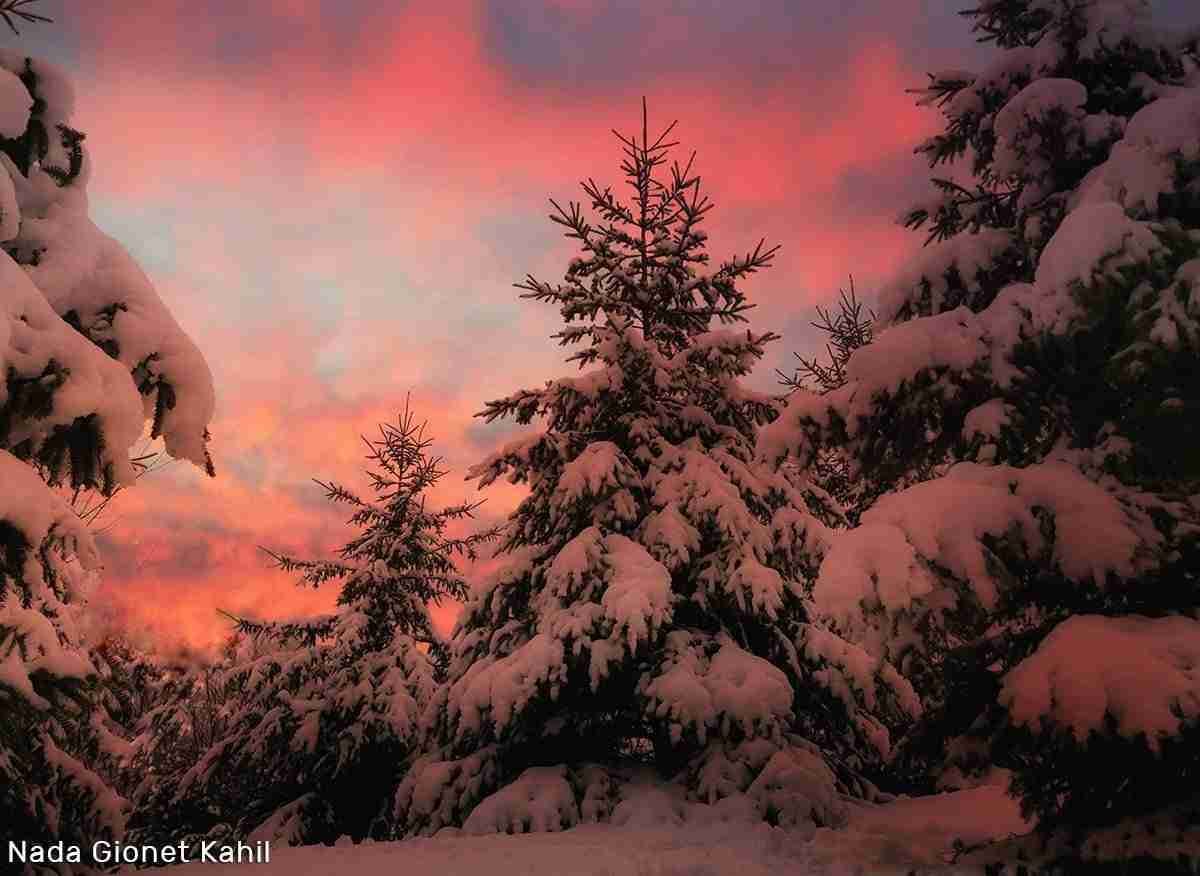
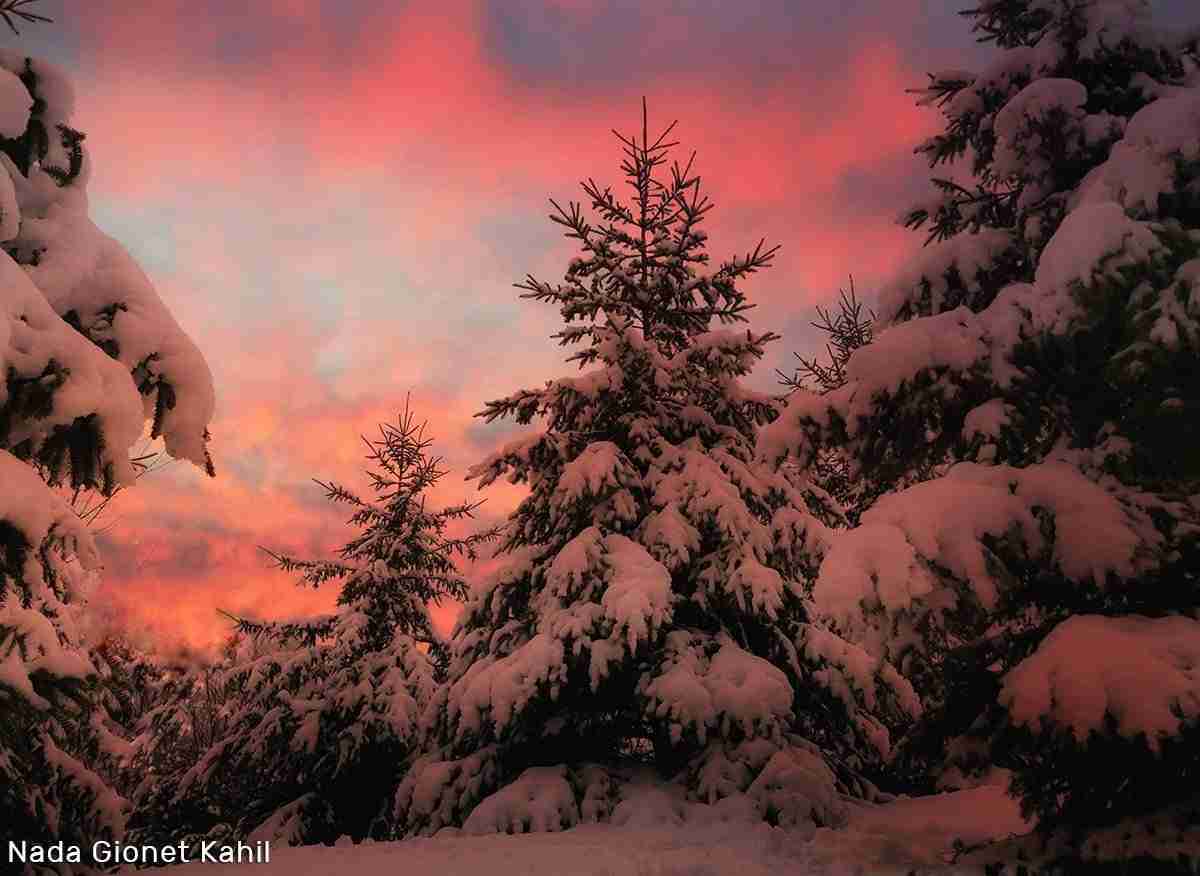
Winter creates minimalist and often ethereal scenes. Fresh snowfall highlights the structure of tree branches, and strong side lighting enhances contrast across wide open spaces. Use caution when walking in deep snow or icy areas, but embrace the graphic possibilities—animal tracks, wind-blown snow patterns, and stark tree silhouettes. Early morning and twilight are especially rich in subtle color.
How to Get There
Angrignon Park is one of Montreal's most accessible large green spaces, located adjacent to the Angrignon Metro station on the Green Line. From the station, the main park entrance is just a short walk, making it a prime location for public transit-based photographers.
For those arriving by car, parking is available at several access points along Boulevard des Trinitaires and Boulevard Angrignon. The park is bordered by residential neighborhoods but remains relatively quiet, particularly early in the morning or on weekdays. There are multiple pedestrian paths, and cyclists also have access via surrounding bike trails.
The park is open year-round, and entry is free. While lighting is natural and unenhanced at night, early morning and golden hour sessions are comfortably accessible even without a vehicle. Most of the trails are flat and well-maintained, although winter conditions can vary—bring proper footwear if visiting after snowfall.
Recommended Photography Gear
A wide-angle zoom (16–35mm) is ideal for capturing the breadth of the forest trails, reflections at the ponds, and immersive seasonal scenes. For tighter compositions and environmental detail shots, a mid-range zoom (24–70mm) provides excellent flexibility when moving between forest, water, and structures.
A telephoto lens (70–200mm) is useful for isolating wildlife, compressing tree lines, and picking out architectural features like bridges or distant silhouettes. In winter and autumn, this lens also excels at capturing subtle atmospheric layers and distant color gradients across the park.
A lightweight tripod is recommended for early morning or twilight work, especially when shooting in low light or aiming for longer exposures on water. A circular polarizer helps reduce reflection on the ponds and enhances foliage contrast, particularly in summer and autumn. During winter, bring a lens cloth and weather protection—conditions can be variable and fast-changing.
If you're planning to shoot wildlife or quiet moments from a distance, consider packing a remote shutter release and using natural cover along the pond edges to minimize disruption to your subject.
Nearby Photography Locations
Located just north of the park, the canal offers industrial textures, moody water scenes, and long paths ideal for minimalist compositions. Golden hour reflections and cyclist silhouettes work well here in all seasons.
• Parc du Mont-Royal
A short Metro ride away, this iconic Montreal location offers city views, forested trails, and more dramatic elevation. It provides a contrasting, hillier landscape ideal for broader panoramas and urban/nature juxtapositions.
Located southwest of Angrignon, this waterfront path along the St. Lawrence River includes marinas, rocky beaches, and long exposures over moving water. Ideal for sunrise photography and wide open sky frames.
• Île des Sœurs Woodland Trails
A quieter network of trails on Nun's Island, just a short drive from Angrignon. These forests offer less foot traffic, strong vertical compositions with tall trees, and pockets of wetland that are especially effective in mist.
• Parc Marguerite-Bourgeoys
A compact but thoughtfully designed urban park near Monk Boulevard with pond views, floral elements in summer, and stone bridges—good for quick architectural and reflection-based compositions in quieter settings.
Angrignon Park may not have the dramatic elevation of some of Montreal's other green spaces, but its strength lies in atmosphere, variation, and access. It's a location where photographers can experiment with light, mood, and narrative—all within a setting that feels far more remote than it actually is. Whether you're shooting delicate forest scenes, quiet water reflections, or winter minimalism, Angrignon rewards patient observation and a willingness to explore the subtleties of urban nature.
Comments
Loading comments…