
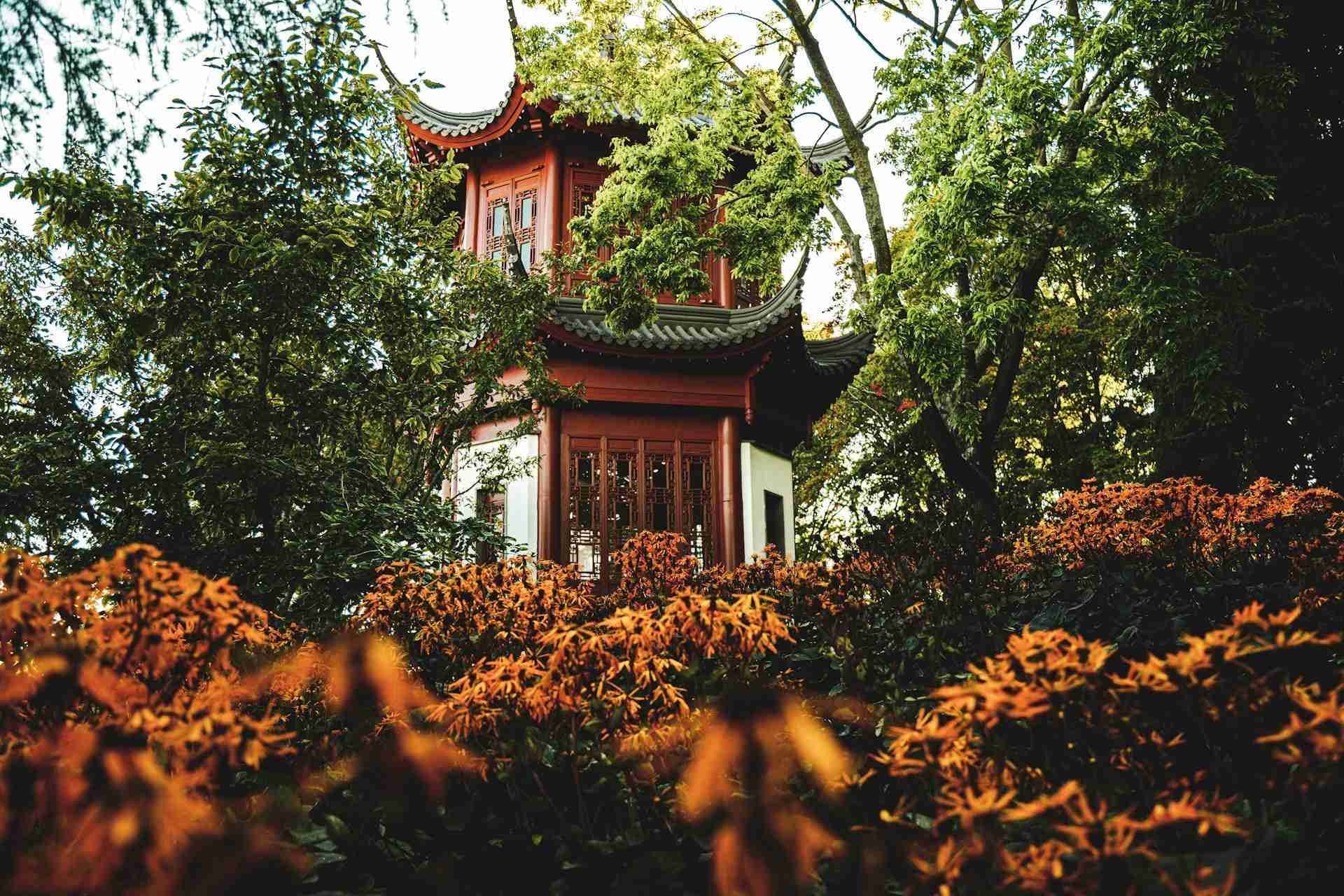
The Chinese Garden in Montreal's Jardin botanique is a thoughtfully crafted space filled with harmony, balance, and layered detail. Designed in collaboration with artisans from Shanghai, this walled garden blends traditional Chinese architecture, curated landscapes, and symbolic elements that represent centuries of horticultural and spiritual tradition. It is a place where color, shape, and reflection all work together, offering photographers countless opportunities for quiet, deliberate compositions. Whether you are drawn to the symmetry of pavilions, the textures of stone and wood, or the mirrored surfaces of still water, this garden invites a slower pace and rewards careful framing. As the seasons shift, the garden transforms, creating new light and new possibilities at every turn.
Best Photography Opportunities
Lotus Pond and Pavilion Reflections
At the heart of the garden is a tranquil pond framed by rock formations and traditional pavilions, with calm water that reflects the surrounding architecture and sky. Early morning and late afternoon are ideal for working with reflections, as the light is soft and wind is low. Including the structure's reflection in the lower half of the frame creates symmetry, while surface textures and drifting leaves add variation. During summer, lotus flowers bloom along the pond's edge, introducing soft shapes and pale pink tones that balance well with the deep red of the wooden pavilions. This is a space where patience pays off, as small ripples, changing light, and drifting clouds subtly shift the scene throughout the day.
Pavilion Interiors and Framed Views
Each pavilion in the garden includes open windows, carved latticework, and framed corridors that offer carefully planned views of the garden beyond. These spaces allow for compositions that feel enclosed and open at the same time. Shooting from inside a shaded structure toward a sunlit scene creates strong contrast and layers. Using a midrange or short telephoto lens helps you compress depth and highlight architectural detail. These shots are best made during mid to late morning when sunlight falls cleanly across the central features and casts shadows that define structure. The carved woodwork also provides abstract compositions when isolated, especially with soft light.
Stonework and Garden Textures
The garden's paths, bridges, and rock formations offer a wide variety of textures and shapes that lend themselves to tight compositions and detail studies. Weathered stone, worn tile, and aged wood all contribute to the garden's tactile feel. Working with a macro or short zoom lens allows you to frame these elements without including distracting backgrounds. These images benefit from overcast skies or shaded conditions that minimize glare and reveal subtle surface detail. Including a leaf, blossom, or piece of calligraphy can introduce contrast or context into the frame. These photos work especially well as a visual counterpoint to wider, more symmetrical compositions.
Seasonal Changes in Foliage and Light
The garden is especially photogenic in autumn when the maple trees around the perimeter turn rich red and orange, creating strong contrast with the white walls and dark wood of the structures. These colors reflect into the pond and add warmth to nearly every composition. In spring, soft greens and emerging blossoms create a lighter palette that works well with the garden's delicate forms. Winter strips the garden to its structural core, revealing the shapes and lines of the architecture more clearly. Morning and early afternoon light shifts seasonally, with the best directional light often occurring mid morning. These changes allow photographers to revisit the same scenes with completely different results throughout the year.
Lantern Festival Lighting and Evening Scenes
During the annual Gardens of Light festival in the fall, the Chinese Garden is transformed with illuminated lanterns and dramatic lighting that shifts the tone of the entire space. Long exposures work well here, allowing light trails, glowing water, and starbursts from lanterns to shape compositions. A tripod is essential during the evening hours, and a wide lens helps frame large light displays while including foreground elements like bridges or stone walkways. Reflections on the pond become even more pronounced at night, and including silhouetted visitors or tree branches can add scale and context. Planning a visit early in the evening before crowds arrive allows for cleaner frames and more time to experiment with different angles.
Best Time to Visit
The Chinese Garden offers strong photographic potential in every season, but certain times of year highlight different qualities. Spring brings fresh leaves, flowering trees, and a soft color palette that complements the garden's detailed structures. Morning light at this time is cool and gentle, creating excellent conditions for reflective surfaces and close work with floral details. Summer offers full foliage and active blooms, especially along the lotus pond, and is the best season for vibrant green tones and balanced light throughout the day.
Autumn is widely considered the best season to visit, as maple leaves provide rich color and the low sun casts long shadows across the paths and walls. The warm tones enhance the architecture and create contrast with the gray stone and white plaster. From mid September to late October, the Gardens of Light festival adds night photography opportunities and fills the garden with carefully placed lanterns and color. Winter offers a more minimalist experience, with bare trees and snow often outlining the garden's form and structure. The bold rooflines and red accents of the pavilions stand out strongly against the muted landscape.
In terms of time of day, mornings are ideal for most compositions, with soft light, fewer visitors, and still water on the pond. Late afternoon can also be productive when the sun begins to fall behind the trees and casts strong side light across the garden walls and water features. Cloudy days are best for close work and detail shots, as the even lighting makes colors richer and textures easier to capture without distraction from harsh shadows or bright highlights.
How to Get There
The Chinese Garden is located inside the Jardin botanique de Montréal, which sits in the eastern part of the city near the Olympic Stadium. It is part of the larger Space for Life museum district and is easily reached by public transportation, bicycle, or car. The closest metro station is Pie-IX on the Green Line, which is about a ten minute walk from the garden entrance. The park has several entry points, with clear signage leading visitors to each themed garden. Admission to the Chinese Garden is included with general entry to the Jardin botanique.
The garden is open year round, though some features are seasonal and the layout may change slightly during special events. Tripods are allowed during normal operating hours for personal photography, but restrictions may apply during busy events like the Gardens of Light festival. Photographers are asked to stay on designated paths and avoid stepping into planted areas or crossing low barriers. Facilities including restrooms, cafes, and information centers are located nearby, and the paved paths within the garden are fully accessible.
Recommended Photography Gear
Because the Chinese Garden offers a mix of architecture, natural detail, and reflections, a flexible but compact kit will serve you well. A 24 to 70 millimeter lens covers most scenes comfortably and is ideal for pavilions, pond compositions, and tighter views of garden features. A wide lens in the 16 to 35 millimeter range is helpful for capturing the full sweep of the pond with its reflections or working inside structures where space is limited. This lens is especially effective for early morning compositions when the water is still and the light creates balanced contrast between sky and building.
A short telephoto or fast prime in the 85 to 135 millimeter range is useful for isolating architectural details, carving patterns, or textural elements such as rocks and wooden beams. A circular polarizer can help control reflections on water and deepen sky color on sunny days. For evening shoots during the Lantern Festival, a tripod is essential for longer exposures and consistent framing. A remote trigger or timer will help eliminate shake, and bringing a small flashlight can assist with camera adjustments in low light.
The calm pace of the garden suits a careful and observant shooting style, so gear that supports mobility and balance will keep your focus on creative composition.
Nearby Photography Locations
Also located within the Jardin botanique, the Japanese Garden offers a completely different style of design and visual rhythm. Curved bridges, koi ponds, and raked gravel areas provide opportunities for minimalist compositions and detail work with natural materials. The garden is especially beautiful in spring and during the fall color change.
This space highlights the plants and cultural heritage of the Indigenous peoples of Quebec and offers more open compositions with natural textures, native species, and sculptural installations. It is a quieter area with a different pace and is ideal for documentary style work or storytelling compositions.
Just outside the garden gates, the Olympic Stadium and its surrounding plaza offer brutalist architectural forms and long lines that contrast strongly with the organic forms of the Chinese Garden. It is a good location for working in black and white or experimenting with shadow and geometry.
Insectarium and Surrounding Paths
The nearby Insectarium is undergoing modern upgrades, but the walking paths around it are lined with native plants and informal garden arrangements. These areas work well for macro photography and environmental details, particularly in late spring and summer.
Bordering the botanical garden, Parc Maisonneuve provides open lawns, tree-lined paths, and quiet picnic areas. This is a good place to unwind between sessions or build a broader story around the cultural and green spaces of eastern Montreal. It also provides strong tree symmetry and long shadows in early morning.
Photographing the Chinese Garden at the Jardin botanique de Montréal offers a balanced experience that includes architecture, nature, reflection, and seasonal change. It is a location that encourages slowing down, observing carefully, and revisiting scenes as light and conditions evolve. With thoughtful framing and attention to detail, this space offers a wealth of possibilities in every visit.
Comments
Loading comments…