
Abandoned House in Pontiac, Quebec: Decay, Atmosphere, and Roadside Reverie
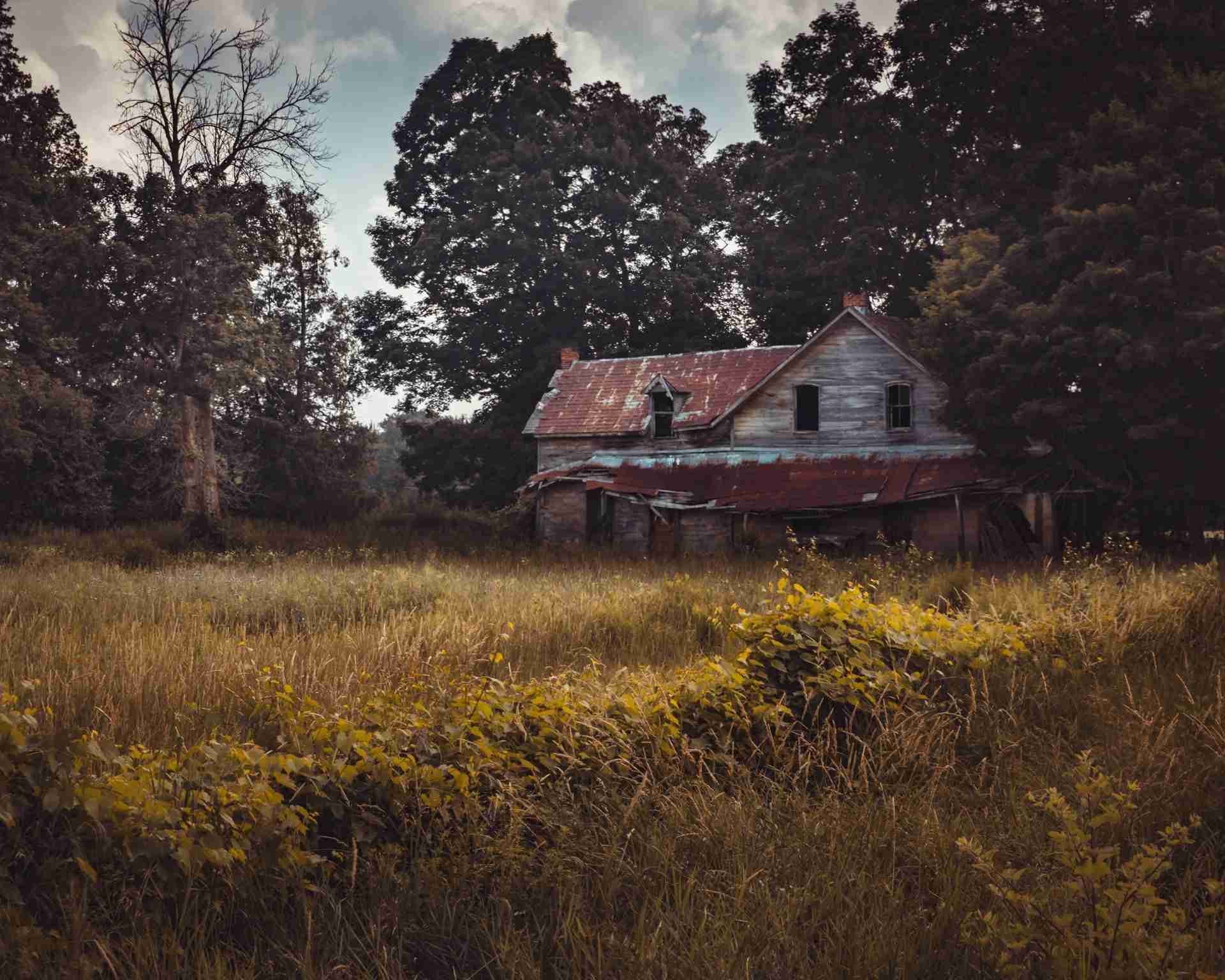
Nestled back from the road amidst overgrown trees, this crumbling, abandoned house is a magnet for photographers with an eye for the eerie and the hauntingly beautiful. Rich in architectural details and visibly succumbing to the elements and the ravages of time, it offers a unique snapshot of a past era. While it is private property and trespassing is not allowed, it's an excellent subject for photography from the roadside, providing an atmospheric scene, especially on overcast days or in the dim light of dusk or dawn.
Best Photography Opportunities
• Front Facade and Roadside Framing
The house's main facade—weathered, decayed, and surrounded by dense overgrowth—makes for a compelling subject when framed from the roadside. A mid-range zoom (24–70mm) lets you isolate details or include the full structure, using tree limbs, wild grasses, or fence posts to frame the composition. Overcast skies lend a soft, moody light that emphasizes texture and desaturation, perfect for a timeless feel. In autumn, leaves on the ground and thinning branches enhance the sense of abandonment and transition. Try incorporating foreground elements like broken fence rails or rusted signage to lead the viewer's eye and reinforce the theme of neglect.
• Textures of Decay and Natural Encroachment
With a telephoto lens or even a high-resolution crop, zoom in on sections of flaking paint, rusted metal, cracked window panes, or sagging eaves. These details convey the passage of time and tell a visual story through texture. Lichen-covered siding and vines creeping across the structure provide striking natural contrast to the built form. Use side light early or late in the day to reveal dimension, or flat cloudy light for evenly lit surface studies. If you're patient, look for interactions between nature and manmade elements—ivy twisting around a porch post or moss filling the joints of old brickwork.
• Seasonal Variations and Light Quality
In winter, the house takes on an even more ghostly appearance as snow covers the roofline and outlines the structure's skeleton beneath bare trees. Fall offers bold color contrast between decay and seasonal vibrancy, while spring presents new growth wrapping around ruins—an excellent symbol of the tension between persistence and collapse. Visit at dawn or dusk for cool color temperatures and mist that can heighten mood and visual tension. In early summer, the golden hour casts warm directional light across the façade, which helps bring out the textures and makes peeling paint or warped siding glow with a quiet intensity.
• Monochrome and Minimalist Compositions
This location thrives in black-and-white. Convert in post or shoot natively with a monochrome profile to focus on contrast, line, and negative space. Silhouetting the house against a pale sky or isolating a single element—like a broken shutter or collapsed corner—can create minimalist frames with graphic power. Fog or falling snow adds depth and separation. Try underexposing slightly for added drama and let negative space dominate where appropriate, allowing viewers to project their own emotional narratives onto the image.
• Contextual Landscape and Human Absence
Step back across the road or find a pull-off to capture the house within its wider setting—dense brush, encroaching trees, and perhaps a quiet road curving out of frame. Wide-angle lenses work well here, especially when used with strong foreground elements like tree stumps, ditches, or road signs. These images evoke loneliness and the slow return of land over architecture. Including distant structures, old power lines, or subtle elements of infrastructure can expand the narrative beyond the house and comment on the decline of entire rural communities.
Best Time to Visit
This site is photogenic in all seasons, with each bringing distinct visual advantages. Overcast days enhance texture and reduce harsh contrasts, making them ideal for detailed studies of decay and shadowless, evenly lit subjects. Early morning fog or post-rain haze softens the atmosphere and can amplify the sense of isolation. Dull light is especially helpful for shooting the fine-grain details of peeling paint, weathered wood, and creeping vegetation.
Autumn brings fiery foliage that heightens the house's sense of dereliction, contrasting life with decay. This is also the best time to introduce strong color dynamics into your compositions—reds and oranges against gray wood, golden leaves scattered across warped floorboards, or the contrast of vivid maple trees and collapsing walls. Overcast autumn skies create an ethereal glow that suits the subject perfectly.
Winter adds a stark, skeletal quality as snow outlines broken structures and accentuates tonal contrast. Icy textures on old glass, frost-rimmed wooden beams, and footprints through fresh snow add visual storytelling to your shots. Morning light during the colder months tends to be more diffuse and less blue than at other times of year, yielding subtle shadow gradients and softer transitions.
Spring introduces a strange duality—flowers blooming around broken boards, green shoots overtaking forgotten stairs, and moss climbing siding with renewed vigor. The return of color in the surrounding brush can clash dramatically with the house's decay, and photographers can work with themes of contrast, rebirth, and memory. Mist and wet surfaces after spring rain deepen saturation and highlight texture.
Summer can be lush and vibrant, though thick foliage may partially obscure the view. On the plus side, golden hour light casts a warm glow across the scene, and insects or small wildlife may bring unexpected life to your frame. Late summer evenings are a good time to shoot handheld, using ambient light and a wide aperture to isolate key visual elements.
Twilight, blue hour, or just after sunset are excellent times to shoot, especially for longer exposures that capture subtle gradients in the sky and frame the house in soft shadows. The low light helps dramatize negative space and emphasizes the silhouette of the structure against the sky. Avoid direct midday sun unless you're intentionally using harsh contrast or looking to emphasize stark geometry.
How to Get There
The abandoned house is located along Chemin Wharf in Pontiac, Quebec, near the intersection with Chemin d'Aylmer. While it is a well-known local feature, it sits on private property, so it must be photographed strictly from the public road. The house is clearly visible from the roadside, making it accessible without crossing any fences or boundaries. Look for a small shoulder or gravel pull-off nearby where you can park briefly without obstructing traffic.
Do not trespass—respect posted signage and maintain a clear boundary between yourself and the property. A telephoto lens will allow you to capture tight details from the roadside, and a polarizer may help manage glare off windows or faded paint. Early morning or evening visits are best to avoid traffic and to catch the most favorable light conditions.
Recommended Gear for Roadside Abandonment Photography
A mid-range zoom (24–70mm) is the most versatile lens for this location, giving you flexibility to frame the entire house or isolate weathered architectural elements. A telephoto lens (70–200mm or longer) is helpful for reaching across the road and focusing on detail without needing to step onto private land. If you plan to shoot in low light, fast primes like a 50mm f/1.8 or 85mm f/1.4 will give you greater control over depth and exposure.
Tripods are optional but useful for early morning or blue hour shooting when shutter speeds slow down. If using one roadside, be mindful of traffic and remain visible to passing vehicles. A polarizer helps reduce window glare and can deepen sky tones or boost saturation in surrounding foliage. ND filters may be useful for intentional blur in moving clouds or long exposures during twilight.
A lens hood or flare blocker is valuable when shooting toward angled light. Bring a weather-sealed camera or a simple rain cover in case of mist, and always carry microfiber cloths for de-fogging lenses. Comfortable shoes, a safety vest, and insect repellent are smart additions, especially when working near roadside brush.
Nearby Photography Locations
• Ottawa River Lookouts
: Just west of Pontiac, various turnouts and shoreline parks offer views of the wide river channel, forested bluffs, and sunset reflections over water.
: A 40-minute drive north reveals a scenic waterfall with access trails, forest textures, and opportunities for long exposure work in natural surroundings.
• Luskville Falls Trailhead
: Located in Gatineau Park, this area combines mountain stream cascades, dense woods, and high-elevation lookouts for panoramic compositions.
• Old Chelsea and Wakefield
: These nearby heritage towns offer rustic storefronts, covered bridges, and rail-trail access for charming rural and architectural photography.
• Pontiac Station Ruins
: If you enjoy abandoned architecture, this nearby site features remnants of a rail-era building, overgrown platforms, and forest reclamation in progress.
Even from a respectful distance, the Pontiac abandoned house delivers strong emotional and compositional rewards. Its weathered beauty, seasonal range, and roadside accessibility make it a rewarding stop for photographers drawn to stories told through slow decay and environmental passage.
Comments
Loading comments…