
Grands-Jardins National Park: Wide-Open Views and Northern Beauty in Charlevoix
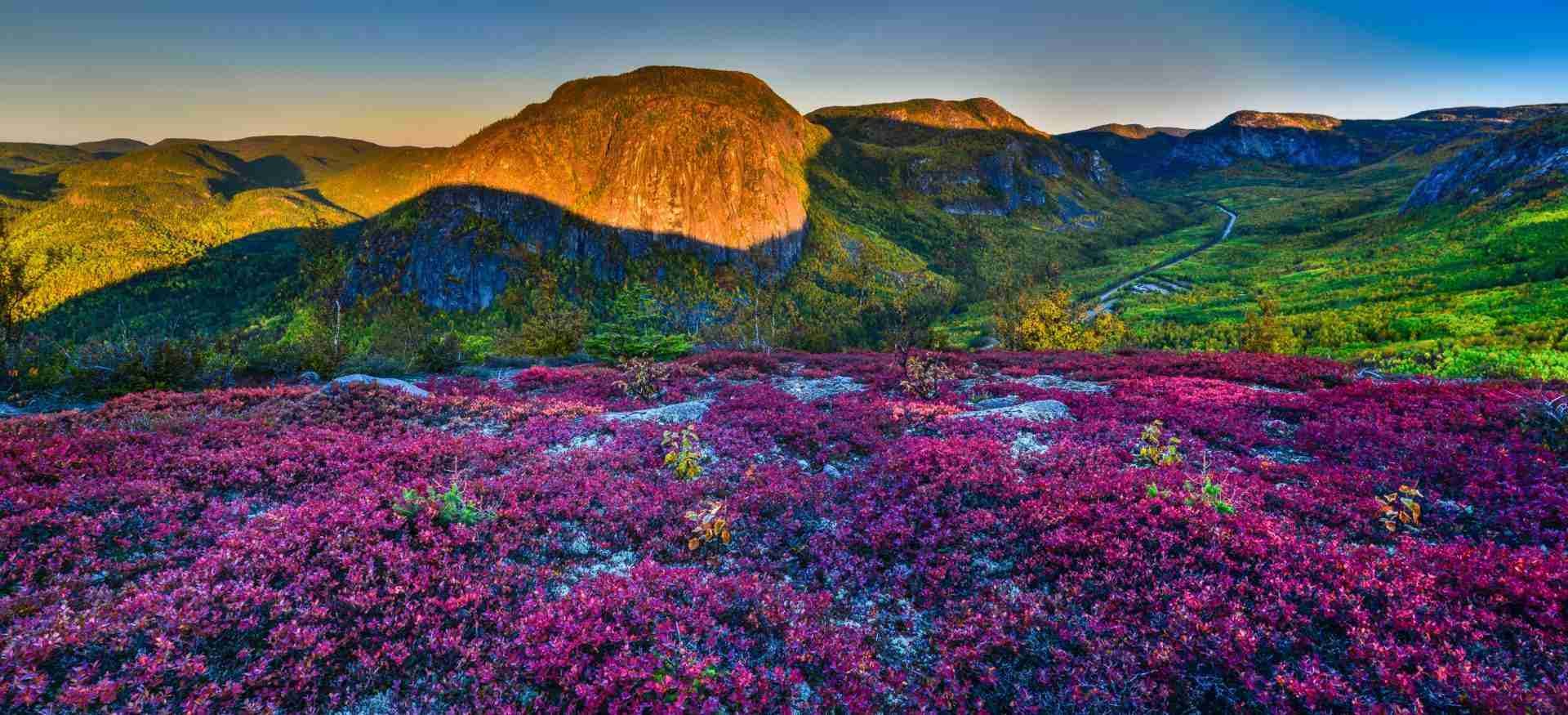
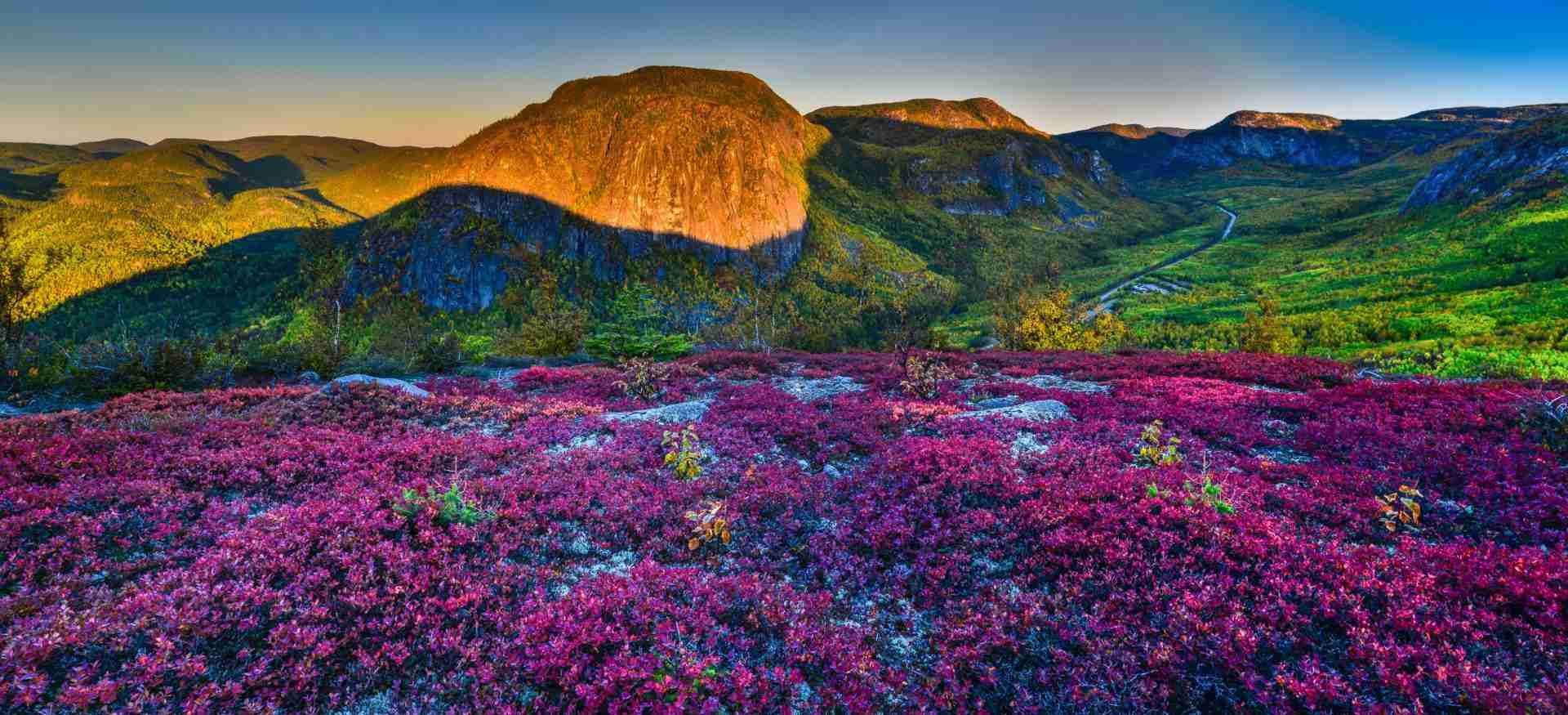
Grands-Jardins National Park in Quebec's Charlevoix region is a landscape of open skies, high plateaus, and dramatic northern light. Known for its boreal forest, glacial valleys, and rocky outcrops, the park gives photographers a chance to work with strong shapes, big skies, and shifting weather. From sweeping viewpoints along quiet trails to close-up textures in lichen-covered rock and windswept trees, this location offers the kind of rugged natural beauty that's best experienced slowly. Whether you're interested in mountain vistas, reflections in still lakes, or studying the textures of alpine terrain, Grands-Jardins has something to offer in every season.
Best Photography Opportunities
• Lac Arthabaska Reflections
: This quiet lake, surrounded by evergreens and smooth granite, is a great spot for reflection shots, especially in the early morning when the water is still. Try positioning yourself at the shoreline and using a wide-angle lens to capture both the foreground rocks and the tree line mirrored in the lake. Mist is common in spring and fall and adds an extra layer of atmosphere to your images. On calm days, the lake turns into a near-perfect mirror, and if you arrive just before sunrise, you can catch the changing light painting the clouds and peaks above.
• Mont du Lac des Cygnes Summit Views
: The hike to this summit is one of the most rewarding in the park. From the top, you can photograph the St. Lawrence River in the distance and the rolling hills of Charlevoix below. Use a telephoto lens to compress layers of ridgelines or switch to a wide-angle to emphasize the open sky and foreground boulders. Early or late light adds color and depth to this expansive scene. On clear days, the view stretches far beyond the park, and the rocky foreground adds texture and contrast to sweeping landscape shots.
• Taiga and Lichen Landscapes
: The high plateaus in Grands-Jardins feature taiga terrain and patterned ground covered with hardy plants and colorful lichen. These details are best photographed with a mid-range zoom to isolate textures and form simple, bold compositions. Cloudy skies work well here, enhancing surface detail without blowing out highlights. Spend time walking slowly through these areas—look for small trees growing out of cracks, color contrasts in the lichen, and signs of seasonal change like frost, berries, or dried grasses.
• Wildlife Along the Trails
: While not guaranteed, you might spot woodland caribou, moose, or foxes in quieter parts of the park. A telephoto lens is helpful for distant subjects, but even without wildlife, look for tracks in the mud, birds on the edge of ponds, or movement through the trees. Stay alert and move slowly. This is a place for observation and patience. You can also photograph the environment where wildlife live: grassy wetlands, animal trails, or areas where feeding has left marks on bark and undergrowth.
• Changing Skies and Stormy Weather
: One of the most striking features of this region is how quickly the light can change. Storm clouds rolling over granite ridges, rain passing in the distance, or sun breaking through the clouds all make for dynamic skies. These conditions are ideal for working with dramatic contrasts and wider compositions that include both landscape and atmosphere. Try bracketing exposures or using a graduated ND filter to keep detail in both sky and land, and wait for those fleeting moments when shafts of light cut through the clouds and light up a section of the valley.
Best Time to Visit
Spring and early summer bring green growth and clear views, while fall is all about color. The park's high elevation and open terrain mean that autumn arrives early, usually mid-September, with birch and mountain ash adding reds and yellows to the scene. This is also when mornings are coldest, which means better chances for fog or frost. Spring, particularly May and June, offers the freshest foliage and flowering alpine plants, which bring color to both wide and close-up compositions.
Late summer can be great for warm light and drier trails, making it easier to explore multiple viewpoints without the risk of mud or slick surfaces. This season also sees more consistent sunsets, often casting golden light across the plateaus. In winter, Grands-Jardins turns into a stark, snowy landscape with fewer visitors and a quieter atmosphere. If visiting in winter, be prepared for cold temperatures and limited trail access. Snowshoes or cross-country skis are sometimes necessary for getting to the best viewpoints, but the snow cover creates clean, minimal scenes that are excellent for graphic compositions.
Early morning and late afternoon offer the most interesting light, especially when the sun is low and skimming across the ridges. Weather in Grands-Jardins can change quickly, so pack layers and be ready for everything from clear skies to sudden storms. Overcast days are excellent for detail work and even lighting, while dramatic skies work best with open compositions. Wind can be a factor on the higher ridges, so consider using a sturdy tripod and watch for fast-moving clouds that can add a sense of motion to your images.
How to Get There
Grands-Jardins National Park is located near the town of Saint-Urbain, just over an hour's drive northeast of Quebec City. The park is part of the larger Charlevoix UNESCO Biosphere Reserve and is easy to reach by car along Route 138. There is a staffed entrance with a visitor center, where you can get trail maps and advice on current conditions.
Parking is available at major trailheads, including those for Lac Arthabaska and Mont du Lac des Cygnes. There is an entry fee for the park, but prices can vary by season. In the off-season, some facilities may be closed, but access is usually still possible.
Most of the main trails are clearly marked, and while some hikes are steep or rocky, others offer easy access to good shooting locations within a short walk from the parking area. Check trail reports online before your visit, especially in winter or after heavy rain.
Recommended Gear for Shooting in Northern Terrain
A wide-angle lens (16–35mm) is perfect for capturing open views, cloud formations, and lake reflections. A telephoto lens (70–200mm or longer) helps with picking out distant peaks, layers of hills, or wildlife. A mid-range zoom (24–70mm) gives flexibility for trail shots, foreground details, and quick changes in composition.
A tripod is useful for low light, long exposures, or working with reflections—especially in the early morning. A polarizing filter can deepen skies and remove glare from water or wet rocks, while ND filters are helpful for longer shutter speeds when shooting streams or clouds in motion.
Because of the changeable weather, waterproof gear and extra layers are essential. Keep a lens cloth handy for dealing with fog or moisture. Good hiking shoes or boots are important for rough, rocky paths, especially near viewpoints. If you're planning to stay out for sunset, pack a headlamp for the return hike.
Nearby Photography Locations
: Just north of Grands-Jardins, this park features steep cliffs, a winding river, and dramatic valley views. The Acropole des Draveurs trail is challenging but delivers unforgettable vistas.
: The scenic rail line that runs from Quebec City to La Malbaie offers sweeping views of the coastline and hills. Even photographing the train as it curves through the landscape can make for strong compositions.
: This small town near the park is full of colorful buildings, river scenes, and mountain views in the background. It's a good place to shoot village life with a natural backdrop.
: Located near the St. Lawrence River, this area is known for bird migrations, wetlands, and lowland marsh views. It's best in spring and fall when birds are most active.
: In winter, this ski area offers wide views over the St. Lawrence and frozen forests below. In summer and fall, the trails offer different perspectives of the region's mix of forest and cliffs.
Grands-Jardins National Park is a place where scale, weather, and detail all come together. Whether you're hiking to a mountaintop, waiting by a lake for fog to lift, or just exploring the textures underfoot, it's a place that rewards careful looking and flexible shooting. It's not about rushing to one shot—it's about taking your time and letting the land guide your eye.
Comments
Loading comments…