
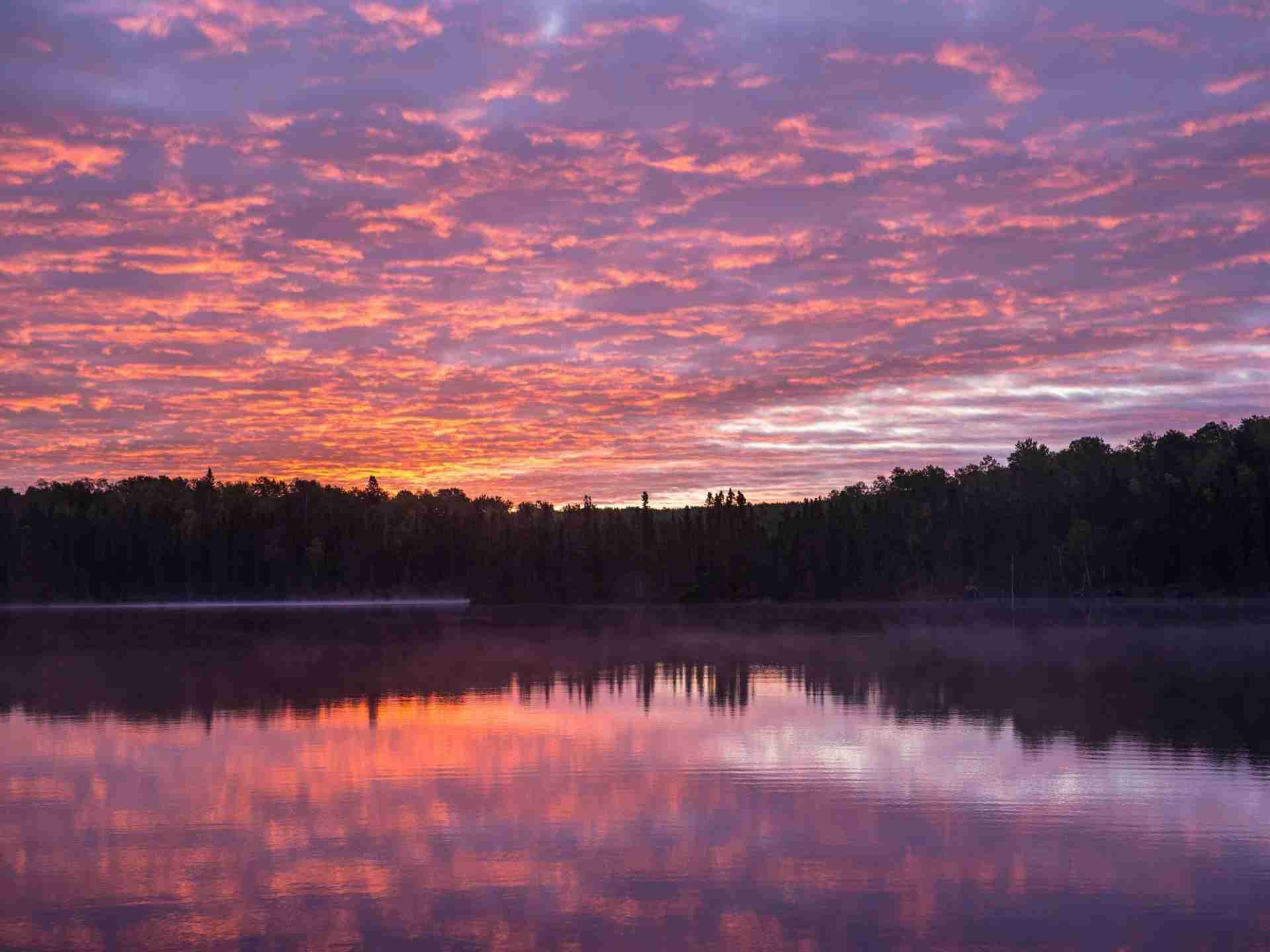
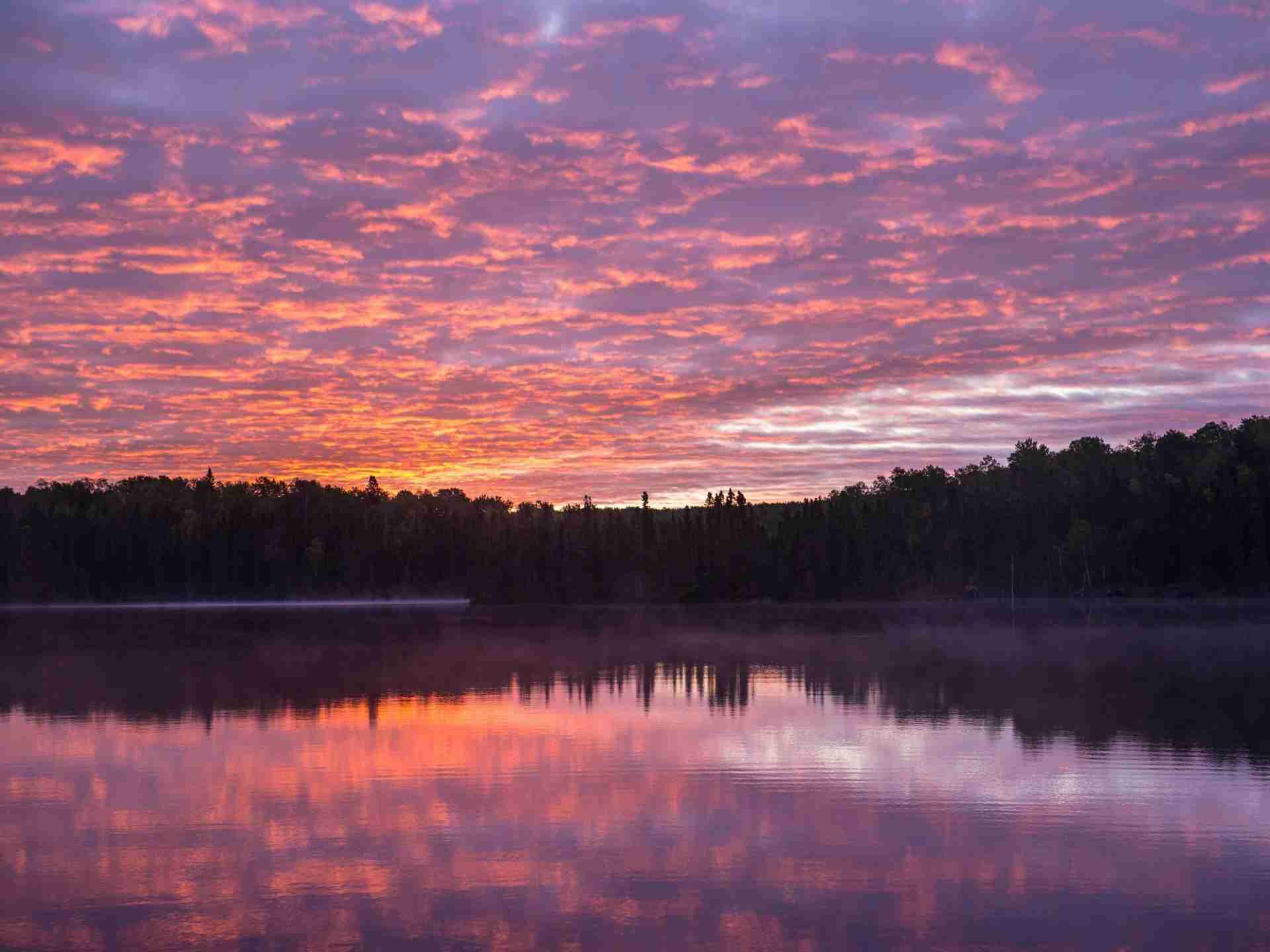
Lac Pal, La Tuque: Morning Boats and Pine Reflections in Northern Quebec
Hidden within the deep forests near La Tuque, Lac Pal is a quiet retreat for both anglers and landscape photographers. The lake is surrounded by thick pine trees that wrap around its still surface, forming a natural amphitheater of texture, line, and reflection. Pourvoirie Nemiskau, a small fishing lodge on the lake, adds rustic character to the shoreline and serves as a base for sunrise explorations. While primarily known for its early morning fishing boats, the lake's tranquil mood, rich atmospheric conditions, and mirror-perfect reflections make it a highly rewarding destination for photographers seeking peace and simplicity in the wilds of Quebec.
Best Photography Opportunities
• Fog-Laced Sunrise Reflections
The calm, glassy surface of Lac Pal becomes a canvas of subtle tones and dreamy atmospheres in the early morning. As overnight coolness gives way to dawn, mist begins to rise in soft layers across the lake. Arriving 30 to 45 minutes before sunrise ensures you'll be ready for the first blush of color above the treeline. A tripod-mounted 24–70mm lens lets you balance sky and reflection, while positioning low to the ground increases symmetry. Include natural elements like pine branches or lake grasses in the foreground to create visual layering. The key is patience—fog will drift and evolve, offering shifting compositions by the minute. Use bracketing to control exposure extremes and focus stacking if the light stays soft enough for multiple frames.
• Fishing Boat Activity and Lodge Ambience
The lake is a working environment in the early morning, and this creates an opportunity for a kind of visual storytelling that blends nature with subtle human presence. Boats set out across the lake, sometimes silhouetted against soft fog or golden sky. Use a 70–200mm or longer lens to compress the scene and capture candid moments from a respectful distance. Focus on hands tightening ropes, boots resting on dock planks, or the quiet rituals of launching a canoe. Shooting handheld gives you agility to move with the changing activity, but a monopod offers stability if you're staking out a known vantage. Try to balance human figures with compositional elements like the edge of the lodge roof, gear, or reflections, reinforcing their place in the surrounding nature rather than dominating it.
• Framing Through Pine Forest Texture
The pine forest surrounding Lac Pal isn't just a backdrop—it's an immersive compositional device. Get off the shoreline path and explore small clearings or ridgelines where you can use tree trunks as visual pillars or barriers to direct the viewer's eye. Use a 35mm prime for context or an 85mm for tighter frame control. Early light filtering through needles produces shafts of gold that dance across the forest floor, particularly when humidity or mist is still present. Look for scenes where the forest naturally parts to reveal a slice of lake water in the background. Shallow depth of field at f/2.8 adds softness to everything except the immediate point of interest—ideal for storytelling detail shots of bark, moss, or glistening dew. When snow or frost dusts the needles in colder months, switch to higher contrast black-and-white compositions for minimalist results.
• Autumn Color Banding and Reflection Symmetry
Autumn at Lac Pal is short-lived but visually rich. When the maples and birches ignite into color, you'll find that overlapping tree lines become a masterclass in compositional balance. Use a wide-angle lens (16–35mm) to exaggerate foreground elements—driftwood, pine cones, or partially submerged rocks—then allow the layers of color and reflection to occupy the rest of the frame. A circular polarizer not only cuts glare but also allows you to modulate the intensity of the reflection, giving you the option to reveal submerged textures beneath the surface. For high-resolution compositions, consider shooting a stitched panorama vertically, overlapping each exposure by at least 30%. During cloudier days, reflections become more saturated and abstract—perfect for painterly scenes that prioritize tone over detail.
• Evening Stillness and Long Exposure Minimalism
As dusk falls, Lac Pal empties out, and photographers have the perfect opportunity to distill the scene into pure shapes and color gradients. With the sun setting behind the forested horizon, the lake absorbs soft purple, peach, and slate-blue tones. Use a tripod, ND filters, and a shutter speed of 30 seconds or more to smooth out water movement and deepen sky reflection. Frame small objects like a log extending into the water or a dock at a diagonal angle to introduce structure. If clouds are moving, long exposures will stretch them into subtle streaks that complement the mirrored surface. Stick around past twilight to capture the first stars emerging—at this latitude, conditions are often clear enough for excellent star-to-water symmetry. Set your aperture wide and ISO moderately high, adjusting shutter length to freeze stars or intentionally blur them into trails.
Best Time to Visit
Lac Pal is best experienced in the fall, particularly from mid-September through early October, when the surrounding hardwood trees ignite into vivid autumn colors. Morning mist is common during this period thanks to cool overnight temperatures, and the interplay of fog, light, and reflection is at its most photogenic. Photographers looking to capture vibrant color bands reflected in the lake should aim for clear mornings with no wind, when the surface remains glass-like and ideal for symmetry. The stillness of early morning also means fewer boats and less surface disturbance, allowing for longer exposures and refined compositions.
Sunrise and the hour just after it are the most rewarding times to shoot, especially during autumn. Golden hour light slips gently across the forested slopes, casting soft gradients of shadow and color across the lake. This is also when fog is most likely to linger over the water. If you return in the evening, you'll find a different mood—cooler tones, rich dusk skies, and near-total silence as the lake clears of human activity. Blue hour and twilight long exposures are especially rewarding in this still and unspoiled environment.
Summer also offers rich opportunities, particularly for photographing human presence and daily activity around the lodge and shoreline. Greens are lush, skies are often clear, and fishing boats animate the water. However, high midday sun can be harsh, so prioritize morning and evening windows, or use cloud cover to soften contrast. Spring is transitional—buds on trees, cool hues, and quieter visitation make it ideal for contemplative shots with minimal human disruption. Wildflowers and emerging plant life also provide interesting foreground subjects.
Winter is less commonly visited but provides stark, graphic imagery. The lake may freeze completely, and snow blankets the forest, turning Lac Pal into a black-and-white study of shape and silence. With the right clothing, gear protection, and permission from the lodge, winter compositions can be some of the most unique. Battery management and fogging lenses become key technical challenges, but the payoff in mood and minimalism is significant.
How to Get There
Lac Pal is located near La Tuque in Quebec's Mauricie region. From La Tuque, head northeast via Route 155, then follow signage toward Pourvoirie Nemiskau. The fishing lodge operates as the primary point of access to the lake and provides accommodations, docks, and shoreline views ideal for photography.
Access to the lake itself may be limited to lodge guests, especially during the fishing season, so contact the Pourvoirie in advance to confirm entry. The roads into the area are gravel and may be rugged in wet conditions. There is no formal public access or public transport, so private vehicle travel is required. For more, visit the lodge's official site or reach out for permission.
Recommended Gear for Quiet Lakeside Shoots
Bring a versatile setup that can adapt to changing light, atmospheric shifts, and compositional opportunities across wide and telephoto ranges. A standard zoom like a 24–70mm f/2.8 is your workhorse for balanced compositions that include both shoreline foregrounds and expansive backgrounds. For wider environmental landscapes or dramatic symmetry across the lake's mirror-like surface, a 16–35mm wide-angle lens excels. If you're aiming to isolate moments—such as boats in fog, wildlife at a distance, or autumn tree lines compressed into layers—a 70–200mm or 100–400mm lens is essential. These longer lenses also allow you to remain unobtrusive when capturing people in the scene or subtle gestures at the lodge.
A rock-solid tripod is non-negotiable for misty mornings and low-light dusk sessions. Choose one with adjustable legs for uneven shoreline terrain, and consider using a geared head for precise composition alignment. ND filters in various strengths are key for achieving long exposures to flatten water or extend shutter speed during brighter hours. A circular polarizer is indispensable for cutting surface glare and enhancing sky or foliage tones, especially when photographing reflections. Pack both filters in weather-sealed cases to protect them from moisture and grit.
In addition to lenses and filters, bring a remote shutter release or intervalometer to minimize shake during long exposures. Extra batteries are a must—especially during early spring or late fall when cold temperatures can sap power quickly. A cleaning kit with lens cloths and a small air blower is helpful for managing condensation and airborne pollen.
Clothing should be chosen as carefully as your gear. Waterproof boots are essential for accessing the marshy shoreline and staying comfortable during dew-heavy mornings. Layered clothing allows you to adapt to the chilly dawn and warming midday temperatures. A lightweight waterproof outer shell will protect you and your gear bag during surprise rain or mist.
If you're planning extended shoots, consider packing a headlamp for pre-dawn setups, a thermos with hot coffee or tea for long waits, and a waterproof ground pad to kneel or lie on during low-angle compositions. For those focused on capturing twilight or astro conditions, a star tracker can open up even longer exposure options, while a power bank helps keep both camera and accessories charged in the field.
Nearby Photography Locations
• Rivière Saint-Maurice
: Flowing through La Tuque, this wide, scenic river offers forested banks, reflective water, and occasional misty sunrises—ideal for long-lens landscapes or minimalist water studies.
: A nearby waterfall park that combines dramatic cascades with forest views and rugged trails—great for long exposures and motion contrast.
• Lac Édouard
: Another peaceful lake east of Lac Pal, with multiple small islands and strong opportunities for both shoreline compositions and boat-based perspectives.
: A local elevated viewpoint offering sweeping views of the surrounding forest and water bodies, especially vibrant in autumn.
: A wilderness-controlled zone with deep woods, hidden lakes, and ample chances for wildlife or remote landscape photography in untouched terrain.
Lac Pal is a destination for photographers who enjoy the steady rhythm of a quiet shoreline, the softness of morning mist, and the rustic elegance of rural fishing life. For those willing to wake early and move slowly, the lake reveals moments of calm that feel timeless and deeply personal.
Comments
Loading comments…