
Lac Saint-Charles, Sainte-Émélie-de-l'Énergie: Mist, Pines, and Quiet Water in the Quebec Backcountry
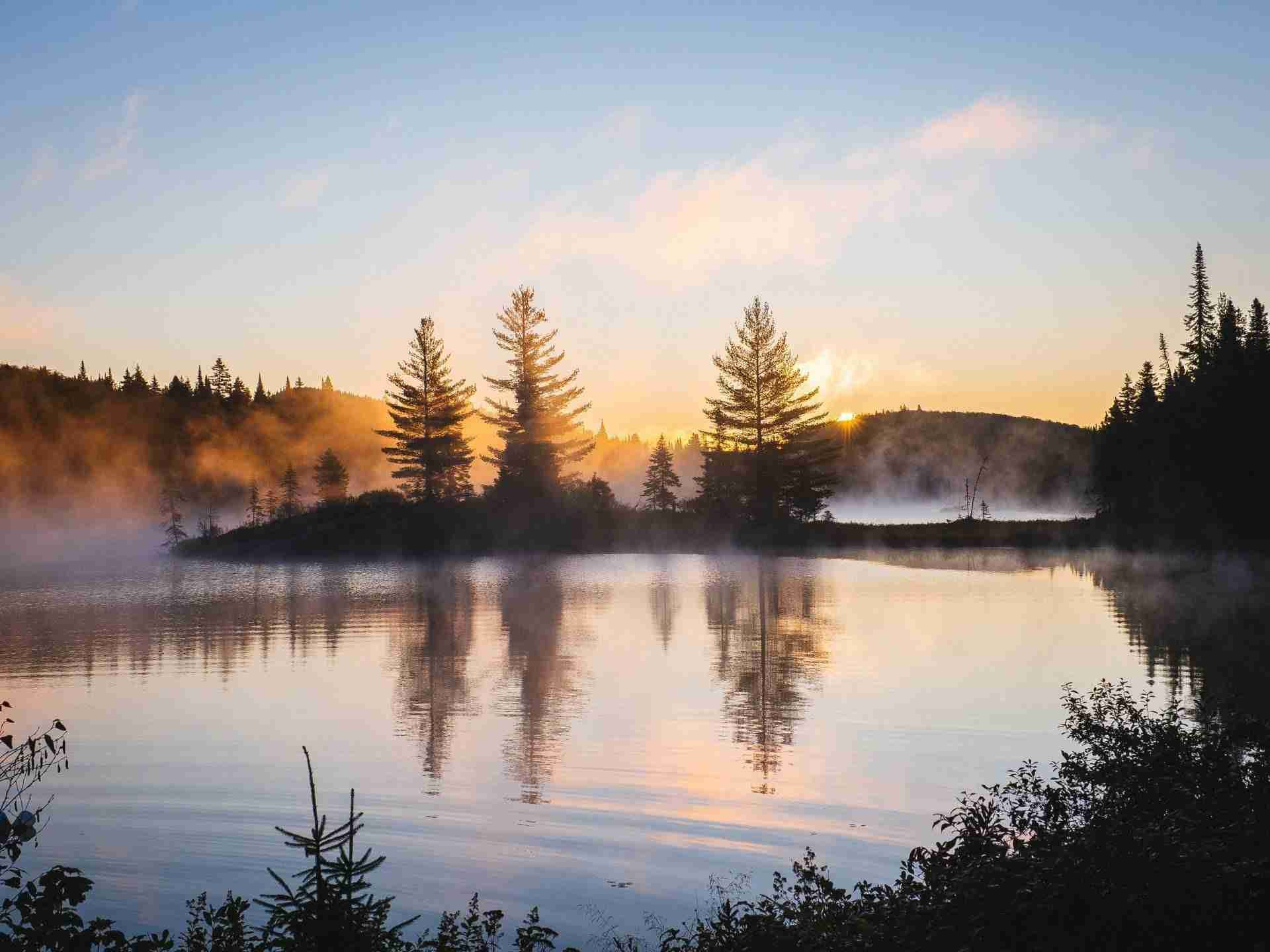
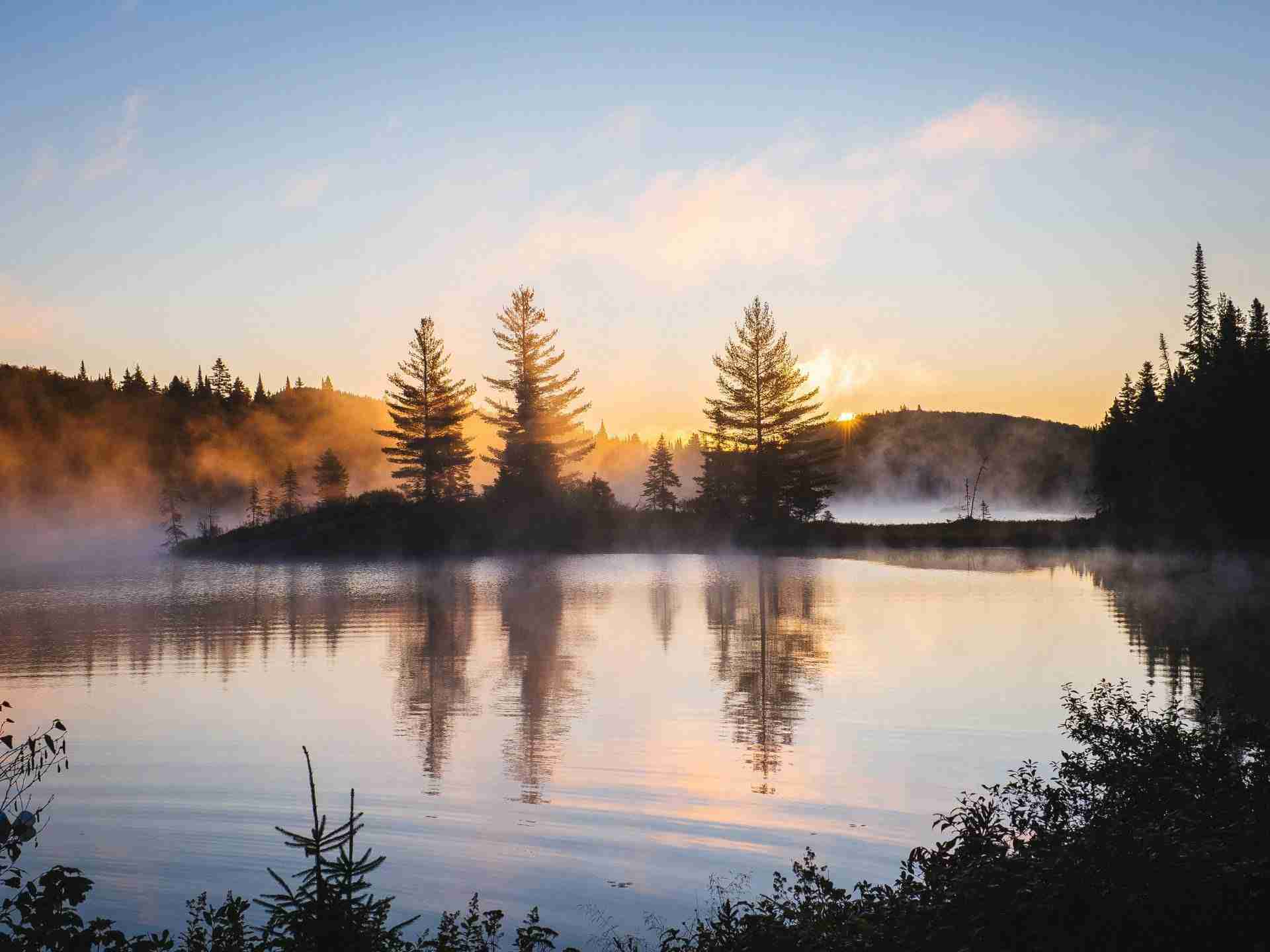
Tucked deep in the forested region of Sainte-Émélie-de-l'Énergie, Lac Saint-Charles is a peaceful rural lake best known for fishing retreats and the rustic charm of Pourvoirie Auberge La Barrière. But for photographers, its value lies in the soft layers of pine trees, glassy water, and seasonal atmospheric changes that transform it into a compelling natural canvas. The lake takes on a particularly haunting beauty during the early morning hours of autumn, when the rising mist rolls across the still surface and golden foliage begins to reflect along the shoreline. This is a space for slow, contemplative shooting—where small shifts in light and temperature define entire sessions.
Best Photography Opportunities
• Mist-Filled Lake Reflections at Sunrise
The most unforgettable scenes at Lac Saint-Charles often unfold in the first hour of light. When temperatures drop overnight, a morning mist blankets the water's surface, creating a dreamlike softness that seems to mute sound and suspend time. Set your tripod low near the shoreline to emphasize mirror-like reflections of the tree line and capture the transition from darkness to golden morning hue. A 24–70mm lens at f/8–f/11 delivers both foreground detail—such as reeds, weathered driftwood, or stones—and the ethereal gradient of trees fading into fog. Use a circular polarizer to control surface glare without eliminating the mist's character. Framing a distant canoe or bird gliding across the water adds narrative depth to these calm, atmospheric scenes. Visit multiple mornings in a row if possible, as fog patterns shift dramatically from day to day.
• Pine Forest Framing and Leading Lines
The thick pine forest that hugs the lake provides more than just a dramatic backdrop—it offers compositional opportunities with its natural symmetry and vertical lines. Use tree trunks as framing devices, placing them in the foreground to draw attention toward the water beyond. A 35mm or 50mm prime lens excels here, allowing for focused compositions without too much distortion. Try shooting at f/2.8–f/4 to isolate a patch of lichen-covered bark or forest floor textures while allowing the lake to softly blur in the background. Look for natural light shafts slicing through the trees in early morning, especially when mist lingers beyond the tree line. In fall, when sunlight catches the pine needles and scattered leaves, this setting becomes a rich tapestry of greens, browns, and golds that reward layered, multi-plane compositions.
• Fishing Boats and Rustic Activity as Human Element
During the fishing season, Lac Saint-Charles becomes animated with the presence of anglers in small boats, early morning dockside preparations, and the quiet bustle of lodge life. These fleeting human interactions are perfect for environmental storytelling. Use a 70–200mm telephoto to observe from a respectful distance, focusing on gesture—someone casting a line, adjusting an oar, or pouring coffee into a steaming cup. Composing with surrounding mist, water reflections, and shoreline vegetation enhances the visual layering. Include gear like tackle boxes or docked boats to add character and set a narrative tone. These human touches underscore the relationship between people and wilderness, offering scenes that feel authentic, quiet, and intimate without being staged.
• Autumn Color Reflections and Shoreline Textures
By late September, the surrounding deciduous trees burst into vibrant colors that peak during early to mid-October. These colors are doubled in effect when reflected on the lake's glassy surface during calm, sunny mornings. Use a wide-angle 16–35mm lens to capture expansive compositions that include both the forest canopy and its reflected twin, and try a low angle close to the water's edge to include foreground elements like leaves, driftwood, or shoreline stones. A mid-zoom like a 24–105mm provides flexibility in isolating vivid patches of color and abstracting them into painterly images. Employ an ND filter to smooth water texture during slightly breezy conditions, which transforms reflections into gentle gradients of hue. Consider returning at different times of day to watch how light rakes across the trees from changing angles—golden hour side light, in particular, brings out the full saturation of autumn tones.
• Twilight Silhouettes and Tranquil Long Exposures
Twilight at Lac Saint-Charles offers a profound stillness that invites minimalist, mood-rich compositions. As light fades, the lake surface transforms into a muted mirror that captures subtle sky color gradations—purples, deep blues, and pastel oranges. Use a tripod-mounted setup with a remote shutter or intervalometer to minimize shake. Try exposures of 15 to 30 seconds at ISO 100 and f/8 to flatten ripple texture and allow shadows to deepen naturally. Silhouetted subjects like a lone dock, a moored canoe, or a tree jutting into frame from the shoreline become graphic elements in these low-light landscapes. On clear evenings, linger into the blue hour and beyond to experiment with early astrophotography—stars begin to appear quickly in this remote location, and their reflections can add a delicate secondary layer to your image. Use manual focus and live view zoom to ensure pinpoint star sharpness.
Best Time to Visit
While Lac Saint-Charles is photogenic throughout the year, autumn holds a special place for photographers. From mid-September to late October, the lake is surrounded by explosive fall foliage, cool air temperatures that generate early morning mist, and lower sun angles that produce extended golden hour lighting. Mornings are essential—arrive before dawn to set up and watch the light slowly break over the treetops. Fog is most consistent during clear, chilly nights followed by calm mornings, and tends to dissipate within an hour of sunrise.
Summer is ideal for documenting human activity on the lake, such as fishing, canoeing, or dockside gatherings. The full canopy of pine and maple trees provides deep greens and high-contrast compositions under midday sun. Spring offers quieter water levels and budding vegetation, although trails can be muddy and insect activity is high. Winter is less accessible but has potential for stark, minimalist compositions if the lake freezes solid and the landscape is snow-covered. Just be aware that the roads into the area may not be maintained in heavy snow conditions.
Golden hour light in both morning and evening casts warm tones across the lake's eastern and western shores, creating side lighting that adds texture to trees and water surface alike. If shooting sunrise mist, be ready at least 30 minutes before first light. For sunset and twilight work, linger until civil twilight ends, as the lake's stillness holds color well past the horizon dip.
How to Get There
Lac Saint-Charles is located near Sainte-Émélie-de-l'Énergie in the Lanaudière region of Quebec. From Montreal, it's roughly a two-hour drive northeast via Autoroute 40 and Route 131. Once in Sainte-Émélie, follow signage to Pourvoirie Auberge La Barrière, the fishing lodge that serves as a primary access point for the lake. The lodge offers cabin accommodations and shoreline access that photographers can use with permission.
There is no public transportation to the site, so a private vehicle is essential. Gravel access roads can become rough in wet or snowy conditions, so plan accordingly. There is no formal entrance fee for the lake itself, but access through the lodge or its facilities may involve a small usage fee or prior arrangement, especially during busy fishing periods. For more information, visit www.aubergelabarriere.com.
Essential Gear for Mist and Stillness
Bring a flexible kit built for subtle light and quiet observation. A standard zoom like a 24–70mm f/2.8 is ideal for lakeside compositions, while a wide-angle 16–35mm captures expansive views of mist or treetops. A 70–200mm or longer telephoto is excellent for compressing shoreline layers or shooting human activity from a distance. Fast primes can be used for low-light or creative foreground separation during dawn or twilight.
Tripods are essential—misty morning conditions call for stability and precision in framing. A remote shutter or intervalometer will help avoid shake during long exposures. ND filters extend shutter time during brighter parts of the morning, and circular polarizers are invaluable for managing reflections and enhancing color. A lens cloth is critical due to condensation risk.
Wear waterproof boots for dewy shorelines and damp trail conditions. Insect repellent is a must in spring and summer. Bring extra batteries and cards, especially if you plan to shoot a sequence of light changes. For those staying at the lodge, a small travel light or headlamp is helpful for pre-dawn setups.
Nearby Photography Locations
: Located less than 30 minutes away, this park offers rugged forest trails, scenic lookouts, and cascading waterfalls—ideal for forest and long-exposure waterfall work.
• Rivière Noire
: A picturesque river winding through nearby valleys, perfect for slow shutter compositions with boulders, bridges, and lush surroundings.
: This small town has rustic charm, colorful homes, and an old church that can be used for small-town documentary work or architectural details.
: A larger wilderness area nearby that offers lakes, rivers, and boreal forest ecosystems with potential for wildlife photography and off-grid landscape shots.
• Lac Kaiagamac
: Another nearby fishing and photography destination known for its tranquil atmosphere and layered shoreline views—ideal for foggy mornings and blue hour stills.
Lac Saint-Charles is not about spectacle but subtlety. It's a location for photographers who appreciate the quiet transformation of light across still water, the geometry of trees mirrored in mist, and the peaceful cadence of the backcountry morning. With patience and presence, this rural lake yields profound photographic moments.
Comments
Loading comments…