
Marais de la Rivière aux Cerises, Magog: Wetlands, Boardwalks, and Avian Encounters in Every Frame
Marais de la Rivière aux Cerises, located in Magog, Quebec, is a nature photographer's sanctuary carved into the Eastern Townships. This 5.8-kilometer network of trails and boardwalks traverses a mosaic of marshland, wet forest, meadows, and open water, providing a diverse set of ecosystems that shift dramatically with the seasons. Its long wooden stilt bridge, sculptural observation tower, and extensive wildlife—particularly its thriving bird population—make this a setting where patient, detail-oriented shooters will find endless inspiration. From environmental portraits of great blue herons to wide-angle views of the fog-hugged marsh at dawn, this is where quiet observation turns into visual poetry.
Best Photography Opportunities
• Boardwalk Perspectives and Reflective Symmetry
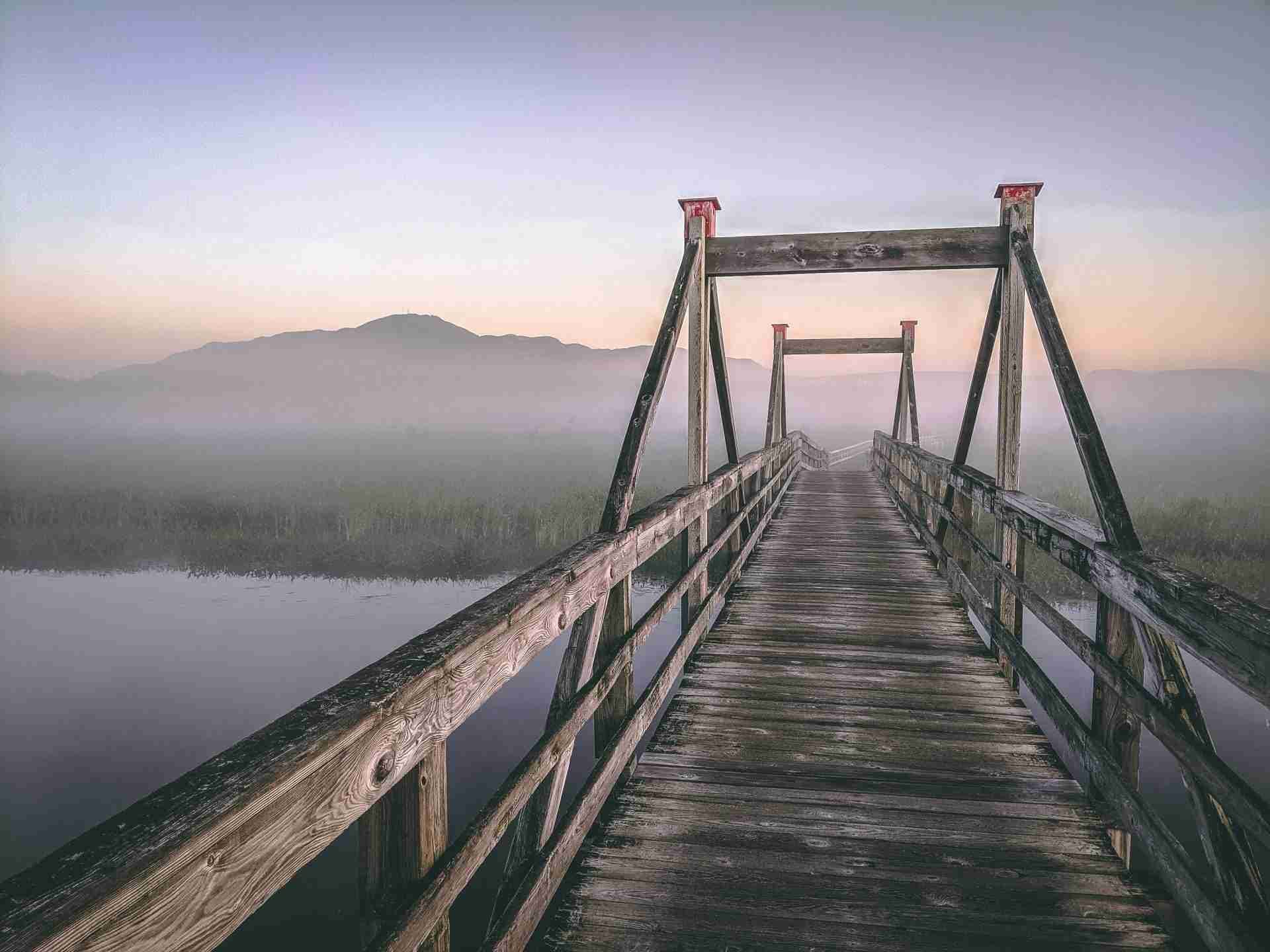
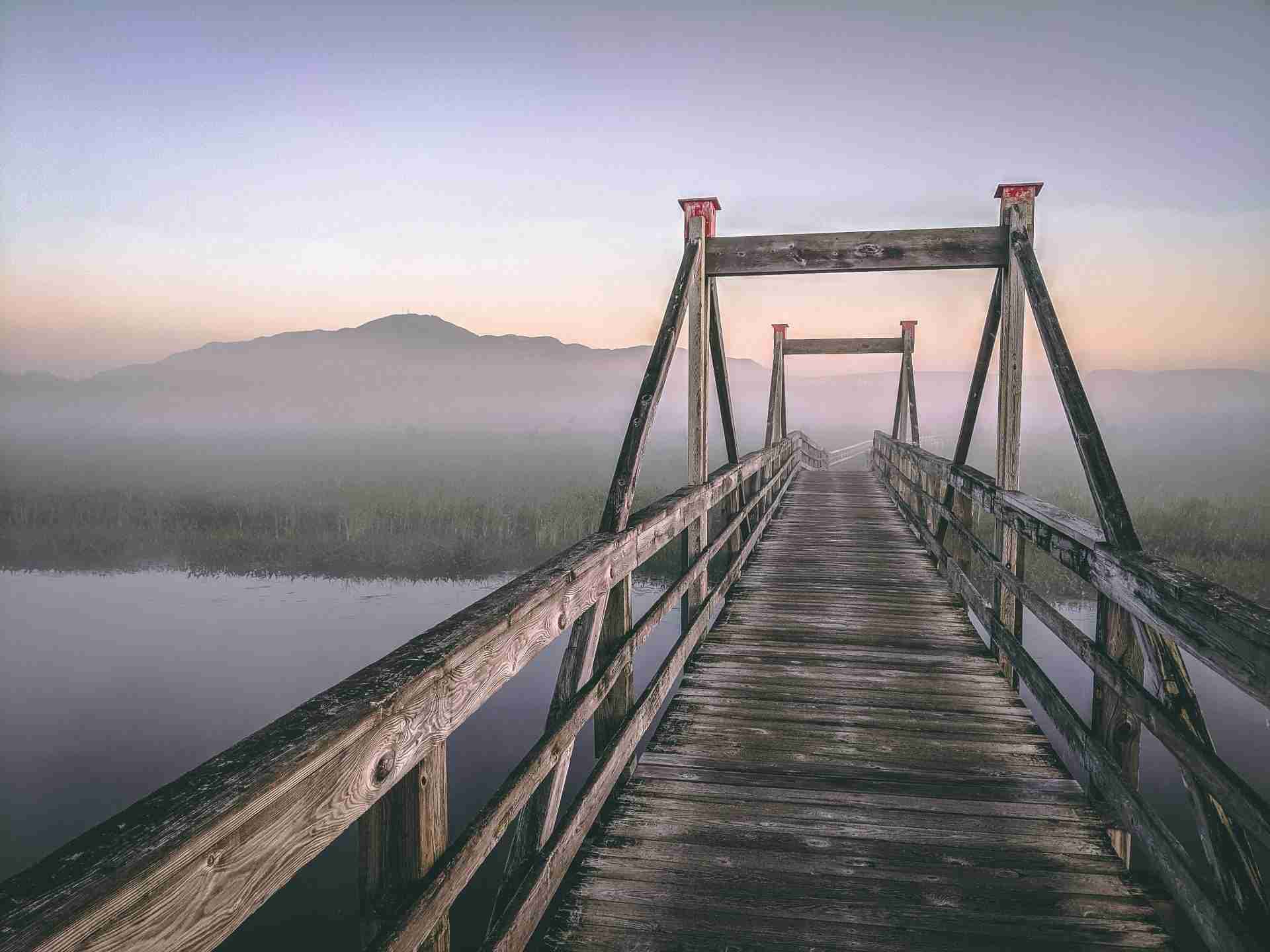
The wooden boardwalk that winds through the marshlands is one of the reserve's most visually compelling features. Stretching out in linear elegance, it invites leading-line compositions that pull the viewer into the frame. Shoot during early morning when the still water reflects the boardwalk's length and the reeds on either side stand tall in the dewy light. A 16–35mm wide-angle lens works well to exaggerate the perspective, especially when placed close to the surface for dramatic low-angle symmetry. This location is ideal for environmental storytelling—use the interplay between the natural lines and human elements like walkers, benches, or signage to create narrative depth. Incorporate soft mist or long shadows from early light to add dimension, and don't overlook overhead shots that highlight the boardwalk's curvature and transitions between habitats.
• Observation Tower and Landscape Compression
Climb the observation tower for a commanding view over the wetlands. This vantage point is ideal for long-lens landscape work—use a 70–200mm lens or longer to compress the winding boardwalk and waterways into layered abstracts. This perspective excels in late afternoon when the side lighting enhances texture on the water and vegetation. For minimalist compositions, aim for scenes where boardwalk, treeline, and sky form discrete visual bands, using negative space to your advantage. During fall, the tower allows you to create sweeping panoramic images that blend marshland with forest canopy in brilliant color gradations. A polarizing filter can help manage glare from the water surface and enrich color saturation during daylight hours. For time-lapse or high-resolution composites, bring a tripod and shoot overlapping exposures to blend in post.
• Bird Photography in Dynamic Habitat Zones
Marais de la Rivière aux Cerises supports an impressive diversity of bird species—from waterfowl like mallards and herons to forest-edge songbirds and migratory species depending on the season. Walk slowly and bring a 100–400mm lens (or longer) for responsive reach. Mornings offer more active feeding behavior, and bird calls echo through the reeds, helping you locate subjects before you see them. Use continuous autofocus with subject tracking and shoot at 1/1000s or faster to freeze wing movement. Soft morning or overcast light minimizes harsh shadows and helps preserve plumage detail. Utilize natural blinds such as overgrown reeds, signage, or the edges of observation decks to steady your shot and remain inconspicuous. Take advantage of repeating patterns—reeds, ripples, or flocks in flight—for more structured compositions. Seasonal returners like wood ducks or warblers offer recurring opportunities if you visit often.
• Long Wooden Stilt Bridge and Minimalist Geometry
One of the park's most photogenic structures, the long stilt bridge stretches across open marsh, offering compositions rich in geometry and contrast. Shoot low to the walkway with a wide lens and frame the support structures receding into fog or fading light. During golden hour or just after a rain, puddles form on the bridge, providing excellent opportunities for symmetrical reflections. Shoot at f/8–f/11 for maximum clarity and use live view or a remote trigger to fine-tune your framing. For dynamic framing, try shooting from beneath the bridge's entrance if accessible, capturing the understructure as it dissolves into vanishing lines. If the area is crowded, long exposures can blur pedestrian traffic into ghostly traces, adding atmosphere without distraction. Bring a cloth or lens wipe to manage humidity and condensation, especially after rain.
• Macro and Texture Studies in Seasonal Bloom
In spring and summer, the trail edges burst with wildflowers, mosses, and fungi—each offering tight compositional potential. Bring a macro lens (90mm or 100mm) and a ring light or reflector to manage light under canopy or at dawn. Shoot handheld with a high shutter speed to compensate for breeze-blown subjects, or use a mini-tripod for greater control. Search for dewdrops, spiderwebs, or insect interaction to add motion and life to your frames. Backlighting often brings out translucence in flower petals or insect wings. Beyond flowers, look closely at bark textures, decaying logs, and aquatic plant life along the boardwalk edges—this is a treasure trove of overlooked detail. Make use of extension tubes or close-up filters if you're traveling light. Try focus stacking in post if wind is low and your subject is stable, especially for fungi or lichen on still surfaces.
Best Time to Visit
Marais de la Rivière aux Cerises offers photographic potential year-round, but different seasons shape both its wildlife and visual textures. Spring is best for bird activity—songbirds and migratory waterfowl return in force, and the marsh blooms into vibrant color. Late April through June provides morning fog and soft ambient light perfect for long-lens bird photography or mood-rich landscapes. Summer brings lush greens, insects, and floral detail, rewarding macro photographers and those seeking dramatic, saturated color in golden hour light.
Autumn transforms the surrounding forest into a symphony of red, gold, and orange. Late September to mid-October is the best window for capturing foliage reflections in calm marsh waters and compressed color layers from the tower view. Fall also brings interesting cloud textures, cool mists, and strong lateral light that complements long-lens compositions. Winter offers its own charms—snow-covered boardwalks, frozen wetland surfaces, and subdued palettes of gray and white. Bundle up and bring spare batteries; cold temperatures will drain your gear quickly.
Mornings are universally ideal for light quality and wildlife activity. Plan to arrive at or just before sunrise to capture fog lifting off the marsh, soft raking light across reeds, and the first flutters of bird movement. Sunset can be equally beautiful, particularly on clear days when the light drops behind the mountain ridges to the west. Midday is useful for macro work in shaded areas but less optimal for large landscapes due to high contrast and flat light.
How to Get There
Marais de la Rivière aux Cerises is located on Chemin Roy in Magog, just minutes from downtown and a short drive from Lake Memphremagog. From Autoroute 10, take Exit 115 and follow signs toward downtown Magog. The reserve is well signposted and includes a dedicated parking area with trailhead access. The site is free to access year-round and is maintained by a local conservation group.
Once inside the reserve, trails are well-marked and easy to navigate. The terrain is mostly flat, with some sections on gravel and others on elevated boardwalks. The observation tower is located about halfway through the loop. It's a popular stop for birders and photographers, so arrive early if you prefer a quieter setup. No permits are needed for photography, but be mindful of nesting areas and avoid off-trail excursions that could damage sensitive habitat.
Recommended Gear for Wetland Versatility
To make the most of this varied landscape, pack a kit that covers wide to long focal lengths. A 16–35mm wide-angle lens is ideal for boardwalks, sky reflections, and immersive habitat shots. A midrange zoom like a 24–105mm is perfect for capturing layered scenes from the observation tower or environmental portraits of wildlife in context. A long telephoto (100–400mm or 150–600mm) is essential for bird photography, particularly in early morning light when activity peaks.
For macro work, bring a dedicated macro lens and a lightweight diffuser or small LED to control light in close quarters. A tripod with adjustable legs is helpful for low perspectives on boardwalks or shoreline mud. A polarizing filter helps cut glare on the water and deepen sky or foliage tones. In colder months, pack extra batteries and lens wipes to combat condensation. A rain cover or weather-sealed gear is recommended year-round due to high humidity and marsh-level mist.
Footwear is key—waterproof hiking shoes or rubber boots will let you navigate muddy edges without hesitation. Dress in layers, bring insect repellent in spring and summer, and carry a lightweight pack with snacks and water if you plan to shoot for several hours. Binoculars are also handy for spotting birds before switching to your long lens.
Nearby Photography Locations
: Just minutes from the marsh, this vast lake offers sweeping views, sailboat silhouettes, and beautiful sunset color reflected across still water.
: A short drive away, this park provides forested mountain vistas, alpine trails, and additional birding opportunities in more elevated terrain.
: Located along the lake in Magog, it combines landscaped green space, open water, and a distant view of Mont-Orford for sunrise or late-afternoon compositions.
: A lesser-known vantage point within the same wetland system, this spot offers wide views with fewer visitors—ideal for tranquil landscapes.
: For a change of pace, explore brick-lined streets and heritage buildings that make excellent subjects for architectural and detail photography.
Marais de la Rivière aux Cerises rewards the photographer who takes their time—walking slowly, listening carefully, and returning often. With its mix of ecosystems, wildlife, and structure, it invites not just images, but a full sensory engagement with one of southern Quebec's most photogenic wetland preserves.
Comments
Loading comments…