
Weathered Wood and Golden Fields: Photographing the Old Barn on Ch d'Aylmer
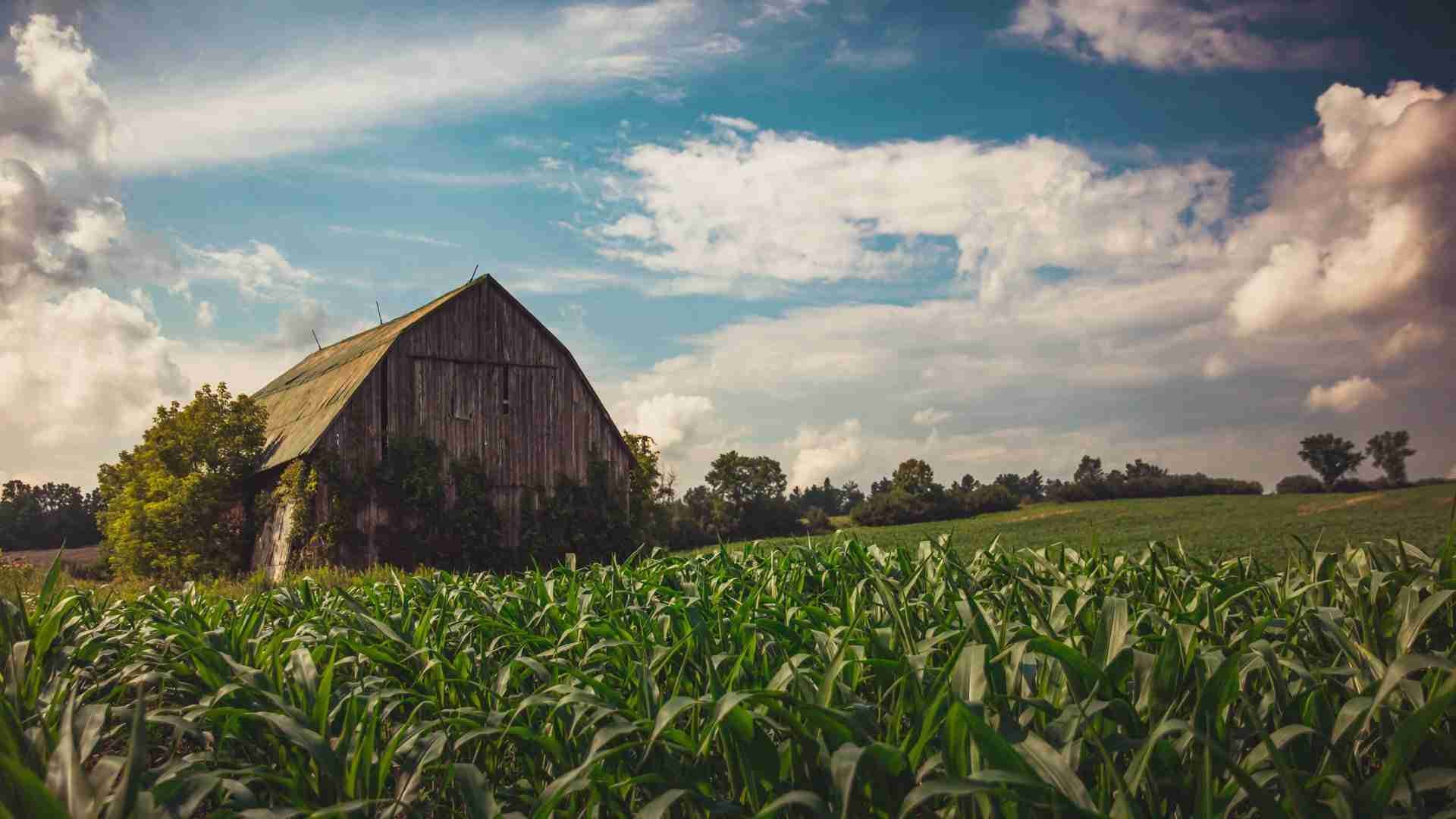
Located just off the quiet Ch d'Aylmer road in Bristol, Quebec, this weathered old barn is a rewarding subject for anyone drawn to rural landscapes, countryside history, and the beauty of simple structures. Sitting alone in a wide cornfield and backed by gentle hills, the barn shows its age through faded wood and a slightly leaning frame, but it still stands strong. Weathered by years of exposure to the elements, the barn's surface has developed a textured, worn appearance that reflects its long history and photographs beautifully in different light and seasons.
Best Photography Opportunities
• Front-Facing View from Ch d'Aylmer
: The barn is easily photographed from the roadside, which provides a view across the cornfield. Use a mid-range zoom to frame the entire structure with the horizon and distant hills behind it. If you're there in late summer or early autumn, the tall corn stalks create a rich foreground that adds texture and leads the viewer's eye toward the barn. The weathered wood and simple lines make a strong focal point against a soft sky—especially in the early morning when fog might cling to the fields or during sunset when golden light touches every surface.
• Side Angles to Highlight Character
: Walk a short distance along the road to shift your angle and show more of the barn's angles. This works especially well with a wider lens (24–35mm), allowing you to take in the field while highlighting the structure's slightly leaning posture. These angles are perfect for low, crouched shots where you let rows of corn fill the foreground. The barn's age adds character without looking abandoned, and this perspective brings out its charm against the open sky.
• Silhouettes and Backlighting at Sunset
: On clear evenings, the barn turns into a striking silhouette. Position yourself between the barn and the sun just before it dips below the horizon. A small aperture (like f/16) can create a sunstar effect as light peeks around the edges of the structure. The silhouette emphasizes the barn's shape and adds a sense of calm. To enhance mood, try underexposing slightly to deepen shadows and preserve the warmth of the sky.
• Seasonal Shifts and Textural Close-Ups
: Return during different times of year to photograph seasonal contrasts—bare soil in spring, green crops in early summer, golden fields in late summer, and snow-covered stubble in winter. These changing elements offer an evolving frame around the barn. Use a longer lens or a macro setting to capture close-ups of specific textures—faded boards, rusted hinges, or grasses brushing the barn wall. This approach helps create a set of images that tell the story of the barn through changing time and weather.
• Stormy Skies and Moody Atmosphere
: When weather moves in, the barn becomes a strong subject under dramatic skies. Overcast light brings out detail and softens the wood tones, while darker clouds or light rain can add mood without overwhelming the scene. A tripod and graduated ND filter can help balance exposure between land and sky. These conditions work well in both color and black-and-white, letting you play with contrast and tone to express the barn's quiet resilience.
Best Time to Visit
Golden hour, just after sunrise or before sunset, is ideal for photographing this location. At these times, warm light sweeps across the cornfield and paints the barn in soft amber tones, accentuating both color and texture. Early morning often brings mist or dew, which adds atmosphere and a quiet, untouched quality to the scene.
Late summer and early fall are the most photogenic times of year, with tall corn surrounding the barn and leaves in the distance beginning to shift color. Spring can be striking too, especially when new green growth contrasts with the gray wood. Winter, while more stark, offers strong minimalist compositions with the barn isolated against snow-covered fields and sharp light.
Avoid photographing during mid-day when the sun is high and shadows are short; it tends to flatten the scene and wash out detail in the barn's surface. Overcast days, however, can be excellent for detail work and capturing the barn's textures without the interference of glare or contrasty shadows.
How to Get There
The barn is located along Chemin d'Aylmer in Bristol, Quebec, between Ch d'Elmside and Chem Wharf. This stretch of road winds gently through farmland, and the barn comes into view in a wide cornfield with no nearby buildings. It's an easy drive from Gatineau, and there's enough shoulder space along the road to safely pull over and photograph without interfering with traffic.
The barn sits on private agricultural land, it's best to remain at the roadside or seek permission if you plan to walk closer into the field. Most photographers capture it effectively from the road without needing to trespass.
Recommended Gear for Rural Barn Photography
This is a spot where simplicity works best. A DSLR or mirrorless camera with a wide-to-mid zoom (24–70mm) will cover most compositions, from close texture details to wider contextual shots. A longer lens (70–200mm) is helpful for compressing the barn against the backdrop of hills or isolating parts of the building that are otherwise hard to reach.
A sturdy tripod is recommended, especially if you're working in low light during blue hour or using longer exposures for creative effect. A circular polarizer can cut through glare and deepen color in the sky or the cornfield, particularly after rain. Graduated ND filters are useful when skies are bright but you want to preserve detail in the foreground.
Also bring a microfiber cloth and lens hood—dust, pollen, and changing weather can all affect your lens surface quickly. If you're shooting close-ups, consider a macro lens or extension tubes to get fine detail in wood grain, rust, or textures on the barn's surface. Don't forget insect repellent in summer and warm gloves if you're shooting this location in winter—it's an open field with very little shelter from the elements.
Nearby Photography Locations
• Norway Bay Waterfront
: Just a short drive west, the quiet shoreline of Norway Bay offers wide river views, driftwood, and reflective water at sunset. It's a peaceful contrast to the barn's pastoral tone and works well for soft twilight scenes.
: This small rise offers an elevated view over rural farmland and distant forests, especially colorful in the fall. Great for sunrise and foggy morning panoramas.
• St. Matthew's Church in Bristol
: A simple, well-kept historic church with classic white wood siding and a small cemetery. The clean lines and peaceful setting lend themselves to minimalist compositions.
: Located near Fort-Coulonge, about an hour northwest, this wooden covered bridge is one of Quebec's longest and most picturesque. Ideal for structural photography, symmetry, and rural atmosphere.
: A natural park featuring waterfalls, forest trails, and suspension bridges. Great for action, water motion, and nature-focused photography in a woodland setting.
This old barn on Ch d'Aylmer isn't just a rural structure—it's a place where texture, light, and landscape come together in quiet harmony. With its aged wood, changing seasonal backdrop, and simple silhouette, it offers photographers a place to slow down, observe, and return to over time as the scene naturally evolves.
Comments
Loading comments…