
Old Québec: Cobblestone Streets and Historic Views in the Heart of Quebec City
Old Québec, the historic district of Quebec City, is one of the most photogenic urban environments in Canada. With its narrow cobblestone streets, 17th-century buildings, fortified walls, and hillside views overlooking the St. Lawrence River, this UNESCO World Heritage site blends old-world charm with vibrant, everyday street life. Photographers will find an abundance of texture, color, and architectural details throughout the district. Whether you're shooting grand landmarks or intimate side alleys, the district's timeless atmosphere creates opportunities for meaningful and visually rich images across seasons and light conditions.
Best Photography Opportunities
• Château Frontenac from Dufferin Terrace
: This grand hotel, perched above the river on Cap Diamant, is one of the most recognizable buildings in Canada. From Dufferin Terrace, you can frame the Château against the river or include the boardwalk and distant ferry movement to add context and motion. Sunrise and sunset provide soft side light that warms the stone façade, while nighttime shooting allows you to capture the hotel's illuminated outline with city lights below. Consider incorporating street performers or passing pedestrians into your composition to add scale and narrative. In winter, snow-covered rooftops and lamplight create a cozy, storybook mood that works beautifully in long exposures.
• Petit-Champlain District Details
: This small neighborhood at the base of the cliff is a favorite for its narrow lanes, colorful facades, and old-style signs. Early morning is best for soft light and fewer people. Use a mid-range lens to focus on window displays, balconies with flowers, or the angles where staircases meet rooftops. During winter, snow adds quiet beauty to the streets, while in summer, vibrant floral arrangements and patio scenes bring color and life. Explore around every corner—each bend in the path offers different framing opportunities and little surprises like murals, fountains, or vintage storefronts.
• City Walls and Gates
: Old Québec is surrounded by fortified walls with preserved gates like Porte Saint-Jean and Porte Saint-Louis. These historic structures offer framing opportunities and layered views; especially when you shoot from inside the walls looking outward or vice versa. Look for strong shadows and repeating patterns in the stonework to guide your compositions. The gates are also ideal for photographing during the blue hour, when warm streetlights contrast against the cool ambient sky. Try capturing passing people, bicycles, or carriages moving through the gates to animate your frame with a sense of motion and time.
• Rue du Trésor and Side Alley Scenes
: Artists selling their work along Rue du Trésor and quiet alleys branching off from main streets are excellent for capturing the charm of the old city at a smaller scale. These scenes benefit from overcast light or shade, which allows painted shutters, worn textures, and soft colors to stand out. Try working with vertical compositions to highlight height and narrowness. Include human elements, shoppers browsing artwork or locals walking pets, to create a sense of lived-in authenticity. These alleys change character with the seasons, so take your time and revisit the same locations for different moods and light.
• Panoramic Views from the Citadel and Upper Town
: The elevated areas near the Citadel provide sweeping views over the rooftops and toward the river. These spots are best at sunrise or blue hour when warm light or cool tones settle over the city. A wide-angle lens helps capture the full scene, while a telephoto lens can pick out ships on the river or architectural details on distant buildings. Use foreground elements like stone walls, statues, or trees to add depth and context. This is also a great area to experiment with time-lapse or longer exposures as the city transitions from day to night, especially during winter when lighting conditions change quickly.
Best Time to Visit
Old Québec offers year-round photography opportunities, each season adding its own visual appeal. Spring brings melting snow, blooming planters, and a sense of awakening in the streets. Summer sees the city at its liveliest, with street performers, outdoor markets, and long daylight hours that allow for extended shooting.
Fall brings a golden hue to the trees and cooler light that complements the stone and brickwork. The contrast between autumn foliage and the historic buildings is especially striking in parks like Parc Montmorency or along the city's upper walls. Early morning fog is also common and adds atmosphere to wide scenes.
Winter transforms the district into a storybook setting. Snow on rooftops and lamp-lit streets create quiet, reflective compositions. Events like the Carnaval de Québec add festive lighting and costumes, offering color in an otherwise muted environment.
Lighting is best in the golden hours of morning and evening. Midday can still work well in shaded alleys or when shooting details. Weather changes quickly near the river, so carrying protective gear and extra layers is recommended.
How to Get There
Old Québec is located in the heart of Quebec City and is easily accessible on foot, by car, or via public transit. For those arriving by car, there are several parking garages nearby, including those under City Hall or near the Old Port. Once inside the walls, most photography spots are walkable, though some involve climbing hills or stairs.
From Jean Lesage International Airport, Old Québec is a 20-minute drive. Public buses run frequently from other parts of the city, with stops at key locations such as Gare du Palais or Place d'Armes. The funicular between Upper and Lower Town offers not only convenience but also a brief photographic vantage point as it ascends.
There is no cost to enter Old Québec itself, though some museums or interior landmarks may charge admission. Most streets, lookouts, and architectural sites are free to access and open year-round.
Recommended Gear for Urban Heritage Photography
A mid-range zoom lens (24–70mm) is ideal for capturing buildings, street scenes, and details without needing to change lenses often. A wide-angle lens (16–35mm) is useful for tight alleys, interior courtyards, and large plazas where you want to fit more of the scene into your frame. A telephoto lens (70–200mm) helps isolate spires, signs, and people in the distance, or compress layers across rooftops.
A lightweight tripod is helpful for low-light shooting, especially during blue hour or nighttime exposures of lit buildings. A polarizer can help cut reflections on windows and add contrast to skies and architectural textures. If you plan to shoot during events or street performances, bring a fast lens (f/2.8 or wider) to freeze motion in varying light.
Good walking shoes are a must, as the cobblestone streets and hills can be uneven. A weather-resistant camera bag and a lens cloth come in handy during snowy or damp conditions. Keep your gear light and accessible so you can respond quickly to fleeting street moments or changes in light.
Nearby Photography Locations
: This historic battlefield, now a large city park, offers wide open space and views back toward Old Québec. It's ideal for landscape compositions with architectural elements on the skyline.
• Old Port and Bassin Louise
: Down by the river, this area features boats, reflections, and industrial textures. It's especially photogenic at dusk, when lights begin to glow across the marina.
• Place Royale
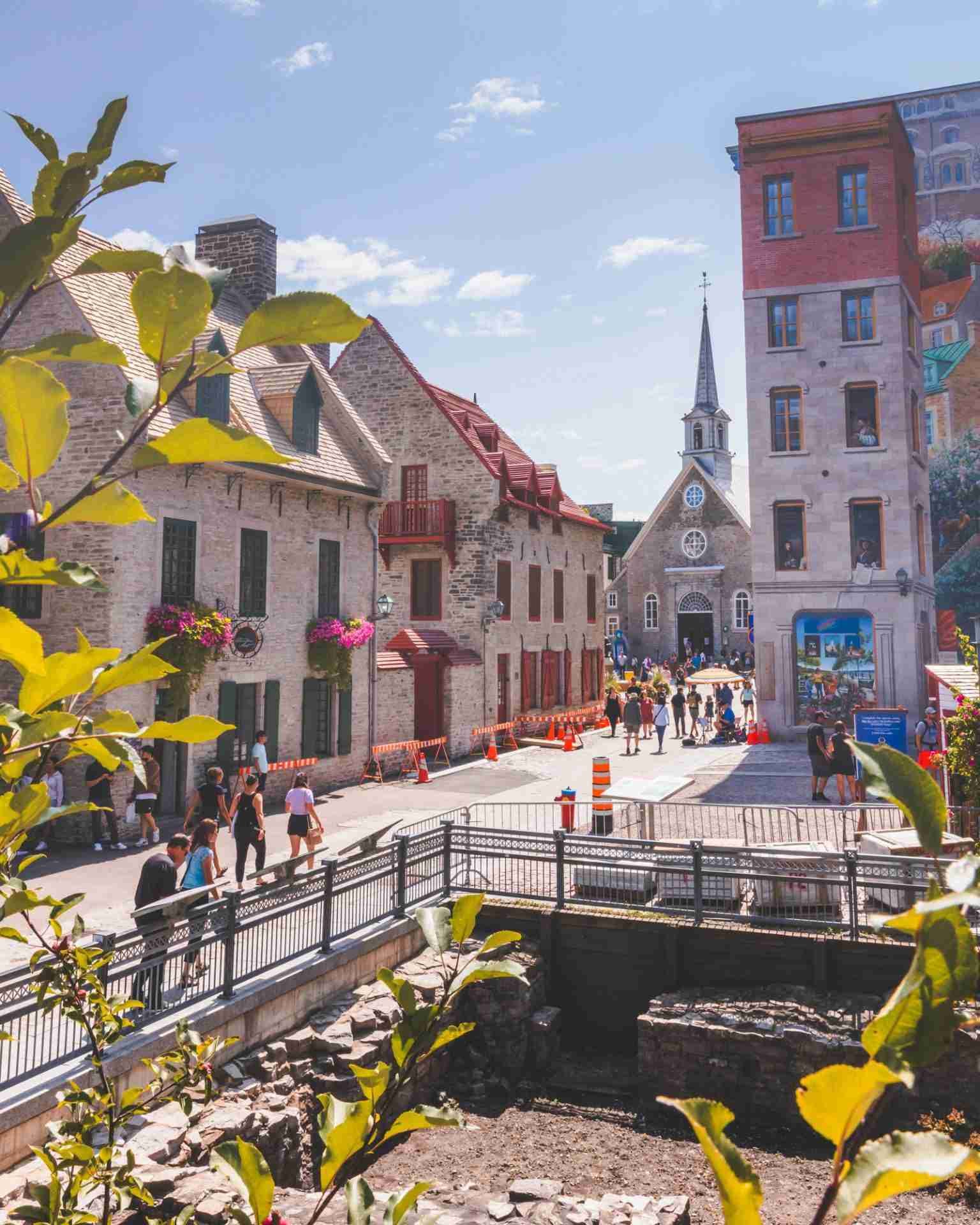
: This compact square in Lower Town is one of the oldest parts of the city and offers cobblestones, stone churches, and street-level charm that's great for both wide and tight compositions.
: A lively commercial street just outside the walls, filled with storefronts, cafés, and colorful signs. Great for capturing local life, especially in early evening or during festivals.
: For a full view over the entire city, this indoor observation deck offers a high vantage point. It's a good option for panoramic shots or studying how the old and new parts of the city fit together.
Photographing Old Québec is like stepping into a living history book. The textures, curves, and changing light create an endless variety of visual stories waiting to be told. Whether you're working with grand views or small details, this timeless neighborhood offers one of the richest urban photography experiences in Canada.
Comments
Loading comments…