
Parc national de la Jacques-Cartier: Forest Trails and River Valleys in Central Quebec
Parc National de la Jacques-Cartier is one of Quebec's most scenic natural areas, known for its steep-sided valleys, winding rivers, and dense boreal forest. Located just outside Quebec City in Stoneham-et-Tewkesbury, the park offers photographers a chance to explore quiet forest trails, rushing water, and high lookouts that open onto sweeping views of the Jacques-Cartier River. The contrast between the wooded slopes and the calm or turbulent river below provides a strong foundation for both wide landscapes and detailed nature photography. It's a place where natural beauty is easy to find, but rewarding to revisit again and again.
Best Photography Opportunities
• Jacques-Cartier River from the Valley Floor
: The river is the heart of the park, and there are many places where it widens or narrows dramatically. Early morning light often hits the water while the cliffs remain shaded, giving you a natural contrast that works well in both color and black-and-white. Reflections, mist, and slow-moving sections provide strong opportunities for mirror-like images. Use a polarizer to cut glare and bring out riverbed detail. In the spring, the river can swell with runoff, adding more movement and texture to wide shots. Try composing with rocks or vegetation in the foreground to build layers and guide the viewer's eye along the water.
• Lookouts from Les Loups Trail
: One of the most popular trails in the park, Les Loups offers two major lookouts over the valley and river below. These spots are perfect for shooting at sunrise or late afternoon, when side light defines the folds of the landscape. Bring a wide-angle lens to capture the scale of the valley, and consider using a mid-range zoom to compress ridges and highlight distant forest textures. On misty mornings, the view transforms into a scene of drifting fog and fading layers, which can be captured well with longer focal lengths. Look for opportunities to include silhouetted trees, winding rivers, and changing skies in the same frame.
• Fall Foliage from the Bridges
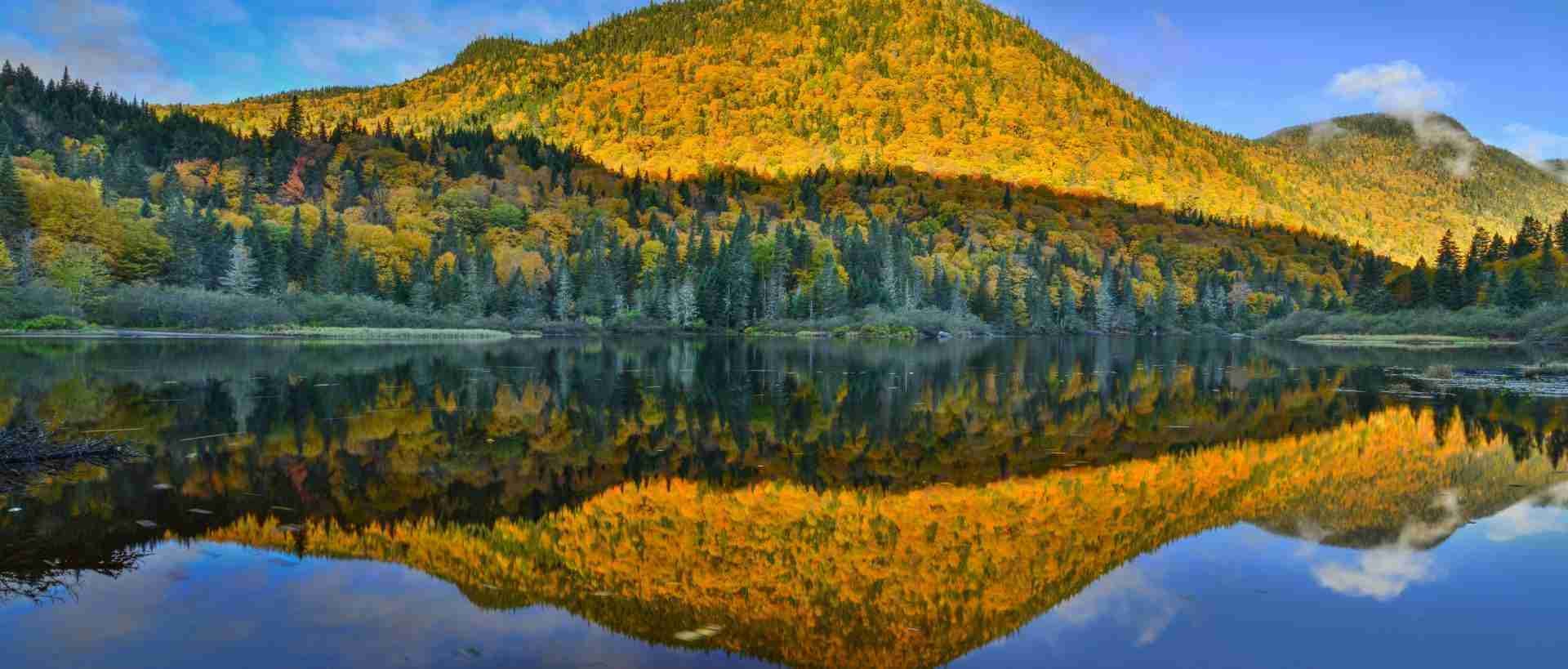
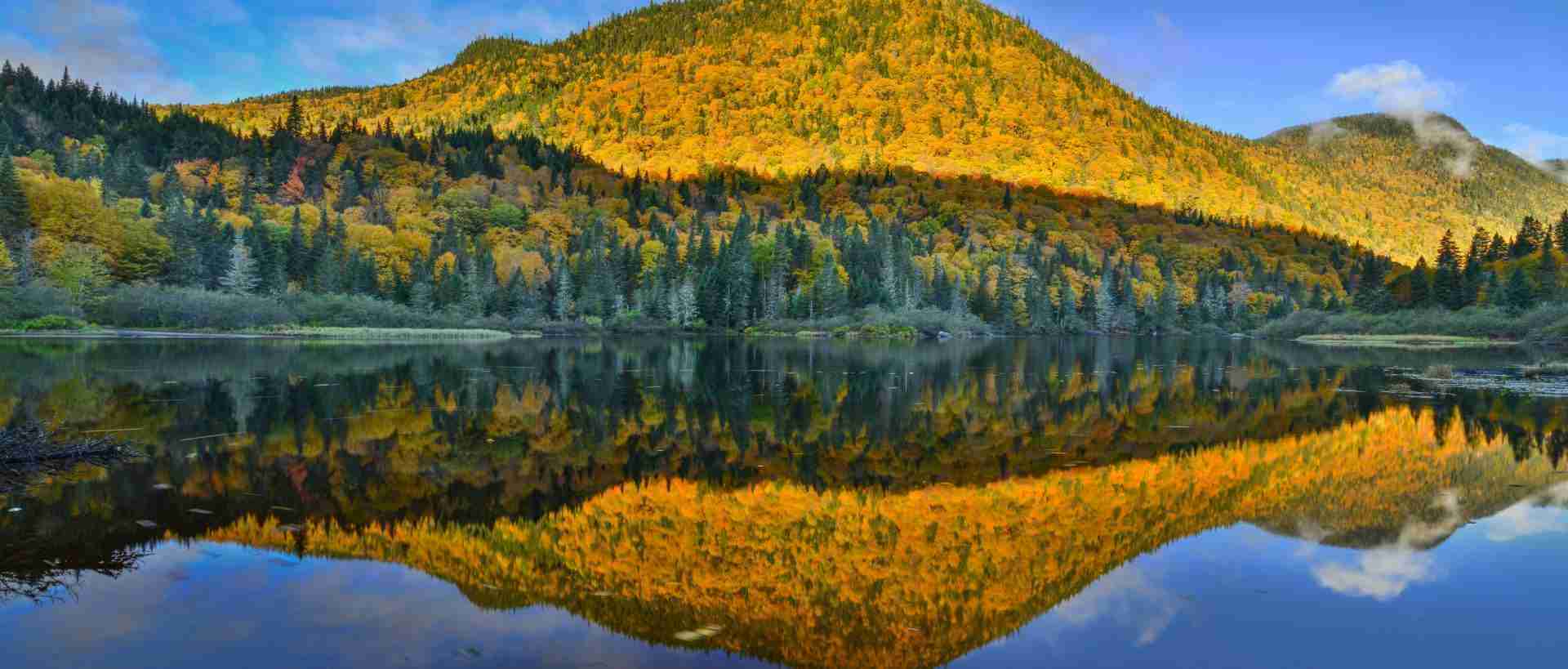
: Several footbridges cross the river, giving you low and symmetrical views that are especially beautiful in autumn. Use a centered composition to emphasize reflections and vertical symmetry, or move slightly off-center to guide the viewer's eye downstream. Peak color typically arrives in late September and early October. Try different vantage points on either side of the bridge to find leading lines from the railing or surrounding trees. A telephoto lens can help isolate tight patches of color or capture leaves drifting on the water's surface.
• Riverside Forest Trails
: Many of the park's trails run close to the river or through old forest with exposed roots, moss, and filtered light. These quieter locations are excellent for slow, thoughtful compositions. Look for patches of light, small clearings, and trail curves to anchor your image. Overcast days work best for this type of photography, letting you show the full texture of bark and ground cover. Use a tripod to stabilize your camera and take time exploring vertical compositions to emphasize the height of the trees. Seasonal changes like spring blossoms, summer green, or early frost offer different moods to work with.
• Wildlife and Bird Photography
: While wildlife sightings aren't guaranteed, the park is home to moose, deer, beaver, and a variety of birds. Early morning and twilight are the best times for spotting animals, particularly in quieter areas away from the main trailheads. A telephoto lens with image stabilization will help with handheld shooting in low light, especially near wetlands or the edges of the river. Look for signs of activity, disturbed grass, animal tracks, or chew marks on trees, that can hint at the presence of nearby animals. Bird photography is especially rewarding near marshy areas and ponds where reflections and layered vegetation provide natural framing.
Best Time to Visit
Parc National de la Jacques-Cartier is open year-round, and each season offers something different for photographers. Spring brings rushing water, melting snow, and the first green shoots of the season, especially in late April and May. Water levels tend to be high at this time, creating powerful river scenes and small waterfalls, while early wildflowers and fresh greenery add soft color to the forest floor. It's also one of the quieter seasons, making it easier to explore the trails with fewer visitors.
Summer features long days, warm light, and easier access to trails and lookout points. This is a great time for river photography when water levels are steady and forest paths are dry. The dense tree canopy provides dappled light and relief from the heat, which can be especially useful for softer, shaded compositions. Wildlife activity is more common around dawn and dusk, and golden hour light brings out warm tones in the landscape.
Fall is arguably the most photogenic time of year, when maple and birch trees turn the valley into a patchwork of orange, red, and gold. Late September through early October is typically the peak for color, and the mix of clear mornings and low fog makes for excellent atmospheric conditions. It's a good time to revisit the same locations under changing light and weather for a variety of looks. Reflections in the river are particularly striking when framed with fall foliage.
Winter brings a completely different look with frozen streams, snow-covered trees, and clean, quiet trails for snowshoeing and cross-country skiing. Soft side light and fresh snowfall can create beautiful high-contrast scenes, and trails like Les Loups remain open to offer clear views over the snow-covered valley. If you're prepared for the cold and lower light levels, winter is ideal for minimalist compositions and peaceful scenes where color gives way to tone and texture.
Golden hour light works especially well in this park, as it highlights the shape of the valley and the river's curves. Overcast days are best for photographing in the forest, where even lighting helps reveal texture in bark, moss, and leaf litter. Weather can shift quickly in the mountains, so come prepared with extra layers and always check trail conditions before heading out.
How to Get There
Parc National de la Jacques-Cartier is located about 30 to 40 minutes north of Quebec City. From downtown, take Autoroute 73 north, then follow Route 175 toward Stoneham and the park entrance. Signs for the park are clearly marked, and the road is open year-round.
There is a staffed entrance with a welcome center, where you can get trail maps and information on weather, wildlife, and trail conditions. There is an entry fee to access the park, and prices vary depending on the season and any additional activities. Parking is available at several trailheads, including those for Les Loups and Le Draveur trails.
Public transportation does not reach the park directly, so a private vehicle is recommended. Most trails are accessible from the main road, and many scenic spots can be reached with only short hikes, making it a good option for quick day trips as well as extended visits.
Recommended Gear for Shooting in Forested River Valleys
A wide-angle lens (16–35mm) is perfect for valley views, lookouts, and river scenes. For detail work or wildlife photography, a telephoto lens (100–400mm) is ideal, especially when shooting from a distance or in low light. A mid-range zoom (24–70mm) offers flexibility and is useful on trails when you want to travel light but still capture a range of subjects.
Bring a tripod if you plan to shoot long exposures of the river or work in low light near dawn or dusk. A polarizing filter is useful for cutting glare on water and enhancing the contrast between leaves and sky. If you're shooting reflections, make sure to adjust your angle to avoid unwanted highlights and get the clearest mirror effect.
Because many of the best shots are along trails or riverbanks, good waterproof hiking boots are recommended. Keep a microfiber cloth handy to wipe moisture off your lens, especially if you're shooting in mist or light rain. A small waterproof cover for your camera can also be helpful in unpredictable weather.
Nearby Photography Locations
• Montmorency Falls
: Located just outside Quebec City, this tall and powerful waterfall offers dynamic water shots and elevated viewpoints. A suspension bridge and stairs provide multiple angles.
: A rural island in the St. Lawrence River known for rolling farmland, small villages, and views of Quebec City in the distance. Ideal for wide-angle landscapes and seasonal color.
: A short drive from the park, this quiet lake is good for sunrise reflections and foggy morning compositions. The surrounding hills offer excellent autumn color.
: In winter, this nearby resort provides snowy slopes and mountain views, especially at sunrise or after a fresh snowfall. Some trails offer views toward Jacques-Cartier Park's higher ridges.
• Valcartier Ice Hotel and Village Vacances
: In winter, the nearby ice hotel and snow park offer unique opportunities for creative compositions involving sculpted ice, lights, and winter textures.
Parc national de la Jacques-Cartier is a great place for photographers who enjoy forest light, moving water, and quiet exploration. Whether you're walking along the river or looking out over the valley from a high trail, the park gives you plenty of ways to capture Quebec's natural character in every season.
Comments
Loading comments…