
Parc national du Bic: Tides, Wildlife, and Coastal Light in Quebec's Bas-Saint-Laurent
Parc national du Bic, located just west of Rimouski along the southern edge of the St. Lawrence River, offers photographers a rich variety of coastal scenery and natural textures. The park's distinct geography is marked by rugged headlands, tranquil bays, forested trails, and scattered offshore islands, provides striking backdrops for both grand landscapes and intimate nature shots. Tides, weather, and light shift constantly here, transforming scenes by the hour. Wildlife is abundant, and the park's accessibility makes it easy to explore a range of subjects within a compact area. For those interested in the wild character of Quebec's riverfront, Parc du Bic delivers some of the most engaging views in the province.
Best Photography Opportunities
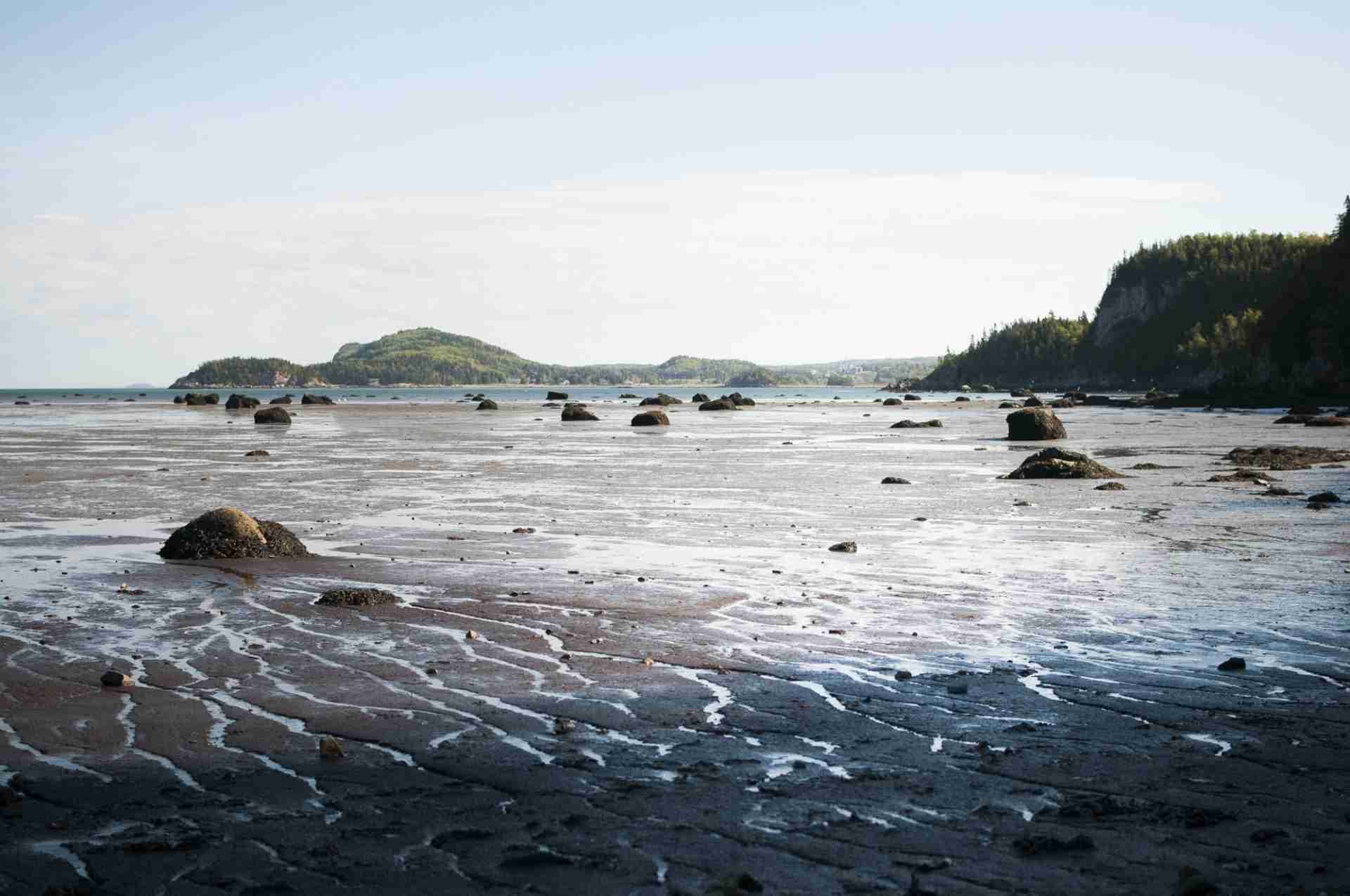
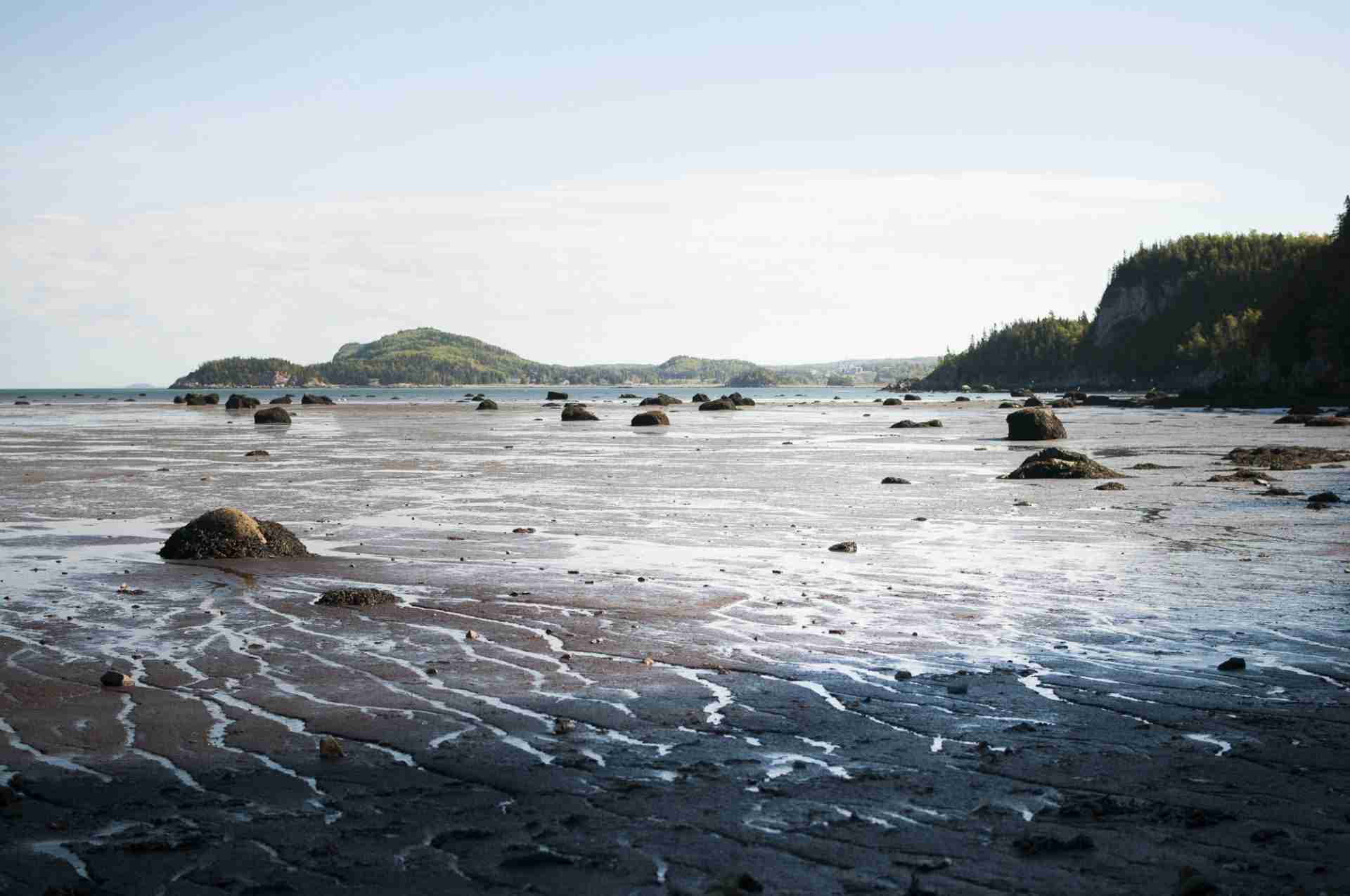
• Cap à l'Orignal at Low Tide
: This rocky headland is best photographed when the tide is out, revealing tidal pools, seaweed-covered rocks, and mirror-like puddles that reflect the sky. Early morning light casts long shadows and gives the shoreline a subtle glow. Look for patterns in the retreating water and use foreground texture to anchor wide compositions. Tripod users can experiment with long exposures to soften any wave motion that persists.
• Île aux Amours and the Coastal Islands
: These small islands are scattered just offshore and shift in appearance depending on tide height and fog conditions. During sunset, the light often silhouettes the trees and rocks, creating striking silhouettes. Use a telephoto lens from the shoreline or elevated lookouts to frame these islands against the golden water. Low tide may also allow partial access to sandbars or extended foregrounds with natural curves.
• Seal Observation Points
: Parc du Bic is known for its resident seal population, which often lounges on exposed rocks near the shore. These animals are best viewed with a telephoto lens (300mm or longer) from designated observation areas. Photographing seals requires patience and respect so please keep a low profile and avoid sudden movement. Early morning or late afternoon is best when the light is softer and less likely to produce glare off the water.
• Forest Trails and Lookouts
: Inland, several trails wind through thick forest and climb to high points like Pic Champlain, where panoramic views stretch over the river and coastal inlets. Overcast days are excellent for forest shots, revealing mossy textures and allowing even lighting throughout the frame. From the lookouts, use a wide-angle lens and include foreground trees or boulders to create a sense of scale and depth.
• Reflections and Mood at Anse à l'Orignal
: This quiet cove is protected from wind and often provides clear, calm water perfect for capturing reflections. Sunset and blue hour are ideal here, when warm tones settle across the bay and distant cliffs take on a pastel glow. Photographers can explore different angles by walking along the shoreline or stepping out onto flat rock outcroppings. A polarizing filter can help fine-tune surface reflections and deepen color contrast.
Best Time to Visit
Parc national du Bic is a year-round destination, but spring through fall offers the most accessible conditions for photographers. In spring, tides are especially dynamic and bring migratory birds and bursts of fresh green growth to the forest floor. Seals also become more active, and the rocky coastline is often clear of snow, giving you full access to many shoreline trails.
Summer brings long daylight hours and rich golden light in the evenings. It's a popular time for visitors, but early mornings remain peaceful and provide soft conditions for landscape work. Morning fog is common and adds atmosphere to wide shots or wildlife portraits. Wildflowers and dense foliage also make for vibrant forest compositions.
Autumn is particularly photogenic, with warm colors in the hardwoods and crisp, clear skies over the river. Tides tend to be calmer, and the lower angle of the sun creates longer-lasting golden hour light. This is one of the best times to capture balanced scenes with clean reflections and bold contrasts between land and sky.
Winter is quiet and beautiful, but access to certain parts of the park may be limited by snow and ice. Photographers willing to snowshoe or ski into the backcountry can capture frozen shoreline features, snowy cliffs, and the stillness of a subarctic coastal landscape.
Tide schedules greatly affect shooting opportunities at Parc du Bic. Plan ahead by checking tide tables before your visit, especially if you're hoping to photograph tide pools, sandbars, or coastal wildlife.
How to Get There
Parc national du Bic is located about 15 kilometers west of Rimouski in the Bas-Saint-Laurent region of Quebec. If you're driving from Rimouski, take Route 132 west along the river until you see the clearly marked signs for the park entrance. The route offers scenic views and several pull-offs for spontaneous shots along the St. Lawrence River.
There is a staffed entrance with a visitor center that provides maps, tide information, and current trail conditions. Entry fees apply, with prices depending on the season and any additional activities you plan to include. Parking is available at multiple trailheads and scenic pullouts throughout the park. While there is no public transportation directly to the park, it is easily reachable by car or bike from Rimouski.
The main areas of the park, Cap à l'Orignal, Île aux Amours viewpoints, and Pic Champlain trail, are all reachable with short hikes or walks, making it convenient for day-trippers and serious photographers alike.
Recommended Gear for Riverfront and Coastal Photography
A wide-angle lens (16–35mm) is ideal for shooting dramatic shorelines, coves, and cliffs, especially during sunrise and sunset. A telephoto lens (100–400mm) is a must for photographing wildlife like seals and birds from a safe distance. A mid-range zoom (24–70mm) offers versatility when moving between forested trails and open vistas.
Tripods are highly recommended for long exposures of water movement, low-light forest compositions, and blue hour scenes. A polarizing filter helps manage glare off water and boosts saturation in skies and foliage. A neutral density filter can help you create smooth, dreamy effects in moving water during bright conditions.
Because you'll be near water and potentially navigating slick rocks or tidal areas, waterproof footwear and a sturdy camera bag are essential. A lightweight rain cover for your camera can be helpful in case of sudden changes in weather. Don't forget a lens cloth—salt spray and mist can build up quickly when you're shooting near the shoreline.
Nearby Photography Locations
: Located just east of the park, this waterfront area features lighthouses, boats, and boardwalk scenes that glow beautifully at golden hour. Ideal for reflections, architectural lines, and a change of pace from natural scenes.
: Home to the Empress of Ireland Museum and a towering lighthouse, this nearby location adds a human element to coastal photography. It's especially dramatic in stormy or overcast weather.
: A small coastal town with beach access, colorful homes, and scenic fishing boats. Perfect for a slower afternoon of street-style photography with a maritime twist.
: Accessible via seasonal ferry service, this island group offers a remote setting with birdwatching opportunities, dramatic cliffs, and a sense of isolation that's excellent for wide, moody compositions.
: Inland from Rimouski, this dramatic gorge features waterfalls, hiking trails, and suspended footbridges that create bold visual elements against the surrounding forest.
Comments
Loading comments…