
Pont Couvert Grandchamp: Photographing a Timeless Wooden Bridge in Rural Québec
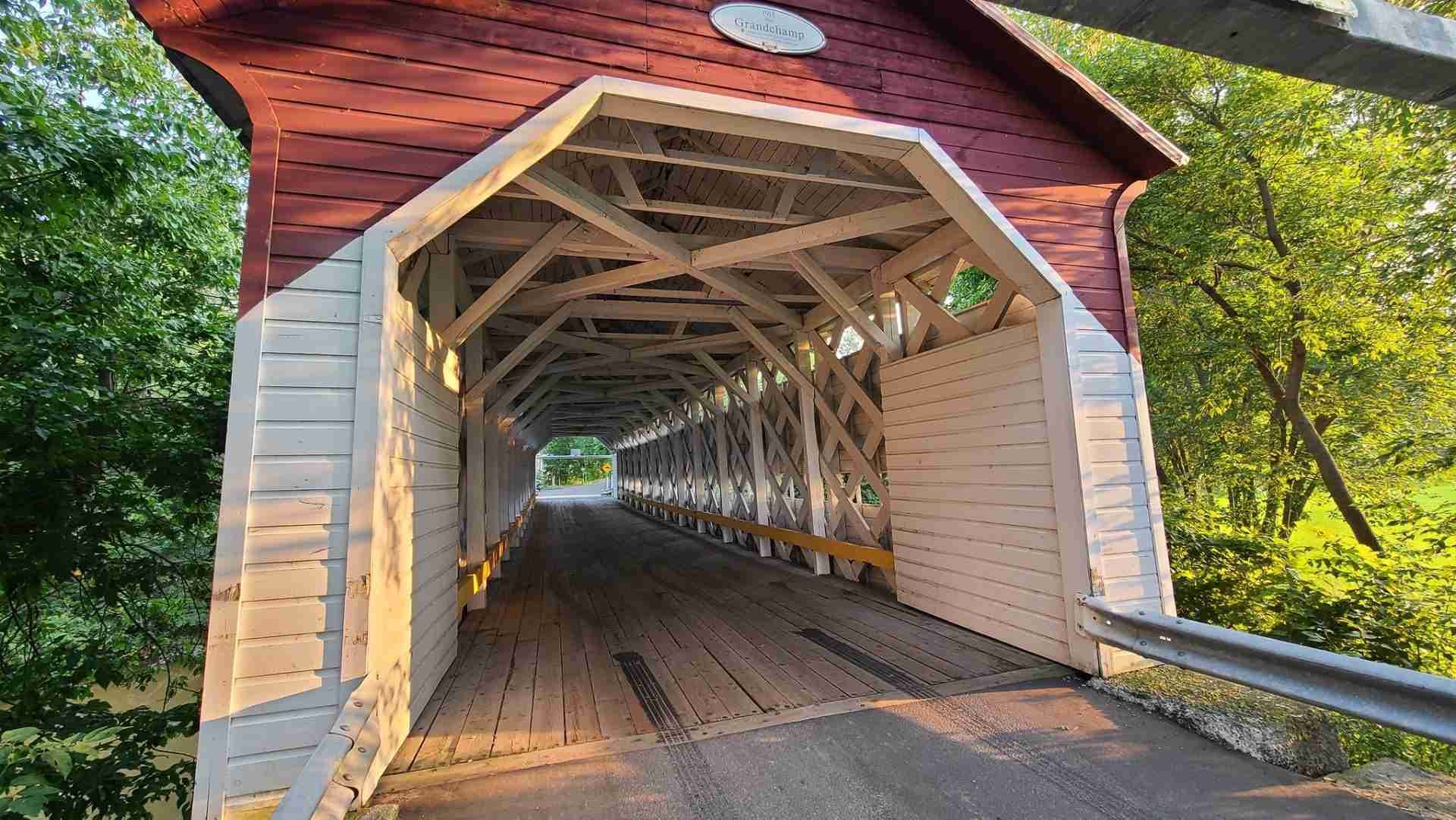
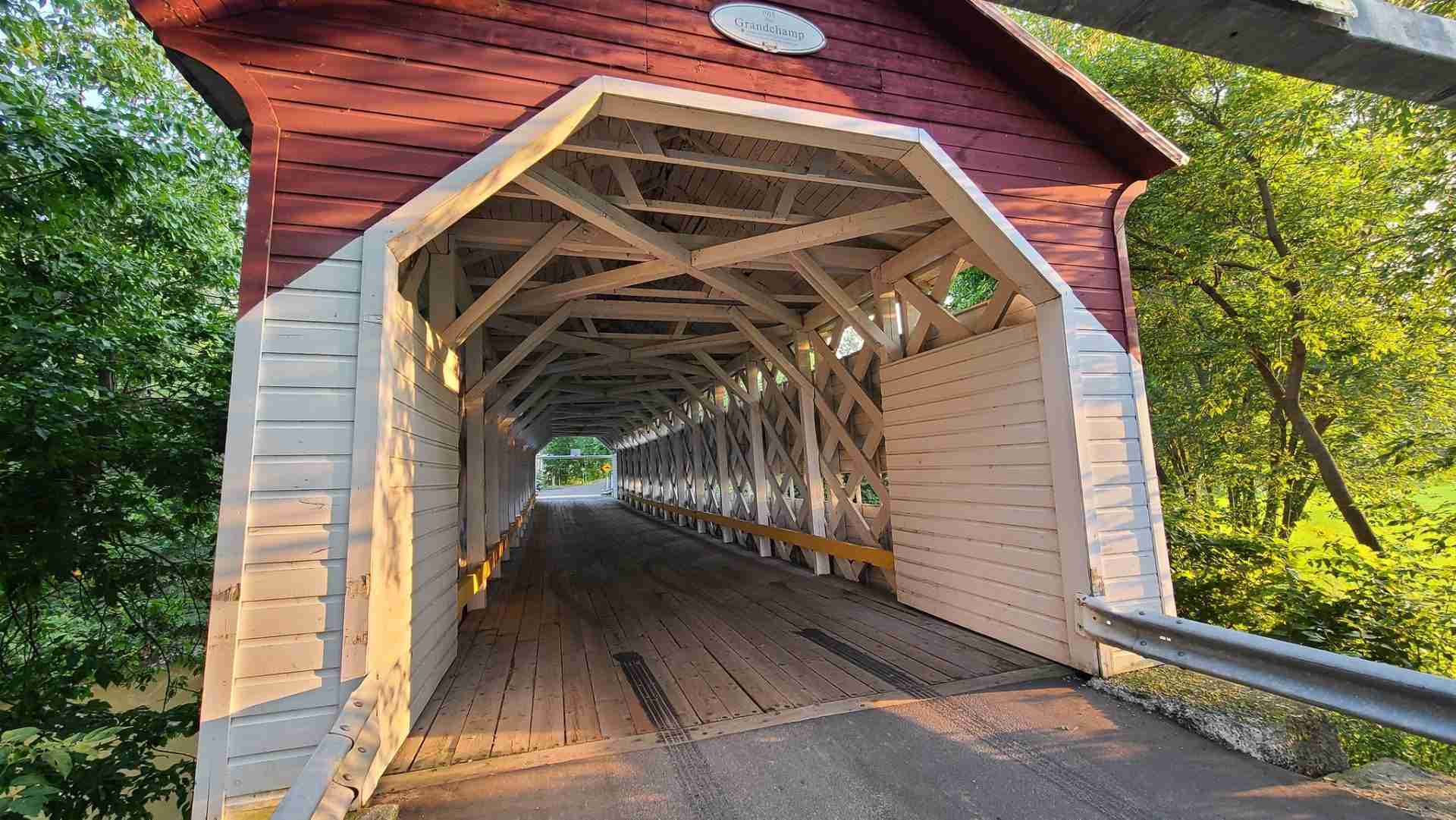
Spanning the Bayonne River near Berthierville, the Pont couvert Grandchamp is a classic example of Québec's historic covered bridges. Built in 1918, this wooden structure is a beautiful example of early 20th-century craftsmanship and rural charm. The bridge's sturdy beams, warm-toned wood, and quiet setting make it a rewarding subject for photographers interested in rustic architecture, seasonal change, and the peaceful feel of countryside roads. Especially vibrant in autumn, when surrounding trees explode with color, the bridge serves as both subject and setting for timeless landscape photography.
Best Photography Opportunities
• Straight-On Frontal Composition
: Position yourself at either entrance of the bridge to photograph a symmetrical view and the repeating lines of the interior trusses. This is one of the strongest compositions for showcasing the architectural design, especially with leading lines drawing the eye through the tunnel-like structure. Try shooting in the early morning or late afternoon for softer side light that emphasizes the grain of the wood and adds warmth to the overall image. Adding a person or bicycle in the frame can also provide a sense of scale and draw the viewer into the scene.
• Three-Quarter Angled View with the River Below
: Step off the road slightly to get a side angle of the bridge as it crosses the Bayonne River. This viewpoint is perfect for showcasing the length of the structure while including reflections in the water, especially on a calm day. Use a polarizer to manage glare and deepen the tones of the surrounding trees. In fall, the mix of red, orange, and yellow foliage makes the scene glow. Compose wide to include the curve of the river and the base of the bridge supports. If you're photographing in the early morning, mist rising from the river can add softness and depth to the scene.
• Interior Framing with Natural Light
: Walk into the bridge and look for moments when light filters through the entrance or small gaps in the planks. The dark wood interior and slatted light create striking contrast and depth. Try using a tripod and long exposure for a more dynamic range and to pull out detail in both the shadows and highlights. Angled shots from within reveal the depth and texture of the wooden trusses. Light changes quickly in this space, so revisiting it at different times of day can yield entirely new results.
• Reflections and Long Exposures by the Riverbank
: From the bank of the Bayonne River, position yourself low and close to the water to capture the bridge reflected in the slow-moving current. In the right light, this creates a mirror-like effect that doubles the lines and shapes of the structure. A tripod is essential for stability, especially if you're using a neutral density filter for longer exposures that soften the movement of the water. Consider incorporating foreground elements to add layers and balance to your frame. During fall or after a rain, these riverside elements gain color and contrast that enhance the final image.
• Seasonal Landscape with the Bridge as Anchor
: Use a telephoto lens from a distance to compress the scene and place the bridge within the context of its environment. This works beautifully in fall when the foliage is in full color, or in winter when snow outlines the roof and frame. Position the bridge off-center to let surrounding trees or sky play a larger role in the composition. These wider landscape shots offer a sense of place and can vary dramatically depending on weather and season. Try scouting different elevations or roadside pullouts to find a high vantage point where the bridge becomes a central element within the larger terrain. Even cloudy skies can add mood and help reduce glare, letting you focus on the tones and textures of the season.
Best Time to Visit
Autumn is undoubtedly the most visually rich time to photograph the Pont Grandchamp. From late September to mid-October, the surrounding forest shifts into deep shades of amber, gold, and red, framing the bridge in color and making every angle more vibrant. Early morning during this season is especially beautiful, as light filters through mist or dew and the wooden surfaces catch a golden hue.
Spring offers bright greens and high water levels in the river, which can enhance reflections and motion in long exposure shots. Summer is quieter in tone but still pleasant, with thick foliage and dappled sunlight providing steady light conditions. Winter transforms the area into a monochrome palette of whites and grays, with the bridge standing out clearly against bare trees and snow-covered ground.
Golden hour light brings out the warm tones of the wood and creates soft side shadows that define the shape of the bridge. Avoid harsh midday light unless photographing under an overcast sky, which can offer even lighting for detailed or texture-focused shots.
How to Get There
The Pont couvert Grandchamp is located near Berthierville in the Lanaudière region of Québec. The easiest access is by car—head toward Chemin Grandchamp off Route 158. The bridge spans the Bayonne River near Rang Saint-Jean, and there is space to pull over nearby without blocking traffic.
There is no fee to access the area, and it remains open year-round, although conditions may vary in winter. Be cautious in icy or muddy seasons, especially if walking down to the riverbank for alternate angles. As this is a quiet rural road, you're likely to have the scene mostly to yourself.
Recommended Gear for Photographing Historic Bridges
Bring a wide-to-mid zoom lens (such as 24–70mm) to capture both full views of the bridge and tighter detail shots of its interior and exterior elements. A tripod is highly recommended for low-light conditions, long exposures, or early morning shooting. For reflections or flowing water below the bridge, a neutral density filter will let you shoot longer exposures and soften motion in the water.
A circular polarizer will help cut glare from the river and enhance the saturation of leaves during peak foliage. Telephoto lenses are useful if you're framing the bridge from a distance within the larger landscape. Rubber boots or waterproof footwear can be helpful in wetter seasons if you plan to approach the riverbank.
Also consider a remote shutter release to minimize vibration on long exposures and a lens cloth to keep your gear clean in damp or dusty conditions. A lightweight daypack will keep things manageable as you move between the roadside, riverbank, and bridge interior.
Nearby Photography Locations
: A beautiful stone church with a tall steeple and classic façade, perfect for architectural photography and contrasting modern buildings in town.
: Located just south of Berthierville, this river island offers wide St. Lawrence River views, quiet nature paths, and scenic skies—ideal for peaceful, expansive landscape shots.
: A riverfront park in nearby Sorel-Tracy, with walking paths, lookout points, and benches that provide calm places to photograph the river and its surroundings at sunset.
: A bit farther out, this park features waterfalls, wooden bridges, and forest trails—excellent for capturing natural motion and woodland textures.
• Chemin du Roy Scenic Route
: One of Québec's oldest roads, Chemin du Roy runs through many small villages and farmlands, offering countless roadside photo stops with barns, chapels, and open countryside.
Photographing the Pont couvert Grandchamp is about more than just documenting a bridge—it's a chance to connect with a piece of Québec's living history. Framed by nature and built with care, it offers photographers both structure and setting, no matter the time of year or style of shooting.
Comments
Loading comments…