
Sentier des Dunes de Tadoussac, Quebec: Windswept Sands and Coastal Vistas on the North Shore
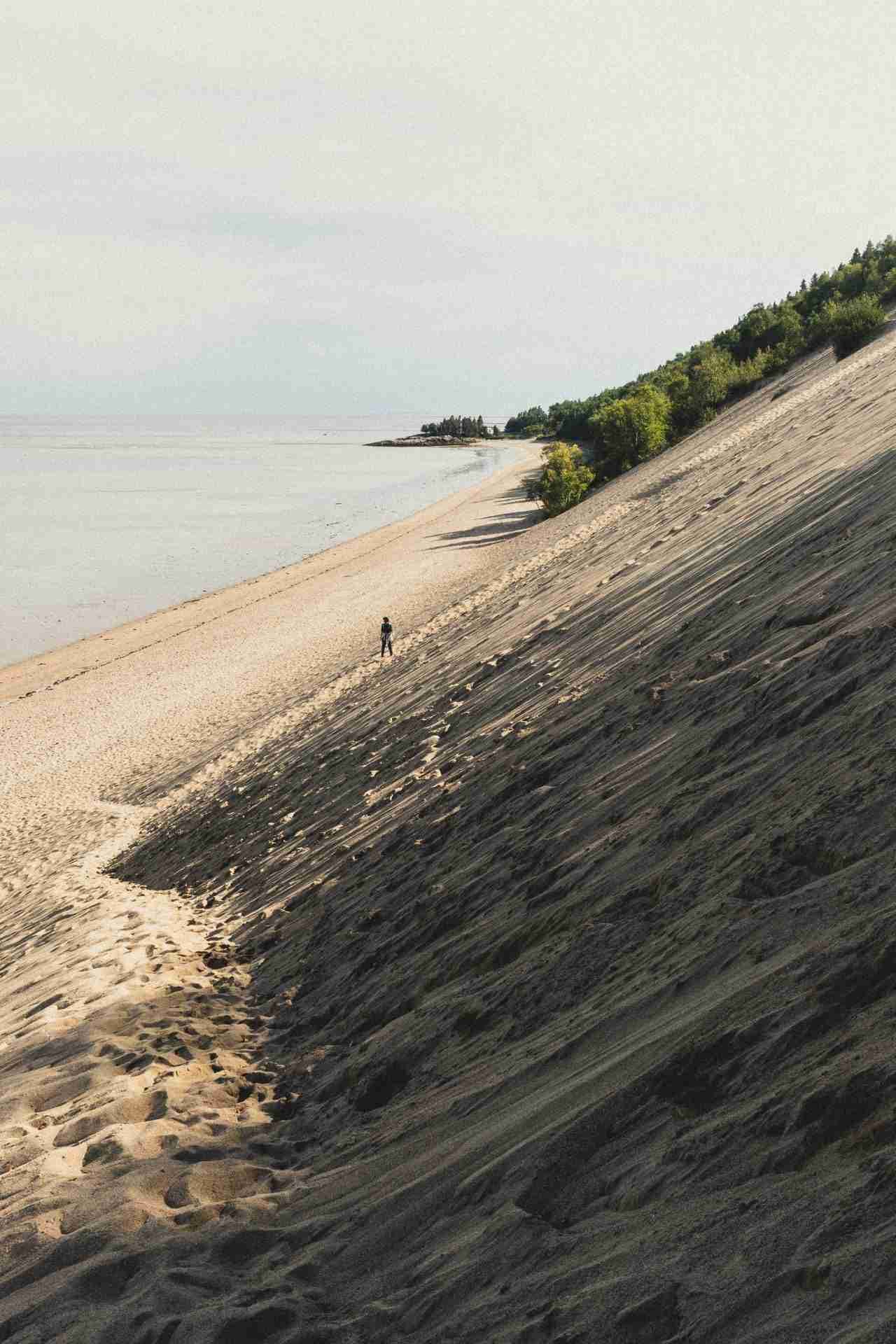
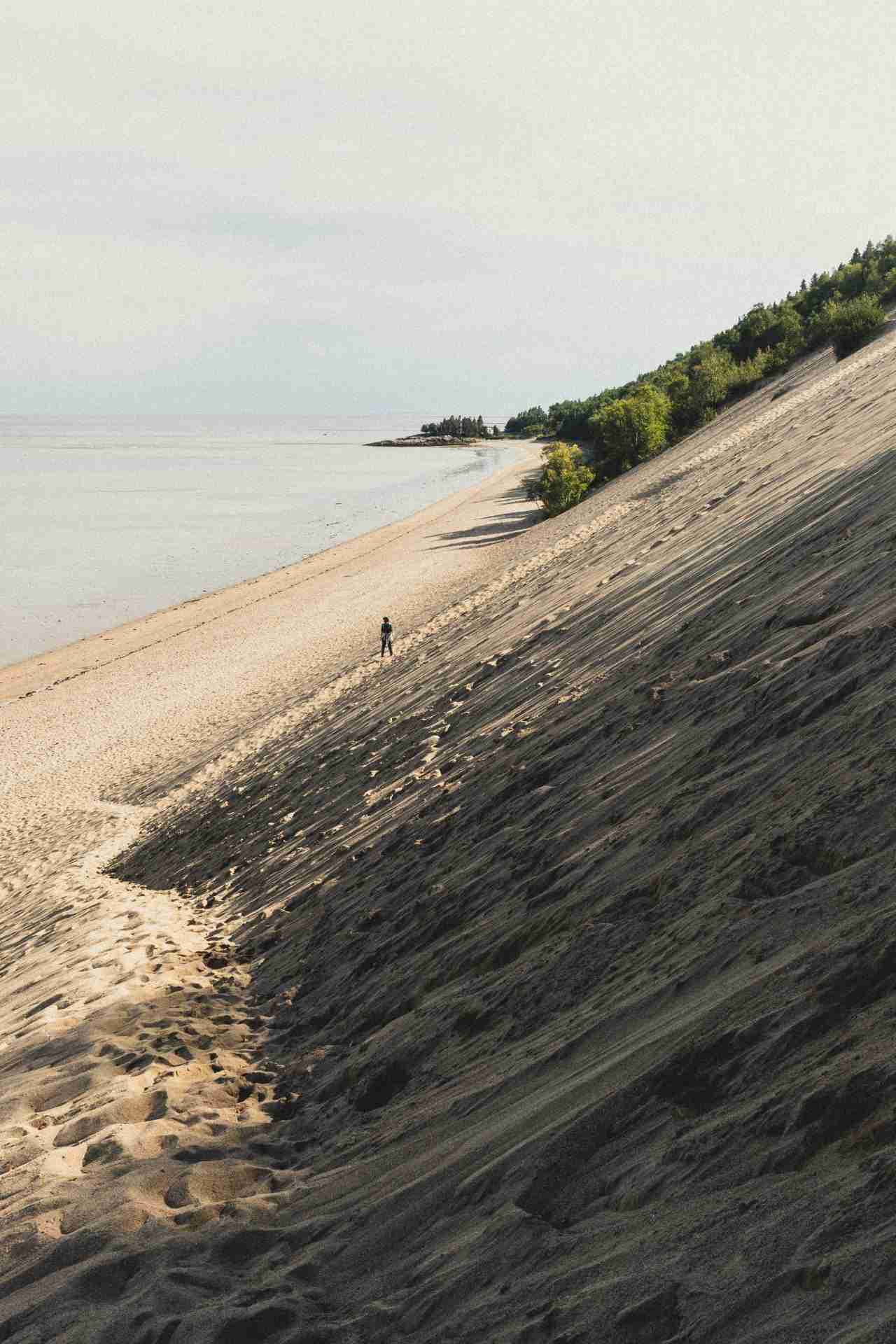
Located in the beautiful town of Tadoussac, Quebec, the Sentier des Dunes de Tadoussac is a scenic trail that winds through a remarkable landscape of sand dunes, coastal forest, and sweeping river views. Tucked along the northern edge of the St. Lawrence River, this photogenic terrain offers dramatic light, shifting textures, and the kind of open space that lends itself to minimalism, wildlife photography, and expansive environmental compositions. The dune system itself is a rare ecosystem for the region and offers a surprising contrast to the dense forests typically associated with this part of Quebec. It's a place where light constantly evolves, and even brief visits can yield striking results.
Best Photography Opportunities
• Golden Light on the Dune Ridges
The rolling ridges of sand at Sentier des Dunes de Tadoussac become a dynamic playground for light during sunrise and sunset. As the sun approaches the horizon, low-angle illumination sculpts intricate patterns across the surface of the dunes, casting deep shadows and revealing the nuanced curvature of each crest and trough. The golden glow intensifies the warm tones in the sand and highlights isolated dune grasses and sparse trees, which can be composed as visual anchors or silhouettes. Shoot with a wide-angle lens to exaggerate foreground depth and include natural leading lines. Early morning sessions are quieter, offering undisturbed footprints and wind-sculpted detail. During sunset, consider side-lighting angles that stretch shadows and enhance dimensionality. Adding a person or animal to the composition provides scale and narrative without overwhelming the minimalist landscape.
• St. Lawrence River Vistas and Cloud Drama
From high vantage points along the trail, expansive views of the St. Lawrence River stretch to the horizon. The dynamic weather of the North Shore region often produces rapidly shifting skies—perfect for dramatic landscape photography. Use a 24–70mm lens for framing the river within surrounding forest ridges or for capturing tighter, atmospheric compositions of passing squalls, backlit cloud forms, and distant vessels. Long exposures with ND filters can blur cloud motion and smooth the water surface, lending a dreamlike calm or emphasizing the contrast between turbulence in the sky and stillness below. When conditions allow, position the horizon low in the frame to showcase cloud formations as the main subject. Evening light often reflects off the river with a metallic sheen, adding complexity and tone variations.
• Abstract Sand Patterns and Macro Texture Work
The fine-grain sand found along the trail responds dramatically to wind and water, creating a constantly evolving canvas of texture. Look for repeating lines, ripple marks, and organic shapes that lend themselves to minimalist compositions or abstract studies. A macro lens reveals individual grains, animal tracks, or delicate plant shadows etched onto the dune surface. In dry weather, the most intricate patterns appear at first light, before wind or foot traffic disturbs them. Shoot from a low angle using side light to exaggerate texture. During overcast conditions, the absence of harsh contrast allows you to capture tonal subtleties and smoother transitions in the sand's surface. Patterns left by insects, leaves, or debris can be isolated for highly interpretive and poetic images.
• Wildlife and Bird Watching Along the Trail Edge
Where the dunes give way to forest and shrub, a rich edge ecosystem emerges, hosting small mammals and a variety of bird species. This transitional zone is particularly rewarding for patient wildlife photographers. In the early morning, warblers, sparrows, and sandpipers are most active, feeding or moving through low vegetation. Foxes and snowshoe hares may also appear, especially at quieter times. Use a 300mm to 600mm lens with a fast aperture to isolate subjects from their environment and track motion with shallow depth of field. Consider setting up near flowering plants or berry bushes to catch feeding behavior. The sandy soil and patchy cover make for distinctive backdrops that contrast well with feather detail or fur texture. Remain still and quiet to blend into the surroundings—long lens camouflage covers or neutral clothing will increase your success.
• Night Sky and Minimalist Dune Silhouettes
With minimal ambient light and wide, unobstructed views of the sky, the dunes transform into a superb site for astrophotography and long-exposure night work. On clear nights with low humidity, the Milky Way is often visible arching across the horizon, especially from late spring to early fall. Use a fast wide-angle lens (f/2.8 or wider) for single-exposure star fields, or stack images for noise reduction and enhanced clarity. The natural curvature of the dunes makes for striking foreground silhouettes, which can be enhanced with gentle light painting or placed in contrast against glowing celestial backgrounds. Lunar illumination adds texture back into the dunes for soft, otherworldly scenes. For star trails, anchor your frame with static natural elements like driftwood, lone trees, or weathered signage, and let the stars streak above in circular arcs. Patience and planning are key—scout your composition in daylight to avoid aimless setup in the dark.
Best Time to Visit
The Sentier des Dunes is open year-round, but its photographic potential peaks in the spring through late fall. Late spring brings blooming dune vegetation and migratory birds returning to the region, while summer offers long days, warm light, and strong sunset color palettes over the river. Mornings in summer tend to be quiet and windless—perfect for capturing crisp textures before foot traffic disturbs the sand.
Autumn is particularly beautiful. From late September through mid-October, the surrounding forest erupts in vibrant color, which contrasts beautifully against the pale dune surface. This is also the time when light becomes more directional and the air is often clear and dry, making for high-contrast scenes and sharp detail. Fog occasionally rolls off the St. Lawrence in the early morning hours, adding another layer of depth to sunrise shots.
Winter is possible with the right gear but requires extra preparation. Snow transforms the dunes into flowing monochrome forms, and wildlife tracks become visible as stark graphic lines. Strong winds, however, can erase both footprints and camera stability, so low-profile tripods and lens hoods are highly recommended. Whether visiting in peak summer or quiet winter, the area offers changing beauty that suits everything from minimalism to layered documentary work.
How to Get There
The Sentier des Dunes de Tadoussac is located just minutes from the center of Tadoussac, Quebec. From the town's main road, follow Rue des Forgerons or Chemin des Dunes to the trailhead, which has a designated parking lot and interpretive signage. The drive from Quebec City takes about three and a half hours via Route 138, a scenic highway that runs along the north shore of the St. Lawrence River.
There is no access fee to use the trail, and it is maintained seasonally for public use. In peak summer, arrive early or late in the day to avoid crowds and harsh midday light. A moderate incline begins the trail, but most of the walking is easy and suitable for all fitness levels. Be prepared for exposed sun and blowing sand—lens protection and appropriate footwear are strongly advised.
Gear Essentials for Dune and Coastal Work
For photographing at the Sentier des Dunes, bring a mix of wide and medium lenses—a 16–35mm for broad dune landscapes and dramatic skies, and a 24–70mm for river views and layered compositions. A 70–200mm or longer telephoto is useful for picking out distant wildlife, compressed textures, or abstract horizon line studies. Macro or close-focus lenses are recommended for working the sand detail and transitional plant life. If your camera system supports it, a tilt-shift lens can offer creative control for emphasizing dune shapes or managing perspective in open landscapes.
Tripods should be lightweight but stable, ideally with spike feet or wide platforms to keep steady in soft sand. A tripod with an articulating center column can help with low-angle shots or macro work close to the ground. Lens cloths and a blower are essential for clearing grit, especially in windy conditions, and a weather-sealed camera body or lens hood is strongly recommended to shield against airborne sand. Polarizers reduce reflections on the sand and enhance sky contrast, while ND filters are ideal for long exposures, helping to stretch cloud movement or smooth water textures in river views.
Extra batteries and memory cards are important if you plan on staying out for golden hour and into the night. Cold coastal winds and long exposure sessions can drain batteries faster than expected, so it's wise to carry at least two spares. Bring protective storage like dry bags or zippered pouches to prevent sand from infiltrating gear during movement or lens changes. A small portable table or padded mat can help keep gear off the ground when working with multiple lenses or accessories.
Pack sun protection, layers, and plenty of water if hiking through summer heat. A collapsible reflector or diffuser can help control lighting when shooting close-up textures or wildlife in transitional zones. If staying for night photography, a headlamp with red-light mode will help preserve night vision, and glow-in-the-dark tape on your tripod legs can help prevent tripping in dark conditions. A remote shutter release or intervalometer is essential for clean long exposures and star photography, particularly if you plan to stack images or shoot multiple timed sequences.
A compact backpack with side access, breathable straps, and weatherproof fabric is ideal for this terrain. Look for one with external tripod holders and internal compartments that separate filters, lenses, and small tools. Bring a small first aid kit, insect repellent, and backup navigation tools (paper map or GPS app) in case coastal fog disorients you on less-defined trails. With its open sandscapes, shifting weather, and delicate textures, Sentier des Dunes rewards a gear setup that is both technically capable and physically resilient.
Nearby Photography Locations
: Just below the dunes, the bay offers spectacular coastal light, whale-watching opportunities, and reflective water during calm mornings. You'll find strong horizontal layering for minimalist seascapes, especially during fog or low tide when textures shift dramatically.
: A larger protected area where the fjord meets the St. Lawrence, perfect for dramatic cliffside views, marine wildlife, and deep water perspectives. This area is especially rewarding in late afternoon when side light emphasizes the topography and gives structure to the water's surface.
• Anse à la Barque
: A lesser-known coastal pocket that features dramatic driftwood, tide pools, and rocky textures—ideal for detail-oriented compositions. The lighting here changes quickly, offering a chance to experiment with highlights, shadows, and the reflective surfaces of tidal pools.
: A short coastal trail at the mouth of the fjord with rugged rocks, crashing waves, and powerful backdrops for sunrise or long exposure shots. The open view of the horizon also makes it a strong candidate for silhouette photography against bold skies.
: Just up the coast, this rocky point is one of the best land-based whale-watching locations in Quebec, often yielding strong telephoto opportunities. Rocky ledges offer solid platforms for stabilizing long lenses and framing whales against vast, open water.
The Sentier des Dunes de Tadoussac is a rare blend of openness, quiet, and shifting natural form. It rewards repeated visits, slow observation, and a willingness to explore both the vast and the minute. Whether chasing dramatic skies or the quiet ripple of sand underfoot, this location offers photographers an evolving visual language shaped by wind, light, and time.
Comments
Loading comments…