
Quyon Garage with Window Grid and Feed Mill Backdrop: Industrial Texture Meets Rural Charm
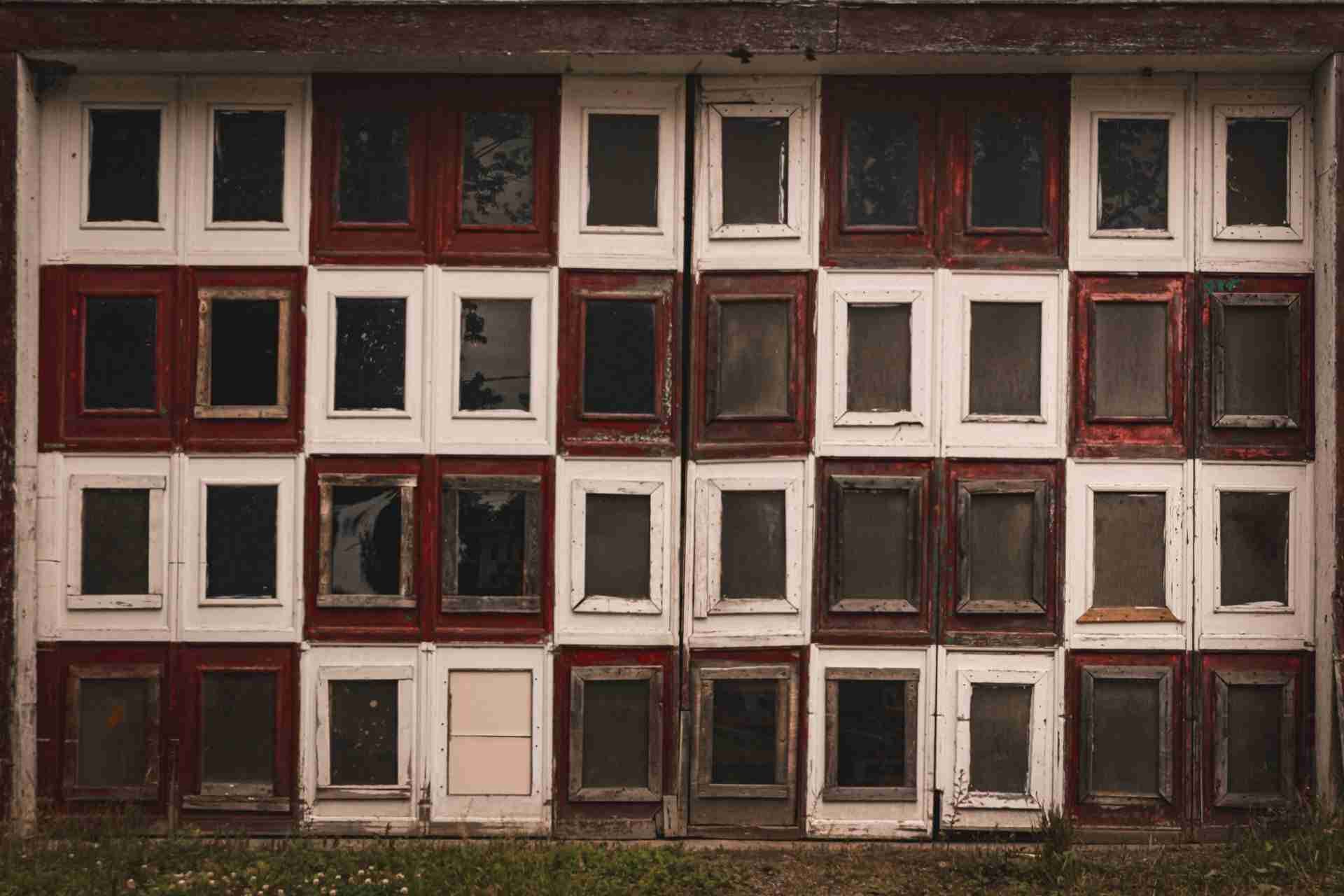
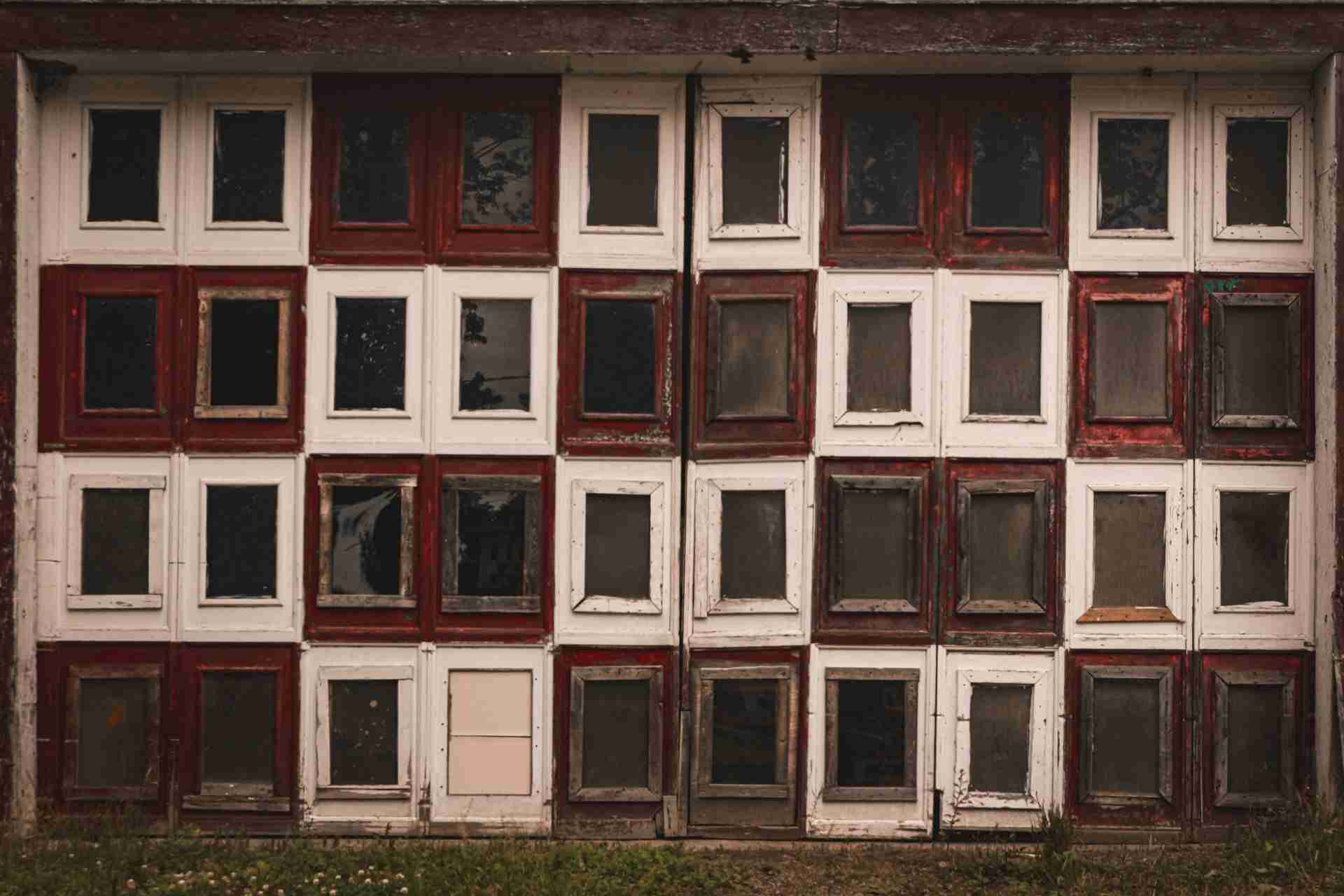
Close to the Old M&R Feed Mill in Quyon, a garage that sports a distinct red and white pattern created by a grid of old windows replacing the door is a must-see for photographers. This unique architectural quirk makes for an excellent backdrop for Instagram photos or as an interesting subject in its own right. Positioned amidst the charming rural setting of Quyon, the combination of this unique garage and the historical feed mill nearby offer an excellent exploration for those interested in rustic, architectural and detail photography.
Best Photography Opportunities
• Textured Facade with Grid Pattern
The garage's most distinctive feature—a full red and white grid of salvaged windowpanes—invites a study in rhythm, symmetry, and weathered charm. This architectural quirk provides a canvas for a variety of compositional experiments. Use a 35mm or 50mm prime lens to avoid distortion while emphasizing balance and clean geometry. The reflections in each windowpane change with the light and sky, so revisiting the spot at different times of day rewards you with evolving visual variations. On rainy days, droplets on the panes enhance surface detail, while long exposures during twilight let you create ghostly overlays of headlights or tail lights reflected in the glass.
• Feed Mill in the Background
Photographing the garage in relation to the old M&R Feed Mill opens up opportunities to tell a story about rural industry and vernacular architecture. These two buildings—one aged but maintained, the other collapsing into patina—act as a visual conversation between time periods and purpose. Frame the garage in the foreground with the mill rising subtly behind using a wide lens around 24–28mm, and consider vertical orientation to emphasize height and structure. The contrast between metal and wood, glass and siding, is particularly strong in directional light. You can also capture environmental portraits here if you're working with human subjects interested in an industrial-rural vibe.
• Rustic Details and Close Textures
The peeling paint reveals multiple layers of red, white, and bare wood beneath, while rust seeps along hinges and mounts in reddish-orange veins. These small areas are rich in abstract compositions. A macro lens or a telephoto zoom with close-focus capability will allow you to explore the fine grain of decay: jagged glass edges, rusting nails, even spider webs inside fractured panes. Try shooting with a shallow depth of field to isolate your point of interest against a soft wash of muted texture. If the light is flat, lean into the mood by underexposing slightly and letting shadows define shape.
• Framing with Rural Context
Stepping back reveals a rustic landscape that changes the emotional register of your image. Grassy verges, old fenceposts, telephone wires, and nearby barns can all be used as compositional anchors. Try positioning tall grasses in the lower third to frame the garage and balance the image with sky in the upper third. Backlight the scene during sunset for golden silhouettes or shoot during spring when wildflowers populate the foreground. In winter, fresh snow simplifies the background, making the garage's texture pop even more dramatically. Use these elements to build layered compositions with a clear visual hierarchy from front to back.
• Moody or Minimalist Angles
The garage's isolation, muted colors, and architectural starkness work beautifully in minimalist compositions. Consider stepping far back and zooming in to compress space and minimize distractions. Under cloud cover or fog, this space becomes cinematic—add negative space, and you create tension and atmosphere. Try low-angle compositions that include only sky and garage wall, or high vantage points that abstract the garage into a grid of light and reflection. Long exposures in fading light smooth out visual noise and allow you to emphasize structural form. Return at night with a light panel or flashlight for controlled light painting across the facade.
Best Time to Visit
This location photographs well in all seasons, and each time of year offers its own distinct visual opportunities. Early autumn delivers vivid reds and yellows that contrast beautifully with the garage's aged red paint and grid of glass panes. Fallen leaves scattered across the gravel add texture and warmth to wide shots. Springtime brings new greenery and delicate wildflowers, which can be used as soft framing elements or bokeh-enhanced foregrounds when using a wide aperture. The bright, fresh growth creates a hopeful visual juxtaposition against the weathered structure.
Winter transforms the garage into a minimalist composition dominated by white snow and stark red geometry. Snowfall outlines the structure crisply and enhances contrast, while fog and overcast skies mute the scene for a subdued, introspective feel. Long shadows and reflections in nearby puddles or icy surfaces can add dynamic layering to detail shots. In summer, the high sun can be intense by midday, so it's best to shoot during the golden hours—early morning or late afternoon—when the directional light casts long shadows and reveals fine surface textures.
Overcast days provide soft, diffused light that helps bring out subtle variations in paint, rust, and the garage's architectural details without harsh glare. After rain, water droplets and saturated colors make the garage appear richer and more vibrant. For those chasing moodier, cinematic effects, try visiting on foggy mornings or during light snowfall, when the atmosphere adds depth and narrative quality to the simplest frames. The site's visual appeal is remarkably resilient to changing weather, making it one of the more versatile rural locations to photograph year-round.
How to Get There
The garage is located in the village of Quyon, Quebec, very close to the Old M&R Feed Mill, along Clarendon Street. The structure faces the road and is easy to spot thanks to its distinctive red and white color scheme and glass-panelled door. Parking can usually be found on the street or in nearby gravel areas, but be sure not to block driveways or commercial access.
While this is a public-facing building, always be respectful of private property and avoid blocking pedestrian paths or driveways. Everything can be photographed from the public road or sidewalk. A telephoto lens will help isolate details from across the street if necessary.
Recommended Gear for Rural Industrial Photography
A mid-range zoom (24–70mm) is ideal for capturing overall shots of the garage and nearby feed mill, while a 35mm or 50mm prime lens helps achieve undistorted perspectives for frontal compositions. A polarizing filter will reduce glare on the garage's glass panels and help boost contrast when shooting during bright conditions.
Bring a macro or telephoto lens to focus on details such as rivets, rust, and peeling paint. A tripod is useful for long exposures at low light or for perfect alignment when composing grid-focused architectural shots. A lightweight step stool may be helpful to adjust your angle when dealing with window reflections or slightly elevated viewpoints.
Weather-resistant gear is recommended during winter and rainy seasons, and you'll want a microfiber cloth to regularly clean your lens when working close to the glass. Sturdy footwear is advised, especially if you're exploring nearby gravel lots or uneven roadside terrain.
Nearby Photography Locations
• Quyon Ferry Landing
: Offers views across the Ottawa River, ideal for wide-angle landscapes and sunset reflections. The dock and ferry infrastructure add an industrial maritime feel to your frame.
: This historical church with its Gothic windows and stone construction is beautifully lit at sunrise and pairs well with the rustic theme of the feed mill area.
: Quyon's main strip has a series of old shops and signage that reflect the village's rural commercial past—perfect for detail-rich storytelling or nostalgic photo series.
• Clarendon Backroads
: Explore the side roads north and south of town for red barns, wildflower-lined fields, and collapsing sheds. These spots offer strong compositions under both stormy and sunny skies.
• Bristol Mine Overlook
: Just a short drive away, this elevated viewpoint gives a dramatic view over the forest and rural countryside and is excellent for telephoto landscapes.
Photographing the Quyon garage and its feed mill surroundings is a rewarding experience that blends rural architecture with a distinctly creative visual structure. From gritty detail studies to wider environmental storytelling, this location offers a full range of imagery with strong aesthetic impact.. This unique architectural quirk makes for an excellent backdrop for Instagram photos or as an interesting subject in its own right. Positioned amidst the charming rural setting of Quyon, the combination of this unique garage and the historical feed mill nearby offer an excellent exploration for those interested in rustic, architectural and detail photography.
Comments
Loading comments…