
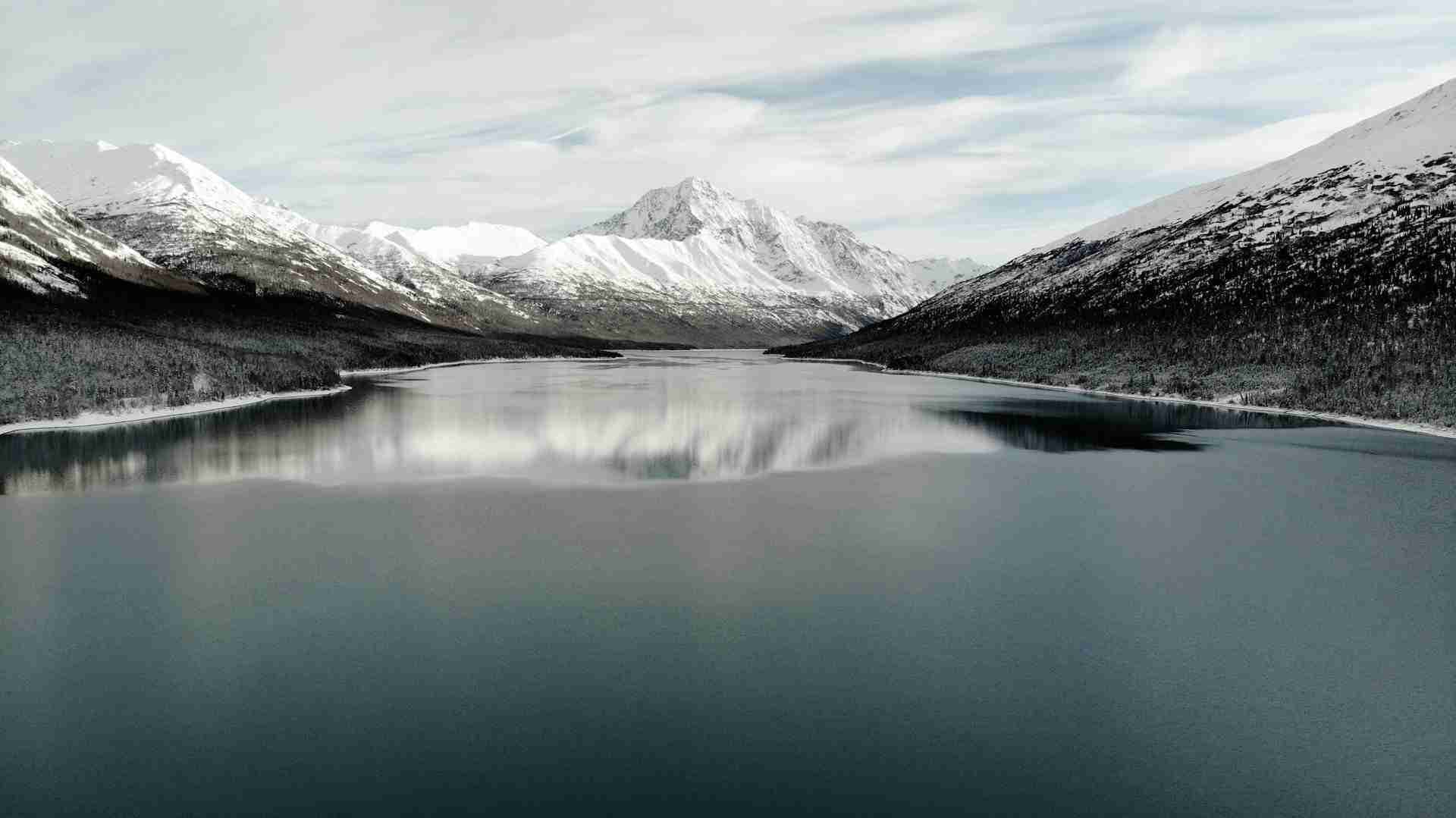
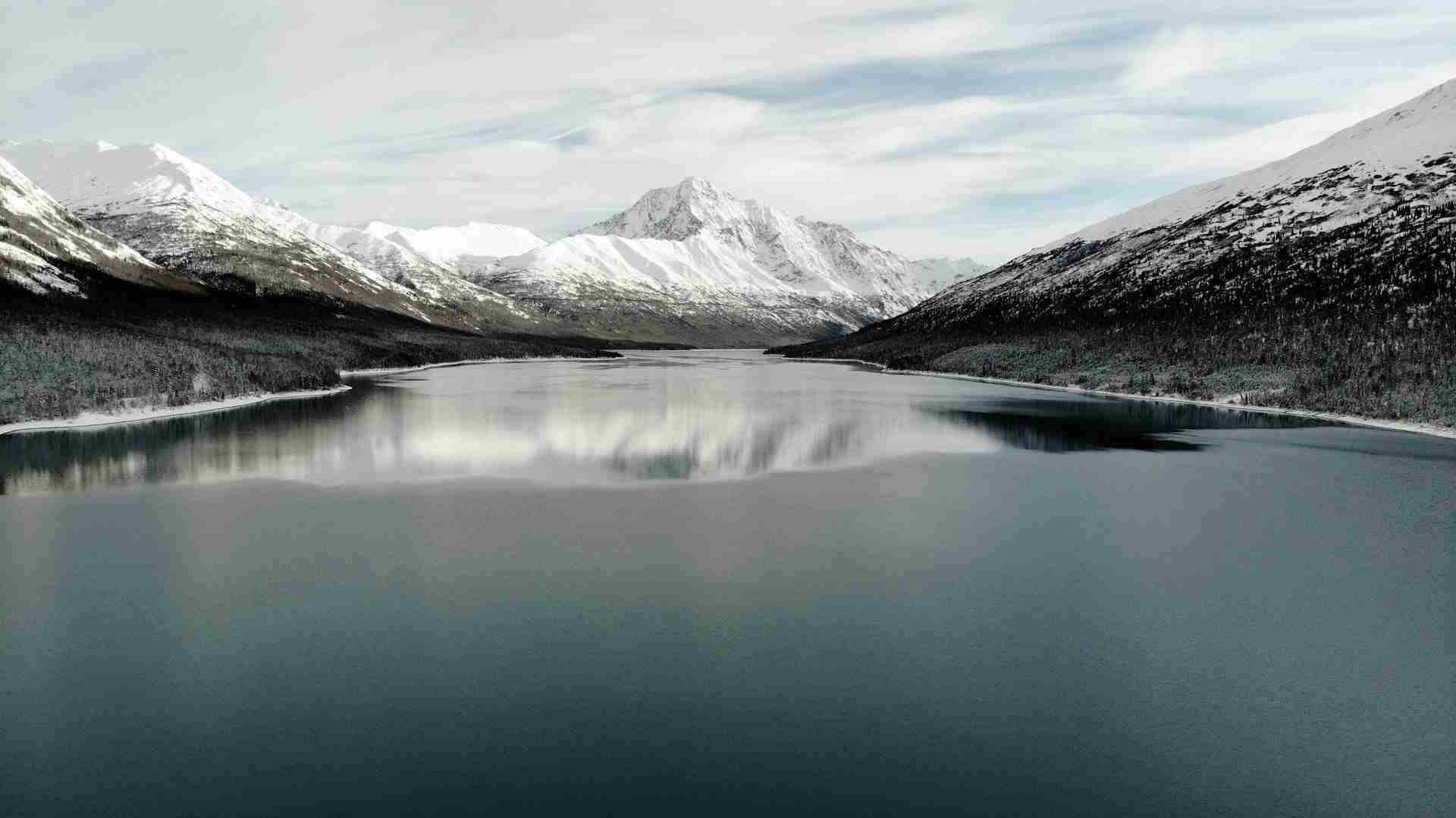
Eklutna Lake, a stunning glacial-fed body of water nestled within Chugach State Park, is one of the most breathtaking and versatile photography locations near Anchorage, Alaska. Surrounded by towering mountains, dense forests, and expansive skies, this pristine lake offers endless opportunities for capturing dramatic landscapes, wildlife, and reflections. Whether you're drawn to the vibrant fall foliage, the misty blue tones of the lake, or the rugged backcountry trails leading into the Chugach Range, Eklutna Lake is a must-visit destination for photographers looking to document the raw beauty of Alaska.
Best Photography Opportunities
• Lake Reflections and Mountain Panoramas
– The calm waters of Eklutna Lake create mirror-like reflections of the surrounding mountains, particularly in the early morning when the wind is still. The towering peaks of the Chugach Range add a dramatic sense of scale, making for breathtaking wide-angle compositions.
• Sunrise and Sunset Over the Water
– The lake's orientation allows for stunning sunrise and sunset shots, with soft, diffused light casting golden and pink hues across the sky. During autumn, the combination of warm light and vibrant fall foliage creates an especially striking scene.
• Glacial Blue Waters
– Fed by Eklutna Glacier, the lake's waters take on an incredible turquoise hue, especially in late summer. This striking color provides a beautiful contrast against the deep greens of the surrounding forest and the rugged mountain terrain.
• Wildlife Photography
– The area surrounding Eklutna Lake is home to moose, black bears, and Dall sheep, making it a great spot for wildlife photography. Bald eagles and other bird species are also commonly seen soaring above the lake or perched along the shoreline.
• Aurora Borealis Reflections
– On clear winter nights, Eklutna Lake provides an incredible setting for northern lights photography. The still waters reflect the vibrant green and purple hues of the aurora, creating a dreamlike composition that highlights Alaska's natural wonders.
• Fall Colors in the Chugach Mountains
– Late September to early October transforms the landscape into a mosaic of golden aspens and fiery red tundra. This seasonal transformation makes for breathtaking contrast shots against the blue lake and snow-dusted mountain peaks.
• Kayak and Adventure Photography
– With its vast, open water and surrounding trails, Eklutna Lake is a perfect setting for adventure and lifestyle photography. Kayakers paddling across the lake, hikers along the shore, or cyclists on the trails provide excellent subjects for capturing the scale and rugged beauty of the area.
Best Time to Visit
Eklutna Lake offers stunning photography opportunities throughout the year, with each season bringing its own unique characteristics. Summer, from June to August, is ideal for capturing the lake's vibrant turquoise waters, lush green surroundings, and clear mountain reflections. Long daylight hours provide excellent golden-hour lighting, while early mornings often offer the calmest conditions for mirror-like reflections.
Autumn, particularly from late September to early October, transforms the landscape with brilliant fall foliage. The golden aspens and red tundra contrast beautifully against the blue lake and rugged peaks, creating some of the most dramatic compositions of the year. Cooler temperatures and occasional morning fog add to the atmospheric quality of the scene.
Winter, spanning from November through March, presents a completely different yet equally breathtaking perspective. The lake often freezes over, forming intricate ice patterns that make for compelling foreground elements. Snow-covered mountains and the possibility of northern lights reflecting on the ice create magical photographic conditions, though shorter daylight hours and extreme cold require careful planning.
Spring, from April to May, marks the transition from winter's grip to the renewal of life around the lake. As the ice begins to break apart, fascinating textures emerge on the water's surface. Wildlife becomes more active, and the first hints of green begin to appear, offering dynamic compositions that showcase seasonal change. Sunrise and sunset remain the best times to capture the most dramatic light, with early mornings providing soft hues and the best chances for capturing undisturbed reflections on the lake's surface.
How to Get There
Eklutna Lake is located about 40 miles northeast of Anchorage, making it an easy day trip for photographers. To reach the lake, take the Glenn Highway north from Anchorage and exit at Eklutna (Exit 26). Follow Eklutna Lake Road for about 10 miles, winding through boreal forest and scenic mountain views before reaching the lake and its surrounding recreation area.
Parking is available at the Eklutna Lake Campground, with a small fee required for entry. From here, trails lead along the lake's edge, offering numerous vantage points for different photographic compositions. The Lakeside Trail, a mostly flat and scenic route, provides easy access for capturing both sweeping vistas and intimate shoreline details.
Exploring Eklutna Lake and the Surrounding Area
Eklutna Lake is not just a single viewpoint but an expansive wilderness area with a variety of perspectives to explore. The 12.7-mile Lakeside Trail runs along the eastern shore, offering endless opportunities for new angles of the lake and its reflection-friendly waters. The Twin Peaks Trail, which ascends into the mountains above the lake, rewards photographers with an incredible panoramic view of the entire valley.
During winter, the frozen lake becomes a playground for ice skaters, cross-country skiers, and fat-tire bikers, providing action-filled compositions set against the snowy mountains. For those looking for a more adventurous perspective, kayaking or paddleboarding on the lake allows for immersive water-level shots that emphasize the scale of the surrounding peaks.
Just a short drive away, the historic Eklutna Village offers a fascinating cultural photography opportunity. The Russian Orthodox Church and its brightly colored spirit houses in the cemetery provide a stark contrast to the rugged wilderness, telling the story of Alaska's Russian and Indigenous heritage.
Nearby Photography Locations
– The source of Eklutna Lake, this remote glacier can be accessed via a challenging backcountry hike or flightseeing tour. The icy blue formations provide stunning close-up texture shots and dramatic aerial views.
– Located off the Glenn Highway near Eklutna, this 200-foot waterfall is an excellent location for long-exposure photography. A short hike leads to multiple vantage points, including a scenic overlook and a closer view near the base of the falls.
– About an hour's drive east, the Knik River Valley offers breathtaking mountain landscapes, braided glacial rivers, and access to Knik Glacier. The combination of water, ice, and rugged peaks makes for powerful compositions.
– This alpine destination features rolling tundra, dramatic peaks, and the historic Independence Mine. In summer, the area is covered in wildflowers, while in fall, the tundra turns a brilliant red and gold.
– Just south of Eklutna, this location offers access to boreal forests, glacial rivers, and excellent wildlife photography opportunities, including moose and bears. The wide valley views framed by the Chugach Mountains make for stunning landscape shots.
Eklutna Lake is one of the most photogenic locations in Southcentral Alaska, offering everything from sweeping mountain reflections to intimate seasonal details. Whether you visit in the peak of summer, during the golden hues of autumn, or in the icy stillness of winter, this glacial lake provides endless opportunities for capturing the beauty and wildness of the Alaskan landscape.
Comments
Loading comments…