
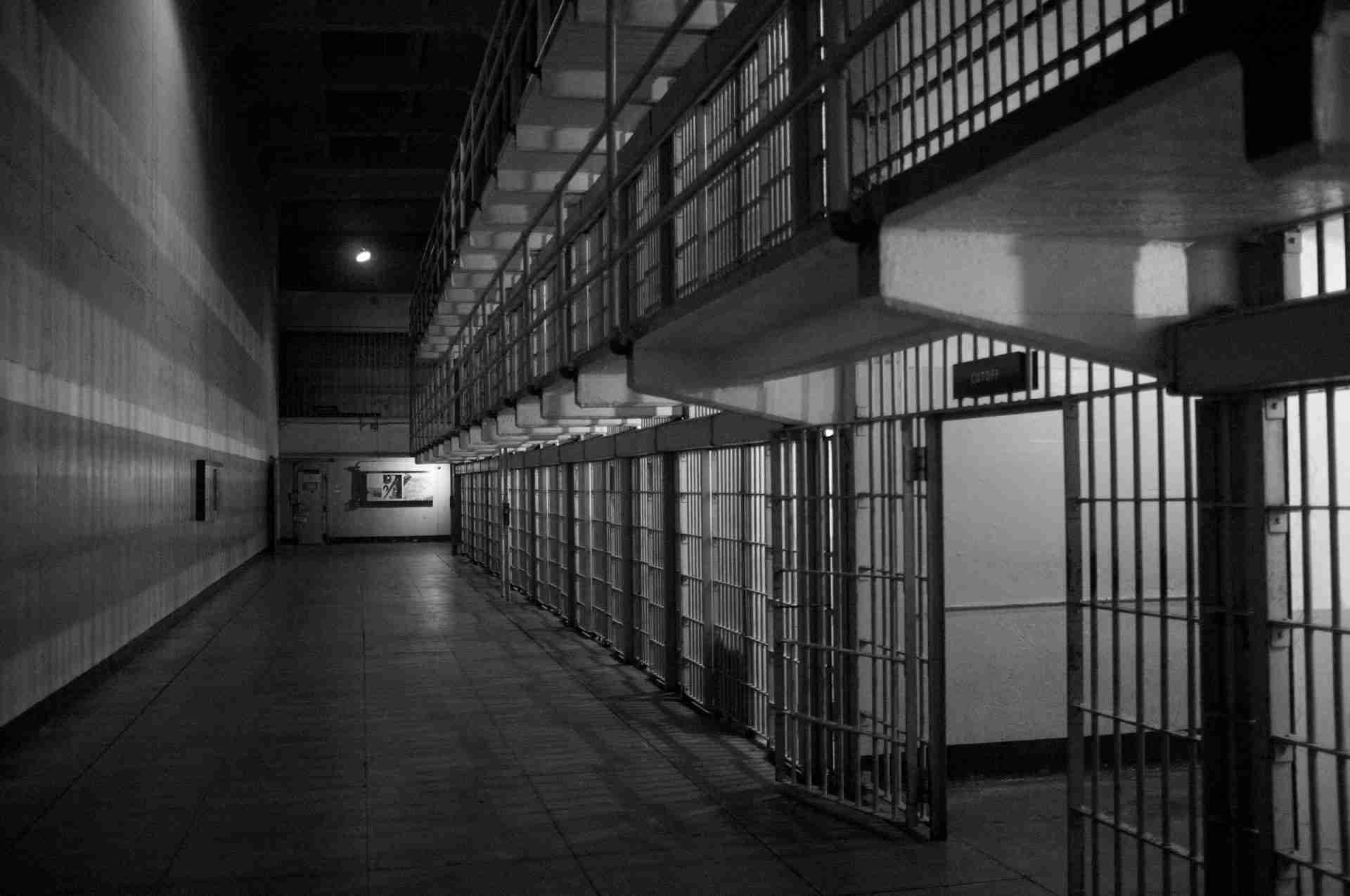
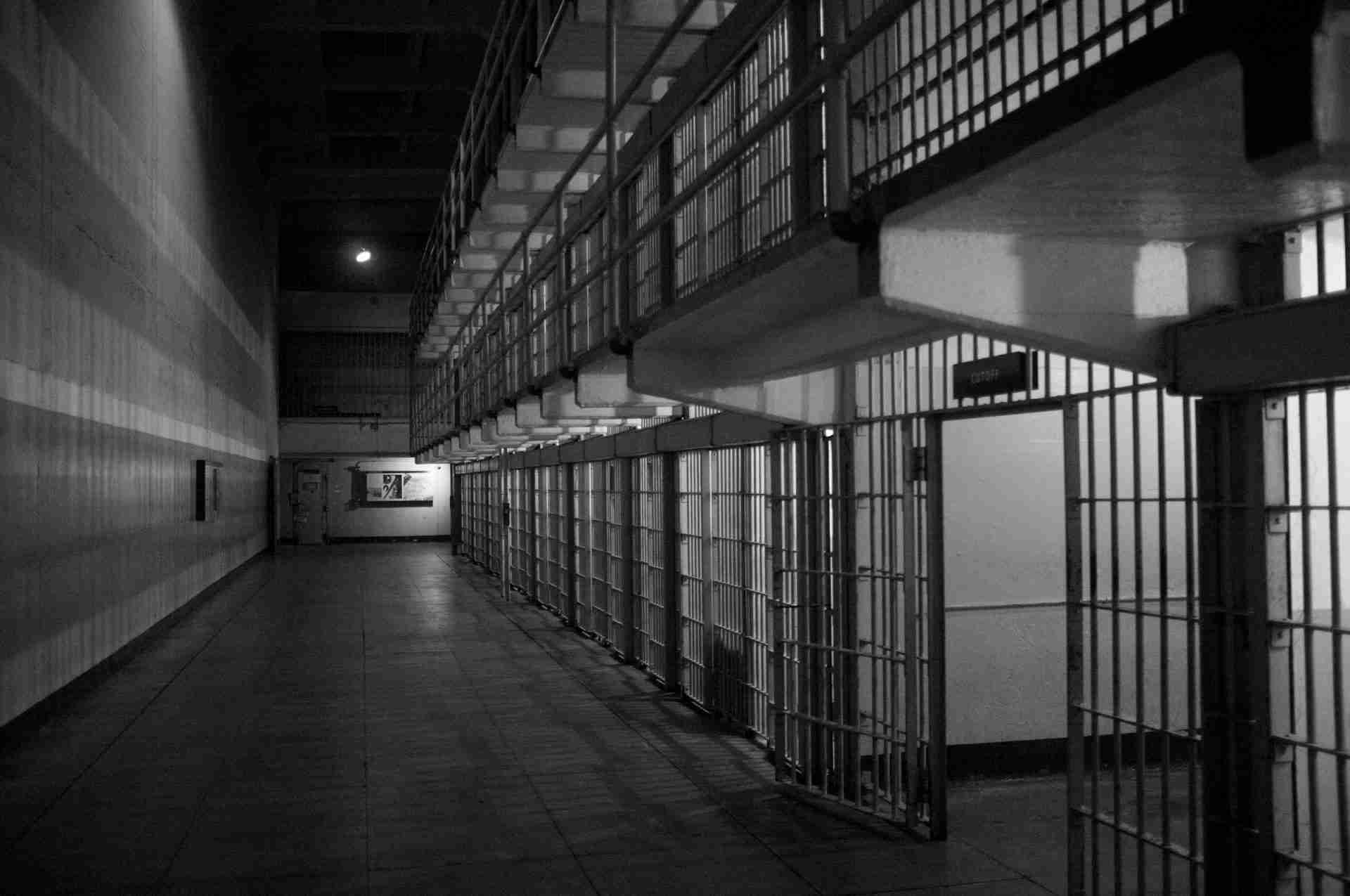
Alcatraz Island rises abruptly from the waters of San Francisco Bay, its layered history etched into crumbling walls, rusted metal, and stark concrete. Once a maximum security federal prison, the island is now a preserved site that draws visitors for its architecture, atmosphere, and panoramic views of the city and sea. For photographers, Alcatraz is a study in contrasts between rigid structure and shifting natural light. Sunlight cuts sharply through broken windows and steel bars, while fog and sea spray soften the island's hard edges. With every step, compositions shift from expansive urban backdrops to quiet, decaying interiors that hold decades of silence.
Best Photography Opportunities
• Cellhouse Interior and Light Through Bars
The former prison block remains the heart of the island and offers some of the most powerful photographic moments. Mid morning or late afternoon light slants through barred windows, casting long shadows across the floor and emphasizing the rhythm of repeating door frames. A fast lens helps in the dim interior light, allowing you to isolate details such as rusted locks, peeling paint, and steel doors. Monochrome images work especially well here, drawing attention to texture and contrast without visual distraction. Move slowly and watch how the light changes with small shifts in position.
• City Views Framed by Ruins
Alcatraz offers elevated views of San Francisco, the Golden Gate Bridge, and the Bay Bridge. Framing these landmarks through broken windows, archways, or corroded railings adds depth and narrative context. A longer lens compresses the skyline through doorways or decaying walls, while a wide lens blends ruin and cityscape into a single frame. Early morning fog often separates layers of the city and gives the scene added mood. Sunset light can be warm and directional, highlighting the curve of the bay while casting shadows across the grounds.
• Details of Decay and Abandonment
The surfaces of Alcatraz are rich with visual character and quiet storytelling. Rusted stair rails, weathered signage, flaking paint, and corroded light fixtures all lend themselves to close detail photography. A macro or short telephoto lens helps isolate these textures against clean backgrounds. Overcast days are ideal, as soft light enhances detail without harsh contrast. These images work best as part of a broader visual series that balances wide context with intimate observation.
• Elevated Views of Island Geometry
From upper walkways and exterior paths, the layout of the island becomes a study in structure and spatial rhythm. The prison blocks, lighthouse, and perimeter fences form strong lines and repeating shapes across the rocky terrain. A mid range zoom allows you to explore these patterns without flattening perspective. Early morning and late afternoon light adds depth through gentle shadow, especially when clouds move across the bay. These compositions highlight the island's design as much as its history.
• Fog, Overcast Light, and Low Contrast Scenes
Some of the strongest images of Alcatraz are made during fog or heavy cloud cover. Soft gray light flattens surfaces and reduces contrast, creating a subdued, moody atmosphere. Long exposures work well when fog drifts slowly across the water or lifts in layers. Leading lines from fences, paths, or stairways help guide the viewer through these quieter frames. This is also a strong setting for muted color palettes or black and white treatments.
Best Time to Visit
Alcatraz photographs well throughout the year, though spring and autumn often bring the best balance of fog, visibility, and directional light. Summer mornings frequently begin with thick fog that may clear later in the day, which can either obscure or enhance skyline views depending on your intent. Winter offers clearer skies and longer shadows, though weather conditions can shift quickly. Early morning and late afternoon provide the most dramatic light, especially inside the cellhouse where long shadows shape each row. Exterior views of the bay and city are strongest during golden hour when the low sun warms the island against the cool water. Fog should not be avoided, as it often produces the most distinctive and emotionally grounded images.
How to Get There
Alcatraz Island is accessible only by ferry, with departures from Pier 33 near San Francisco's Embarcadero. Ferries operate daily and frequently sell out, so advance booking is recommended. The crossing takes about fifteen minutes and offers open deck views of the bay and skyline. Once on the island, photography is permitted throughout the grounds and buildings. There is no extra fee for tripods, though their use may be restricted during busy hours or inside narrow interior spaces. The walk to the cellhouse is steep but paved, and shuttle service is available. Always check the weather before departure, as light and visibility change quickly on the bay.
Recommended Photography Gear
A wide angle lens is essential for capturing tight interior spaces and dramatic architectural framing. A fast prime or mid range zoom is useful for low light conditions and for isolating distant skyline views. A lightweight tripod helps with long exposures in fog or dim interiors, though you should be ready to work handheld in crowded areas. A polarizing filter reduces glare on water and deepens contrast in skyline shots, while a neutral density filter is helpful for smoothing waves or fog movement. Extra batteries are important, as cool bay air drains power quickly. Comfortable shoes and a compact bag make it easier to move across the island's uneven terrain.
Nearby Photography Locations
The waterfront promenade offers wide bay views, ferry traffic, and reflections from nearby buildings. Sunrise and sunset are ideal for layered compositions and city light transitions.
• Golden Gate Bridge Viewpoints
Locations such as Fort Point and Battery Spencer provide classic perspectives of the bridge. These spots are excellent for fog photography and long exposures of traffic and clouds.
Elevated viewpoints from Telegraph Hill give panoramic views over the bay and downtown skyline. The tower itself is a strong architectural subject in soft or foggy light.
• Pier 7
This narrow pier creates clean leading lines into the bay and works especially well at twilight. It is a strong complement to Alcatraz photography due to its minimalist geometry.
Across the bay, Sausalito offers quieter harbor scenes with boats, reflections, and hillside homes. It is an excellent spot for golden hour and evening photography.
Comments
Loading comments…