
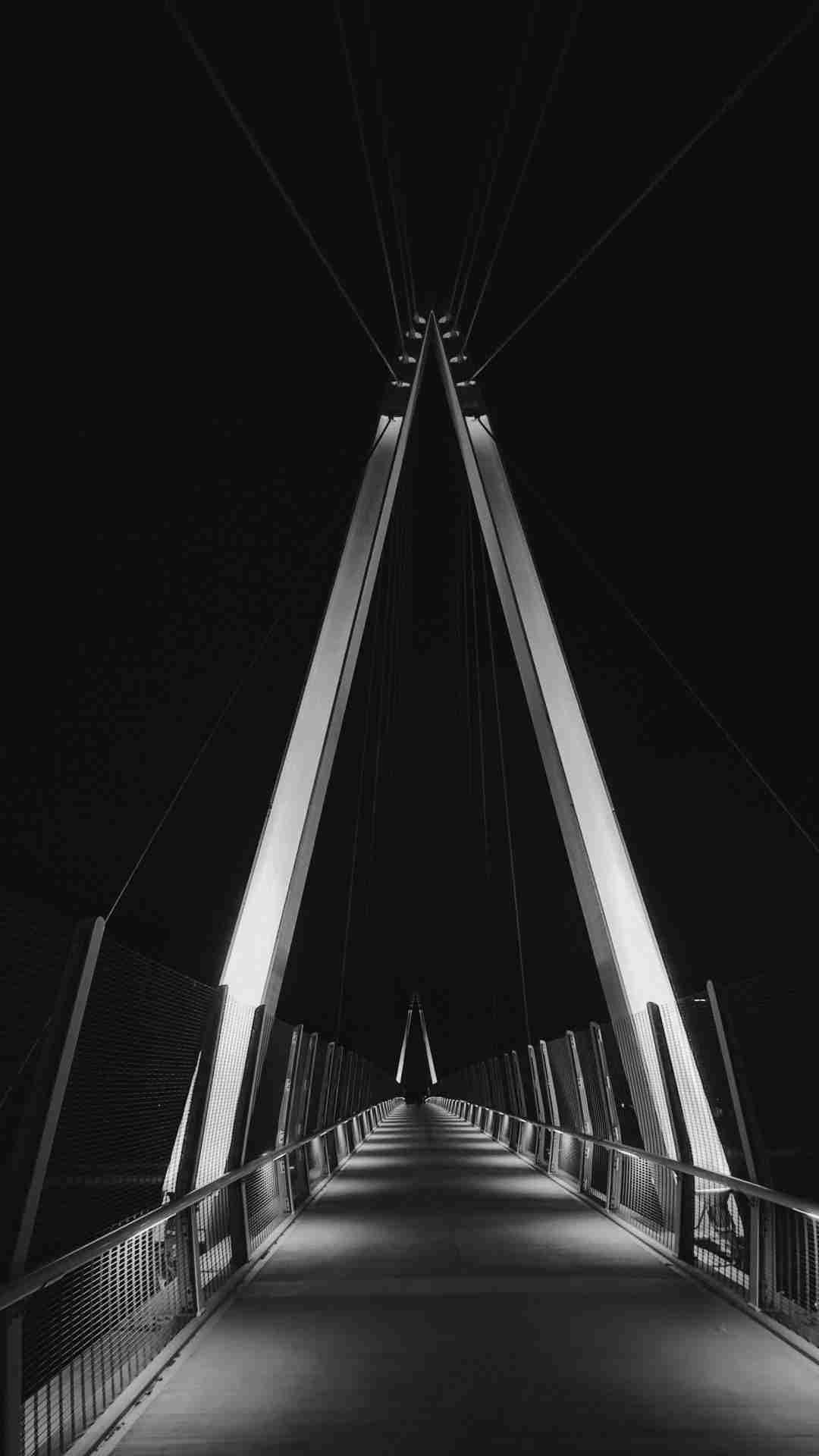
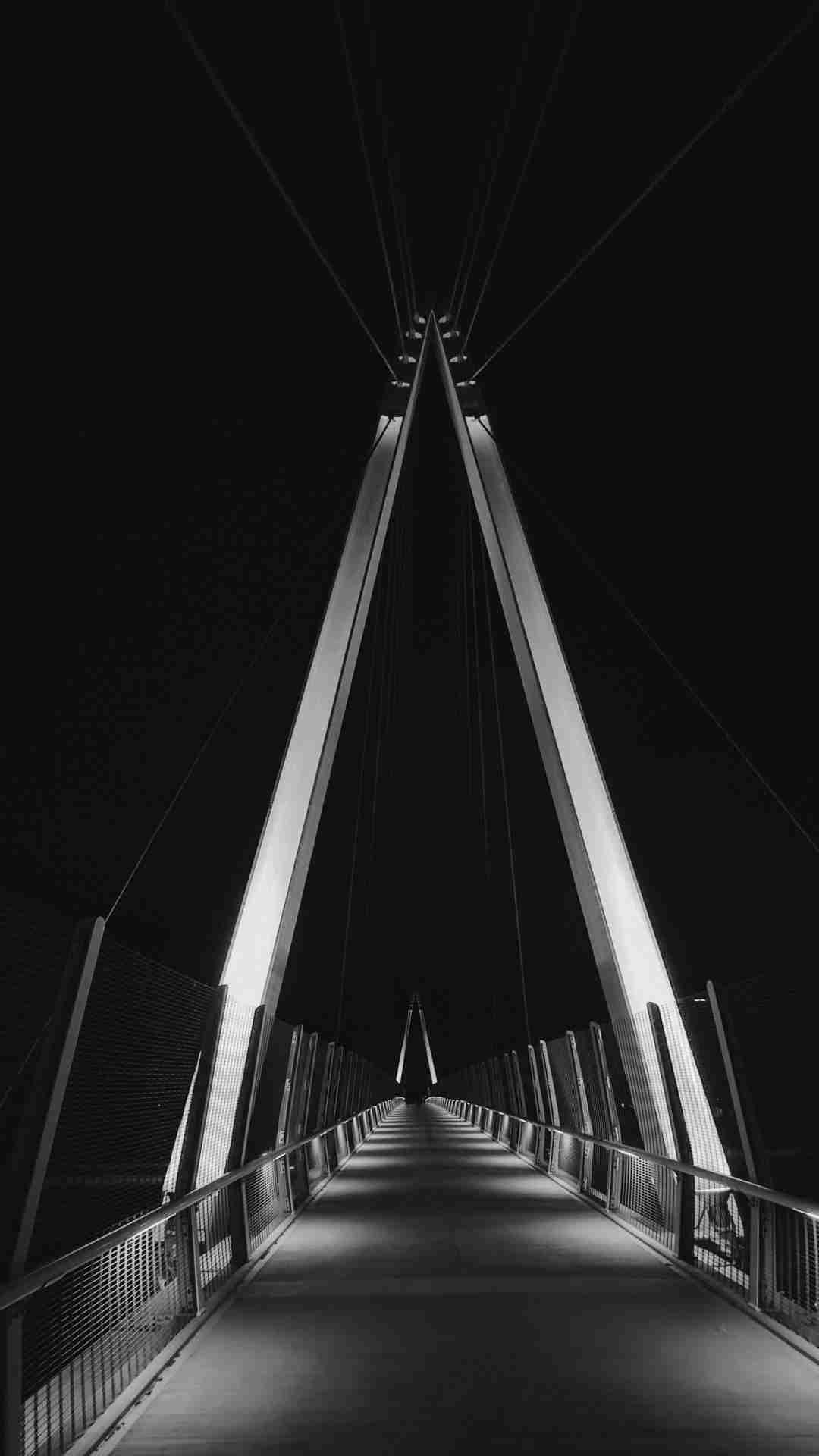
The Mary Avenue Bridge in Cupertino, California, is a pedestrian and bicycle bridge that arcs gracefully over I-280. Designed with sweeping steel supports and clean, open lines, it offers photographers a visually balanced subject that stands out against both sky and traffic. Its structure is modern but not overly complex, making it easy to isolate in frame or include in broader urban compositions. The bridge connects residential neighborhoods and park areas, but from a photographic standpoint, it serves as a strong platform for shooting leading lines, long exposure traffic trails, and the subtle curve of engineered form over a busy freeway. At sunset or twilight, when the lights come on and the sky holds color, it becomes one of the more dynamic photography spots in this otherwise quiet suburban landscape.
Best Photography Opportunities
• Bridge Architecture and Form
The Mary Avenue Bridge is defined by its twin steel arches that rise and taper across the span of the freeway. This symmetry makes it a natural subject for centered compositions, especially when shooting directly from either end of the walkway. The white painted structure reflects warm light well at golden hour and holds its contrast nicely against both blue skies and evening tones. If you are photographing from below, the arches frame well against the slope of the freeway and the textured surface of the road. Using a wide angle lens allows you to exaggerate the curve of the arches while including the urban surroundings.
• Long Exposure Traffic from the Walkway
One of the most rewarding ways to photograph the bridge is by standing on it and shooting downward onto Interstate 280. As cars pass below in both directions, you can capture long exposure light trails that curve slightly with the road, framed cleanly by the edges of the bridge. This effect is best just after sunset when there is still enough ambient light to hold some detail in the sky while the car lights dominate the scene. A tripod is essential here, and a small aperture will help produce clear starbursts from any visible headlights or streetlamps. This technique works especially well facing west in the evening or east in the early morning when the freeway traffic is more consistent.
• Twilight and Blue Hour Framing
The bridge lights up gently at twilight, with soft illumination along the walkway and enough residual light to hold detail in the steel supports. This transition period is ideal for layered compositions where the bridge structure sits above the trailing lights of the freeway and a fading sky. A mid range zoom lens is helpful here for balancing the proportion of bridge, traffic, and horizon. Shooting in RAW allows you to pull both shadow and highlight detail from the frame. Cloud cover can either diffuse the light or reflect the city glow, giving you multiple moods in one session.
• Minimalist Compositions with Sky
Because the bridge is visually simple and its lines are clean, it works well in minimalist compositions where sky and structure take up most of the frame. Shooting from one of the adjacent streets or parking lots gives you space to isolate the bridge against a clear or gradient sky. This is especially effective on days with light clouds or high haze, where the sky adds texture without overwhelming the subject. You can also include small human figures walking or cycling across the bridge for a sense of scale and motion. This approach works best with a telephoto lens or when you want to keep the composition clean and graphic.
• Reflections and Seasonal Light
Though the bridge itself does not span water, the occasional puddles on or near the walkway after rain can produce simple reflections that add interest to close-up architectural shots. During winter and early spring, the lower angle of the sun brings side light across the steel, creating subtle highlights and long shadows that give extra shape to the structure. Early morning fog can also add mood, especially when it rolls over the freeway and softens the contrast between the bridge and the background. These moments are brief but worth capturing when conditions align.
Best Time to Visit
The best times to photograph the Mary Avenue Bridge are during golden hour, blue hour, and twilight, particularly when you are aiming to capture long exposure traffic or color in the sky. Sunset is especially effective if you want to include light trails or warm reflections on the steel frame. Mornings tend to be quieter and may include fog or soft directional light from the east, which plays well across the bridge surface.
The bridge is accessible year round, and the weather in Cupertino is typically mild, though rain and morning fog in the cooler months can add photographic atmosphere. Overcast days can also work well, especially for clean architectural compositions where you want even light and low contrast.
How to Get There
The Mary Avenue Bridge crosses over Interstate 280 in Cupertino and is accessible from both the north and south ends via sidewalks and bike lanes. It connects Homestead Road and Mary Avenue through residential areas. There is no fee or restriction for accessing the bridge on foot or by bicycle, and parking can usually be found on nearby streets or in adjacent park lots. The bridge itself is pedestrian friendly, with flat, paved surfaces and clear railings for safe shooting positions. It is easily reachable from central Cupertino and other parts of Silicon Valley by car or public transportation.
Recommended Photography Gear
A tripod is essential for long exposure traffic shots, especially during twilight when light levels drop quickly. A wide angle lens is useful for capturing the full span of the bridge or framing from one end of the walkway. A standard zoom helps when composing tighter shots of the structure or balancing sky and traffic lines. A remote shutter or timer is helpful when shooting over the railing to avoid shake, and a circular polarizer can be useful for managing glare in bright daylight conditions. A lens hood will help reduce flare from headlights and streetlights during night shooting.
Nearby Photography Locations
Just a short drive away, this sleek architectural site offers glass reflections, modern lines, and open plaza space ideal for minimalist and urban photography, especially in late afternoon light.
A few miles away, this shaded multi use path runs along a creek with bridges, soft forest light, and spots for long lens wildlife or abstract nature shots. It is best in spring and autumn when the foliage changes.
Located to the west of Cupertino, this preserve has hilly trails, oak lined paths, and elevated viewpoints overlooking the valley. It is perfect for early morning light or golden hour landscape photography.
Modern development mixed with older storefronts provides a clean urban backdrop for street photography or architectural detail work. The light here changes quickly and works well for handheld, responsive shooting.
• Foothill College Overlook
This elevated spot gives you a broad view across Silicon Valley, especially at sunset when the light washes across the buildings and hills. It is a good place to shoot panoramic scenes or test longer focal lengths.
The Mary Avenue Bridge may not be a destination for dramatic landscapes, but its clean design, controlled symmetry, and dynamic lighting make it a rewarding subject for photographers interested in urban structure, motion, and light. Whether you are building long exposure frames over freeway traffic or composing simple silhouettes against an evening sky, it offers just enough structure and variety to keep your shots fresh and intentional.
Comments
Loading comments…