
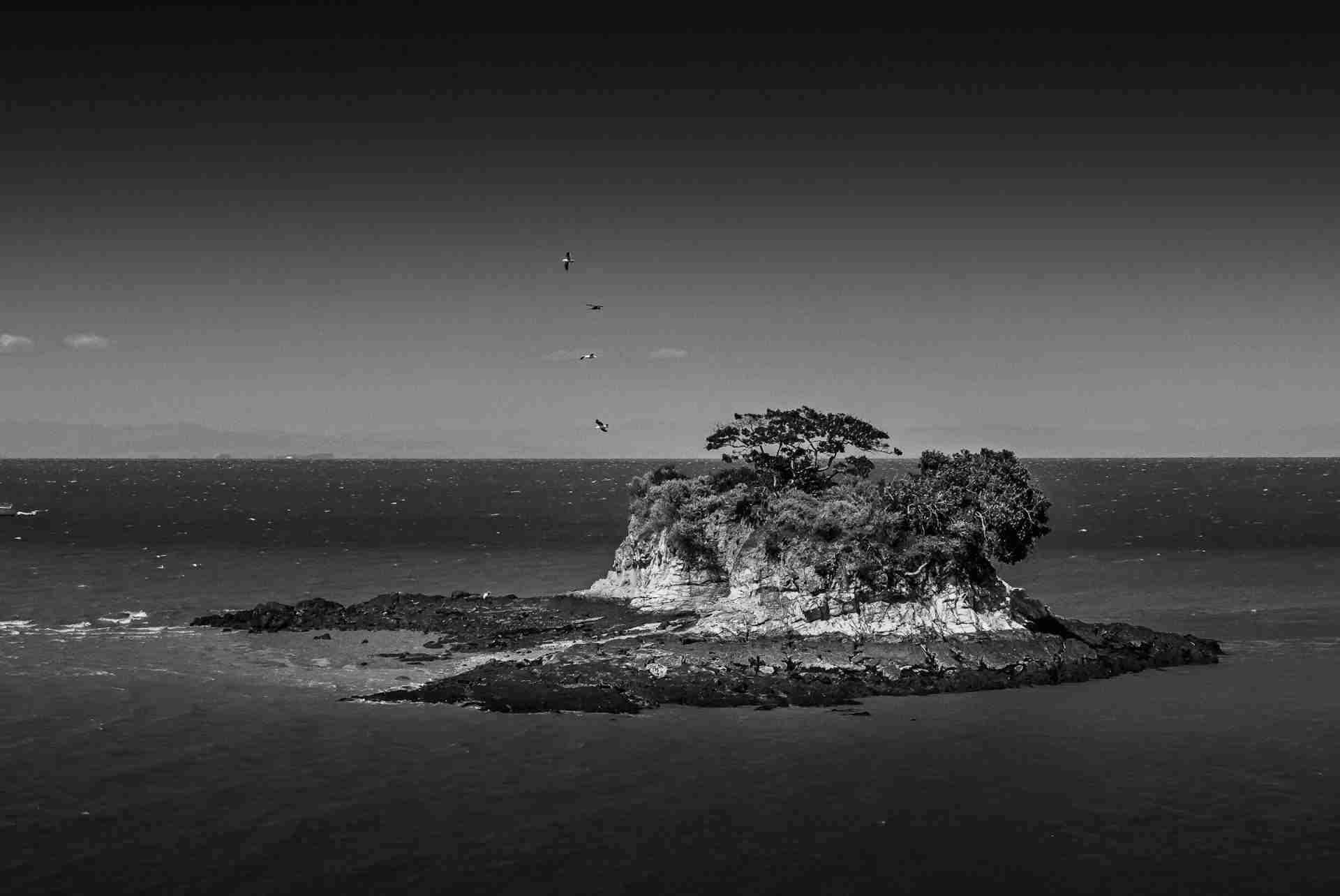
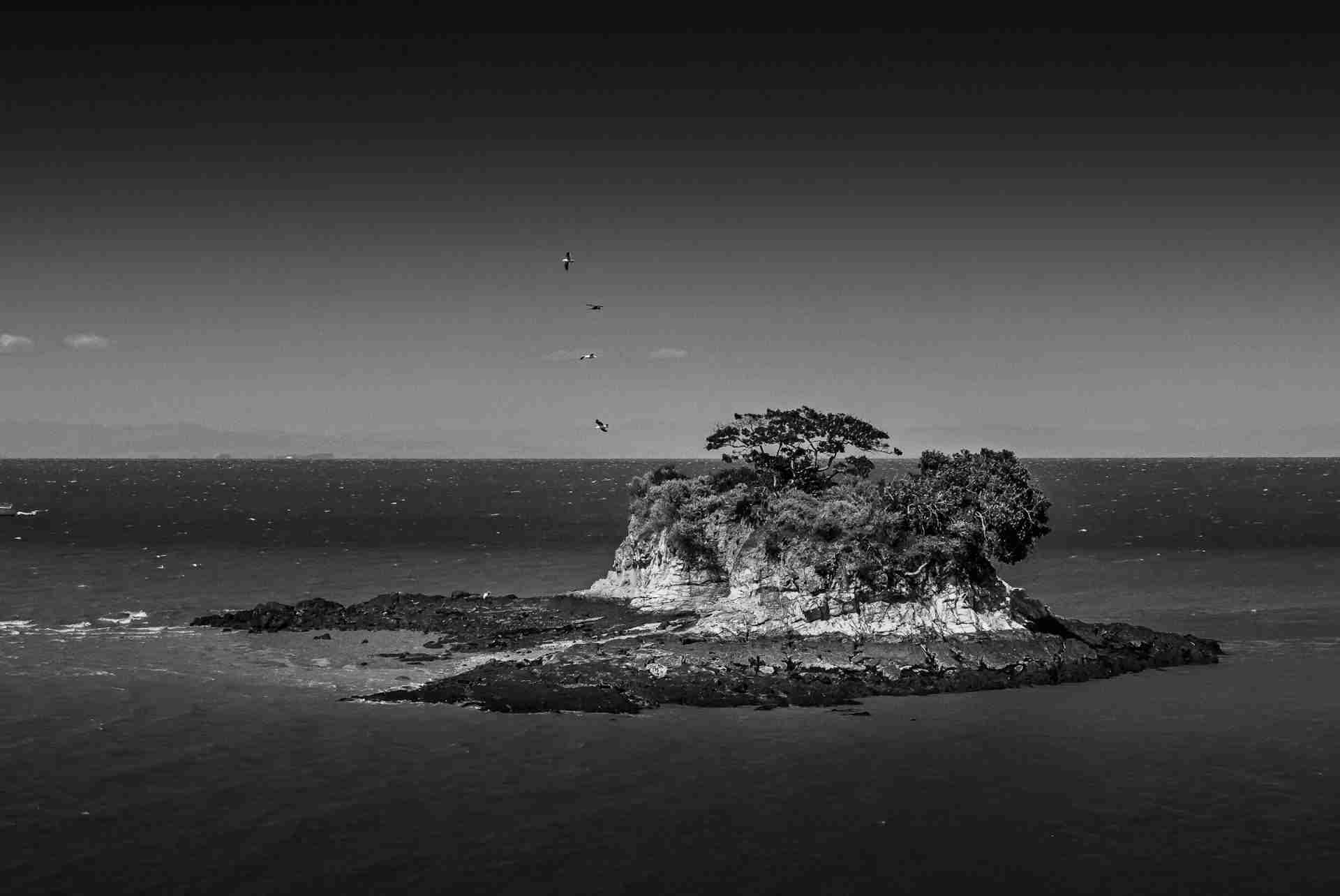
Just offshore from the trails of China Camp State Park, Rat Rock Island rises out of San Pablo Bay as a compact but striking feature along the coast. Though small in scale, the island's rocky shape and position in the bay give it a strong visual presence, especially when framed by the still water. The surrounding cove is quiet and open, with long stretches of trail that offer clear views of the island from multiple vantage points. It's a great setting for working with simple compositions that rely on shape, reflection, and natural light. While it might not be a dramatic destination, it's the kind of place that rewards patience and makes space for subtle, well composed images.
Best Photography Opportunities
• Shoreline Trail
The shoreline trail that runs between Back Ranch Meadows and China Camp Village offers the clearest and most consistent views of Rat Rock Island. Several bends in the trail open up toward the bay, giving you different distances and angles to work with. From these spots, the island sits cleanly against the water with gentle hills in the background, and the curved shape of the shoreline helps guide the composition. Morning is a good time to photograph from here, as the sun rises over the hills and lights the island and water from the side. A standard zoom lens gives you the flexibility to switch between wider context shots and more focused frames without changing your position too much.
• Low Tide
At low tide, the shoreline near the trail exposes rocks, driftwood, and seaweed patterns that are easy to use as foreground elements. These textures give depth to your composition and help build a visual path from the edge of the frame toward the island. Working from a low angle can help bring these details into focus while keeping Rat Rock Island sharp in the background. The contrast between the rough foreground and the smooth water often works well, especially in early morning light when shadows are soft and color is still cool. A wide angle lens lets you stretch the foreground and still include the island in a balanced way, without making the background feel too far away.
• Sunset Silhouettes
During sunset, some sections of the trail line up with the island in the direction of the setting sun. This creates strong backlit scenes where the island becomes a dark silhouette against colorful skies. On clear days, you might get a full gradient of warm color that reflects onto the surface of the bay, while cloudy evenings bring a softer, more muted look. These conditions work well for more abstract compositions with fewer elements: just the island, the water, and the sky. A longer lens helps compress the space and makes the island stand out more clearly, especially if you want to minimize the surrounding shoreline or include the sun itself in the frame.
• Overcast and Foggy Mornings
On foggy days, which are common from late fall through early spring, the island takes on a more subtle tone, and the entire cove softens. The hills in the background fade into the haze, and the island becomes a clear shape against a quiet, low contrast background. These conditions are good for minimalist images where you're working with tone and mood more than color or sharp light. Manual exposure and a neutral white balance help keep things consistent, especially when light levels are low. These conditions can shift quickly, so it helps to return to the same spots at different times to catch the right combination of fog and clarity.
• Evening Reflections
On still evenings, the bay sometimes flattens out into a mirror like surface, especially in the hour after sunset when wind drops and the light fades. If conditions are right, the island reflects cleanly in the water, creating symmetrical compositions that are hard to capture elsewhere along the Marin coastline. These scenes benefit from slower shutter speeds, so a tripod is useful for keeping the image sharp as the light drops. A low position near the trail edge or shoreline helps emphasize the reflection, especially when there are no ripples or boats in the frame. Waiting through the full twilight period can give you the best results, when the sky is darkening but still holds enough light for clear exposures.
Best Time to Visit
Rat Rock Island and the surrounding shoreline are at their best in the early morning and late afternoon hours, when the light is soft and the water is more likely to be calm. In the morning, the sun rises over the hills to the east, lighting the island and cove with a gentle side light that brings out the texture of the shoreline and adds color to the water. Fog is common during this time, especially in the colder months, and often lifts slowly, allowing for moody scenes followed by clearer light. These transitions are useful for building a variety of shots in a single visit.
Evening is also productive, especially in the spring and fall when the sun sets at a lower angle and the sky often picks up rich color over the bay. The island becomes more of a silhouette at this time, and the water may reflect the colors of the sky if wind is low. This is a good time for shooting longer exposures or experimenting with high contrast compositions. Overcast days spread the light more evenly and allow for longer shooting sessions without the strong highlights or deep shadows that come with clear skies.
Midday light is less effective here, as the sun flattens out texture and introduces glare off the water. The bay often becomes choppier in the afternoon, and the trail is busier during these hours. If you visit during the middle of the day, it's best to focus on tighter compositions or plan for scouting rather than full sessions.
How to Get There
Rat Rock Island is located just offshore in Rat Rock Cove, which is part of China Camp State Park in San Rafael, California. The park is accessed via North San Pedro Road, which runs along the eastern shoreline of San Pablo Bay. From the entrance to the park, follow the road north past Back Ranch Meadows and continue along the water. Several pullouts and small parking areas are located along this route, with the clearest views of the island found between Back Ranch Meadows and China Camp Village.
The shoreline trail follows the edge of the bay, and there's no steep terrain to deal with. It's an easy walk with several open spots to stop and set up. Day use parking is available in signed lots, and some roadside spaces are free, depending on where you stop. The trail is open year round during daylight hours, and tripods are allowed throughout the park. There are no photography restrictions in public areas, and since the island is not accessible by foot, all shooting will be done from land.
Recommended Photography Gear
A standard zoom lens such as a 24 to 70 millimeter is ideal for working the trail views, giving you flexibility to adjust your frame depending on the curve of the shoreline or the position of the island in the scene. A longer lens in the 70 to 200 millimeter range is helpful during sunset or fog, especially if you want to isolate the island or create more compressed, abstract frames. For wider scenes at low tide or with foreground elements, a wide angle lens allows you to emphasize shoreline textures while still keeping the island in frame.
A tripod is useful for early and late shooting, and especially helpful for long exposures during calm water conditions. A polarizing filter can help manage glare off the bay and darken the sky slightly, but it's not always necessary. A neutral density filter is a good option if you're planning to shoot longer exposures in bright light or smooth the water during windy conditions.
A lens cloth is essential on foggy days, as moisture in the air can build up quickly on your lens. A remote shutter release or a two-second timer helps avoid camera shake when working from a tripod. Because the location is right off the road and the trail is flat, there's no downside to bringing a full gear kit and adjusting based on light and weather.
Nearby Photography Locations
South of Rat Rock Cove, this historic fishing village offers rustic wooden piers, boats, and preserved shoreline buildings. The bay here is often calm, and morning light works especially well across the water and buildings. It's a good change of pace from the open compositions near the island.
This area of the park has open space, oak trees, and elevated trail sections that give a higher view across the water. It's an easy place to photograph sunrise light over the bay and can also be used for layering the landscape with a mix of grass, trees, and shoreline.
For a higher elevation view, this trail climbs above the shoreline and looks out across San Pablo Bay. On clear days, you can see the island and surrounding coast with a much broader perspective. Afternoon light is best here, and the trail is manageable with lightweight gear.
A few miles south of China Camp, this park has a wide view of the bay and is a good location for sunset photography. The island appears in the distance from here but can still be worked into layered shoreline compositions. The area also includes a small pier and beach.
• North San Pedro Road pullouts
Several small roadside turnouts along the water offer quick access to the bay and unobstructed views. These locations are easy to reach and are useful if you're chasing changing light and want to avoid trail crowds. They also work well for handheld shooting during good weather.
Rat Rock Island may be small, but its setting along the edge of the bay makes it a reliable and flexible subject for photographers looking to work with simple shapes and changing light. Whether you're shooting a morning reflection, a foggy silhouette, or a warm sunset, the location gives you space to move and time to wait. It's the kind of place that makes the most of quiet conditions and lets you build strong images without distraction.
Comments
Loading comments…