
Sculpted Soundscapes: A Photographer's Guide to Walt Disney Concert Hall in Los Angeles
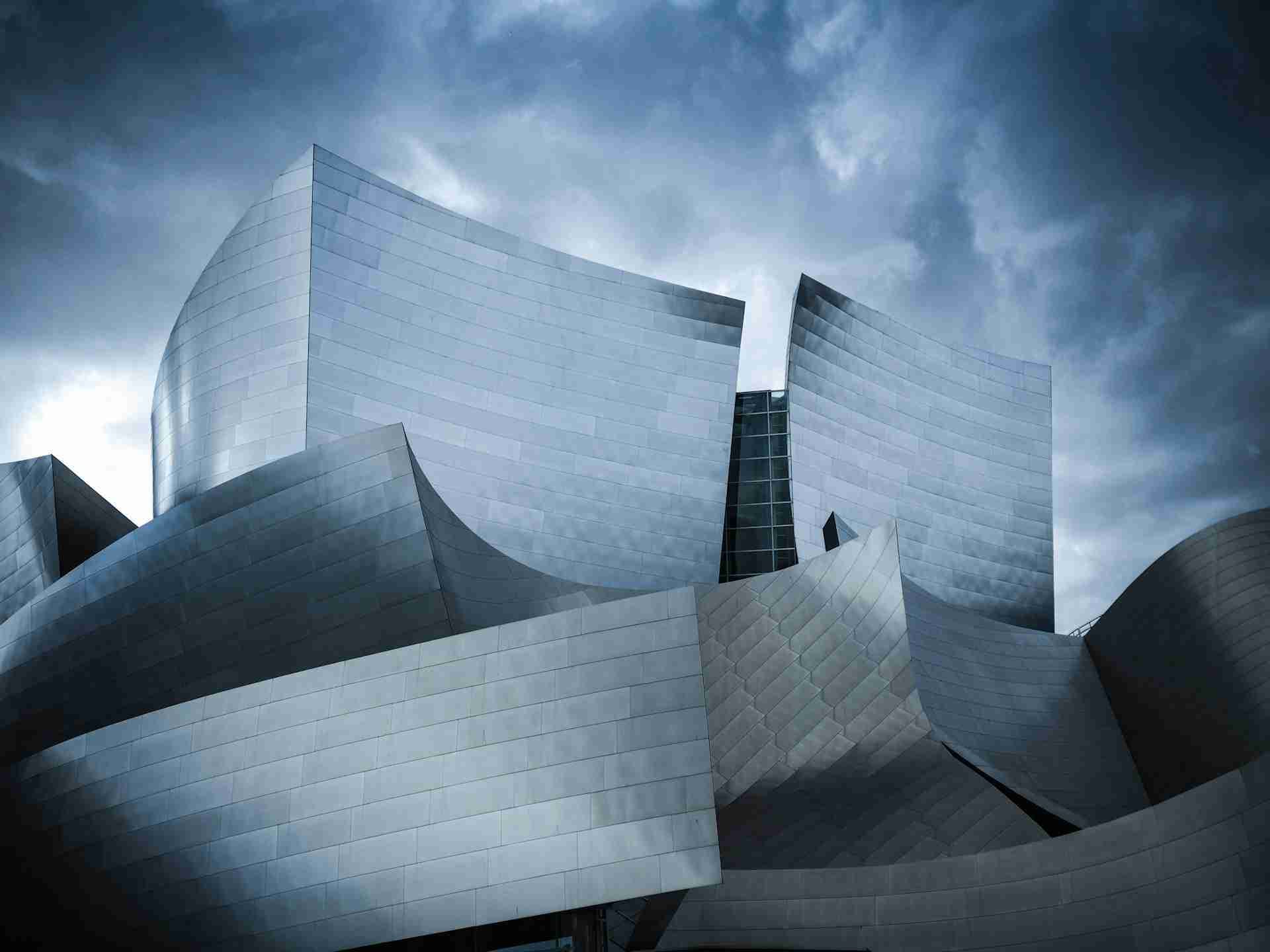
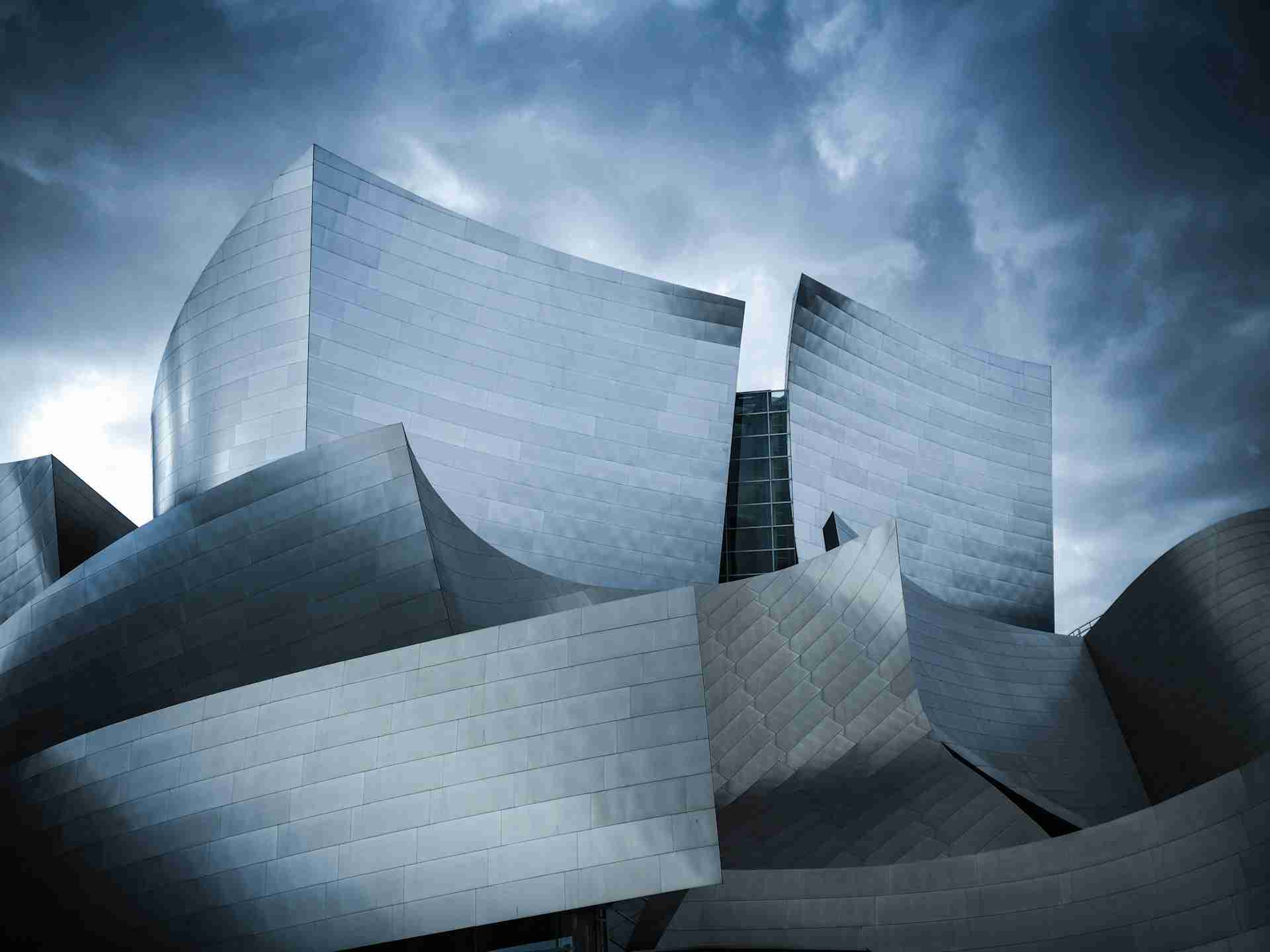
The Walt Disney Concert Hall in downtown Los Angeles is one of the most visually dynamic buildings in the United States. Designed by architect Frank Gehry, this structure of sweeping stainless steel panels and unconventional lines offers photographers a playground of reflections, patterns, and urban contrasts. It stands as a bold example of modern architecture that encourages exploration from every angle. Whether you're capturing the building's shimmering surfaces in morning light or isolating abstract compositions under artificial illumination, this hall delivers a diverse range of photographic possibilities.
Best Photography Opportunities
• Morning reflections on the steel panels
In the early morning, the sun casts soft, golden light onto the building's metallic skin. The reflections and shadows change rapidly, giving photographers a brief but magical window to capture the building's textures without harsh glare. Use a wide-angle lens from across the street to frame the entire hall against the morning sky. Close-up shots near the curved panels allow you to explore the subtle details in the brushed steel, which picks up surrounding colors and light in surprising ways. Try to position yourself at an angle where the light creates gradients along the surfaces for added depth, and experiment with foreground elements such as nearby benches or stair railings to introduce perspective and context.
• Midday light and architectural lines
As the sun rises higher, the sharp lines and intersecting curves of the building come into sharp focus. Midday provides stronger contrast that emphasizes the sculptural quality of the exterior. A standard zoom lens works well for composing scenes that highlight the structure's rhythm and depth. Black-and-white images can be especially striking during this time, as they enhance the interaction of shadow and form. Consider walking around the entire perimeter to catch the subtle changes in design that aren't visible from just one side. Look for sections where the building meets the street for opportunities to incorporate urban life into the composition, such as people walking or traffic flowing past.
• Late afternoon shadow play
In the hours leading to sunset, shadows stretch across the building's surface, deepening the visual complexity of its layered design. Move around the site to find vantage points where long shadows interact with the metallic planes. This is a great time to work with mid-to-telephoto lenses to isolate sections of the architecture where light and dark compete. Look for moments when light filters through nearby structures or trees, creating unique patterns on the hall's surface. Golden-hour hues warm the steel and add richness to the color palette. A tripod is helpful for keeping compositions sharp as the light starts to fade, especially if you're shooting from shaded areas or low-contrast settings.
• Night photography and glowing forms
After dark, the concert hall takes on a more intimate and dramatic character. The building is lit from various angles with warm, artificial lighting that emphasizes its curves. A tripod and wide-angle lens are essential to capture the full breadth of the structure while keeping the image sharp. Long exposures can turn passing car lights into colorful trails and give the scene an energy that contrasts with the static lines of the architecture. Try including background elements like high-rise lights or the moon if visible to provide atmosphere. The interplay of warm artificial light on the metallic surfaces and the cool ambient tones of the night sky offers a balanced and immersive visual experience.
• Close-up detail shots
The hall's exterior is full of surprising textures and shapes. Use a macro or prime lens to zoom in on the seams, joints, and finishes between panels. The reflections of city lights or nearby buildings can be caught in just a few square inches of steel, making for abstract and painterly images. Early morning or late afternoon is best for these shots, when the light casts gentle gradients across the metal. Focus on areas where different planes of the building intersect, forming sculptural angles. These close-up studies are perfect for creating a series or exploring visual rhythm through repeated lines and tones, especially when working in monochrome.
Best Time to Visit
The Walt Disney Concert Hall offers photogenic qualities throughout the year, but each season and time of day brings its own benefits. Spring and autumn are especially comfortable, with clear skies and pleasant temperatures that make extended shooting sessions enjoyable. During these seasons, the early morning and late afternoon light provide optimal conditions for capturing both full-building shots and detail work.
Summer is best approached with early morning or late evening sessions, as the midday sun can create strong glare and discomfort due to heat. However, this time of year is excellent for night photography, thanks to longer twilight and vibrant street activity.
Winter provides crisp air and lower sun angles, which are ideal for long shadows and balanced lighting. Early sunsets make it easier to transition from day to night shots without staying out late. Overcast days in winter can soften the metal's shine, offering a more subdued, moody tone for minimalist compositions.
Regardless of the season, weekdays are generally less crowded, making it easier to shoot uninterrupted. Morning light, especially shortly after sunrise, is consistently the best for catching clean reflections and avoiding heavy pedestrian traffic.
How to Get There
The Walt Disney Concert Hall is located at 111 South Grand Avenue in downtown Los Angeles. It is easily accessible by car, with several nearby parking garages available for public use. Metered street parking can be found in the surrounding blocks, though spaces fill quickly during business hours.
For those using public transit, the Civic Center/Grand Park Metro station is only a short walk away and connects with major bus and train lines throughout the city. From there, follow signs along Grand Avenue to reach the hall's main entrance.
Visitors can freely walk around the building's exterior, including a rooftop garden accessible by a staircase on the south side. Photography is generally allowed, though tripods may draw attention from security if used extensively. For any professional or commercial shoots, permits should be arranged through the Music Center's administration.
Recommended Gear for Walt Disney Concert Hall Photography
Photographing this location calls for a versatile camera kit. A wide-angle lens, such as 16 to 35 millimeters, is essential for capturing the entire building or dramatic perspectives from nearby walkways. A mid-range zoom, like a 24 to 70 millimeter lens, is ideal for isolating compositions from across the street or working tighter scenes within the architecture.
For fine details or abstract work, a short telephoto or macro lens will help bring out subtle patterns and textures in the metal. A sturdy tripod is important for dusk and night photography, and a remote shutter release is helpful for minimizing shake during long exposures.
Polarizing filters can reduce glare and increase color saturation in the reflective steel, while lens cloths will help keep optics clean in the dusty urban environment. Carry spare batteries and memory cards if you plan to stay for a full day of shooting. Sunglasses, water, and sun protection are advised if you'll be shooting midday during the warmer months.
Nearby Photography Locations
• Grand Avenue Steps
The steps and terraces directly in front of the concert hall provide strong leading lines and help to frame the building from lower elevations. These angles are particularly effective in early morning or late afternoon light.
Located across the street, The Broad's honeycomb-like exterior contrasts well with the concert hall's flowing lines. You can shoot reflections of one in the other from certain corners of Grand Avenue.
This neighboring structure features a more traditional design with columns and stone detailing. Photographing it alongside the concert hall allows for thematic contrasts between modern and classical architectural styles.
This publicly accessible space sits atop the Walt Disney Concert Hall and offers not only lush foliage and art installations but also a different perspective on the upper contours of the concert hall. It's ideal for elevated shots and wider cityscapes.
• First Street Underpass
Beneath the adjacent First Street bridge, you'll find gritty textures and directional light filtering through concrete supports. This location provides excellent contrast for more urban-themed images that still include glimpses of the hall above.
Comments
Loading comments…