
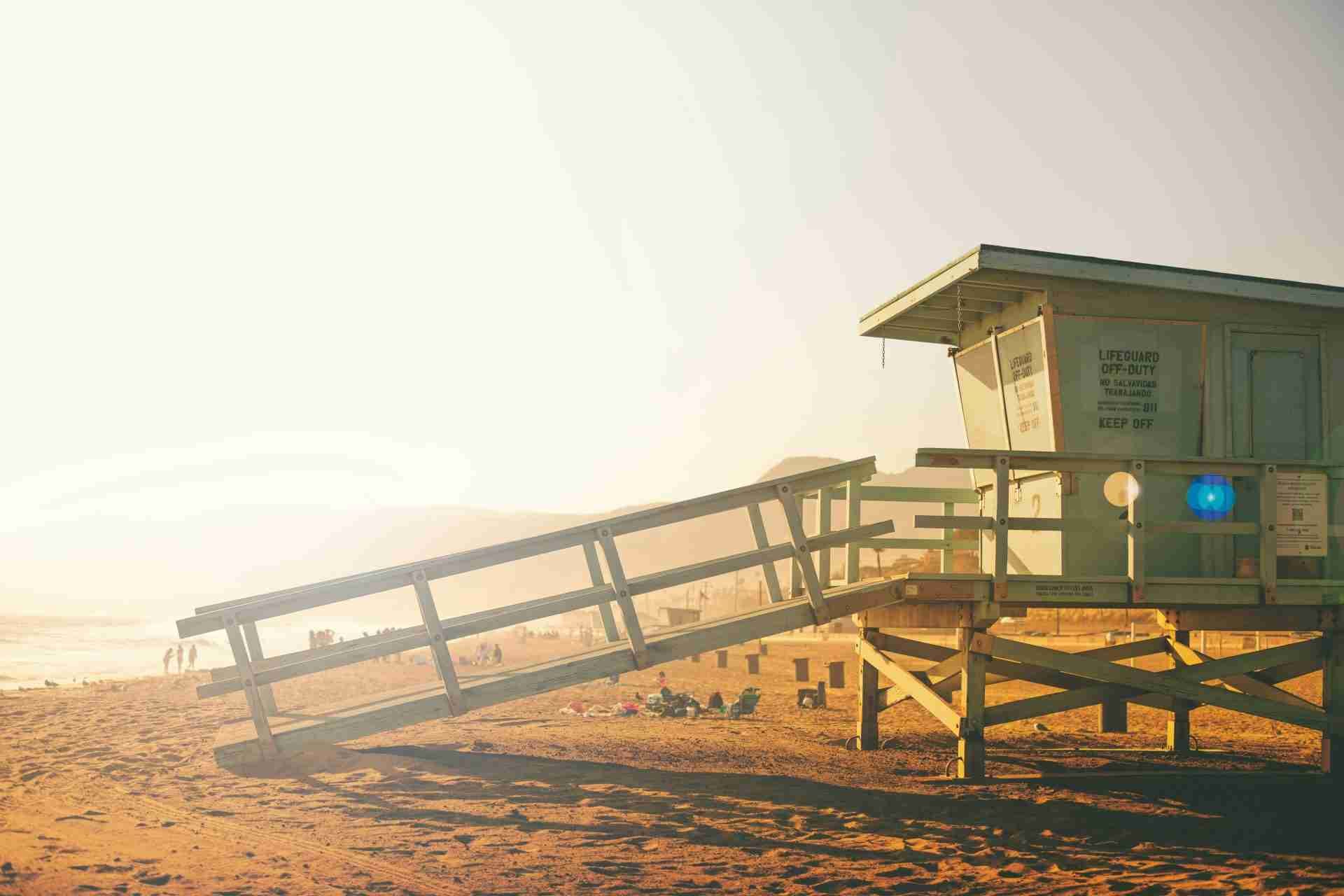
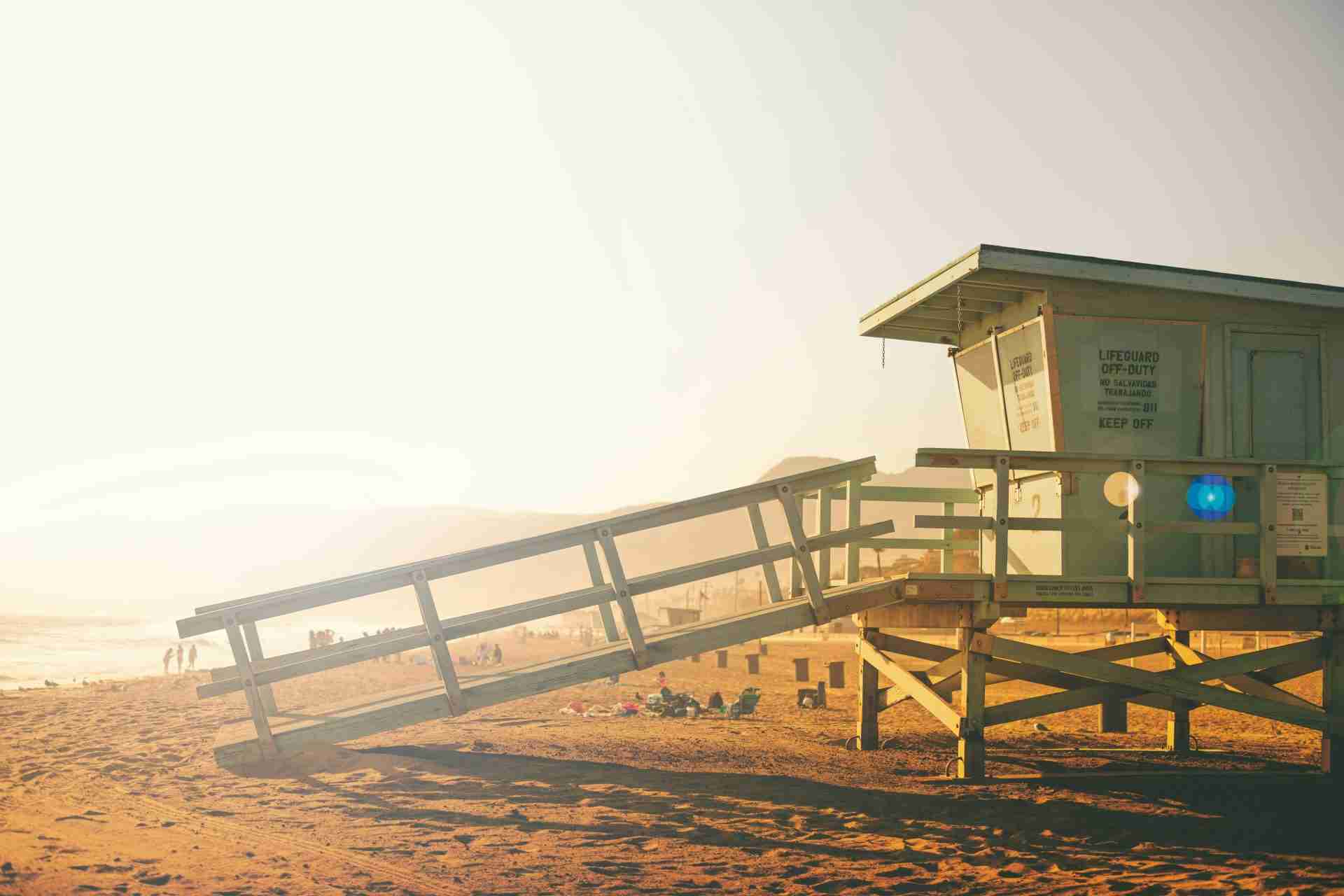
Zuma Beach stretches along the western edge of Malibu as a wide, open shoreline backed by low bluffs and the Pacific Ocean. Unlike smaller pocket beaches in the area, Zuma feels expansive and uncluttered, with long sightlines and a clear separation between sand, water, and sky. From a photography standpoint, this openness is its greatest strength. The beach is easy to read visually, which makes composition feel deliberate rather than rushed. Waves arrive with regular rhythm, the coastline curves gently, and distant headlands provide just enough structure without dominating the scene. This is a location that rewards patience, timing, and attention to subtle changes in light rather than constant movement.
Best Photography Opportunities
• Wide Shoreline Views With Breaking Waves
One of the strongest ways to work at Zuma Beach is by using wide views that place the shoreline and surf as the main subjects. The broad stretch of sand allows you to control how much foreground you include without fighting visual clutter. Small changes in position along the beach alter how waves line up as they break, which can quickly change the feel of a composition. Early light helps soften contrast between wet sand and water, keeping tones balanced. These views benefit from staying in one area and waiting for wave sets to fall into place rather than chasing individual breaks.
• Foreground Work With Wet Sand and Reflections
After waves recede, wet sand becomes a natural reflective surface that adds depth to otherwise simple scenes. Low shooting positions increase the role of reflection and help separate foreground from background. This approach works especially well when the sky has subtle color or texture rather than dramatic clouds. Careful timing is important, as reflections appear and disappear quickly between wave cycles. This technique encourages slow observation and repeated attempts from the same spot.
• Coastal Curves and Distant Headlands
From certain points along the beach, the coastline curves gently toward distant cliffs and headlands. These shapes help guide the viewer's eye through the frame and add structure without overwhelming the scene. Longer focal lengths can compress distance and bring background landforms closer, while wider lenses emphasize openness. Light grazing across the shoreline adds definition to sand texture and wave edges. These compositions feel strongest when the horizon stays clean and level.
• Human Scale Along an Open Beach
Because Zuma Beach is so wide, people can be included for scale without crowding the frame. A single figure walking along the waterline or standing near the surf can add context and proportion. Timing matters, as too many people quickly break the sense of space. Slightly slower shutter speeds can soften movement while keeping the landscape sharp. This approach works well during quieter periods when activity is spaced out.
• Details of Surf, Foam, and Texture
Beyond wide scenes, Zuma offers opportunities for tighter studies of wave action, foam patterns, and sand texture. These images rely on timing and repetition rather than location changes. Even light helps preserve detail in highlights and shadow, especially in moving water. Detail focused work is useful when the wider view feels complete or when conditions are less dramatic. It adds variety to a longer session without leaving the shoreline.
Best Time to Visit
Early morning is one of the easiest times to photograph Zuma Beach, with softer light, calmer wind, and fewer people on the sand. Morning sessions are well suited to clean shoreline compositions, reflections on wet sand, and quieter scenes that emphasize space. Sunset, however, is a defining feature of this location and should be planned for intentionally. Because the beach faces west, the sun sets directly over the ocean, creating strong opportunities for color, silhouettes, and reflected light across the shoreline. Late afternoon light leading into sunset also brings lower contrast and more texture to waves and sand. Blue hour can be especially effective here, as the wide horizon and open water allow color to linger longer than at more enclosed beaches. Midday is generally the most challenging time due to harsh light, higher contrast, and heavier beach use. Seasonal changes affect the sun's angle and crowd levels, with winter offering more dramatic skies and summer providing longer evenings but more haze.
How to Get There
Zuma Beach is located along Pacific Coast Highway in Malibu and is easily accessed by car. Large parking lots sit directly behind the beach, making gear transport straightforward. Access to the sand is simple and does not require long walks or steep paths. There is no fee to access the beach itself, though parking policies can change depending on season and time of day. Facilities and lifeguard stations are present, which helps with orientation along the shoreline. Arriving early improves parking availability and provides more freedom to choose shooting positions without crowds.
Recommended Photography Gear
A versatile lens setup works well at Zuma Beach. A standard zoom covers most needs, from wide shoreline scenes to moderate detail work. A longer focal length is useful for isolating wave patterns, compressing distant headlands, and working with human scale. A sturdy tripod is recommended for low light conditions and for longer exposures that smooth water movement. Neutral density filters can be useful for controlling shutter speed during brighter conditions. A polarizer may help manage glare on wet sand and water, though it should be adjusted carefully to avoid uneven results. Weather protection for gear is important, as wind and salt spray are common.
Nearby Photography Locations
Located just east of Zuma, Point Dume offers higher elevation views and stronger landforms. It provides a good contrast to Zuma's open shoreline.
Known for rock formations and tighter spaces, El Matador introduces more dramatic foreground elements. It pairs well with Zuma for variety in a single outing.
This area offers a mix of beach, tide pools, and coastal bluffs. It works well for exploring different textures and scales along the coast.
The lagoon provides calmer water, reflections, and bird life. It is useful for quieter scenes away from breaking surf.
Further south, Topanga adds a more urban edge to coastal photography. It can help broaden the visual story of the Malibu coastline.
Comments
Loading comments…