
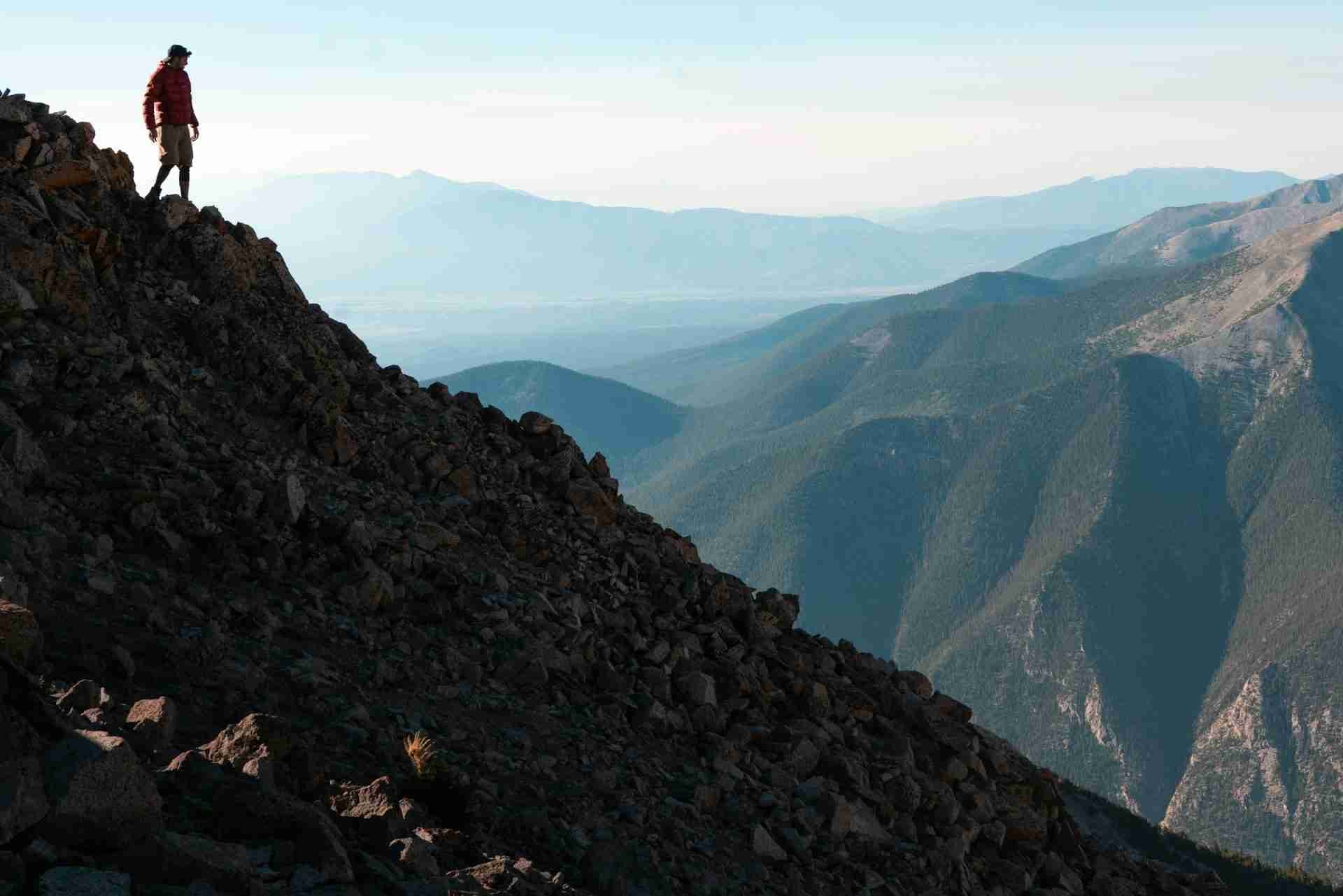
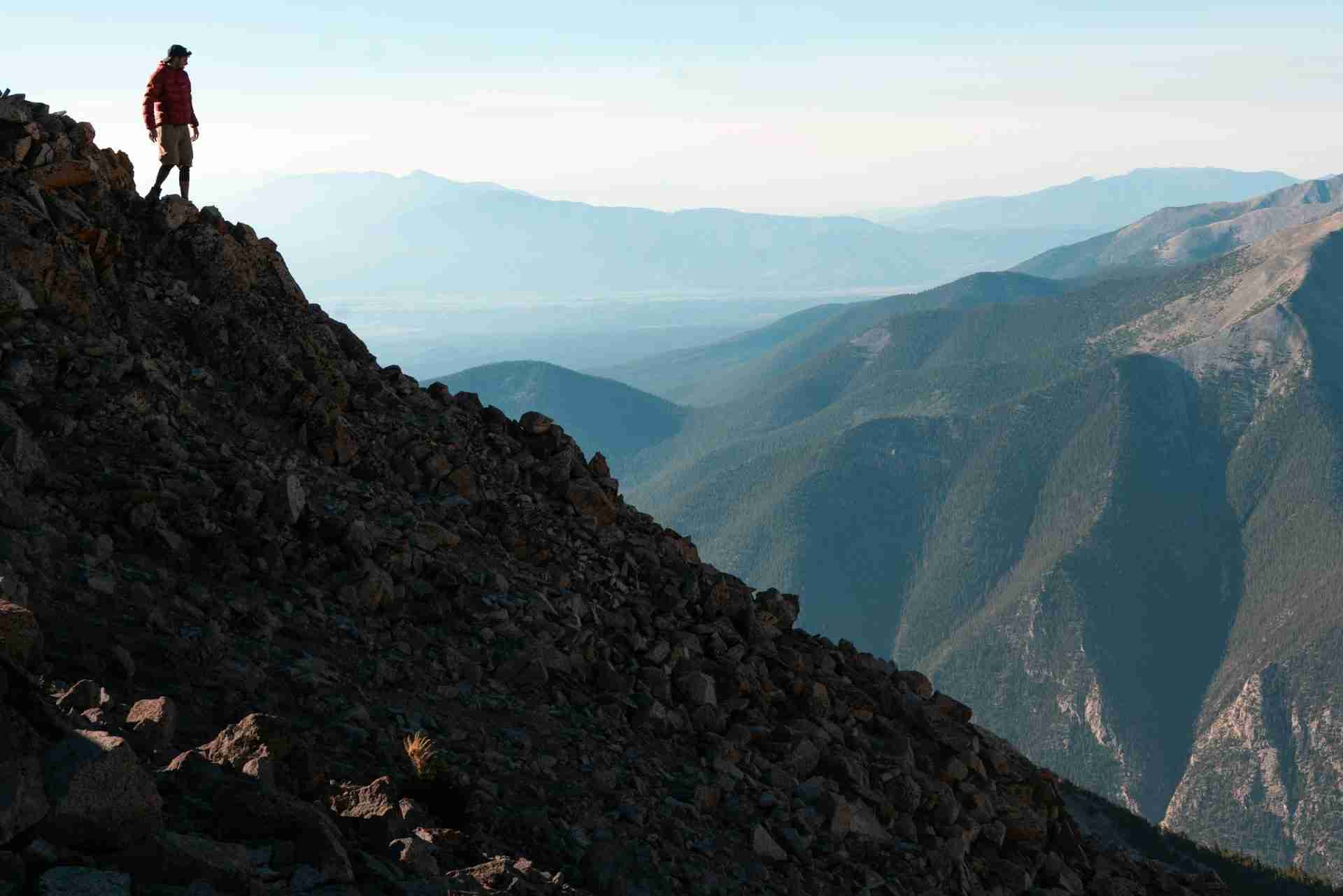
Mt Princeton rises prominently above the Arkansas River Valley in central Colorado, forming part of the Sawatch Range and standing as one of the state's "Fourteeners". From almost anywhere in the town of Buena Vista, the mountain commands attention with its broad shoulders and high alpine summit. What makes Mt Princeton especially appealing for photographers is how accessible it feels compared to more remote peaks. You can photograph it from open valley floors, reflective riverbanks, forested mid elevations, or high alpine slopes without committing to a technical climb. The mountain's shape is strong and readable, which makes it easy to build clean compositions around it. Combined with Colorado's dramatic weather shifts and expansive skies, Mt Princeton offers year round opportunities for landscape photographers who enjoy working with scale, depth, and changing light.
Best Photography Opportunities
• Summit Ridge Leading Lines –
The ridgeline near the summit provides natural leading lines that guide the viewer's eye into the surrounding Sawatch Range. By positioning yourself slightly off the highest point, you can use the ridge as a diagonal element that pulls the frame toward distant peaks. Early morning or late afternoon light enhances subtle contours in the rock and prevents the scene from feeling flat. A moderate focal length helps compress distant mountain layers, making them feel more connected and less scattered. Including textured foreground stones at your feet gives the composition weight and keeps the viewer grounded in the high alpine setting. Small shifts in your stance can dramatically change how ridgelines overlap, so take the time to refine alignment rather than settling for the first view you see.
• Sunrise Toward the Arkansas River Valley-
Facing east from the summit opens up a sweeping view toward the Arkansas River Valley and beyond. Before sunrise, the sky often transitions through soft gradients of blue and pink, which contrast beautifully with the darker silhouette of lower terrain. As the sun rises, distant plains may catch light before the higher ridges do, creating layered depth that works well in wide compositions. Calm mornings are common at first light, making this one of the most stable windows for shooting. Because the color and contrast shift quickly once the sun breaks the horizon, it helps to pre visualize your composition and lock in your framing early. Keeping the horizon level is especially important here, since the open sky dominates much of the frame.
• Storm Light and Weather Systems-
Afternoon weather patterns are part of the high altitude experience on Mt Princeton. While safety should always come first, passing cloud systems can create striking light contrasts when sunlight breaks through gaps. Dark cloud cover over one section of the range paired with illuminated ridges elsewhere can add depth and drama without feeling forced. A telephoto lens is particularly useful in these moments, allowing you to isolate sunlit peaks against darker backgrounds. Rapidly shifting conditions mean you should keep your camera accessible rather than packed away. Even subtle changes in cloud density can transform the scene within minutes.
• High Alpine Detail Studies-
It is easy to focus only on panoramic views at fourteen thousand feet, but the summit also offers strong close range subjects. Fractured granite, lichen covered rock, and wind shaped textures provide opportunities for abstract compositions. Midday light, which can be challenging for wide landscapes, often works well for highlighting surface detail and contrast in cracks and edges. By isolating smaller sections of rock against open sky, you can create images that feel intimate despite the expansive setting. This approach also helps diversify your portfolio from a single summit visit rather than returning with only wide horizon shots.
• Late Day Light Across the Continental Divide –
As the sun lowers in the sky, light begins to skim across distant ridges, revealing subtle changes in elevation and slope. The Continental Divide becomes more defined as side light enhances its contours. A wide lens works well for capturing the full sweep of peaks, but strong images still depend on a clear foreground anchor. Slight underexposure helps preserve highlight detail in the sky while maintaining rich tones in the terrain. Staying on the summit through the final phase of golden hour often yields the most balanced light of the day. The combination of long shadows and warm tones can give depth to an otherwise stark alpine environment.
Best Time to Visit
Summer is the most accessible season for reaching the summit. Trails are typically clear of snow, and road access to trailheads is more reliable. However, afternoon thunderstorms are common, so early starts are essential both for safety and for better light. Sunrise often provides the clearest conditions and the calmest wind.
Autumn can offer crisp air and improved visibility, with fewer hikers on the trail. Winter and spring ascents are possible but require proper preparation, snow travel skills, and awareness of avalanche conditions. Snow cover can simplify the landscape and emphasize the mountain's contours, but access may be limited. The lower sun angle during colder months also creates longer periods of directional light. Regardless of season, checking detailed weather forecasts before your climb is critical, as conditions can change quickly at altitude.
How to Get There
Mt Princeton Summit is accessed via established hiking routes near Buena Vista, Colorado. Most visitors reach the area using US Highway 285, then follow local roads toward the Mt Princeton trailheads. From the trailhead, the summit requires a sustained hike at high elevation, with significant elevation gain.
Parking is available at designated trailhead areas, though road conditions and access can vary by season and vehicle type. Depending on land management policies, a parking or day use fee may apply, though regulations can change. The hike is physically demanding and requires planning for both ascent and descent time. Because you are committing to a high altitude environment, bring sufficient water, food, and weather appropriate clothing. Starting before sunrise is common for both safety and optimal photography conditions.
Recommended Photography Gear
Weight matters on a summit climb, so choose gear carefully. A wide lens is essential for expansive alpine views, while a mid range zoom offers flexibility for adjusting framing without constant repositioning. A telephoto lens is valuable for isolating distant peaks and compressing mountain layers during interesting light.
A lightweight but stable tripod is recommended for sunrise and sunset work, though it should be manageable on the ascent. Extra batteries are important, as cold temperatures and elevation can reduce battery life. A polarizer can help deepen blue skies, but use it carefully to avoid uneven tones across very wide scenes. Weather protection for your camera is essential since wind, sudden rain, or even small hail can occur without much warning. Comfortable carrying systems and layered clothing are just as important as lenses when working at this elevation.
Nearby Photography Locations
sits in the Arkansas River Valley and offers open views of the Collegiate Peaks, including Mt Princeton. Riverfront areas provide strong foreground elements that frame the mountains beautifully at sunrise. The town itself adds subtle human context without overwhelming the landscape.
provides high elevation access with sweeping views across the Continental Divide. Multiple pullouts along the road make it easy to work different angles without a long hike. Sunrise and sunset both bring strong directional light across the surrounding peaks.
offers reflective water surfaces that mirror nearby mountains during calm mornings. The shoreline provides multiple vantage points for experimenting with foreground rock and vegetation. Clear conditions here can produce crisp reflections that complement high alpine summit shots.
features preserved wooden buildings set against mountain backdrops. Early morning light highlights texture in the structures while keeping the surrounding peaks softly illuminated. Pairing historic architecture with alpine scenery adds variety to a mountain focused portfolio.
offers massive sand dunes framed by distant mountains. The contrast between flowing sand patterns and rugged peaks provides a completely different visual experience. Sunrise and sunset create strong shadow lines across the dunes, making it an excellent addition to a Colorado photography trip.
Comments
Loading comments…