
![Red Bridge Over the Housatonic in West Cornwall The West Cornwall Covered Bridge spans the Housatonic River in the small […]](https://storage.googleapis.com/pixeo-blog.firebasestorage.app/article-images/wp-import/featured-136068.jpg)
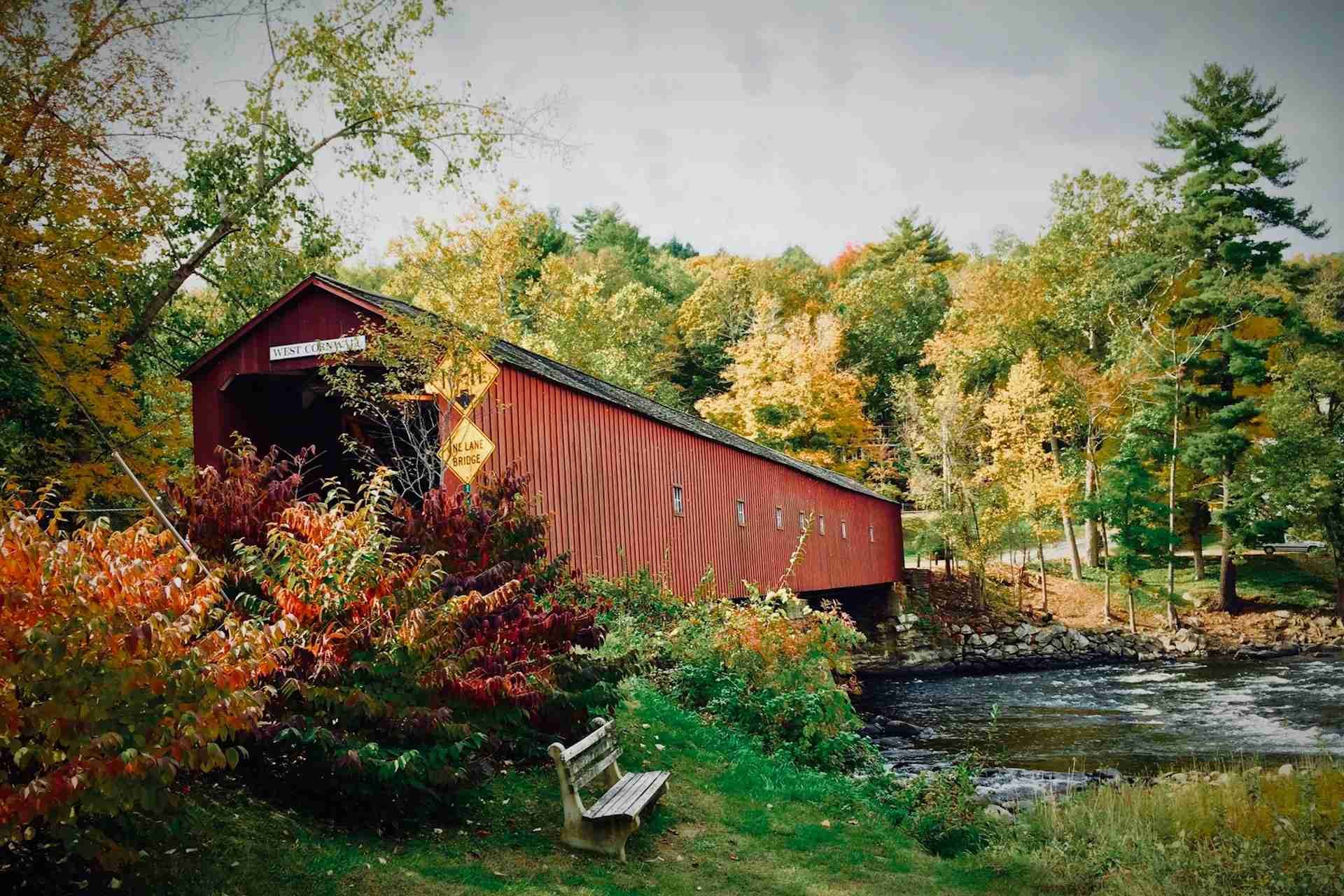
The West Cornwall Covered Bridge spans the Housatonic River in the small village of West Cornwall, creating one of the most photogenic historic scenes in rural Connecticut. Built in the nineteenth century, the wooden bridge stretches across the river with its deep red exterior standing out against the surrounding forest. The quiet setting along the riverbank gives photographers multiple perspectives of the bridge from both water level and elevated roadside viewpoints. Depending on the season, the surrounding landscape changes dramatically as summer greenery, autumn color, winter snow, and spring river flow reshape the character of the scene. For photographers who enjoy historic structures placed within a natural landscape, the West Cornwall Covered Bridge offers a timeless subject that rewards careful composition and patience with light.
Best Photography Opportunities
• View from the River Bank – One of the most recognizable perspectives of the bridge comes from the riverbank just downstream of the structure. From this position photographers can frame the entire length of the bridge as it crosses the Housatonic River with the surrounding hills rising behind it. The river itself provides an excellent foreground element, especially when the water is calm enough to reflect the red wooden structure. Positioning rocks or sections of the shoreline in the lower portion of the frame can help anchor the composition and guide the viewer toward the bridge. Early morning often brings softer light and fewer visitors, making it easier to work slowly and refine the framing.
• Inside the Covered Bridge – Walking inside the bridge offers a completely different photographic experience focused on light, texture, and perspective. The long wooden tunnel creates strong leading lines that guide the viewer through the structure toward the bright opening at the far end. The wooden beams and trusses reveal the craftsmanship of the historic design and provide repeating patterns that work well for architectural photography. Waiting for a car to enter the bridge can add motion and scale to the scene, especially if headlights create a glow within the darker interior. Using a tripod can help capture the subtle details of the wood structure in lower light conditions.
• Above the Housatonic River – Drone photography reveals the full setting of the bridge within the Housatonic River valley. From above, photographers can capture the red bridge crossing the river while the surrounding forest and hills frame the landscape. Flying slightly downstream allows the bridge to sit diagonally across the frame with the river winding through the scene. Seasonal changes become especially noticeable from the air as autumn colors or winter snow reshape the surrounding landscape. Always check local regulations and operate responsibly when flying, particularly around historic structures and residential areas.
• Autumn Color Surrounding the Bridge – During autumn the hills and trees surrounding the bridge fill with rich seasonal color, transforming the entire scene. Reds, oranges, and yellows from the surrounding forest create a vibrant backdrop that contrasts with the deep red structure of the bridge. Photographers can use the riverbank or nearby roadside viewpoints to include both the bridge and the surrounding hillsides in the same composition. Calm river conditions can produce reflections that double the impact of the autumn colors. Arriving early in the morning often helps capture mist rising from the river on cooler days.
• Winter Snow Along the River – Snowfall brings a quieter atmosphere to the bridge and simplifies the surrounding landscape. Fresh snow covering the riverbank and nearby hills creates clean lines that highlight the shape and color of the structure. The red bridge stands out strongly against the white surroundings, making it the clear focal point of the scene. Overcast winter days often produce balanced light that preserves detail in both the snow and the darker wood tones. Footprints and tire tracks can add subtle human elements that show how the bridge continues to serve the community.
Best Time to Visit
Autumn is widely considered the most rewarding season to photograph the West Cornwall Covered Bridge. The surrounding hills fill with seasonal color, creating a rich backdrop that complements the deep red structure of the bridge. Early morning light during this time can produce soft mist rising from the Housatonic River, adding depth and atmosphere to the scene.
Spring and summer also provide appealing conditions, particularly when the surrounding forest fills with fresh greenery. During spring the river sometimes runs higher due to seasonal rainfall, which can create more dynamic water scenes along the riverbank. Winter offers a completely different character when snowfall blankets the landscape and simplifies the scene around the bridge.
Lighting conditions are often best during early morning and late afternoon when the sun sits lower in the sky. These times help reveal texture in the wooden structure while keeping contrast manageable along the river and hillsides.
How to Get There
The West Cornwall Covered Bridge is located in the village of West Cornwall in Litchfield County, Connecticut. The bridge crosses the Housatonic River along Route 128 and remains open to vehicle traffic. Parking is available in small pull off areas near the bridge and within the village of West Cornwall. Photographers can then walk along the roadside or down toward the riverbank to reach several well known viewpoints.
Access to the bridge and surrounding public viewpoints is generally free. Visitors should remain aware of vehicle traffic when walking near the bridge since it still functions as a working roadway. The nearby riverbanks and roadside viewpoints provide several safe areas where photographers can set up tripods and work without interfering with traffic.
Recommended Photography Gear
The West Cornwall Covered Bridge benefits from a flexible lens setup since photographers may want both wide landscape views and tighter architectural details. A wide lens is useful for capturing the bridge along with the river and surrounding hills. A moderate zoom lens works well for isolating sections of the wooden structure or focusing on reflections along the water.
A tripod can be very helpful, especially during early morning or late afternoon when light levels are lower. Long exposures may also be useful when photographing the river flowing beneath the bridge or capturing vehicle headlights inside the covered structure. A circular polarizing filter can reduce glare on the river surface and help reveal reflections of the bridge and surrounding landscape. During autumn or winter, weather protection for both the photographer and camera equipment can make longer shooting sessions more comfortable.
Nearby Photography Locations
features a series of waterfalls that cascade down a steep hillside beside a stone lined stream. A walking path and viewing platforms allow photographers to capture different angles of the falls as the water drops through several levels. The location is especially appealing during autumn when seasonal color fills the surrounding forest.
crosses the Housatonic River just south of Kent and includes another historic covered bridge nearby. The stone bridge and surrounding forest create a scenic river crossing that offers both architectural and landscape photography opportunities. The nearby covered bridge provides an additional historic subject within a short distance.
follows a long stretch of the Housatonic River through forested hills and quiet picnic areas. Photographers can capture peaceful river scenes, wooded trails, and seasonal color throughout the year. Early morning often produces gentle mist rising above the river which adds depth to landscape compositions.
offers hiking trails that lead to elevated viewpoints overlooking the surrounding hills of Litchfield County. From higher points along the trails photographers can capture wide landscape views across forested ridges and valleys. Autumn is particularly rewarding when the hills fill with seasonal color.
contains scenic overlooks that provide broad views across the hills of northwestern Connecticut. Photographers visiting during autumn can capture sweeping views of the surrounding forests as they change color. The elevated perspective allows for layered landscape compositions that contrast with the more intimate river scenes around the West Cornwall Covered Bridge.
Comments
Loading comments…