
![Pier Perspectives: A Photographer’s Guide to the Old Naples Pier, Florida The Old Naples Pier stands as one of Florida’s […]](https://storage.googleapis.com/pixeo-blog.firebasestorage.app/article-images/wp-import/featured-132576.jpg)
Pier Perspectives: A Photographer's Guide to the Old Naples Pier, Florida
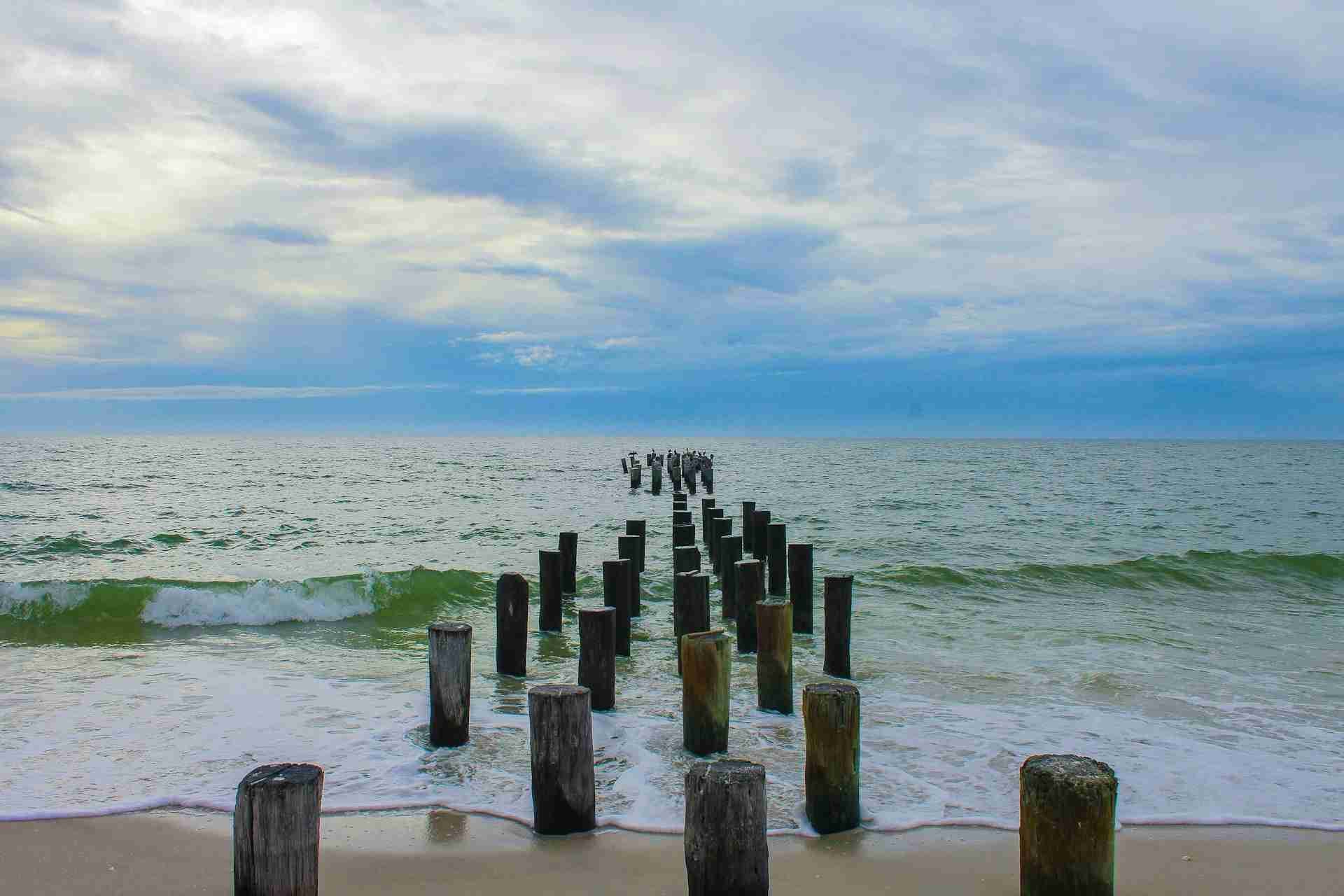
The Old Naples Pier stands as one of Florida's most iconic coastal landmarks, extending proudly into the Gulf of Mexico with weathered wooden beams and a timeless silhouette. A favorite of landscape and seascape photographers alike, this historic pier offers dynamic compositions at any hour of the day. With its long, symmetrical structure, gentle wave action, and panoramic beach surroundings, the Old Naples Pier is a must-visit for those looking to capture the serene and dramatic moods of Florida's Gulf Coast.
Best Photography Opportunities
• Golden hour silhouettes under the pier:
During the late afternoon, the sun begins to descend behind the pier, offering ideal conditions for shooting into the light. By positioning yourself beneath the wooden structure, you can frame dramatic silhouettes of the repeating pylons. This linear composition draws the viewer's eye toward the horizon, where the golden sun sets into the Gulf. Silhouetted figures of locals fishing or walking add a human element to the geometric structure. Use a wide-angle lens and spot metering to properly expose for the highlights, emphasizing contrast and form. Shooting during low tide adds visual interest to the sandy foreground, which can mirror the orange and pink hues in the sky, enriching the frame with layers of light and texture.
• Long-exposure seascapes from the pier's end:
The western edge of the pier gives photographers uninterrupted views of the Gulf waters, ideal for smooth, ethereal seascapes. With a tripod and neutral density filter, set up exposures from 10 to 30 seconds to soften wave motion and capture the subtle blend of water and sky. Include the wooden railings or light posts in your foreground for depth. On overcast days, use this technique to create minimalist compositions focused on tone and form rather than color. By incorporating distant elements like sailboats or seabirds into the background, you can add narrative and balance to the open horizon. Timing your visit during a gently rolling tide can enhance the reflective quality of the water, further elevating your image with a mirror-like sheen.
• Midday textures and architectural detail:
When the sun is higher, the pier's aging wood grain, metal fasteners, and structural features become ideal subjects for close-up work. The contrast between bright sunlight and deep shadows under the pier makes for compelling black-and-white studies. Use a mid-range zoom to isolate patterns in the beams or abstract reflections in wet sand. Polarizing filters help reduce glare and reveal the rich texture of sunlit surfaces. Macro lenses can also be used here to focus on the fine details of corroded bolts, or barnacle-covered pilings each telling a quiet story of time and tide.
• Candid portraits and beach activity:
The area surrounding the Old Naples Pier buzzes with beachgoers, fishermen, and pelicans. With a 35mm or 50mm prime lens, capture candid moments of people relaxing, casting lines, or strolling along the water's edge. The pier serves as a perfect backdrop for environmental portraits, particularly when soft morning or evening light wraps subjects in warm tones. Shooting in aperture priority mode allows for quick adjustments and a shallow depth of field that isolates your subject while maintaining the pier's atmosphere. Take advantage of moments when waves crash in the background or when light catches sunglasses or fishing reels to add sparkle and energy to your frame. During weekends and holidays, spontaneous crowd interactions provide opportunities for layered, storytelling compositions.
• Stormy skies and moody coastal drama:
Naples' summer and fall months often bring fast-moving storms, with towering cloud formations and dramatic skies. This is the time for photographers to embrace darker tonal palettes and atmospheric contrast. Set up a low-angle shot with the pier leading into the storm for maximum impact. Fast shutter speeds can freeze crashing waves and flying spray, while longer exposures under shifting clouds create cinematic motion. Be sure to use weather protection for your gear and monitor tide conditions for safety. Monochrome processing works particularly well with stormy scenes, emphasizing the raw elements of wind, water, and wood. Try bracketing exposures to preserve detail in both the turbulent sky and the shadowed underside of the pier, creating high-dynamic-range results that match the mood of the environment.
Best Time to Visit
The Old Naples Pier offers photogenic conditions year-round, but certain times of day and year yield especially compelling results. Early morning provides soft light, fewer crowds, and calm Gulf waters that reflect the pier's form with mirror-like clarity. Spring and autumn mornings often feature the clearest skies and best light balance for wide-angle landscapes and long exposures.
Golden hour in the evening is ideal for silhouetted compositions, as the sun sets directly behind the pier. In summer, this window occurs later in the day and is marked by intense colors and lingering twilight, perfect for layered exposures and dynamic skies. In winter, sunsets happen earlier, but the lower angle of light brings out rich textures in sand and woodgrain.
Blue hour, especially in the 30 minutes following sunset, allows for long exposures that highlight the contrast between the pier's warm structure and the cool ambient sky. During storm season, moody skies add cinematic drama to otherwise familiar compositions. Always check tide charts and weather forecasts to align your shoot with favorable surf conditions and avoid overcrowded beach hours.
How to Get There
The Old Naples Pier is located at the western end of 3rd Avenue South in Naples, Florida. Public beach access is clearly marked, and a parking area is available nearby. Metered parking is enforced, especially during high season, so visitors should plan to arrive early in the day for convenience. The beach is open to the public year-round and free of charge. Photographers should note that while tripods are allowed, crowded times may limit their practical use. Arriving early in the morning or during the midweek off-season helps ensure better access and unobstructed views.
Recommended Gear for the Old Naples Pier
A wide-angle zoom lens, such as a 16–35mm, is essential for capturing the full span of the pier and expansive seascapes. For architectural details or compressed portraits with background context, a 24–70mm lens offers sharpness and versatility. A 70–200mm telephoto lens is ideal for isolating subjects, wildlife interactions, or distant compositions during sunset.
A tripod is vital for long-exposure shots during low-light conditions, especially at sunrise, sunset, or blue hour. Bring a 3–6 stop neutral density filter to slow shutter speeds during daylight and a circular polarizer to reduce glare from water and sand. For candid street-style captures, a fast 35mm or 50mm prime lens allows for discretion and excellent low-light performance. Extra batteries, a lens cloth, and weather protection are essential for humid or unpredictable weather conditions.
Nearby Photography Locations
East of the pier, this area offers harbor scenes with sailboats and dockside activity. Early morning light reflects beautifully off the water, while quiet docks provide excellent portrait or still-life opportunities.
Just a short drive north, this beachfront park features coconut palms, shaded pavilions, and dunes. Its variety of textures and lines makes it a great place for sunset compositions or people-focused storytelling.
Located southeast of downtown Naples, this protected area provides opportunities for wildlife and landscape photography, with boardwalks, mangroves, and bird-watching towers.
Just inland from the pier, Cambier Park features manicured grounds and a vintage gazebo, while the historic district offers charming cottages and preserved Old Florida architecture ideal for detail shots.
A bit farther north, this barrier island park offers secluded beaches, driftwood, and coastal vegetation. It's perfect for wide-angle landscapes, minimalist compositions, and nature-inspired imagery.
Comments
Loading comments…