
Victorian Majesty: A Photographer's Guide to Plant Hall, University of Tampa
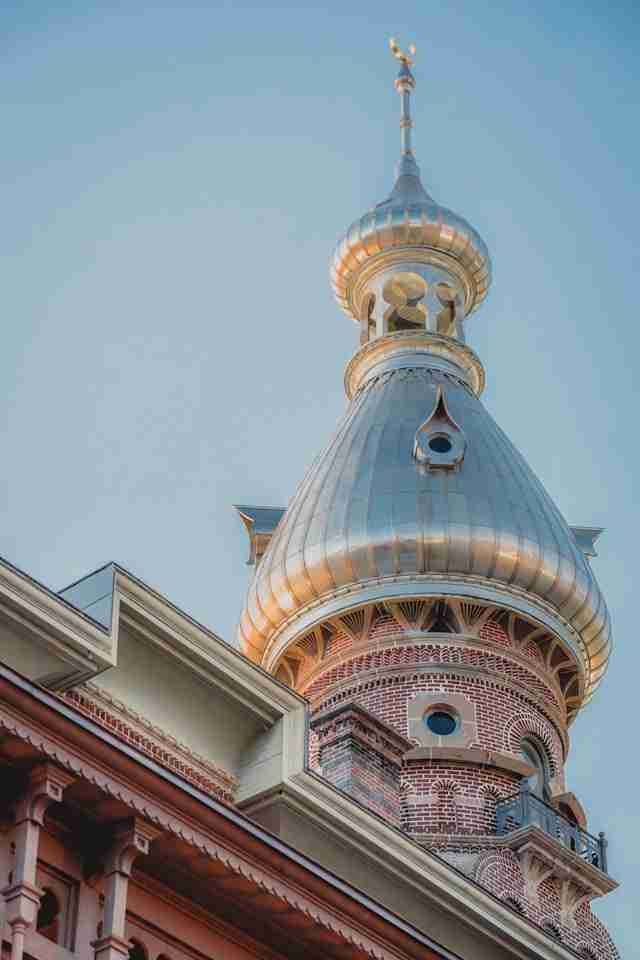
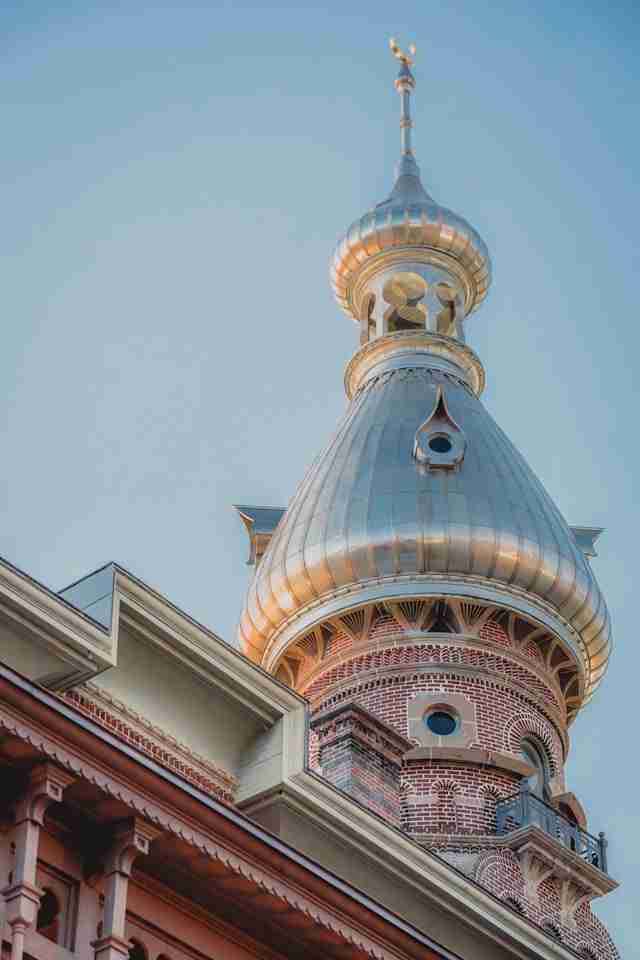
Once a grand resort known as the Tampa Bay Hotel, Plant Hall now stands as the architectural crown jewel of the University of Tampa. This striking Moorish Revival structure, with its ornate minarets, domes, and horseshoe arches, is set along the Hillsborough River and framed by palms and historic oaks. The fusion of Eastern design elements and Floridian landscape makes it a visually rich subject for photographers interested in historical architecture, light play, and reflective compositions. Whether photographing at dawn, dusk, or deep into the blue hour, Plant Hall remains a timeless and evocative destination.
Best Photography Opportunities
• Morning reflections across the Hillsborough River:
The calm waters in the early hours mirror the full silhouette of Plant Hall's eastern façade, minarets, and domes. Shooting from the Riverwalk across the river allows for symmetrical, painterly compositions that highlight both architectural symmetry and environmental stillness. Use a wide-angle lens to capture the full breadth of the building and its setting, including palm trees and park benches in the foreground for added depth. The warm morning light enhances the red brick and metallic dome finishes, giving a golden glow to the structure while the still water below creates a near-perfect reflection. This scene is ideal for long exposures that smooth water texture and emphasize clarity.
• Golden hour architectural detail along the arcades:
As the sun lowers in the sky, the western-facing side of Plant Hall becomes a showcase of texture and light. The colonnaded arcades and Moorish archways catch the golden hues, producing dynamic patterns of light and shadow. This is a perfect time to isolate details like the finely wrought iron railings, horseshoe-shaped windows, and scalloped eaves. A mid-range zoom allows you to crop in close without losing structural context. Look for how natural light casts shadows through foliage or arches, creating compositional contrast and layered imagery that tells the story of the building's historic opulence.
• Blue hour and nighttime long exposures:
As the sun dips below the horizon and artificial lighting takes over, Plant Hall transforms into a glowing architectural sculpture. The minarets, domes, and rooflines are lit with soft golden lights that stand out beautifully against the deepening twilight sky. From across the Hillsborough River, a tripod-mounted camera can capture long exposures that include river reflections, starburst light effects from streetlamps, and light trails from passing traffic or boats. Adjust your white balance for cooler tones to emphasize the contrast between the building's warmth and the natural environment. This time of day is especially effective for showcasing the harmony between old-world architecture and the modern skyline just beyond.
• Historic interior details and hallway symmetry:
When open to the public, the interior of Plant Hall—particularly in the Henry B. Plant Museum section—offers ornate woodwork, period furnishings, and checkerboard tile patterns. Focus on the repeating symmetry of the grand hallway, the opulent chandeliers, and the decorative archways that stretch into the distance. A fast prime lens allows you to shoot in the dimly lit spaces while preserving ambient mood. The interiors reflect the building's Gilded Age origins and provide opportunities for elegant compositions that emphasize symmetry, mood, and historic ambiance. Don't miss the chance to shoot through doorways or along balconies for layered storytelling.
• Framing Plant Hall with seasonal park scenery:
The surrounding Plant Park changes character with each season, providing ever-shifting context for the building's aesthetic. In spring, vibrant flower beds and lush greenery create bright, colorful frames for wide shots. During fall and winter, the park's ancient oaks cast long, dramatic shadows, and the lower sun angle provides moody light that accentuates architectural details. Use curving brick paths or vintage cannons as foreground elements to add narrative depth. Overcast days provide soft, even lighting perfect for capturing the texture of brick, while clear skies work best for bold, contrast-rich compositions. This location encourages exploration of both formal symmetry and natural imperfection.
Best Time to Visit
Plant Hall is photogenic throughout the year, but the timing of your visit can significantly affect both lighting and atmosphere. Mornings, especially during spring and autumn, deliver soft, diffused light and quiet surroundings. This is when the Hillsborough River is most likely to be calm, providing mirror-like reflections of the domes and spires. Cooler temperatures in these seasons also make it more comfortable to explore the adjacent park areas and riverwalk for varied vantage points.
Late afternoons during the golden hour provide dramatic lighting on the building's façade and side arches. The combination of long shadows and direct sunlight accentuates the depth and detail of architectural elements. In the summer months, golden hour is especially vivid, with brilliant orange hues that complement the red brick of the structure. Winter sunsets offer clearer skies and cooler tones, allowing for more neutral, balanced color compositions.
Nighttime photography benefits from the strategic lighting that outlines Plant Hall's unique features. Blue hour, occurring just after sunset, offers the best contrast between the building's illumination and the fading sky. Special seasonal events, such as the Victorian Christmas Stroll in December, provide opportunities to photograph the building adorned with period holiday decorations and atmospheric lighting. Be sure to check the museum's hours and university event calendar if you intend to shoot indoors or capture the building during special occasions.
How to Get There
Plant Hall is located at 401 West Kennedy Boulevard in downtown Tampa, directly across from the Tampa Riverwalk and just west of the Hillsborough River. From Interstate 275, take the Kennedy Boulevard exit and head east toward the University of Tampa campus. The hall is prominently situated on the river side of the campus, surrounded by Plant Park and the Henry B. Plant Museum.
Free and metered parking is available in the surrounding streets and designated visitor lots near campus entrances. Pedestrian access is straightforward via the Riverwalk, which provides one of the best viewing and shooting locations across the river. Most of the grounds are open to the public daily, and while there is no fee to explore the exterior or public paths, interior photography within the museum may be restricted and could require permission for commercial use.
Recommended Gear for Plant Hall Photography
A versatile wide-angle zoom lens, such as a 16–35mm, is essential for capturing the full grandeur of Plant Hall's façade, domes, and river reflections. For tighter architectural detail and decorative motifs, a 24–70mm mid-range zoom offers flexibility without distortion. A fast prime lens in the 35mm or 50mm range is ideal for handheld low-light interiors, especially in the museum's ambient-lit halls and staircases.
A tripod is necessary for twilight and nighttime photography, particularly for riverfront long exposures. Circular polarizers are helpful for reducing glare on windows and water surfaces during daytime shooting. Bring a neutral density filter if you want to extend exposures in bright light to smooth ripples on the river. A remote shutter release and extra batteries will allow longer sessions, especially during event photography or seasonal lighting displays. Lens cloths and a protective cover are useful in humid or rainy weather, common in Florida's summer months.
Nearby Photography Locations
Located directly across the river, this elevated urban park provides panoramic views of Plant Hall, especially striking during sunset and at night when the building is lit against the skyline.
Running along the Hillsborough River, the Riverwalk offers dynamic sightlines of Plant Hall from varying distances. Reflections, leading lines, and seasonal events add compositional variety to this urban backdrop.
A few miles northeast of campus, Ybor City provides a distinctly different photographic experience, with historic brick facades, vintage signage, and vibrant cultural activity. Great for contrast with Plant Hall's formal aesthetic.
Scattered throughout the campus, a series of contemporary sculptures offer opportunities for abstract compositions with Plant Hall in the background, blending classical and modern visual elements.
Located further north along the Riverwalk, these spots provide access to nature-inspired scenes and offer a broader context of Tampa's waterfront ecosystem, ideal for environmental storytelling.
Comments
Loading comments…