
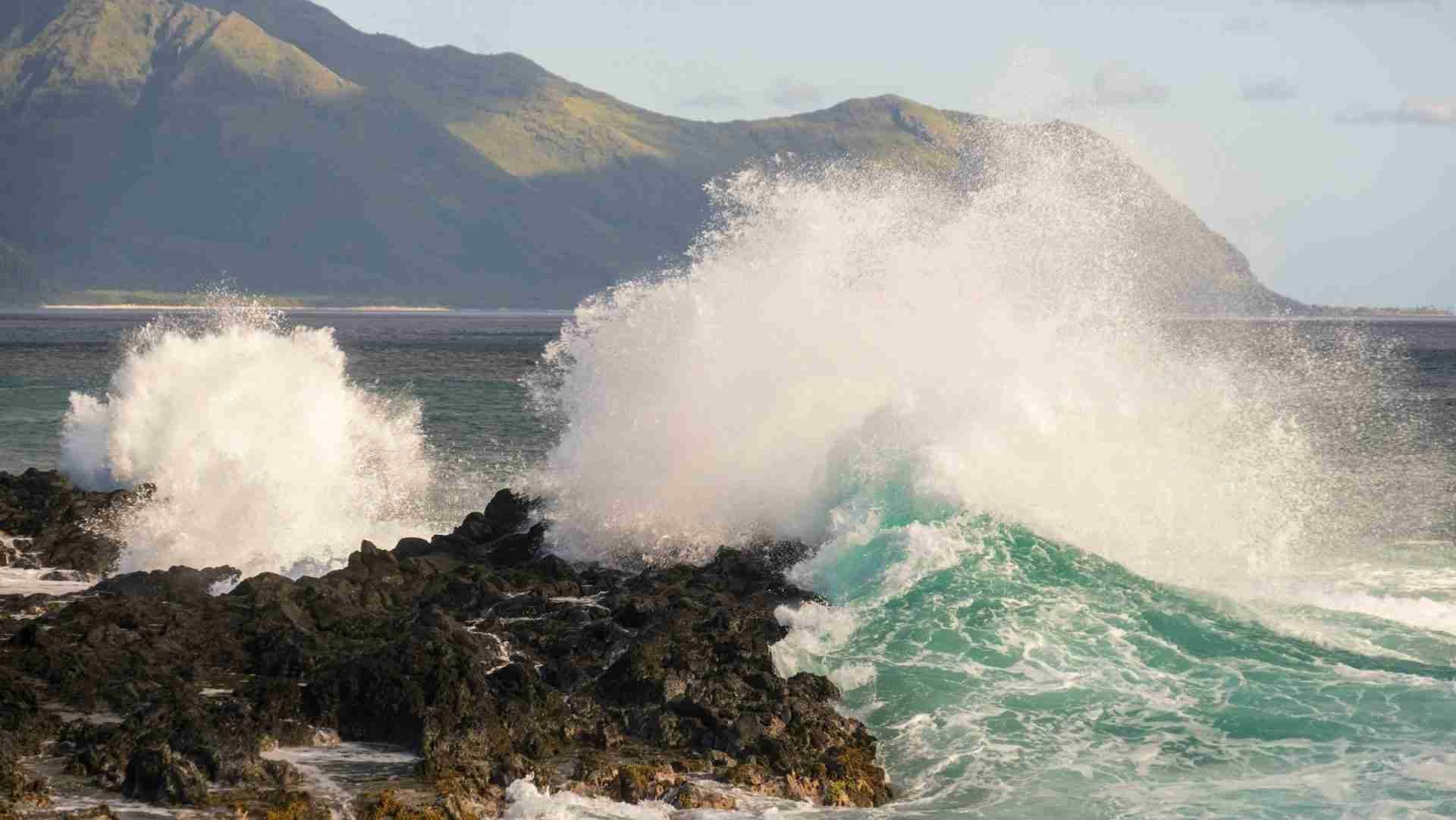
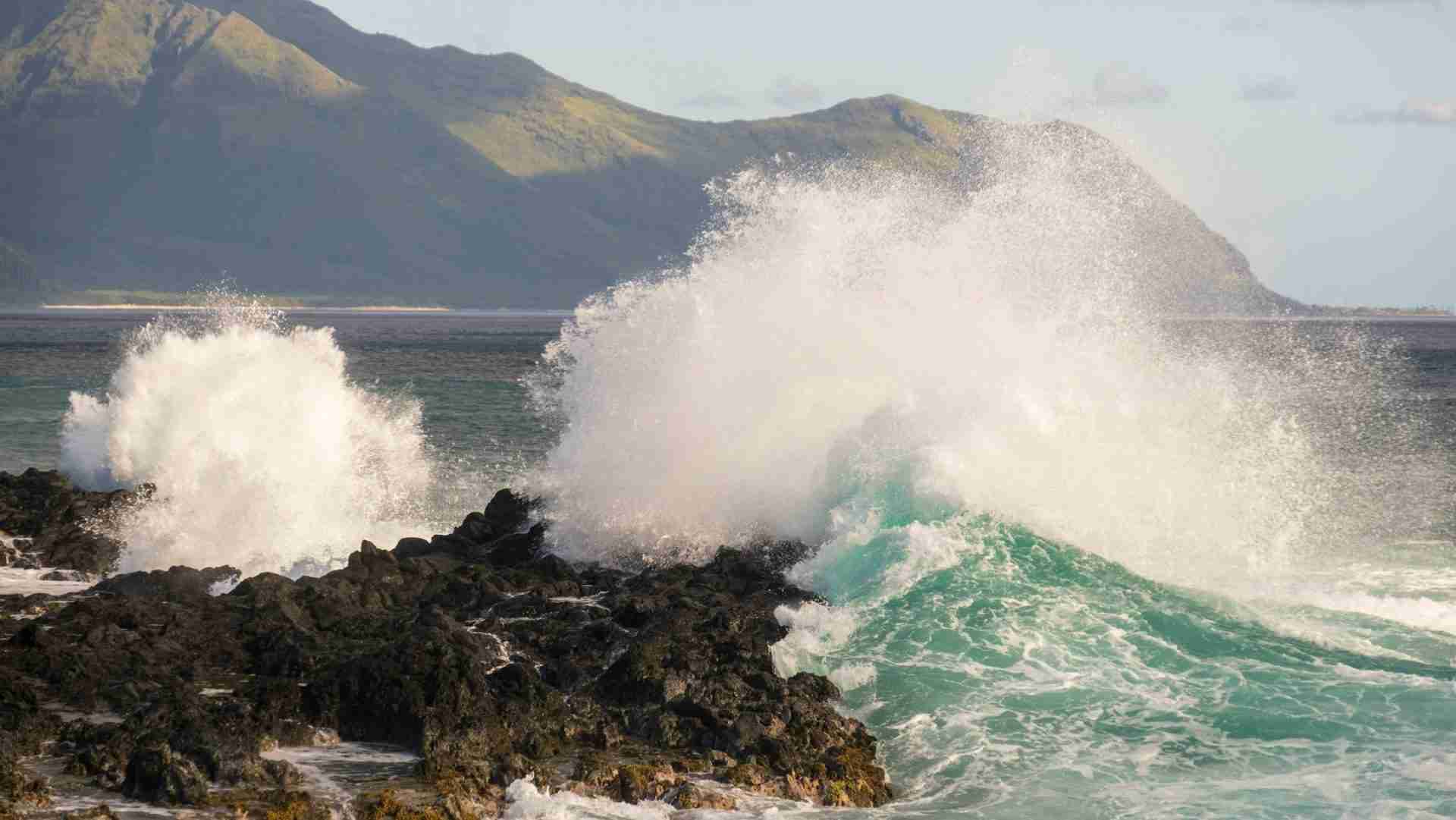
Ka'Ena Point Natural Area Reserve marks the westernmost tip of O'ahu, where paved roads end and the island gives way to open ocean. This is not a manicured beach park or a resort shoreline. It is dry, windswept, exposed, and powerful. Lava rock, tide pools, crashing surf, and wide horizons define the landscape. The terrain is rugged but accessible, with a long coastal trail leading out to the point. Because there are no buildings and minimal development, your compositions are shaped almost entirely by land, sea, sky, and light. For photographers who appreciate raw coastal environments and are willing to walk for their frames, Ka'Ena Point delivers some of the most untamed scenery on the island.
Best Photography Opportunities
• Golden Hour –
Sunset is the most obvious and often the most rewarding time to photograph Ka'Ena Point. As the sun drops into the Pacific, the coastline becomes layered with warm light and deep shadow. The jagged lava rock in the foreground catches highlights that define its texture, while waves explode against the shoreline. A wide lens works well here, especially when you position yourself low to emphasize foreground rock. Clouds over the open ocean often light up dramatically, adding depth to the sky. Arriving early allows you to scout compositions before the light peaks, since the best color window can be brief.
• Long Exposures –
The constant movement of the Pacific makes this an excellent location for controlled long exposures. Using a tripod and neutral density filter, you can smooth incoming waves while keeping the volcanic rock sharp and defined. This creates contrast between soft water and rough foreground texture. Shooting slightly above the waterline adds safety while still maintaining strong composition. Early morning or late evening helps manage exposure without harsh highlights. Always stay aware of incoming sets, as waves can surge unpredictably along this coastline.
• Coastal Wildlife –
Ka'Ena Point is a protected nesting area for seabirds, including Laysan albatross during breeding season. Wildlife photography opportunities exist, particularly in winter months when birds are more active on land. A telephoto lens is essential to maintain respectful distance. Patience is key, as bird movement can be subtle and spaced out. Keeping the ocean or low horizon as background helps isolate subjects cleanly. Respecting boundaries and posted guidelines is critical in this protected reserve.
• Tide Pools –
Along sections of the trail near the point, shallow tide pools form among the lava rock. These create strong foreground elements, especially when reflecting sunset color. Shooting low enhances reflections and exaggerates texture in the rock formations. A wide lens allows you to anchor the foreground while still capturing the expansive ocean backdrop. Overcast conditions can also work well here, as diffused light reduces glare on wet rock surfaces. Careful footing is important, as the lava can be sharp and uneven.
• Milky Way Over the Pacific –
With minimal light pollution at the island's edge, Ka'Ena Point is one of the stronger night photography locations on O'ahu. On clear nights, the Milky Way can stretch over the ocean horizon. Positioning lava rock formations in the foreground adds scale and structure to the sky. A sturdy tripod and fast wide lens are essential. Wind can be strong, so stabilizing your setup is important. Night sessions here feel expansive and isolated, far removed from Honolulu's glow.
Best Time to Visit
Late afternoon into sunset is the most popular and consistently productive window. The west facing coastline aligns perfectly with the setting sun, and cloud formations over the Pacific often enhance color. Early morning offers softer light and fewer visitors, though sunrise does not align directly with the ocean horizon from this side of the island.
Winter months bring larger surf and seabird activity, adding dynamic elements to compositions. However, stronger waves require increased caution near the shoreline. Summer can offer calmer seas and clearer skies, which are better for night photography. Wind is common year round, so always factor that into planning. If wildlife is your goal, research seasonal nesting periods before visiting.
How to Get There
Ka'Ena Point can be accessed from either the Waianae side or the North Shore side of O'ahu. From the west, access is via the end of Farrington Highway near Yokohama Bay. From the north, access begins near Mokule'ia. In both cases, you park near the road's end and hike along a coastal trail toward the point.
The hike is several miles round trip on mostly flat terrain, but it is exposed with little shade. There is no entrance fee to access the reserve. Bring water, sun protection, and proper footwear. The trail can be dusty and hot during midday hours.
Recommended Photography Gear
A wide lens is essential for capturing the dramatic coastline and expansive sky. A mid range zoom provides flexibility when adjusting framing along the trail. A telephoto lens is recommended if you plan to photograph seabirds or isolate distant wave action.
A sturdy tripod is critical for long exposures and night photography. Neutral density filters are useful for smoothing surf during daylight. A polarizer can help manage glare on wet lava rock, though it may reduce reflection strength if overused. Because of the hike, pack efficiently and bring weather protection for your gear. Salt spray and wind are constant factors here.
Nearby Photography Locations
offers sandy beach foregrounds with mountain backdrops. It provides a softer coastal setting compared to the rugged lava near the point. Sunset works well here with waves rolling toward shore.
• Makua Beach –
combines dramatic mountain ridges with open shoreline. It is particularly strong in late afternoon when light hits the cliffs behind the beach. This location offers a different texture compared to the volcanic rock at Ka'Ena Point.
provides open coastal plains with mountain backdrops. It is a good location for wider landscape compositions and occasional aerial activity. Early morning light works well across the flat terrain.
is famous for large winter surf and powerful shorebreak. It offers action photography opportunities that contrast with the more remote feel of Ka'Ena Point. Clear summer days provide calmer, turquoise water scenes.
offers iconic mountain backdrops and calmer waters. It provides a lush contrast to the dry, rugged coastline of Ka'Ena Point. Sunrise is especially strong here.
Comments
Loading comments…