
Coastal Beacon: A Photographer's Guide to Whaleback Light Observation Point, Fort Foster Park Pier
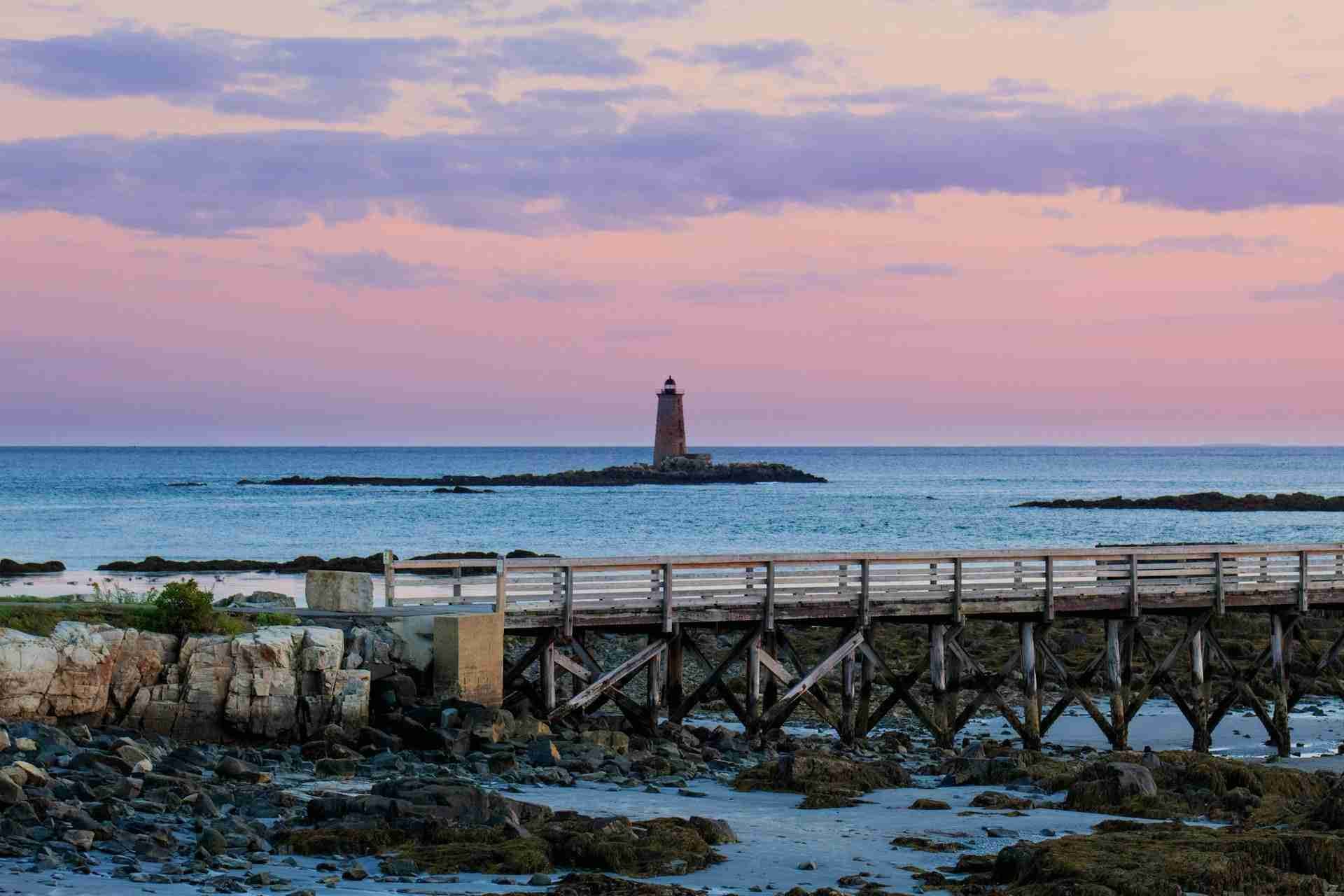
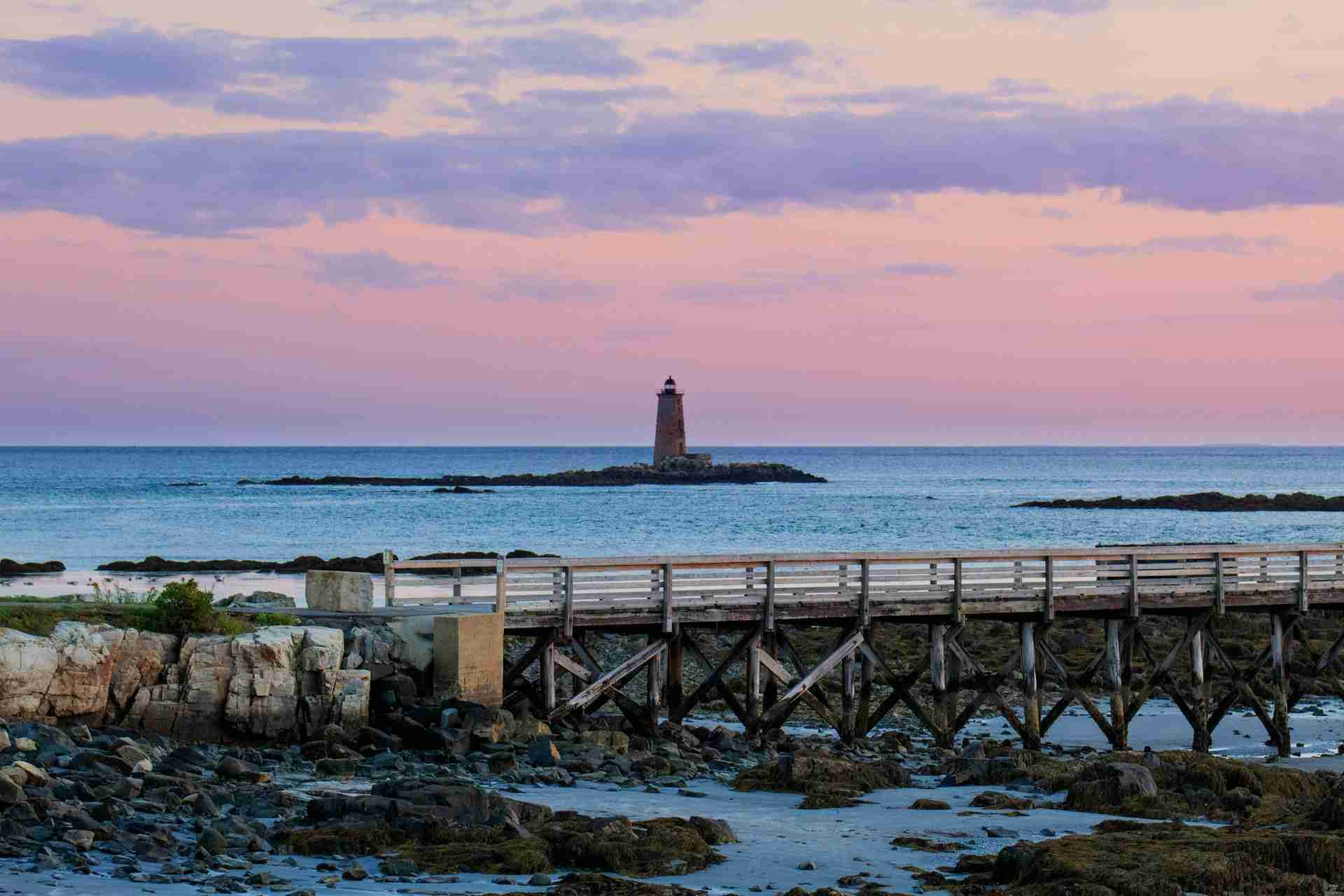
Located on the southern tip of Kittery Point, Maine, Whaleback Light Observation Point offers one of New England's most iconic maritime scenes. Perched at the end of Fort Foster Park's pier, this vantage provides photographers with an uninterrupted view of Whaleback Lighthouse, standing sentinel just offshore on a rocky ledge. The historic granite tower is framed by the vast Atlantic and frequent moody skies, making it an ideal subject for dramatic coastal compositions. The combination of historical architecture, weathered pier structures, and ever-changing ocean light provides endless inspiration for landscape, seascape, and long exposure photography.
Best Photography Opportunities
• Golden hour illumination on Whaleback Light
In the early morning, the first rays of sunlight strike the lighthouse with warm golden tones, especially in spring and autumn when the sun rises over the water. From the end of the pier, you can frame the lighthouse with the length of the pier railings to create leading lines. Using a mid-range zoom lens lets you capture both the distant structure and the textural details of sea spray and granite. Including the surrounding sea creates a dramatic contrast between the solid form of the lighthouse and the fluid surface of the Atlantic. Exploring different pier angles during this time reveals subtle variations in light and shadow across the tower.
• Sunset silhouettes and coastal reflections
As the sun sets to the west, silhouettes of the lighthouse, pier railings, and passing boats emerge against vivid skies. The structure becomes a black form against streaks of orange and violet, with the water below reflecting those tones. A wide-angle lens works well here to include elements of the shoreline and fort structures in your frame. Incorporate wet rocks or puddles at low tide for reflective surfaces that enhance your foreground. Sunset here also offers great opportunities for symmetrical compositions using the pier's symmetry and repeated patterns, especially when combined with mirrored colors in the water.
• Long exposures with smoothing sea and sky
The Whaleback Light Observation Point is perfect for long exposure photography. With a solid tripod and a neutral density filter, you can create ethereal seascapes where the ocean surface turns to mist and clouds streak across the sky. Frame the lighthouse off-center to emphasize scale and isolation, and use the pier itself to add grounding elements. Longer exposures also enhance the mood on overcast days, where soft light and subtle tones create minimalist compositions. Repeated visits during changing weather fronts or early dusk allow for experimentation with movement and layering in the final image.
• Foreground interest from Fort Foster Pier
The aging wooden planks, steel bolts, and weather-worn railings of Fort Foster Pier offer exceptional foreground elements. Using a wide-angle lens, you can shoot low along the pier to draw the eye toward the lighthouse on the horizon. This technique is especially effective during golden hour when light rakes across the surface, revealing textures and adding depth. During low tide, rocky outcrops and algae-covered stones near the pier can serve as natural anchors for compositions. Even small objects like mooring lines, shells, or rusted fixtures become storytelling elements when used creatively in your foreground.
• Stormy skies and lighthouse in action
During stormy weather, the contrast between the churning sea and the unwavering lighthouse is striking. High shutter speeds can freeze crashing waves, while slower exposures lend movement to the clouds and water. Watch for breaks in the weather, when shafts of light pierce through dark skies and spotlight the lighthouse. These fleeting conditions produce powerful, atmospheric images that highlight the resilience of coastal structures against nature's forces. The drama of storm light (especially when combined with crashing surf or windswept spray) makes this one of the most rewarding but challenging times to shoot at the site.
Best Time to Visit
Whaleback Light is a compelling destination year-round, but each season offers its own visual opportunities. Spring and autumn provide the best lighting conditions, with the sun rising and setting at angles that illuminate both the lighthouse and pier. During these months, the skies are often filled with dramatic clouds that enhance seascape compositions.
Summer is the most accessible season, with Fort Foster Park open daily and warm weather attracting more visitors. The longer daylight hours allow for extended shoots at dawn and dusk, and the active harbor traffic adds life to wider scenes. Morning fog is also more common in summer, softening the horizon and adding a moody atmosphere.
Winter transforms the scene into a stark, high-contrast setting. Snow-covered pier surfaces and frost on the railings add texture, while the ocean remains a constant, often turbulent element. These conditions are ideal for black-and-white photography or minimalist long exposures. Photographers should prepare for strong coastal winds and reduced visibility but will be rewarded with unique and quiet compositions.
To avoid crowds, visit early in the morning or on weekdays. Check local tide charts, as low tide opens up access to rocky foregrounds near the shore, while high tide offers smooth water for reflections. Keep an eye on marine forecasts, as sudden shifts in weather can quickly change shooting conditions.
How to Get There
Whaleback Light Observation Point is located within Fort Foster Park in Kittery, Maine. From U.S. Route 1, take the exit toward Kittery Point and follow signage to the park entrance on Pocahontas Road. Once inside the park, follow the main road to the large parking area near the pier. A short walk along a wooden boardwalk brings you to the pier and lighthouse viewing area.
Access to Fort Foster Park requires a day-use fee during operational months, typically from late spring through early autumn. Hours are generally from morning to sunset, though exact times vary by season. The pier and surrounding trails are well-maintained, but weather can make surfaces slippery—sturdy footwear is recommended. There are restroom facilities and picnic areas within the park, though services may be limited outside peak months.
Recommended Gear for Whaleback Light
To fully take advantage of the diverse conditions and compositions at this location, bring a versatile setup. A wide-angle lens (16–35mm) is essential for capturing the pier, sky, and lighthouse in a single frame. A mid-range zoom (24–70mm) helps isolate the lighthouse or include interesting foreground elements. A telephoto lens (70–200mm) is useful for pulling in distant details and photographing the structure across rough water.
A sturdy tripod is crucial for long exposures, especially during dawn, dusk, or stormy conditions. Bring a polarizing filter to cut reflections on the water and deepen sky contrast, and a neutral density filter for exposures lasting 10 seconds or more. A remote shutter release or camera app ensures steady shooting without introducing vibration. Lens cloths and weather covers are also important, as sea spray and mist are common along the pier.
Layered clothing and wind protection are recommended, particularly in the shoulder seasons or winter months. The exposed pier can be windy, and standing for long periods while shooting requires comfort and preparation.
Nearby Photography Locations
offers stone ramparts, antique cannons, and elevated positions overlooking the entrance to Portsmouth Harbor. From this location, you can capture both Whaleback Light and harbor traffic framed by historic fortifications. It's especially photogenic in late afternoon when the sun sets behind the lighthouse and casts shadows across the fort's grassy grounds.
provides a quieter and more natural coastal setting. The beach's sweeping curve allows for expansive compositions with sand patterns in the foreground and the lighthouse in the distance. Visit during low tide to reveal tide pools and rock textures that enhance shoreline imagery.
offers close-up access to lobster boats, piers, and weathered fishing gear, making it a strong complement to the more distant views of Whaleback. This is an excellent location for storytelling images that reflect the working maritime culture of the region.
is located across the channel and can be photographed from nearby trails, adding variety to your lighthouse portfolio. The contrast in structure between the two lights is ideal for comparative shots, especially with both structures visible in long-distance compositions.
in New Hampshire provides sweeping rocky coastlines and a broader view of the Atlantic. It's ideal for panoramic seascapes that include Whaleback Light in the far background and dramatic rock textures in the foreground. This location is excellent at sunrise, with soft pastel colors lighting the coast.
Whaleback Light Observation Point at Fort Foster Park Pier is a timeless and richly textured location that speaks to the rugged beauty of the New England coast. Whether you're drawn to stormy seas, calm golden hours, or historic nautical landmarks, this site provides both the challenge and reward of dynamic coastal photography.
Comments
Loading comments…