
Solleys Cove Park is a quiet waterfront area featuring wooded paths, marshland, and open views over Curtis Creek. It offers an out of the way setting where photographers can work with still water, subtle reflections, and local wildlife in a low key suburban landscape. The shoreline is simple and uncluttered, framed by brush and trees that change with the seasons. Soft light moves through the trees during the early morning and late afternoon, creating opportunities to add depth and mood to compositions. While it's not a dramatic location, its calm setting and reliable conditions make it a rewarding place for thoughtful image making.
Best Photography Opportunities
Reflections from the fishing pier
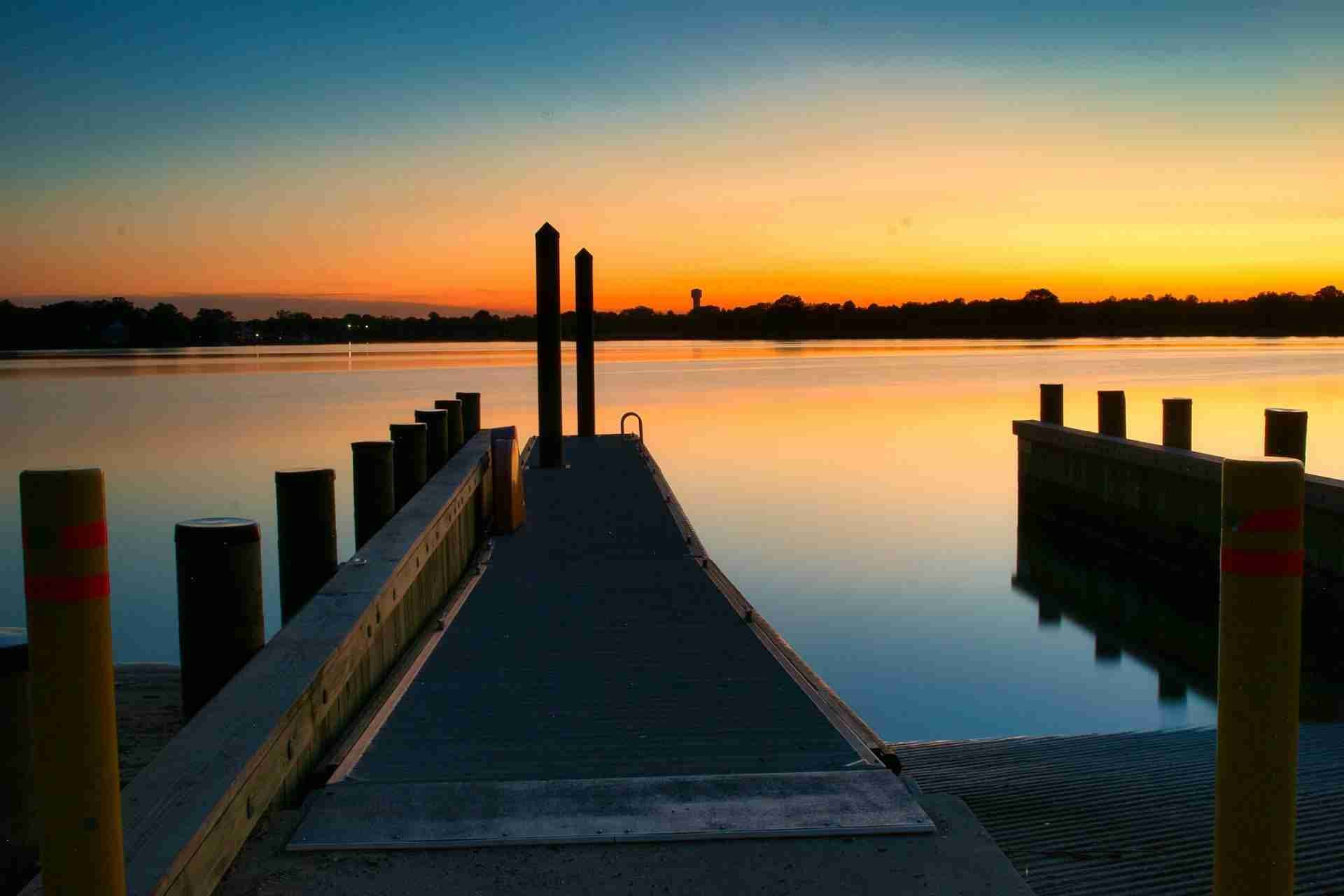
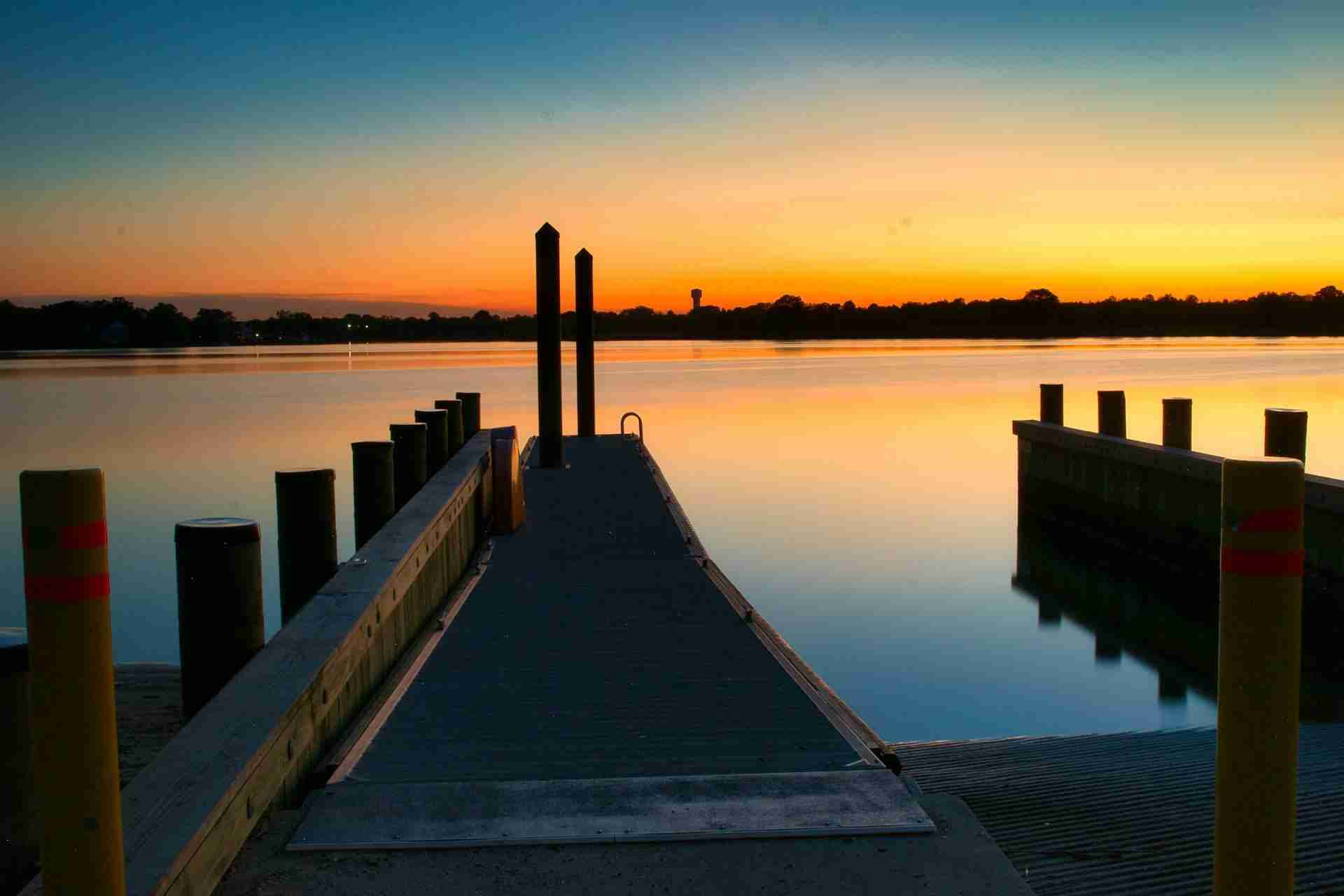
The fishing pier is the main feature at Solleys Cove. On calm mornings, the still surface of the inlet reflects trees, clouds, and sky with surprising clarity. The view is open enough to allow clean compositions, especially if you shoot low along the railings or from the far end of the dock. A standard zoom lens gives flexibility to shift between wide scenes and more focused shots of the water's surface. Early light helps bring out soft color, while overcast skies reduce glare and let more detail show through. This is one of the most consistent and simple setups in the park.
Close up textures along the shore
The edge of the cove is lined with weathered concrete, small stones, and patches of reed and brush. These details offer good material for close up photography, especially when the light is soft. A macro or short telephoto lens can isolate rusted hardware, driftwood, or leaves caught along the shoreline. These images work well as quiet studies, especially when composed with clean backgrounds. Cloudy conditions are best for this type of work, but even midday sun can be useful if shadows are handled carefully.
Birds in and around the inlet
While not a wildlife hotspot, the park sees regular visits from herons, ducks, and other birds common to quiet marsh areas. You'll often spot them along the far edge of the water or perched on the dock. A telephoto lens is necessary to capture these scenes, as the distance between shore and subject is usually too great for closer work. Early mornings are the most productive time, especially when the water is still and the light is low. With patience, it's possible to catch clean, simple frames with the birds isolated against the water.
Evening color and reflected light
Though the park doesn't face directly west, late day light still reflects across the cove and creates soft glow in the water and sky. These conditions are good for longer exposures or minimalist images that focus on color and balance rather than subject detail. A tripod helps with steady shooting as the light fades, and a circular polarizer can help control brightness in the water. The scene is quiet, so there's time to wait for the right tones and arrange the frame carefully.
Walk-up shots with trail and tree framing
The short path into the park includes small sections of tree cover and low brush that can be used as natural framing elements. Shooting toward the water from behind branches or along the edge of the trail gives depth and context to the scene. These compositions work best with a wide lens and are strongest when the light filters through the trees at a slight angle. Try stepping off the path slightly to create better layers or to separate the subject from the background.
Best Time to Visit
Early morning is the best time to photograph here. The water is usually flat, the light is soft, and the park is empty. This makes it easier to work without interruption and gives better conditions for clean reflections. Even on cloudy days, the light in the cove is even and workable.
Fall brings more color in the trees and less undergrowth along the shoreline, which can help clean up compositions. Spring offers a bit more bird activity, while winter opens up more sky and background due to bare trees. Summer is the least comfortable time, with more bugs and thicker vegetation. Because the site is open and quiet year-round, you can shoot sunrise or sunset without restriction.
How to Get There
Solleys Cove Park is located at the end of Carbide Road in the Curtis Bay. From Fort Smallwood Road (MD-173), turn onto Pittman Rd follow it until you see Carbide Road on your left. The road ends at the entrance to the park, where you'll find a paved parking lot with ample space for visitors.
The park is clearly marked and easy to access by car. A short paved path leads from the lot to the fishing pier and shoreline. The area is open to the public and typically quiet throughout the day. Cell service is reliable, and the walk from the parking area to the water is flat and suitable for carrying lightweight gear.
Recommended Photography Gear
A standard zoom lens will cover most needs at Solleys Cove Park, from shoreline reflections to dockside compositions. A wide angle is useful when working near the pier or when you want to include sky and trail detail. A short telephoto is helpful for isolating birds or capturing detail in the trees and shoreline vegetation. A longer telephoto is necessary for wildlife and distant subjects across the water.
A tripod adds stability for early morning or late evening work, especially if you're interested in slow shutter images of the water or sky. A circular polarizer can help manage glare on the water and deepen sky color when the sun is out. If you're shooting close-up textures, a macro lens or a lens with close focusing ability is a good addition.
Keep your setup simple. A small camera bag with only the gear you'll need will be easier to manage along the short path. Comfortable shoes are a must, especially if the ground is damp near the edge of the water. Since there are no benches or structures, plan to stand or work directly from the shoreline.
Nearby Photography Locations
Nearby Photography Locations
Located a short drive north of Solleys Cove, Masonville Cove offers a restored urban nature area with walking trails, wetlands, and bird blinds. It's well suited for wildlife and environmental photography, especially for those interested in shorebirds and urban ecology scenes. The mix of marsh and industrial skyline in the distance adds layered visual contrast.
Closer to downtown Baltimore, Middle Branch Park provides open water views, fishing piers, and a city skyline backdrop. The area is especially good for long exposures and sunset photography, with calm water and wide compositions across the Patapsco River. It's a versatile location that works well for both minimal seascapes and urban context shots.
Brooklyn and Curtis Bay neighborhoods
The nearby neighborhoods are useful for photographers looking to document working-class urban scenes. With a mix of residential streets, older commercial buildings, and light industrial sites, these areas lend themselves to documentary and architectural photography. There's also strong potential for capturing textures, signage, and local detail.
Located about 20 minutes southeast by road, Fort Smallwood Park offers wide waterfront views, wooded trails, and access to old military structures. It's well suited for landscape or coastal photography, especially in late afternoon when light moves across the water. While farther away, it provides a larger and more open setting than Solleys Cove, with options for broader compositions.
Solleys Cove Park is simple, quiet, and best suited for slow photography. There's nothing flashy or dramatic about it, but for those who appreciate stillness, reflected light, and small details, it offers a place to work without pressure. It rewards observation, not speed.
Comments
Loading comments…