

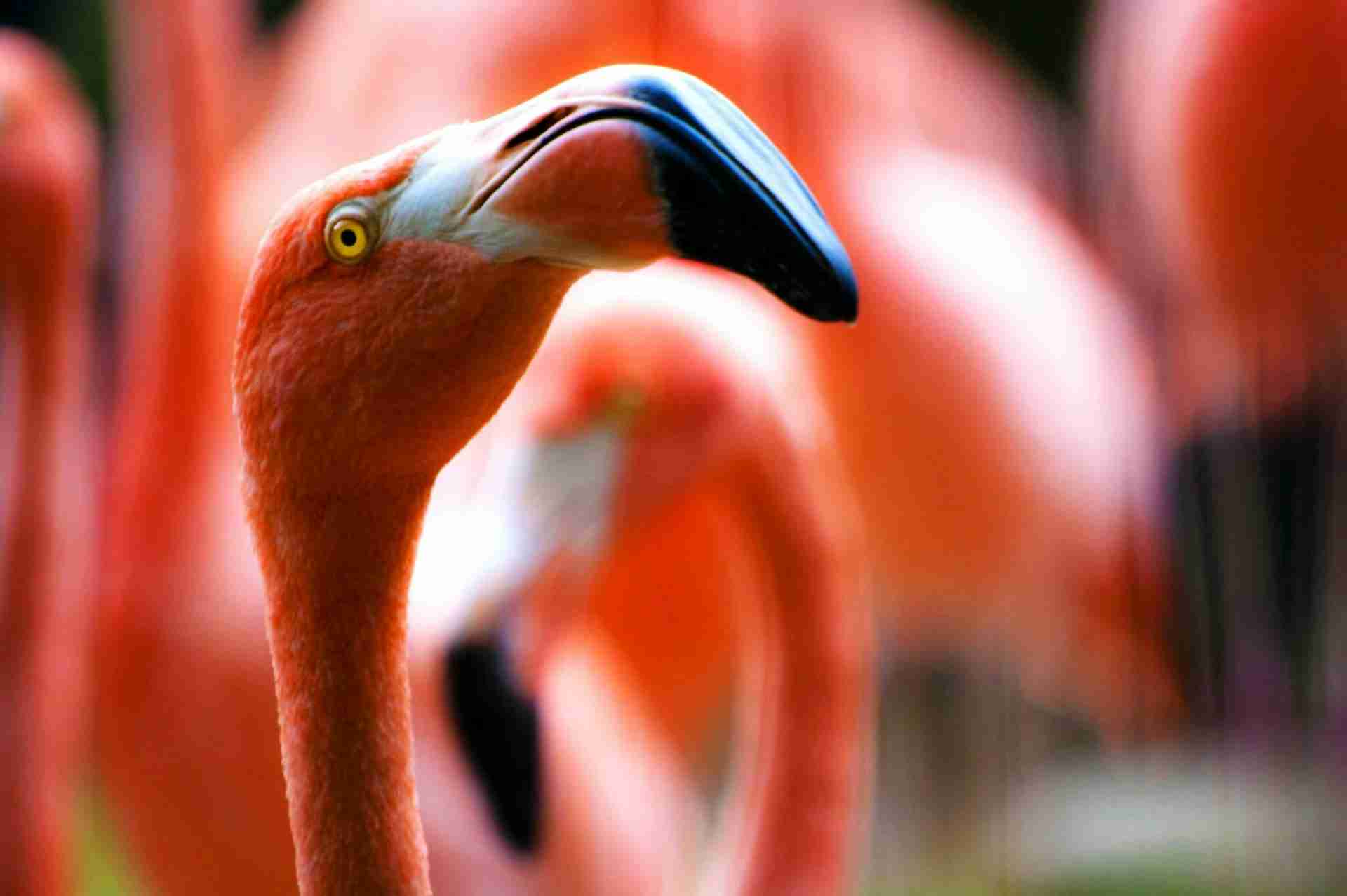
The Maryland Zoo in Baltimore is set within Druid Hill Park, one of the oldest landscaped public parks in the United States, giving it a more open and natural feel than many urban zoos. The grounds are spread out, with a mix of wooded areas, open enclosures, and walking paths that wind between habitats. Rather than feeling tightly packed, the space allows you to move at a steady pace and find quieter corners, especially outside peak visiting hours. The layout also means you are often working with natural backdrops like trees, grass, and water rather than artificial structures. Different sections of the zoo are designed to reflect specific environments, from African plains to forested habitats, which adds variety as you move through the space. Animals are often positioned at varying distances, giving you opportunities for both close up and more environmental compositions. It is an accessible location that works well for a relaxed shoot, especially if you are willing to spend time observing animal behaviour rather than moving quickly from one enclosure to another.
Best Photography Opportunities
• Animal Portraits With Clean Backgrounds
One of the strongest opportunities at the zoo is capturing animal portraits that feel natural rather than confined. Many enclosures are designed with minimal visible barriers, allowing you to isolate subjects against simple backgrounds like foliage or sky. Positioning yourself carefully can help avoid distractions such as fencing or structures. Using a wider aperture helps separate the animal from the background and keeps the focus clear. Patience is important, as waiting for the right posture or expression can make a big difference. This approach works well across a range of species within the zoo.
• Behaviour And Candid Animal Moments
Beyond static portraits, the zoo offers opportunities to capture animals in motion or interacting with their environment. Watching for patterns in behaviour can help you anticipate moments such as feeding, movement, or interaction with other animals. Using a slightly faster shutter speed allows you to freeze motion while still maintaining sharp detail. Positioning yourself where the animal is likely to move can improve your chances of capturing a strong frame. This approach adds energy and storytelling to your images. It often requires more time but produces more dynamic results.
• Environmental Wildlife Compositions
Including more of the enclosure can help place the animal within its environment, creating a more complete image. Elements like rocks, trees, or water features can be used to frame the subject and add context. Shooting from a lower angle can make the scene feel more natural and less like a zoo setting. This approach works well when the background is clean and consistent. It is a good way to move beyond simple portraits and create more layered compositions. Careful framing is key to keeping the image uncluttered.
• Detail And Texture Studies
The zoo provides opportunities to focus on smaller details such as fur patterns, feathers, or textures on skin. These close up compositions can highlight features that are not as noticeable in wider shots. Using a longer lens allows you to isolate these details without disturbing the animal. Light plays an important role here, as it defines texture and contrast. This approach works well when animals are relatively still. It adds variety to your overall set of images.
• Light Through Natural Enclosures
Because many areas of the zoo include trees and open space, light often filters through in a more natural way than in enclosed exhibits. This can create soft highlights and shadows that add depth to your images. Positioning yourself to work with the direction of light helps improve contrast and clarity. Overcast conditions can also be beneficial, providing even lighting across the scene. This makes it easier to maintain consistent exposure. Understanding how light interacts with each enclosure can improve your results.
Best Time to Visit
Early morning is the best time to photograph at the Maryland Zoo, as animals tend to be more active and the light is softer. It is also when the zoo is less crowded, making it easier to find clear viewpoints. Late afternoon can also work well, with warmer light and another period of increased animal activity.
Midday light can be harsh, especially in open enclosures, creating strong shadows and high contrast. Overcast days are often ideal, as they provide even lighting and reduce harsh highlights. Seasonally, spring and autumn offer more comfortable conditions for both visitors and animals, while summer can be busier and warmer. Planning your visit around animal activity patterns can improve your chances of capturing strong images.
How to Get There
The Maryland Zoo in Baltimore is located within Druid Hill Park, just northwest of downtown Baltimore. It is easily accessible by car, with parking available on site. Public transport options are also available, with bus routes connecting the area to the city.
There is an entry fee to access the zoo, as it is a managed attraction. Once inside, the layout is straightforward, with clearly marked paths connecting different sections. Tripods and larger equipment may be restricted in certain areas, so it is best to keep your setup manageable. The open design of the zoo makes it easy to move between exhibits and adjust your approach as needed.
Recommended Photography Gear
A longer lens in the range of 70 to 200mm or beyond is particularly useful for photographing animals at varying distances. This allows you to capture close up details without needing to be physically close to the subject. A standard zoom lens can also be helpful for wider environmental shots.
A fast lens is beneficial for isolating subjects and working in variable lighting conditions. Because tripods may not be practical, a camera that performs well at higher ISO levels is useful. A polarizing filter can help manage reflections on glass or water. Keeping your gear flexible and easy to carry will make it easier to move through the zoo.
Nearby Photography Locations
Druid Hill Park surrounds the zoo and offers open landscapes, tree lined paths, and water features. It is a good location for more traditional landscape or park photography. The space provides a quieter contrast to the zoo environment.
The Rawlings Conservatory features glasshouse architecture and a variety of plant environments. It offers opportunities for detail and pattern based photography. The controlled environment provides a different type of subject.
The Inner Harbor offers a mix of water, architecture, and city life. It is ideal for urban photography with a range of compositions. The contrast between this and the zoo adds variety to your shoot.
Hampden is known for its colourful streets and local character. It provides opportunities for street photography and more everyday scenes. The area has a distinct atmosphere compared to central Baltimore.
Lake Roland Park offers wooded trails, water views, and a quieter natural setting. It is a good option for landscape and nature photography. The variety of terrain makes it worth exploring.
Comments
Loading comments…