
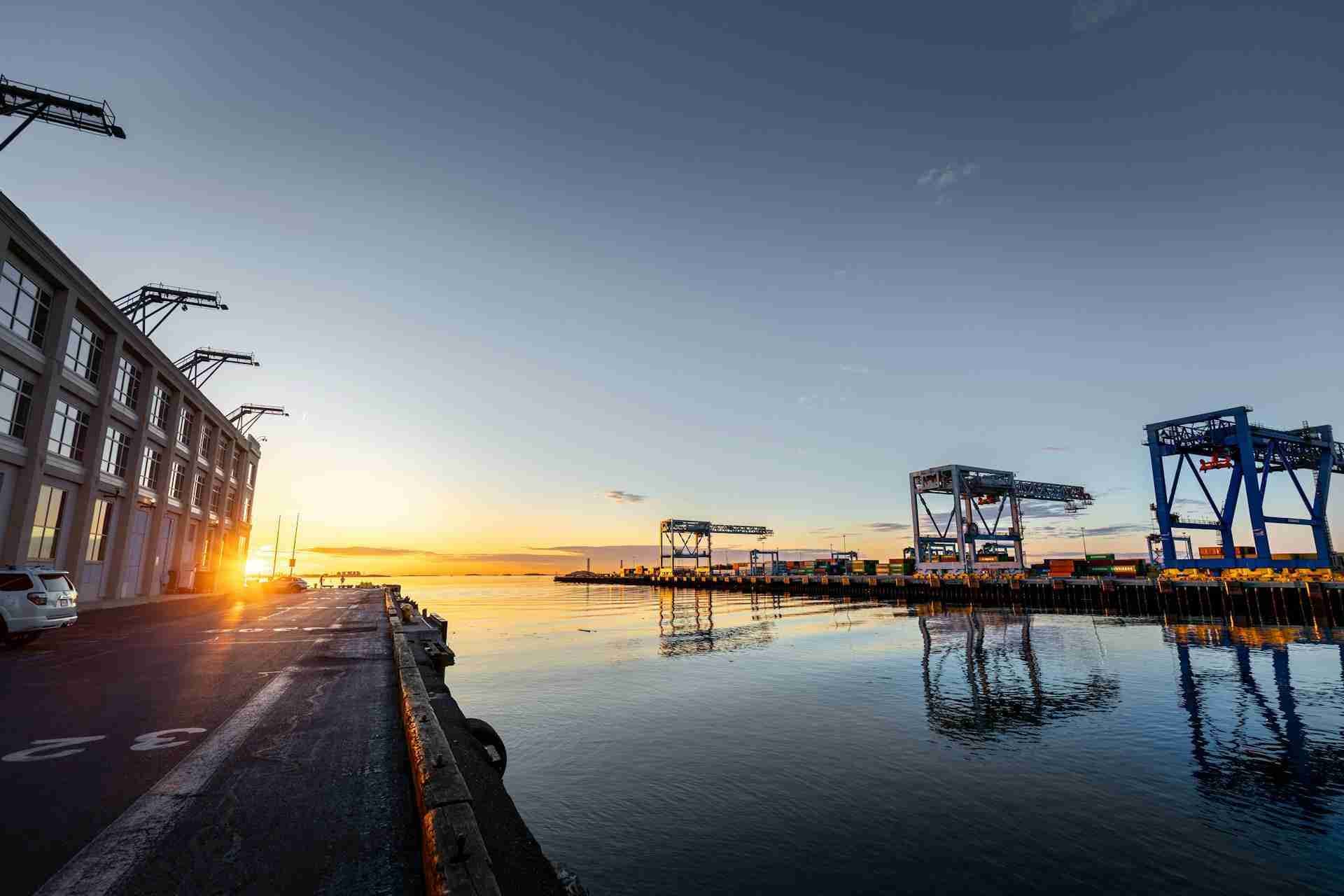
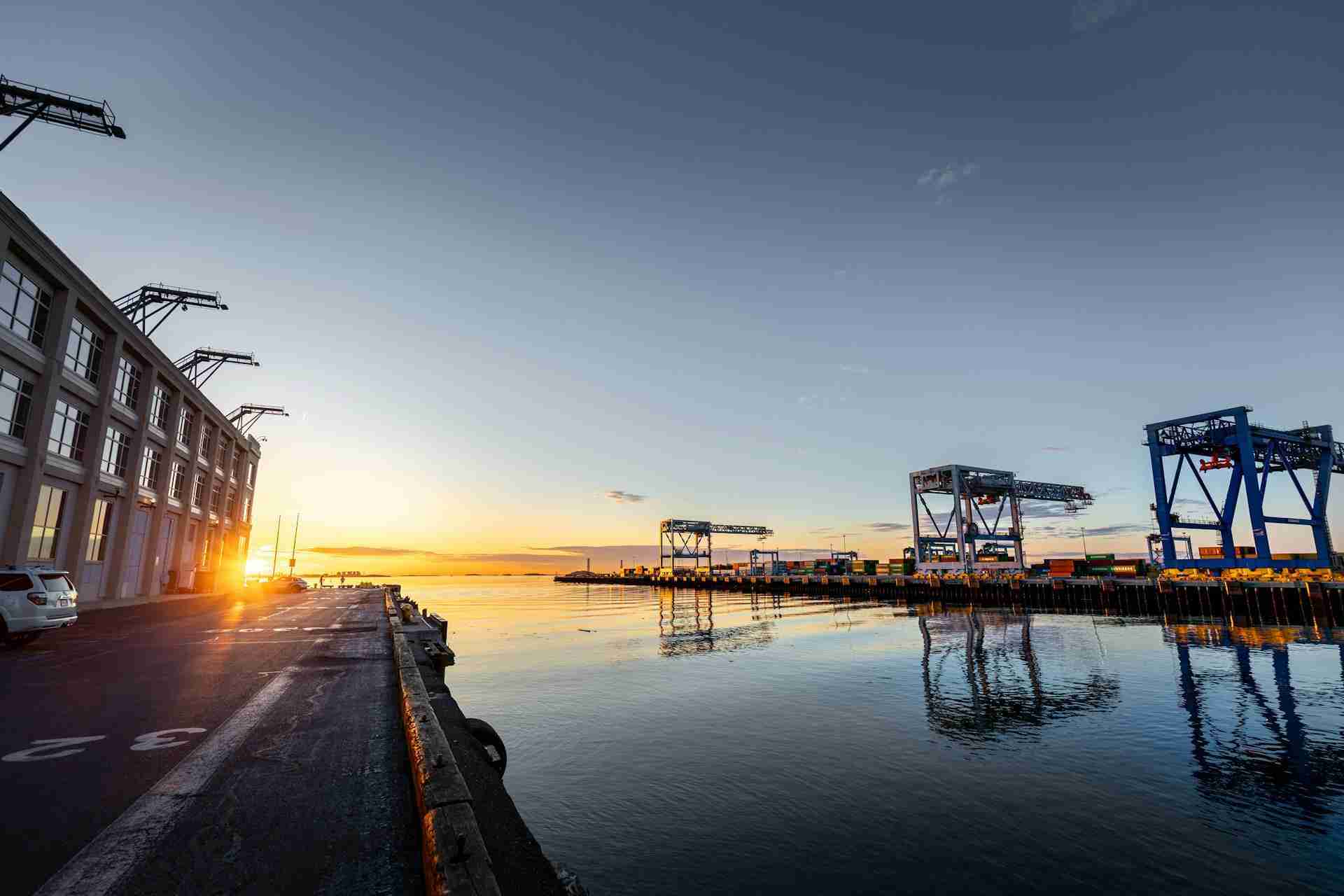
Tucked between the South Boston Waterfront and the industrial outskirts of the Seaport District, the Reserved Channel is a strikingly underappreciated photography location with a mood all its own. This narrow inlet, originally designed to support Boston's maritime shipping operations, still serves working piers, tugboats, and cargo terminals while also bordering new developments and high-rise condos. The juxtaposition of clean urban redevelopment and rusted industrial remnants makes it a location rich with tension and visual contrast. For photographers interested in layered cityscapes, strong graphic compositions, and waterline reflections under changing light, the Reserved Channel offers a unique slice of Boston that feels worlds apart from the nearby tourist paths. It is a place where industry, infrastructure, and the city's shifting identity all come together.
Best Photography Opportunities
• East First Street Bridge and Steel Trusses
: The bridge spanning the Reserved Channel is one of its most visually commanding features, with its faded steel beams and symmetrical truss structure forming strong graphic lines against the water. This is a prime location for architectural studies and long-lens compressions, especially in the early morning when the light cuts low across the steel. Shooting from underneath the bridge or at slight angles allows you to play with depth, shadow, and negative space. At night, the bridge is sparsely lit but reflects well on the channel's surface, allowing for moody low-light photography if using a stable tripod and long exposure technique.
• Channel Reflections and Tugboat Activity
: The working vessels that dock along the Reserved Channel are often in motion during early hours or late afternoon, offering dynamic subjects for candid industrial photography. Tugboats, dredging platforms, and service boats regularly travel in and out of the channel, especially on weekdays. During calm weather, the still water captures crisp reflections of hulls, sky, and waterfront structures. These mirror effects are especially sharp just after sunrise, when winds are typically light. Using a telephoto lens from the channel edge lets you frame clean portraits of working boats or abstract reflections distorted by the surface ripples.
• Northern Channel Wall and Rail Infrastructure
: On the north side of the Reserved Channel near the old freight lines and warehouses, the visual tone shifts toward abandonment and decay. Here, rusted metal, concrete textures, and overgrown corners offer detail-rich compositions ideal for close-up or monochrome work. Wide-angle lenses can exaggerate the perspective of old tracks or pipes leading toward the channel. During blue hour or overcast conditions, the mood leans gritty and cinematic, making this an excellent area for environmental photography or urban storytelling. Access is mostly street-level, but some areas are partially fenced, so check for public walkways or shooting angles through gaps in the infrastructure.
• Cruiseport Boston and Modern Marina Contrast
: Where the channel opens into the harbor, Cruiseport Boston and adjacent marina facilities come into view. This area provides a striking contrast between working vessels and polished leisure craft. The skyline of downtown Boston rises faintly in the background, and reflections of tall cranes and building silhouettes in the water create layered compositions, especially in soft light. Long exposure photography can smooth the harbor surface and blur passing vessels into streaks of color, while a mid-range zoom helps balance distant subjects with industrial foregrounds. Sunset here often produces a slow fade of warm tones over steel and concrete, offering a more nuanced version of waterfront golden hour.
• Underpasses and Utility Geometry
: Several roadways and utility corridors intersect the area, giving you access to underpasses where columns, piping, and concrete planes align in interesting rhythms. These hidden spaces are ideal for abstract geometry and high-contrast compositions. Light filters through gaps in the overpasses during certain times of day, producing slanted beams or pool reflections on the wet pavement. If you're interested in shooting urban textures or practicing perspective control with tilt-shift lenses, these tucked-away segments of the channel perimeter are full of potential.
Best Time to Visit
Lighting conditions at the Reserved Channel change dramatically throughout the day, with morning and late afternoon being the most productive for capturing texture and contrast. Early morning light, especially in fall and winter, enters from the east and casts long shadows across the channel walls, bridges, and vessels. This is the ideal time for calm water and mirror-like reflections, particularly in the absence of wind or tidal movement. Weekday mornings also bring more working boat activity, which adds motion and variety to your compositions.
Late afternoon and golden hour provide sidelight that warms the rusted industrial textures and highlights the color contrast between old brick warehouses and newer development. In summer, golden hour is particularly long and transitions smoothly into a rich blue hour, ideal for shooting city lights reflecting off the channel's surface. Winter light is more dramatic due to its lower angle, but colder temperatures can limit access to certain waterfront spots, especially after snow. Overcast days are useful for shooting detail-rich monochrome studies, especially along the northern wall and rail line remnants. Avoid midday shoots unless you are working with strong graphic shadows or planning high-key exposures, as the overhead sun can wash out much of the channel's detail.
How to Get There
The Reserved Channel is located in South Boston and is easily accessible via public transportation, car, or bicycle. The Broadway Red Line MBTA stop is the closest station and connects to the area by a short walk along West Broadway and Dorchester Avenue. Buses also serve the area, particularly routes 9 and 11, which stop within walking distance of East First Street and the northern edge of the channel. If driving, limited street parking is available along Summer Street and West First Street, though most spaces are metered and fill quickly during business hours.
Cyclists can access the channel area via the Harborwalk or the South Bay Trail, which links into the Seaport and Fort Point neighborhoods. There are no access fees to photograph from public sidewalks, bridges, or waterfront edges, but tripods should be used with care to avoid obstructing pathways. Much of the surrounding land is active industrial or private property, so remain aware of posted signage and avoid trespassing. That said, there are multiple clear sightlines from public areas that allow you to capture the channel from various angles without crossing into restricted zones.
Recommended Photography Gear
Photographing the Reserved Channel calls for a kit that is versatile but compact, allowing you to move through industrial zones and urban edges without drawing unnecessary attention or being weighed down. A mid-range zoom such as a 24 to 70 millimeter lens is essential for capturing the core compositions of boats, bridges, and waterfront textures. This lens offers the flexibility to shoot both wider scenes and tighter framing without needing to change position often, which is especially useful in limited-access areas.
A wide-angle lens in the 16 to 35 millimeter range will help when photographing the East First Street Bridge, underpasses, or long concrete structures where exaggerated perspective plays a key role. For more distant or isolated elements like tugboats, cranes, or container ships, a telephoto lens between 70 and 200 millimeters adds compression and separation from the background. It also allows you to safely shoot across the channel without needing direct access to piers or fenced areas.
A tripod is highly recommended for early morning and twilight work. Compact travel tripods are ideal for tight sidewalk spaces or rough terrain near construction zones. A set of ND filters, particularly six-stop or ten-stop, enables long exposures of the water surface or slow-moving vessels under soft light. A polarizing filter is helpful for reducing glare on the channel and emphasizing contrast in metal surfaces or clouds.
Waterproof or weather-resistant camera bags are important here due to the likelihood of salt spray, industrial dust, or rain. Include microfiber cloths and a lens blower for cleaning, especially if shooting near tugboat activity where exhaust and mist may be present. Comfortable walking shoes with good traction are essential, as surfaces may include loose gravel, slick pavement, or rusted metal grating. Lastly, consider bringing a compact flashlight or headlamp for blue hour navigation, especially if shooting under bridges or along dimly lit segments of the channel.
Nearby Photography Locations
: Just northwest of the Reserved Channel, Fort Point offers a more polished waterfront with brick buildings, converted warehouses, and views toward the Financial District. Reflections off the water are excellent here, particularly in the morning, and the contrast with the nearby industrial zones creates a strong visual narrative.
This active shipping dock sits just east of the Reserved Channel and offers long perspectives on cruise liners, freight operations, and the working harbor beyond. It's ideal for long-lens photography and capturing the scale of Boston's port infrastructure, especially during arrivals and departures.
• Dry Dock #3 and Design Center Area
: Located across Summer Street, this shipyard-adjacent area includes naval repair sites, old cranes, and strong repeating industrial forms. Blue hour is excellent here, with large structures silhouetted against the skyline and spot lighting reflecting off metal surfaces.
: A short drive or bike ride away, Castle Island offers open views back toward the city skyline and the Reserved Channel's entrance. Long exposures across the harbor can include both historic Fort Independence and modern industrial silhouettes in the distance.
• Moakley Park and Carson Beach
: South of the channel, this large urban park and shoreline area offers a completely different perspective. From here, you can shoot back toward South Boston's urban profile, work on beach foregrounds, or capture clean open-sky compositions over Dorchester Bay.
The Reserved Channel is not a postcard setting, but it offers one of the most visually honest and richly layered photography environments in Boston. With its overlapping themes of labor, redevelopment, and transformation, it challenges photographers to see beauty in structure, tension, and time. For those drawn to lines, reflection, and rhythm over landmarks, this channel is a quiet but powerful subject worth the time to explore thoroughly.
Comments
Loading comments…