
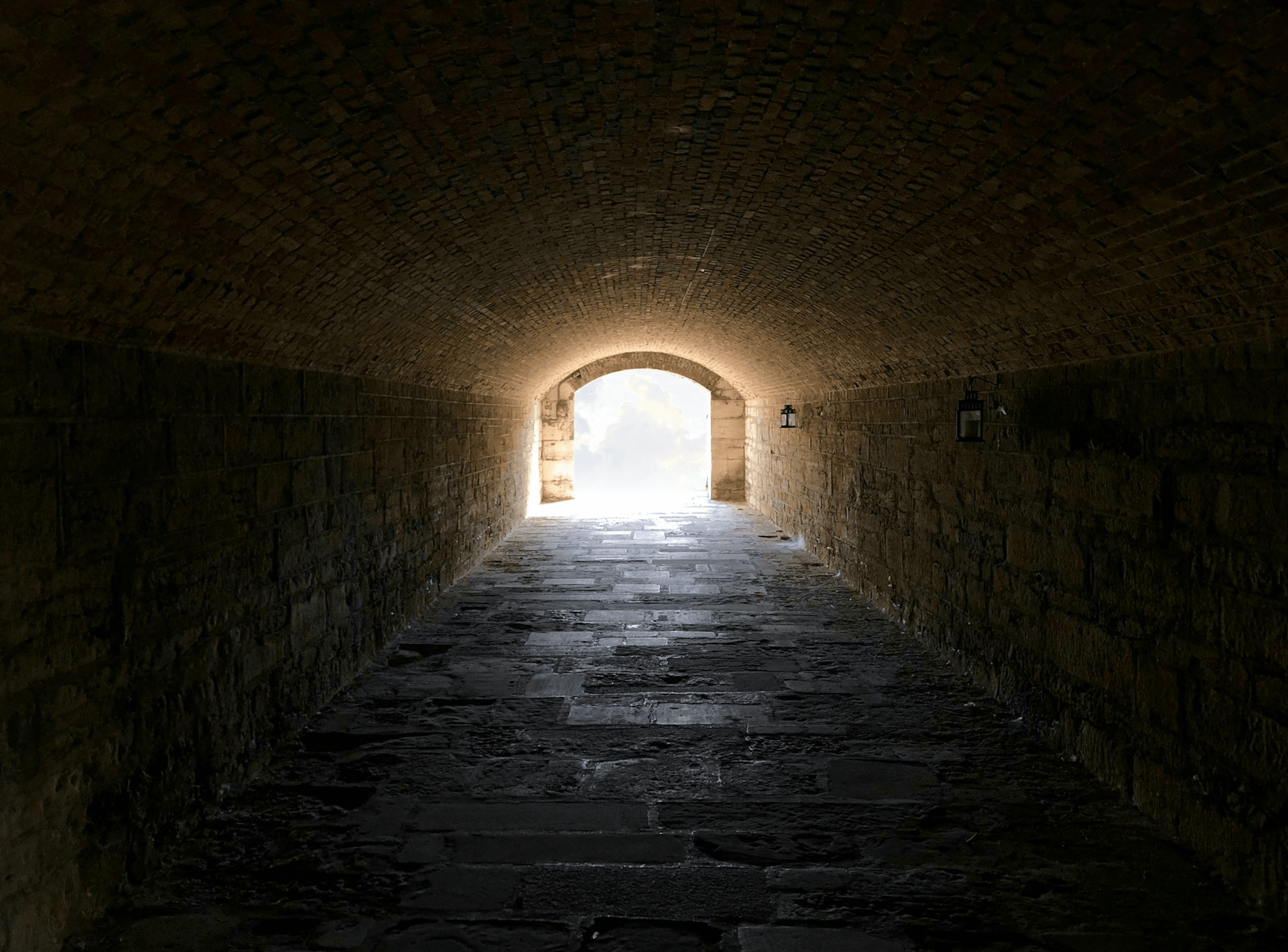
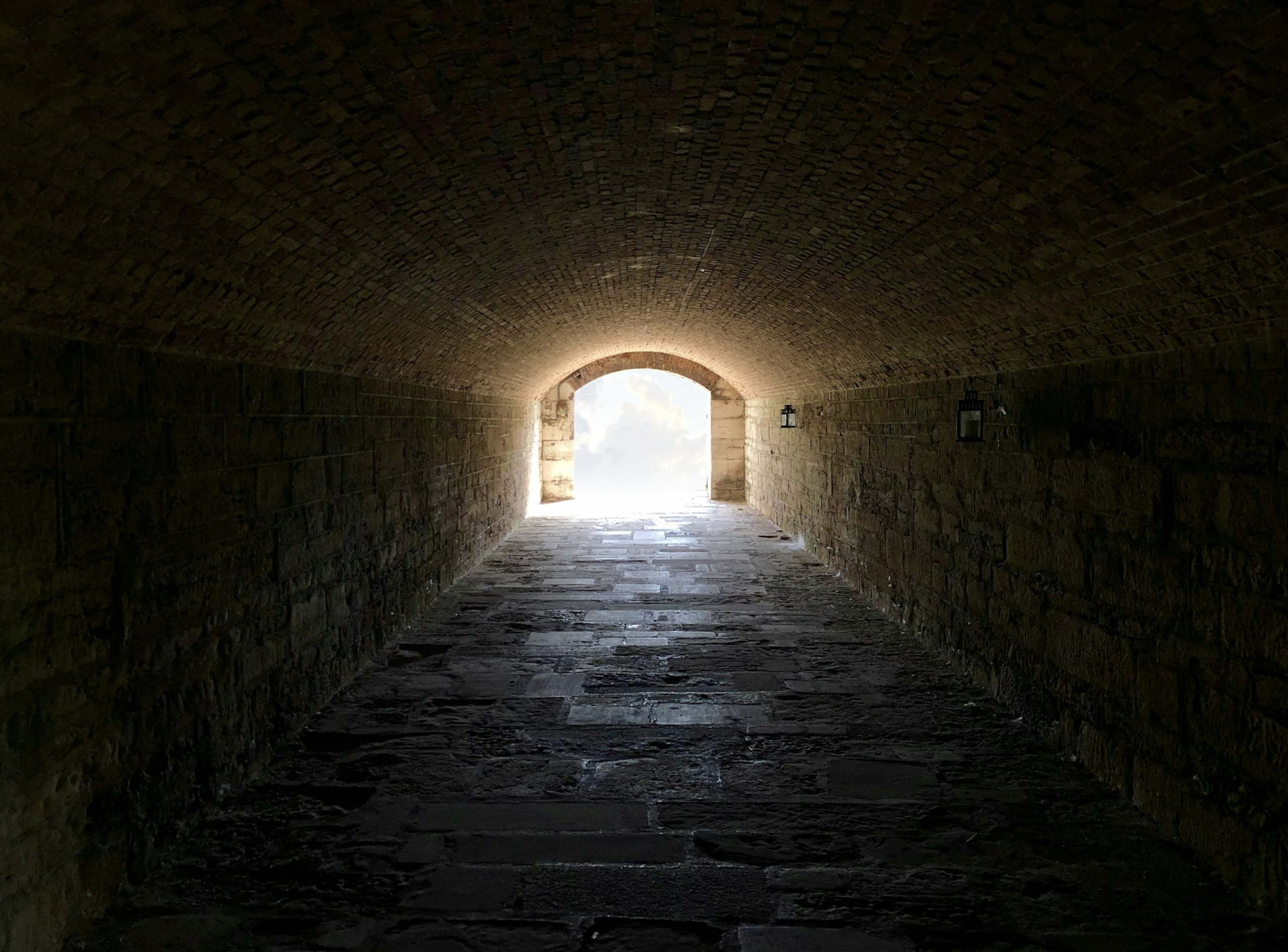
Nestled along the Detroit River, Historic Fort Wayne stands as a testament to the city's military past, offering photographers a blend of decaying history, striking architecture, and atmospheric landscapes. Built in the 1840s, this star-shaped fort once served as a strategic defense point but never saw battle. Today, it provides hauntingly beautiful photographic opportunities, from its abandoned barracks and crumbling red-brick walls to eerie tunnels and quiet, overgrown pathways. Whether capturing the golden light of sunrise over the parade ground, the rich textures of weathered wood and stone, or moody black-and-white compositions of its empty corridors, Historic Fort Wayne is a must-visit for urban explorers and history enthusiasts alike.
Best Photography Opportunities
• Golden Hour for Atmospheric Lighting
– The soft, directional light of sunrise and sunset enhances the fort's textures, from its weathered brickwork to the rusting iron gates. The long shadows cast across the grounds add depth, making for compelling compositions. The golden hour is also an excellent time to capture the Detroit skyline in the distance, creating a striking contrast between past and present.
• Decay and Urban Exploration Photography
– Many of the fort's buildings are abandoned, making it a perfect location for capturing the beauty of decay. Cracked walls, peeling paint, and broken windows tell a story of time's passage. A wide-angle lens helps emphasize the fort's imposing interiors, while a shallow depth of field can highlight intricate details like rusted locks, faded signage, and moss-covered bricks.
• Black-and-White for Timeless Compositions
– The fort's stark architecture and moody atmosphere lend themselves well to black-and-white photography. Removing color enhances the contrast between shadows and highlights, emphasizing the fort's historical weight. Experimenting with high-contrast settings can bring out the drama in long hallways, arched tunnels, and empty barracks.
• Detroit River Views for Landscape Shots
– The fort sits on the banks of the Detroit River, offering scenic views of the waterway, passing ships, and even Windsor, Ontario, on the Canadian side. Capturing reflections on the river at dawn or dusk creates a peaceful contrast to the fortress's weathered walls.
• Events and Reenactments for Action Shots
– Throughout the year, Historic Fort Wayne hosts military reenactments, vintage baseball games, and cultural events that provide dynamic photography opportunities. Capturing people in period clothing interacting with the historic setting brings the past to life in a unique way. Fast shutter speeds help freeze action, while a slower shutter can add motion blur for a more artistic effect.
Best Time to Visit
The best time to visit Historic Fort Wayne depends on the type of photography you want to capture. Spring and fall are ideal for moody, atmospheric compositions, with changing foliage and soft light enhancing the fort's aged character. Autumn, in particular, provides a rich contrast between the golden leaves and the deep reds and browns of the fort's brickwork.
Summer offers bright, clear days that are perfect for capturing detailed architectural shots and participating in scheduled events or reenactments. However, midday light can be harsh, so early mornings or late afternoons are preferable for softer, more dramatic shadows.
Winter transforms the fort into a haunting, snow-covered landscape. The stark contrast of white snow against dark brickwork creates a striking visual effect, making for excellent black-and-white photography. However, access may be limited in extreme weather conditions, so checking ahead is advised.
Sunrise and sunset provide the best light for capturing the fort's structure in its most dramatic form. The long shadows and warm hues of golden hour bring out the textures of the aging walls, while twilight offers a more mysterious, ghostly ambiance.
How to Get There
Historic Fort Wayne is located in southwest Detroit, near the intersection of Livernois Avenue and West Jefferson Avenue. The fort is easily accessible by car, with parking available near the entrance. From downtown Detroit, it's a short 10-minute drive via Fort Street or Jefferson Avenue.
Public transportation options include bus routes that stop near the fort, but service may be limited, so checking schedules in advance is recommended.
While the exterior grounds are open to visitors, access to the fort's buildings is restricted except during guided tours or special events. There is an admission fee for official tours, which grants access to the fort's tunnels, barracks, and command buildings. Visiting during an event ensures greater accessibility to some of the most photogenic areas of the site. Checking the official website or contacting local historic organizations before your visit is recommended for the latest information on access and fees.
Exploring the Surrounding Area
Beyond Historic Fort Wayne, the surrounding area offers additional photographic opportunities. The Detroit Riverwalk, a short drive away, provides stunning skyline views and reflections of the city's high-rises in the water. Belle Isle Park, another historic Detroit landmark, offers a mix of nature and architecture, including the James Scott Memorial Fountain and the Anna Scripps Whitcomb Conservatory.
For urban exploration photography, the industrial areas near the fort feature old warehouses, railway tracks, and remnants of Detroit's manufacturing past. Capturing the contrast between these decayed structures and the revitalized parts of the city tells a powerful story of Detroit's evolution.
Nearby Photography Locations
• Michigan Central Station
– One of Detroit's most famous abandoned buildings, this grand train station is undergoing restoration but still offers incredible architectural photography opportunities. Its Beaux-Arts design, with massive columns and intricate details, makes for dramatic compositions.
– This scenic path along the Detroit River offers panoramic views of the city skyline, as well as opportunities to capture reflections, passing ships, and vibrant sunset colors over the water.
– A picturesque island park featuring historic landmarks, lush greenery, and waterfront views. The Anna Scripps Whitcomb Conservatory and Belle Isle Aquarium provide stunning indoor photography subjects, while the bridge leading to the island makes for a striking composition.
• Corktown
– Detroit's oldest neighborhood, filled with historic buildings, colorful murals, and charming streets. The mix of old and new architecture provides excellent street photography opportunities, particularly around Michigan Avenue.
– One of Detroit's most impressive Art Deco skyscrapers, featuring intricate tilework and stunning interior details. The building's lobby is open to the public and is an ideal spot for capturing rich architectural elements and dramatic lighting.
Historic Fort Wayne is a hidden gem for photographers looking to capture a unique mix of military history, urban decay, and scenic landscapes. Whether shooting dramatic sunrise silhouettes, exploring its forgotten interiors, or documenting its connection to the Detroit River, this site offers endless creative possibilities. With its rich textures, moody atmosphere, and striking architecture, Historic Fort Wayne remains one of Detroit's most compelling locations for history and photography enthusiasts alike.
Comments
Loading comments…