
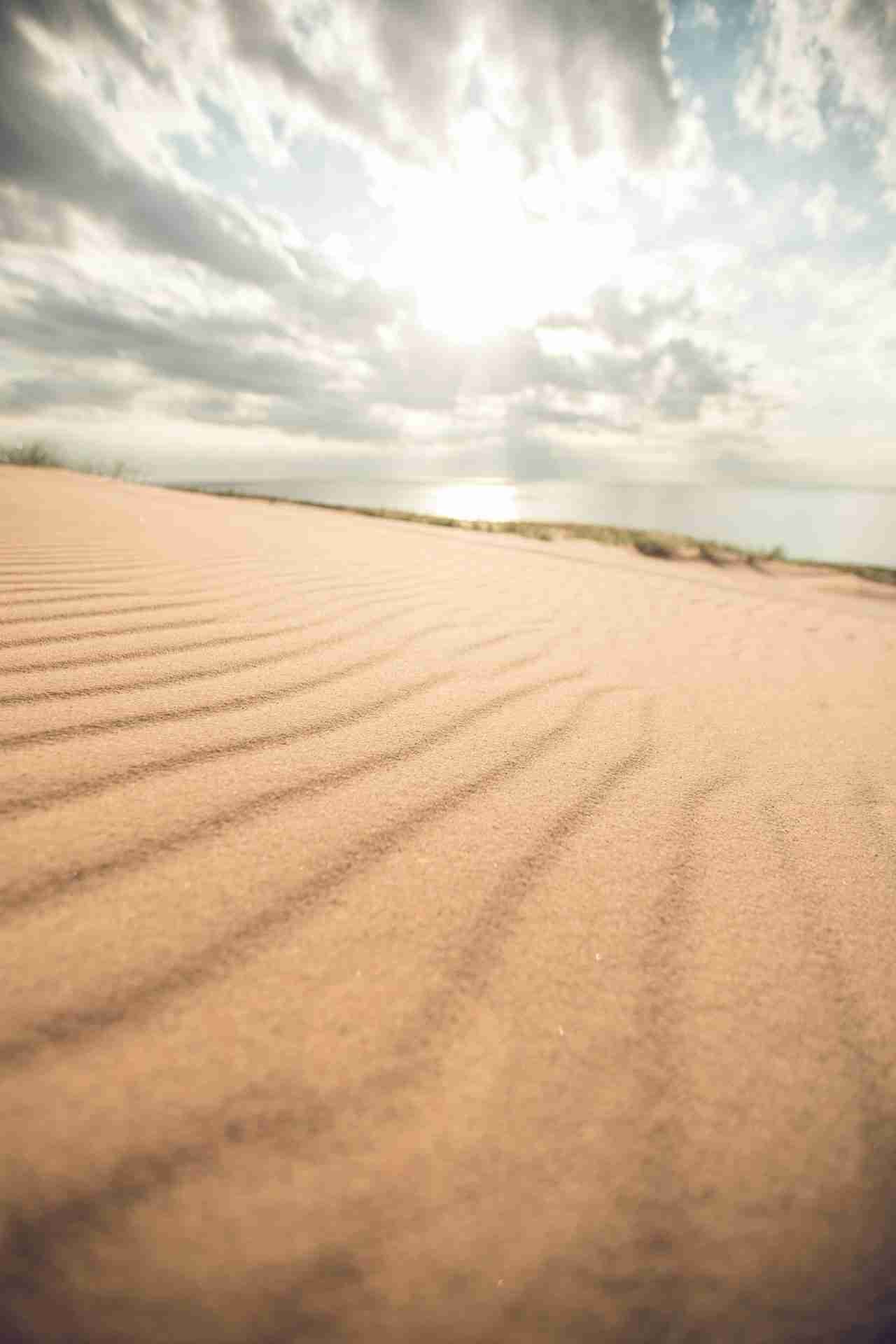
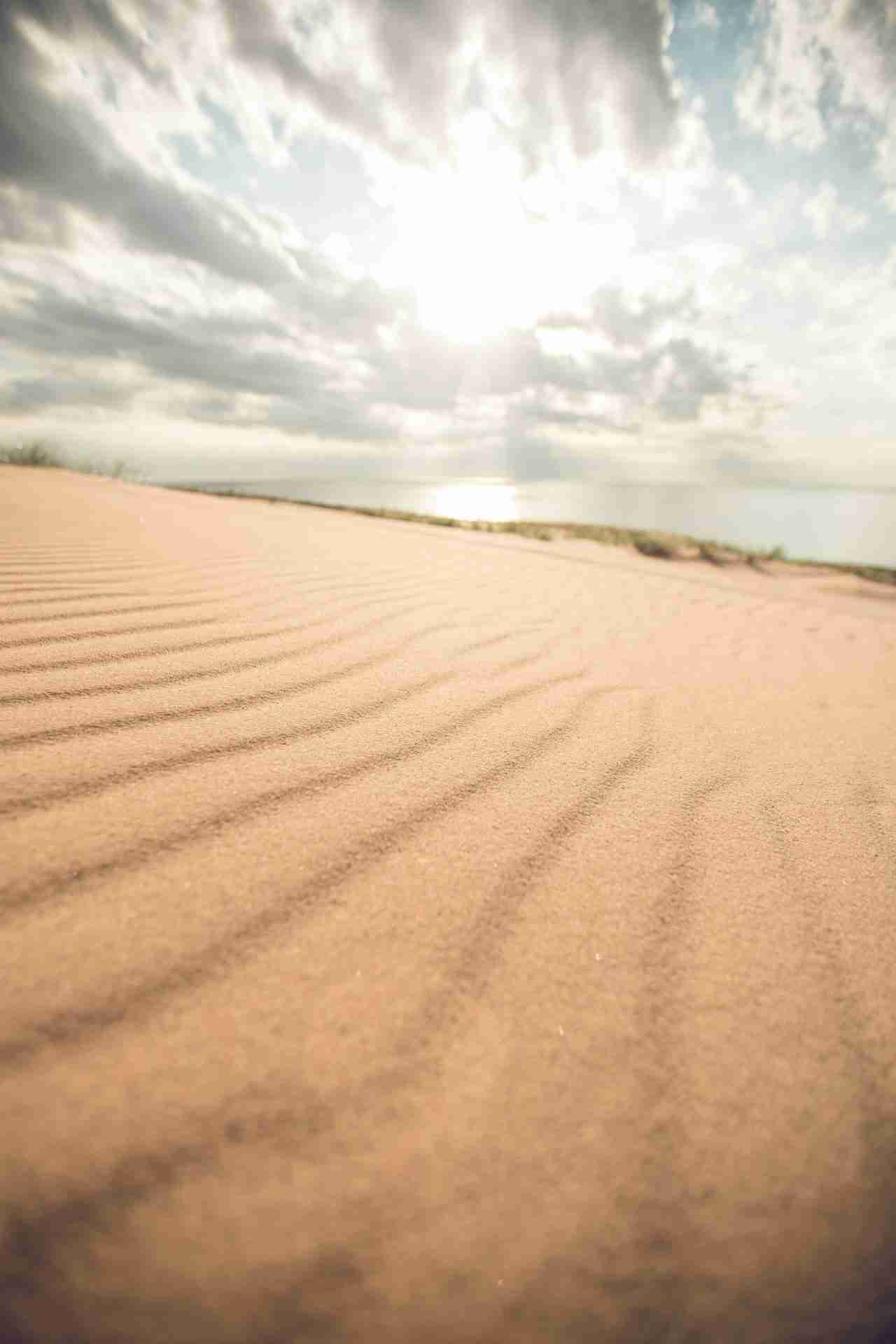
Sleeping Bear Dunes National Lakeshore is a sweeping expanse of shoreline, forest, and dune country along the northwestern edge of Michigan's Lower Peninsula. The park's name comes from a Native American legend tied to the shape of its dunes, but what photographers find here is a landscape defined by soft contours, subtle light, and the vast presence of Lake Michigan. From high bluffs to inland lakes and maple forests, every part of the park presents its own version of quiet movement. Wind stirs the dune grass. Clouds drift over the water. Light falls gently over sand that never stops shifting. For photographers drawn to texture, openness, and the changing interaction of land and sky, this is a landscape that rewards patience and attention.
Best Photography Opportunities
• Lake Michigan Overlook from Pierce Stocking Scenic Drive
This overlook is one of the most dramatic in the park. Standing at the edge of the bluff, you are 450ft above the lake with a view that extends across the curve of the shoreline. A wide angle lens between 16 and 24mm captures the entire sweep, including the steep dune slope that drops toward the water. Shooting here at sunset allows the soft tones of the lake and sky to merge, while earlier in the day, sidelight helps define the shape of the dune face. In windy conditions, sand blown across the surface adds visible motion to long exposures. It is a place where grand scale meets delicate color.
• Patterns and Human Scale at the Dune Climb
This broad face of sand rises directly from the road and invites people to walk or run across its surface. It is a good location for photographing footprints, ripples, and the movement of light over textured sand. A figure crossing the slope can be used to add scale, especially when placed against the crest. Morning light creates long shadows that define the surface, while overcast days allow for flat, tonal studies without deep contrast. Using a lower perspective near the ground helps exaggerate foreground texture and gives the viewer a sense of presence within the scene.
• Bluff-Top View from Empire Bluff Trail
A short trail through a mixed forest leads to one of the most rewarding views in the park. From the top of Empire Bluff, you can see the open lake to the west and the wooded shoreline to the north. Use a mid-range zoom lens to frame the water with branches in the foreground or to compress layers of color across the hills. This spot is best photographed in the hour before sunset when the sky lights up behind the lake and the edge of the bluff catches warm light. On clear days, distant islands and shoreline detail add depth to the frame.
• Still Reflections at North Bar Lake
This small inland lake sits just behind a low dune ridge and opens to Lake Michigan through a narrow outlet. On calm mornings, it reflects the sky with near-perfect clarity. Arrive early and set up low near the shoreline to catch pre-dawn color or the first sunlight striking the trees. A polarizer helps manage glare and deepen sky contrast. This area is also good for photographing subtle transitions between elements: water to sand, sand to grass, and grass to forest.
• Filtered Forest Light along the Platte River Trails
Moving away from the dunes, the Platte River region offers a different kind of light. Here, trails wind through hardwood forests where the canopy breaks sunlight into soft patches across the path. Use a 35mm or 50mm lens to work with the rhythm of trunks, roots, and occasional bends in the trail. These areas are especially photogenic in autumn when leaves turn orange and yellow, creating a warm backdrop for both wide shots and smaller detail studies. Misty mornings or light rain also add mood and soften contrast.
Best Time to Visit
The park's light and atmosphere change dramatically with the seasons. Spring brings new growth in the forests and clear air above the lake. Summer has the longest days and the most consistent access to all areas, but midday light can be harsh and crowds are common at major viewpoints. Early morning and late evening are essential for capturing the best light and avoiding foot traffic. Autumn offers the most color variety, especially in the inland forests and along the river trails. The angle of the sun is lower, creating richer shadow and warmer tones. Winter transforms the dunes into clean, snow-covered forms, though access is limited. Overcast skies can be helpful in all seasons for reducing glare and bringing out texture in both sand and water.
How to Get There
Sleeping Bear Dunes National Lakeshore is located in the northwest corner of Michigan's Lower Peninsula near the town of Glen Arbor. The main access point is via the town of Empire, where the Philip A. Hart Visitor Center provides maps, information, and park passes. Pierce Stocking Scenic Drive begins nearby and connects many of the park's top photographic viewpoints. Most trailheads and overlooks are accessible by paved road, and parking areas are available at each major site. A park pass is required for entry and can be purchased on site or online. While many locations require only short walks, others such as the Dune Climb or Empire Bluff involve elevation gain or sandy terrain. Sturdy footwear and water are recommended, especially when shooting in heat or humidity.
Recommended Photography Gear
A wide angle lens is essential for capturing the scale of the dunes and lake. A mid-range zoom is helpful for working from overlooks or isolating forest compositions. A lightweight tripod is useful for sunrise and sunset work, as well as long exposures near water. A circular polarizer helps reduce glare and can enhance sky detail and foliage contrast. Bring a microfiber cloth for clearing off sand or mist from your lens, and consider using a lens hood for additional protection. Weather can change quickly, so a small rain cover or dry bag is a good precaution. Footwear that handles sand, trail, and occasional water crossings is essential if you plan to move between locations throughout the day.
Nearby Photography Locations
This preserved village near the lakeshore offers wooden buildings, an old cannery, and rusted maritime equipment that make it ideal for textural studies and storytelling compositions. Soft light from overcast skies brings out the age and material quality of the structures.
Accessible by ferry from Leland, this island offers dunes, dense forest, and a lighthouse along with the remnants of shipwrecks. It is best suited for all day excursions and requires thoughtful planning, but rewards photographers with remote and varied scenes.
Located south of the park along the coast, this compact lighthouse sits on a rocky shoreline and is particularly striking in stormy or early morning light. It is also a good subject for long exposure water photography.
This gentle, winding waterway cuts through forest and open grassland. Photographers can shoot from the banks or explore by kayak to access quiet corners, reflections, and subtle movement in light and water.
Further south near Arcadia, this high roadside pull-off offers one of the most open views of Lake Michigan's shoreline. It is particularly strong at sunset, when the light stretches over the land and fades into the lake.
Comments
Loading comments…