
Capturing the Ethereal Beauty of White Sands National Monument
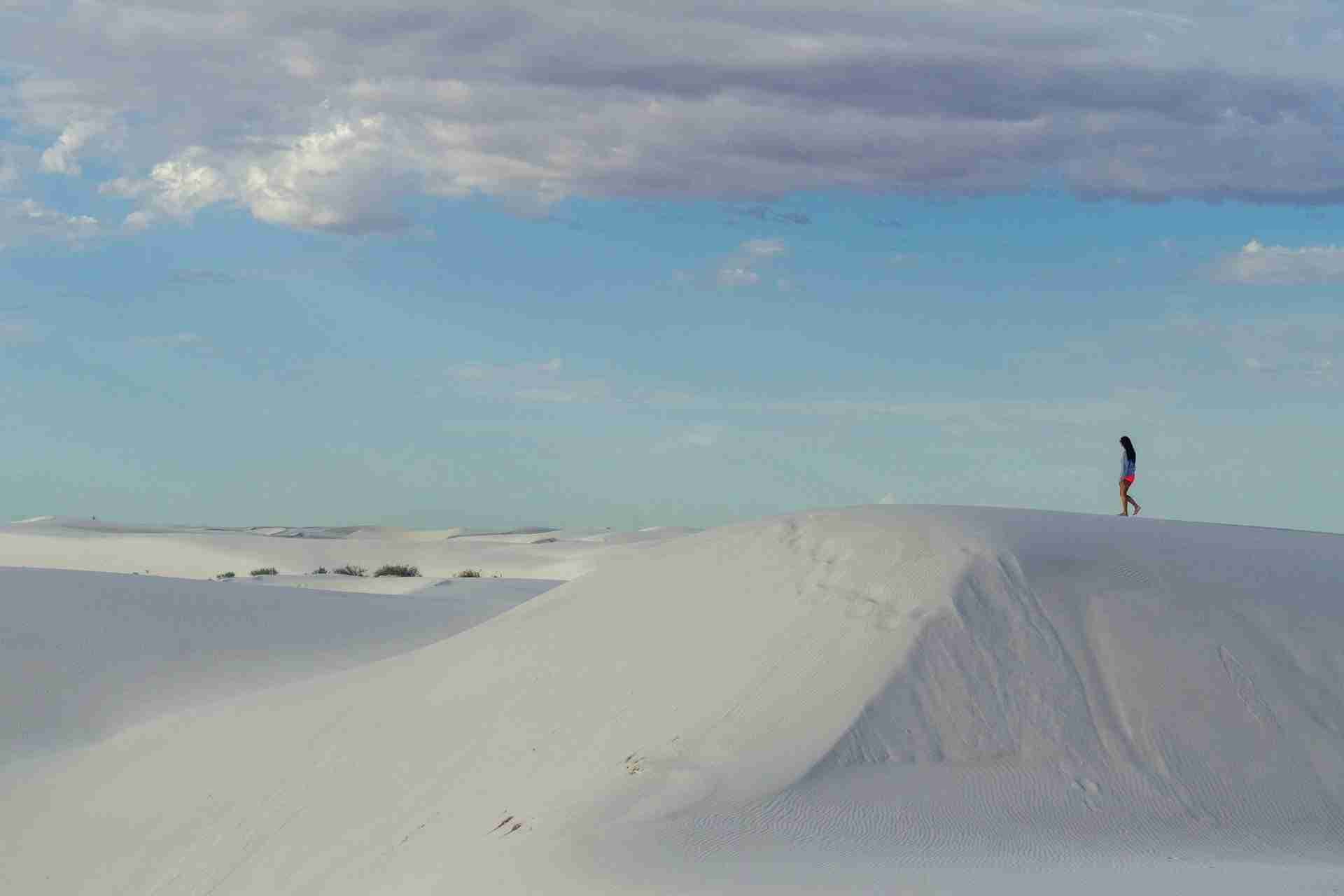
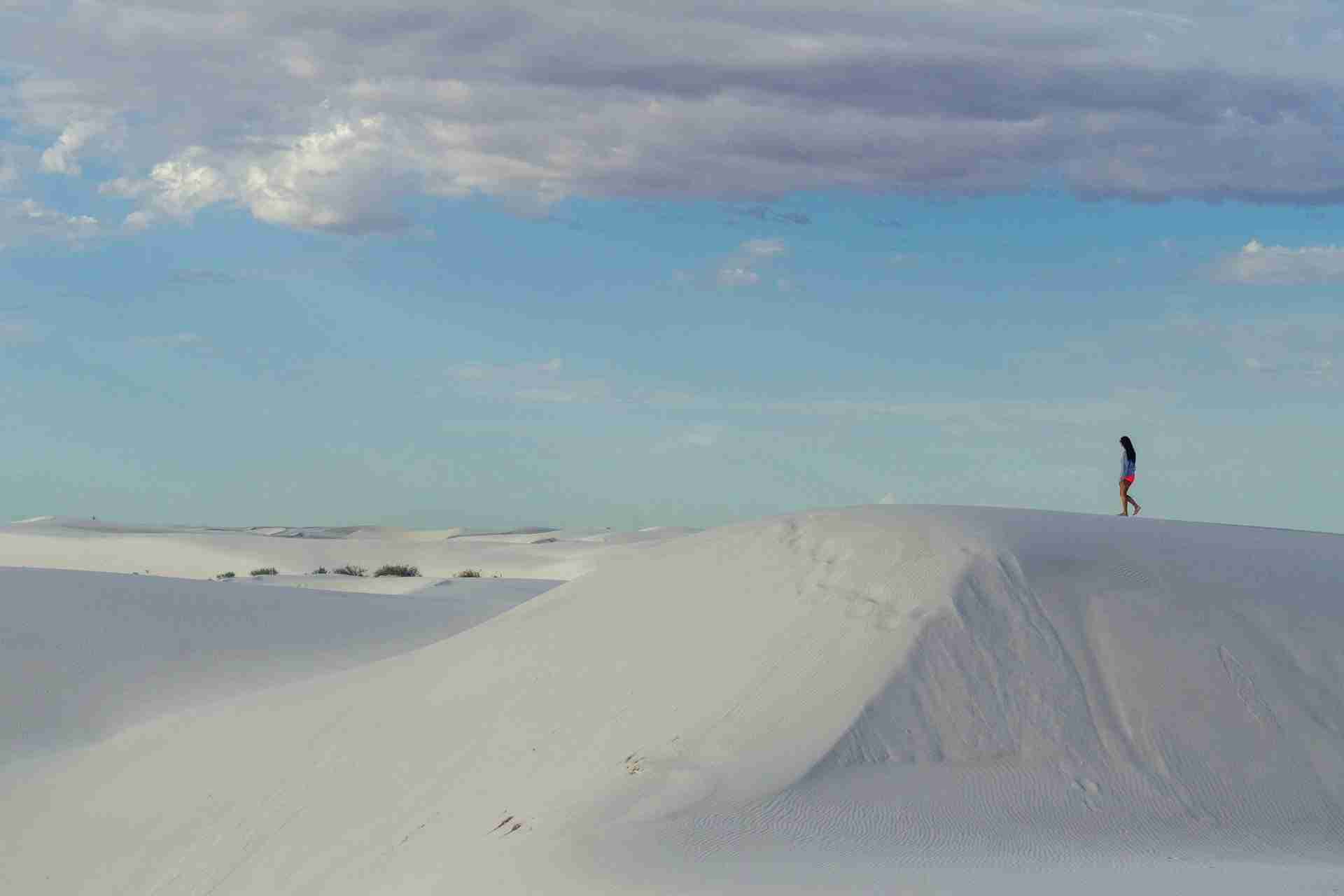
White Sands National Monument, located in southern New Mexico, is a dreamlike expanse of rolling gypsum dunes that seem almost otherworldly. The stark white sand reflects light in a way that creates an ethereal glow, making it a premier destination for landscape photography. The shifting dunes provide endless compositions, while the contrast between the brilliant white sand and the deep blue sky creates striking imagery. Whether capturing wide-angle landscapes, intimate sand patterns, or dramatic sunsets, White Sands offers a diverse range of photographic opportunities.
Best Photography Opportunities
• Sunrise and Sunset on the Dunes
– The early morning and late evening hours transform the dunes into a mesmerizing palette of soft pastels and deep shadows. The low angle of the sun accentuates the ridges and ripples in the sand, adding depth and texture to images.
• Gypsum Sand Ripples
– Close-up photography of the fine gypsum grains reveals intricate, ever-changing patterns formed by the wind. Using a macro or telephoto lens allows for abstract compositions that highlight the textures of the dunes.
• Contrasting Vegetation
– The sparse vegetation, including yuccas and other desert plants, creates stunning contrast against the stark white sand. These plants add a sense of scale and resilience to compositions and work well for minimalist photography.
• Night Sky Photography
– With minimal light pollution, White Sands is an excellent location for astrophotography. The dunes provide a unique foreground for capturing the Milky Way, star trails, or moonlit landscapes.
• Dramatic Storm Clouds
– During monsoon season, dark storm clouds rolling over the dunes create a dramatic contrast against the bright sand. These conditions offer incredible opportunities for moody and dynamic compositions.
• Human and Wildlife Elements
– Footprints in the sand, visitors exploring the dunes, and wildlife such as lizards and birds can add storytelling elements to photographs. Careful framing can emphasize the solitude and scale of the landscape.
Best Time to Visit
The best time for photography at White Sands is during the cooler months, from late fall to early spring. Summer temperatures can be extreme, often exceeding 100 degrees Fahrenheit, making midday shooting uncomfortable. The golden hours around sunrise and sunset provide the most flattering light and create long, dramatic shadows across the dunes. For astrophotography, plan visits around the new moon to capture the clearest night skies. The monsoon season, typically from July to September, offers the chance to photograph dramatic skies but also presents unpredictable weather conditions.
How to Get There
White Sands National Monument is located off U.S. Highway 70, about 15 miles southwest of Alamogordo, New Mexico. The nearest major airport is in El Paso, Texas, approximately 85 miles away. From Alamogordo, visitors can drive directly to the park entrance, where a scenic road leads into the dunes. Parking areas provide access to various trails and open spaces for exploration. While some areas are accessible by car, venturing deeper into the dunes requires hiking. A backcountry permit is needed for extended exploration beyond the main visitor areas.
There is an entrance fee required to access White Sands National Monument. Visitors can pay at the park entrance station, and various pass options are available, including single-entry, annual, and national park passes. Payment methods typically include credit cards and cash, though it's always best to check the official park website for the most up-to-date information on fees and accepted payment methods.
Exploring White Sands and the Surrounding Area
Beyond the vast dune fields, the surrounding area offers additional photographic opportunities. The nearby Sacramento Mountains provide a contrasting landscape with forested peaks and scenic overlooks. The town of Alamogordo has attractions such as the New Mexico Museum of Space History, which offers an interesting juxtaposition to the natural beauty of White Sands. Additionally, the region's unique desert flora and geological formations make for compelling subject matter, particularly at sunrise and sunset when the light enhances their textures and colors.
Nearby Photography Locations
– Located about an hour north of White Sands, this site features thousands of ancient petroglyphs etched into volcanic rock. The contrast between the historic carvings and the surrounding desert landscape makes for fascinating photography.
– A mountain town nestled in the Lincoln National Forest, Cloudcroft offers a lush, green environment that starkly contrasts with the dunes of White Sands. The winding forest roads, mountain vistas, and seasonal snowfall provide diverse photographic opportunities.
– This volcanic landscape, about 45 minutes north of White Sands, features fields of dark lava rock interspersed with desert plants. The rugged terrain and unique textures make it a compelling subject for dramatic landscape photography.
– Located near Las Cruces, this rugged mountain range offers jagged peaks, rocky formations, and vibrant desert landscapes. Sunrise and sunset light cast striking shadows that highlight the dramatic contours of the mountains.
– A two-hour drive from White Sands, this refuge is a prime location for photographing migratory birds, especially sandhill cranes and snow geese during the winter months. The reflective water surfaces and dramatic skies add depth to wildlife compositions.
Comments
Loading comments…