
The Beekman: A Photographer's Guide to New York's Victorian Jewel
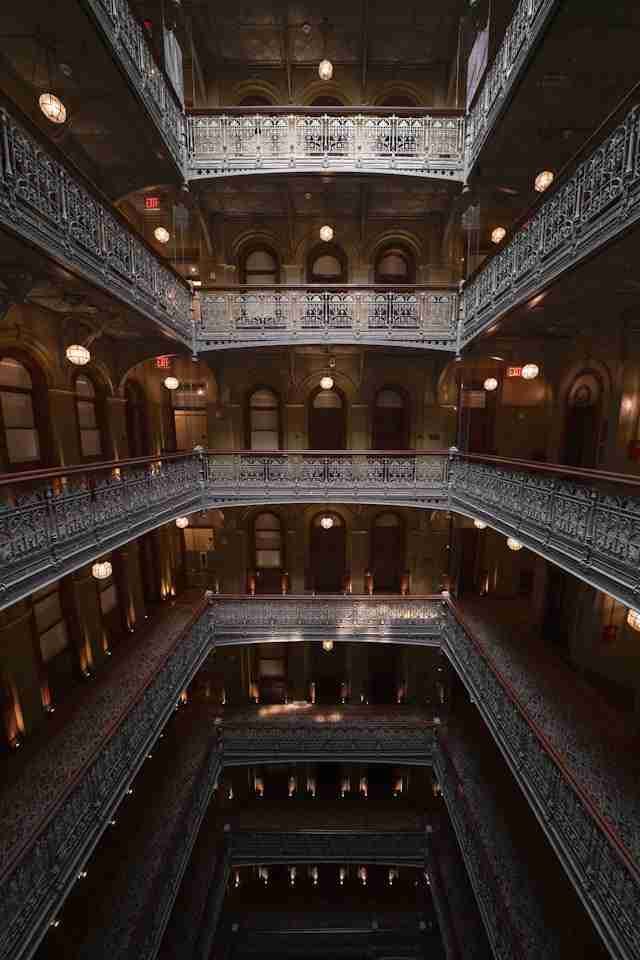
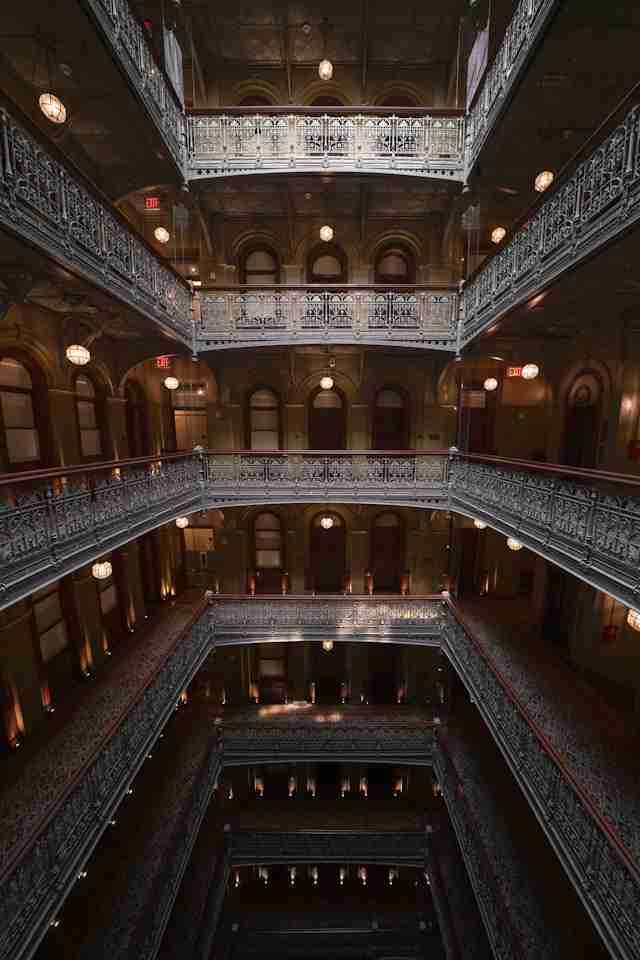
Tucked into the heart of Lower Manhattan, The Beekman, a Thompson Hotel, is a stunning example of preserved Victorian architecture wrapped in modern luxury. Originally built in 1883 as the Temple Court Building, this nine-story architectural marvel features a pyramid-shaped skylight, cast iron railings, and intricate terracotta ornamentation. Restored and reopened in 2016, it now operates as one of New York City's most atmospheric hotels. For photographers, The Beekman offers a rare opportunity to capture 19th-century craftsmanship in a contemporary context, blending rich textures, warm light, and striking vertical compositions. Whether you're shooting its dramatic atrium, ornamental interiors, or ornate exterior, The Beekman is a location that rewards precision, patience, and creative framing.
Best Photography Opportunities
• The Central Atrium and Skylight
The heart of The Beekman lies in its breathtaking atrium, which stretches from the lobby to a pyramid-shaped glass skylight nine stories above. A wide-angle lens allows you to fully capture the symmetry of the railings and the soft vertical lines that pull the viewer's eye upward. Visit early in the morning for subtle natural light filtering in through the skylight, revealing textures in the cast iron and brick without harsh shadows. From the upper floors, you can create dramatic top-down perspectives that emphasize the repeating floor patterns and the intricate central chandelier. This space is ideal for both broad architectural frames and tight detail shots of decorative elements.
• Cast Iron Railings and Floor Details
Each level of the building is ringed with elaborate cast iron railings featuring floral and geometric motifs. These railings are not only functional but also visually complex, making them excellent subjects for close-up work. A mid-range zoom lens lets you isolate these patterns and capture their fine craftsmanship. These elements work well in shallow depth-of-field compositions, particularly when backlit by the diffused light from the atrium. Position yourself on a stairwell landing to shoot diagonally across levels and include figures or architectural features for scale. The shadows cast through these railings also add artistic patterns to the surrounding walls and floors.
• Exterior Facade on Nassau Street
The Beekman's facade features red brick, limestone, and terracotta in a Gothic Revival style. In the late afternoon, golden hour sunlight casts warm tones across the building, enhancing its texture and emphasizing the depth of its window bays. Position yourself across the street to capture the full height of the building, or use a telephoto lens to compress the ornate windows and roofline against the city backdrop. Framing the facade with nearby lampposts, bustling street activity, or moving traffic adds an additional urban narrative. The juxtaposition of historic architecture with the rhythm of city life provides endless storytelling opportunities.
• Interior Furnishings and Light Fixtures
The interior of The Beekman is as photogenic as its architecture. Antique rugs, velvet seating, brass light fixtures, and vintage books create a richly detailed environment for atmospheric stills or stylized portraits. Use natural light from large lobby windows or ambient glow from chandeliers and sconces to bring warmth into your frame. A fast prime lens works well here to maintain sharpness in dimmer settings. Each corner of the public spaces is thoughtfully styled, from the checkered tile floors to the plush seating areas, offering inviting compositions that evoke both elegance and comfort.
• Night Photography from the Lobby or Street
After sunset, The Beekman takes on a more mysterious elegance. Interior lights cast a golden glow upward through the atrium, while exterior uplighting emphasizes the textures and gothic details of the building's facade. Use a tripod and low ISO for long exposures either from the center of the lobby floor looking up, or across Nassau Street looking back at the illuminated structure. Reflections from nearby windows and glossy surfaces add complexity to night compositions. The contrast between warm interior light and cool street tones makes this an excellent time for high-impact architectural photography.
Best Time to Visit
The Beekman's interiors can be photographed year-round, with each season offering different light characteristics. During winter, lower sun angles allow more even illumination through the skylight, while summer afternoons offer warmer tones and more pronounced shadows. Spring and autumn offer the best balance of color and soft light.
Early morning is ideal for photographing the interior spaces with minimal foot traffic and gentle skylight exposure. Golden hour adds warmth and drama to the exterior facade, especially on clear days when low-angle light rakes across the building's textured surfaces. For night photography, blue hour provides a rich contrast between the warm interior lights and the cool ambient tones of the surrounding city. Cloudy or overcast days also work well for reducing contrast and capturing the subtle textures and shadows of both interior and exterior details.
Access to the atrium and public interior spaces is generally open to hotel guests and visitors who are respectful and discrete. While tripods may be discouraged during busy times, handheld shooting is typically permitted. If you're planning an extended shoot or professional session, it's best to contact the hotel in advance to confirm guidelines.
How to Get There
The Beekman is located at 123 Nassau Street, near the intersection of Beekman Street in New York's Financial District. The hotel is easily reached by subway, with the Fulton Street and City Hall stations both just a short walk away. Multiple bus lines also serve the area, and there are taxi and rideshare drop-off points nearby.
Visitors arriving by car can use valet parking through the hotel. For those walking, the building is conveniently located near several major landmarks, including City Hall Park and the Brooklyn Bridge pedestrian entrance. While there is no fee to enter the lobby or public spaces, commercial photography or use of tripods may require prior approval from hotel staff. Respectful behavior and unobtrusive equipment will help ensure continued access for photographers.
Essential Gear for Capturing the Space
Photographing The Beekman calls for a flexible but carefully curated kit. A wide-angle lens, such as a 16–35mm, is critical for shooting the atrium and lobby interiors. It allows you to capture full-height compositions or the expansive feel of the nine-story void above. For details and compressed compositions, a 24–70mm zoom offers versatility, especially in tighter spaces like stairwells or seating areas. A telephoto lens is helpful when shooting across the street to isolate facade details or shoot compressed frames of windows and rooflines.
A tripod is invaluable for low-light shooting inside the atrium or for night scenes outside the building. Polarizing filters help manage glare on polished stone and glass surfaces. Pack extra batteries and memory cards, especially if planning to shoot both indoors and out across multiple lighting conditions. A lens cloth is helpful for managing smudges or condensation inside the warm interior spaces.
Comfortable shoes are essential, as capturing the full range of The Beekman's photographic potential means moving up and down multiple floors and spending extended time on foot. A lightweight, discreet camera bag will keep you mobile while maintaining a low profile in public areas. If shooting during colder months, dress in layers, as transitions between outdoor and indoor shooting can affect your comfort and the behavior of your gear.
Nearby Photography Locations
Located just one block away, this tree-lined park features fountains, historical statues, and views of the Manhattan Municipal Building. It offers a quiet counterpoint to The Beekman's vertical drama and works well for portraits or nature-meets-architecture compositions.
Just a five-minute walk from The Beekman, the bridge offers sweeping views of Lower Manhattan and the East River. Use the bridge's repeating cables and arches to frame long-exposure skyline shots during sunset or early morning.
One of New York's most beautiful Gothic skyscrapers, the Woolworth Building rises just a few blocks west of The Beekman. Though the interior is not accessible without a tour, the exterior makes for excellent telephoto or upward-looking architectural shots.
To the southeast lies a district of restored 19th-century buildings, cobbled streets, and harbor views. This area complements The Beekman with a similar historic aesthetic but a more casual, open-air setting.
A short subway ride or 15-minute walk brings you to the Oculus, with its soaring white ribs and futuristic design. Its high-contrast modern lines provide a striking contrast to The Beekman's intricate Victorian interior.
Comments
Loading comments…