
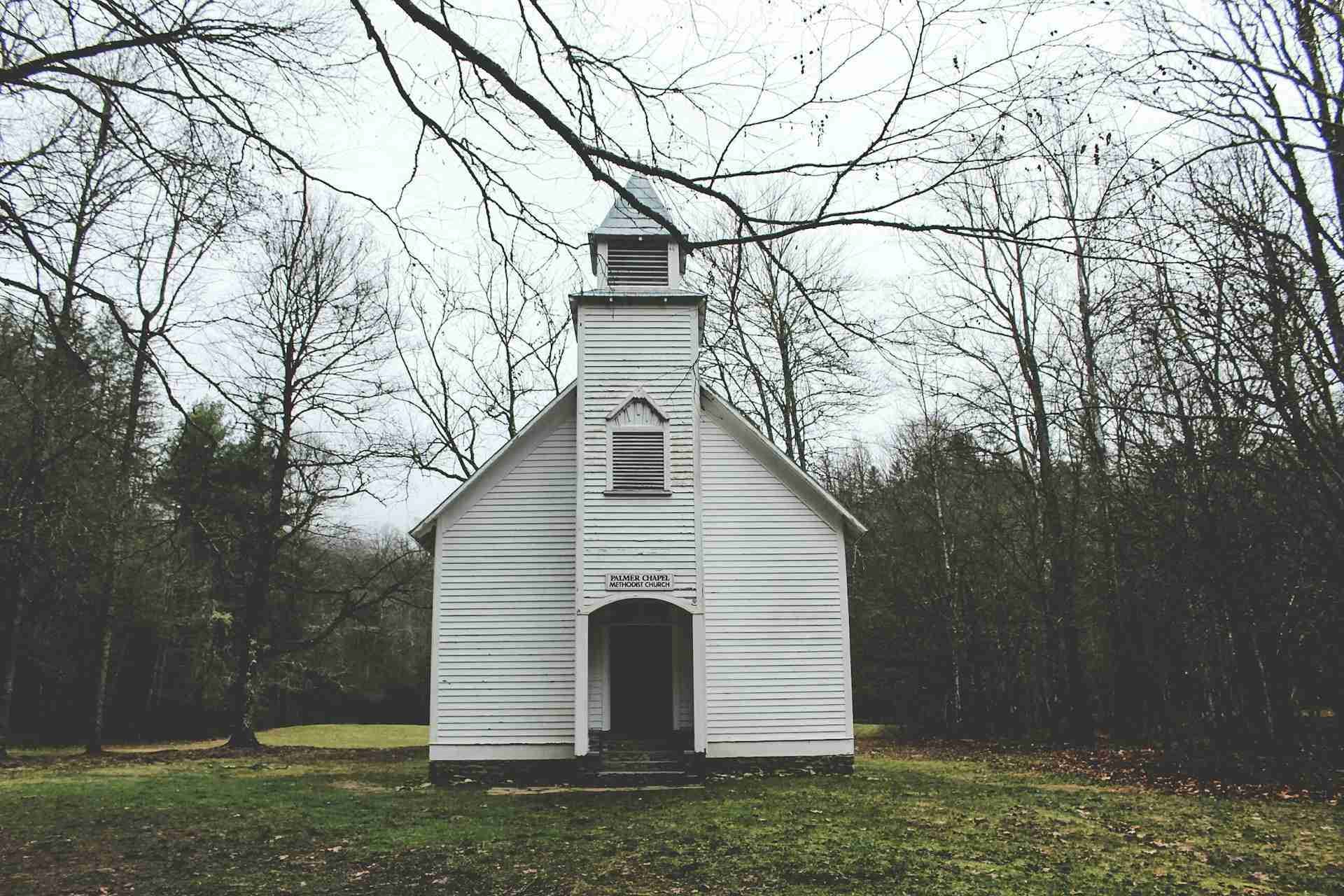
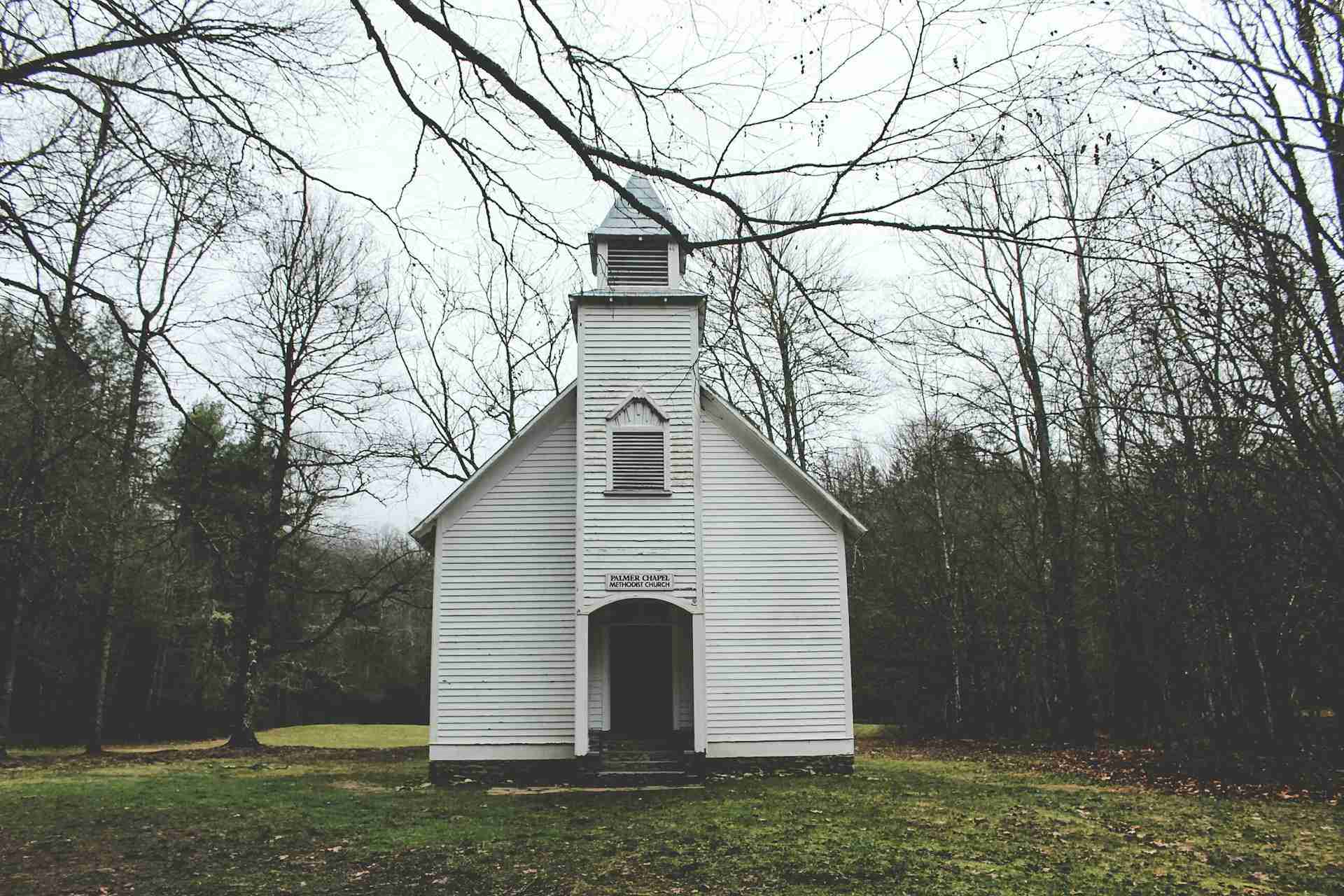
Tucked deep in a quiet corner of Great Smoky Mountains National Park, Palmer Chapel Methodist Church sits just off the Cataloochee Entrance Road in North Carolina. Built in 1903, the small white church is a single room structure surrounded by forest and often surrounded by mountain fog. The building is plain and unadorned, but that simplicity makes it a strong subject. Light filters through the tall windows in the late morning, casting soft highlights across the wooden pews and plank floor. For photographers, it offers a rare chance to capture stillness, symmetry, and natural light without distractions, especially if you arrive early and have the place to yourself.
Best Photography Opportunities
• Interior Window Light and Shadows
The inside of Palmer Chapel is filled with soft, natural light. In the morning, light enters through the tall side windows and creates long angled beams across the floor and pews. These shafts of light change quickly depending on the season and cloud cover, so timing and patience matter. The quality of the light is especially nice on cool mornings when the sun is low and there's still moisture in the air. It's an ideal setting for capturing mood, depth, and quiet details without having to use artificial lighting.
• Symmetry and One Point Perspective
The structure of the church makes it ideal for balanced compositions. From the back of the room, the central aisle leads straight to the pulpit, with matching wooden pews on each side. A wide angle lens allows you to fill the frame with clean lines and repeat patterns without distortion if you're careful about leveling your camera. The plain design of the space adds to the impact, drawing attention to the structure of the composition itself. This is also a good opportunity to experiment with bracketing or exposure blending to deal with the contrast between the windows and interior shadows.
• Fog and Early Morning Conditions
Cataloochee Valley often gets fog in the early hours, and when it lingers around the chapel, it adds a lot of depth to exterior shots. The white exterior of the church stands out against the gray background, and the nearby trees and fence posts disappear gradually into the mist. It's a great way to add mood to what might otherwise feel like a simple scene. Fog softens the contrast and removes distractions, letting the building become the clear focal point. These conditions are fleeting, so arriving early and being ready to adapt quickly is key.
• Detail Shots and Textures
Palmer Chapel is full of small details that hold up well in photographs. From the wood grain on the pews to the hymn board and door handles, there's a lot to work with if you take the time to look closely. These elements really shine under soft light, especially during overcast days or when the sun is low and indirect. A short telephoto lens or macro setup will let you isolate these features and experiment with depth of field. Capturing these quiet moments helps tell a more complete story of the chapel beyond the wide shots.
• Seasonal Color
The church's white clapboard exterior contrasts well with the surrounding forest in every season. In spring, soft greens and blooming ground cover can help frame the chapel in a fresh, clean palette. In summer, the dense tree canopy creates shaded conditions and strong vertical lines around the structure. Fall brings bright yellow and orange foliage that can either frame the church or be used as foreground blur in a wider scene. Winter, especially with frost or snow, simplifies the surroundings and lets the building stand out even more, especially when the ground cover is untouched.
Best Time to Visit
The best time to photograph Palmer Chapel depends on what kind of light and atmosphere you're after. For soft interior light, aim to arrive between midmorning and noon. By then, the sun has risen just enough to send clean beams through the side windows without being too harsh. Early morning is ideal if you want fog outside or are planning wide shots of the chapel with soft skies and minimal contrast. Spring and fall are the most rewarding seasons overall. Spring brings new growth, cool mornings, and often lingering fog. Fall is especially photogenic when the leaves start to turn, typically in mid to late October. Midday sun can be difficult to work with for exterior shots because the surrounding trees cast dappled shadows, so earlier or later in the day usually gives more manageable light.
The Cataloochee Valley is much quieter than other parts of the park, but summer weekends can still bring visitors. To avoid foot traffic, aim for a weekday morning visit. The chapel is open year round, but access roads can become slippery in winter and aren't always plowed after snow. There are no artificial lights inside, so if you plan to shoot handheld indoors, expect to work at higher ISOs or slower shutter speeds.
How to Get There
Palmer Chapel is located in Cataloochee Valley, within Great Smoky Mountains National Park, and is accessed via Cataloochee Entrance Road from the town of Waynesville, North Carolina. The road into the valley is narrow, winding, and includes a stretch of gravel with tight turns, so drive carefully and allow extra time, especially in wet or icy conditions. The road may close for the winter or during stormy weather so be sure to check before heading out.
Once you reach the valley, there's a small parking area near the chapel, just past the Cataloochee campground. Parking is free, and there is no entrance fee for this part of the park. From the lot, it's a very short walk to the church, with a gravel path leading directly to the entrance. Restrooms are available nearby, but there are no food or other services in the immediate area. Cell service is limited or nonexistent, so be sure to download any maps or GPS information ahead of time.
Recommended Photography Gear
For this location, a small and simple kit works best. A wide angle lens in the 14 to 24 millimeter range is useful for capturing the full interior of the chapel, especially if you're working with the central aisle or shooting from a corner. A standard zoom like a 24 to 70 will handle most exterior and detail shots comfortably. If you're interested in close-ups or textures, bring a short telephoto or macro lens to isolate smaller subjects like wood grain, signage, or window hardware.
A tripod is highly recommended, especially inside the church where natural light is limited and longer exposures are often necessary. Even a lightweight travel tripod will make a big difference in sharpness and flexibility. A remote trigger or two second timer will help reduce shake for longer exposures. There's no need for flash or artificial lighting here; natural light is the whole point of the shoot. If you're visiting during foggy or damp conditions, bring a lens cloth and weather cover for your camera. A headlamp or flashlight can be handy if you're setting up early in the morning, as the interior can be quite dark before the sun comes up. And since there's no cell reception in the valley, bring a map if you're unfamiliar with the area.
Nearby Photography Locations
Just a few minutes from the chapel, you'll find several other well preserved structures, including the Beech Grove School and multiple homesteads. These buildings offer different lighting conditions and textures to explore, from barn wood and stone chimneys to rusted metal and broken fences. They work well for both wide environmental shots and tighter compositions focused on aging materials.
• Cataloochee Creek
Running through the valley, this creek is a good spot for long exposure water shots or reflections. In early morning light, the water often mirrors the trees overhead. You'll find small cascades and boulders that can be used to build foreground interest. Fall colors really pop here, especially when the leaves float in the current or settle on the rocks.
Cataloochee Valley is one of the best places in the Smokies to see elk, especially during the rut in September and October. Early morning and just before sunset are the best times to catch them grazing in the open fields. A telephoto lens is essential, as you'll want to keep a safe distance. The foggy fields and tree-lined ridges make a great backdrop for wildlife photography if conditions line up.
This trail leads to more remote historical sites like the Little Cataloochee Church and old cabins. It's a moderate hike, but you'll be rewarded with quieter settings and less foot traffic. The trail itself winds through forest and offers plenty of chances for woodland compositions and detail shots along the way.
• Purchase Knob
About an hour's drive from Cataloochee, this high elevation area offers expansive views of the Smokies, especially at sunrise. On clear days, you can catch ridgeline layers stretching off into the distance. The research station and nearby meadows offer a totally different look from the forested valley and are well worth the detour if you're heading back toward Waynesville or Asheville.
Palmer Chapel might not be a dramatic landmark, but that's exactly what makes it special. It's a place where light, space, and quiet all come together. If you're the kind of photographer who enjoys slower scenes and small shifts in light, it's a spot that will keep surprising you. Return visits in different seasons and times of day will always offer something new.
Comments
Loading comments…