
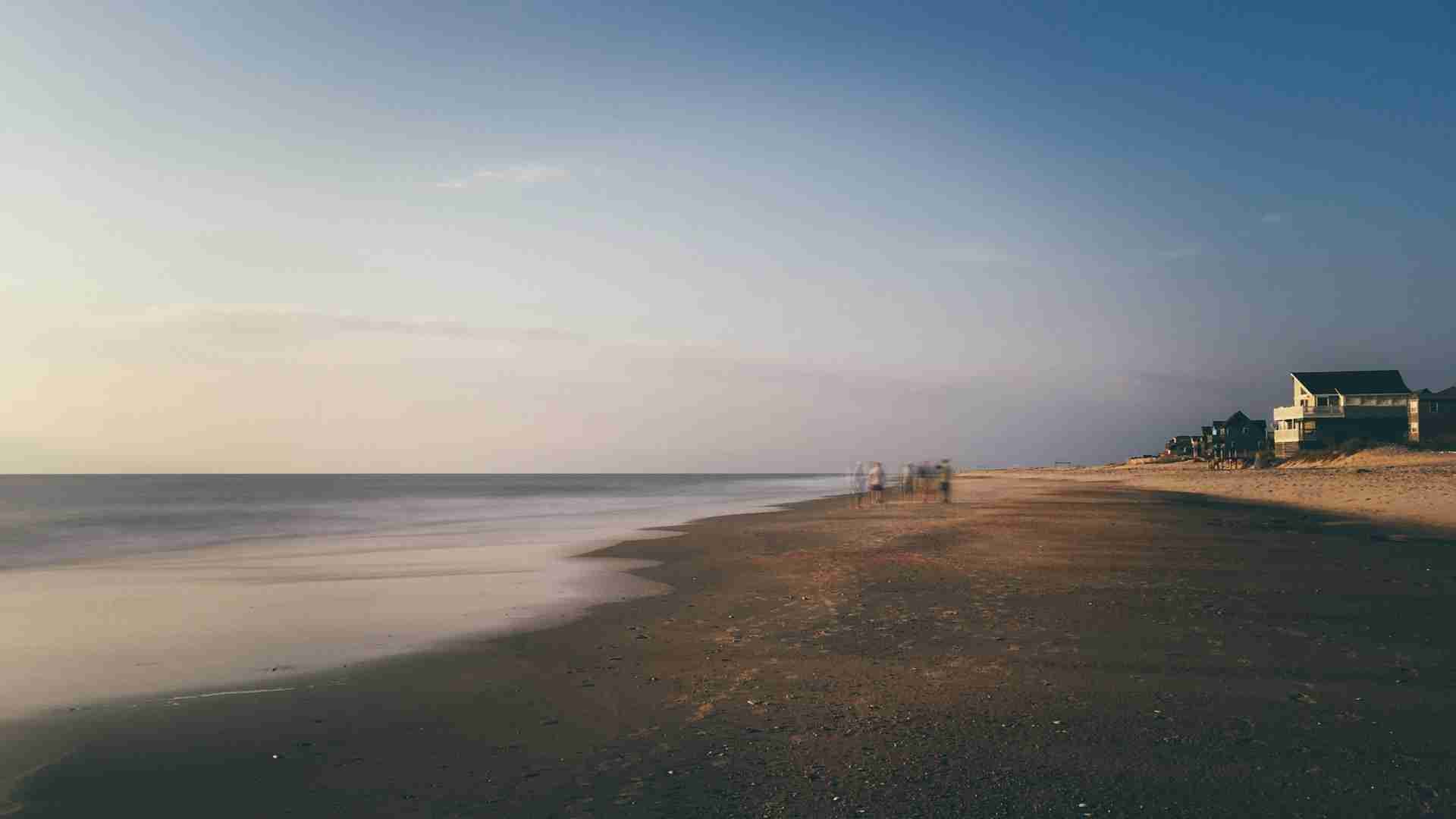
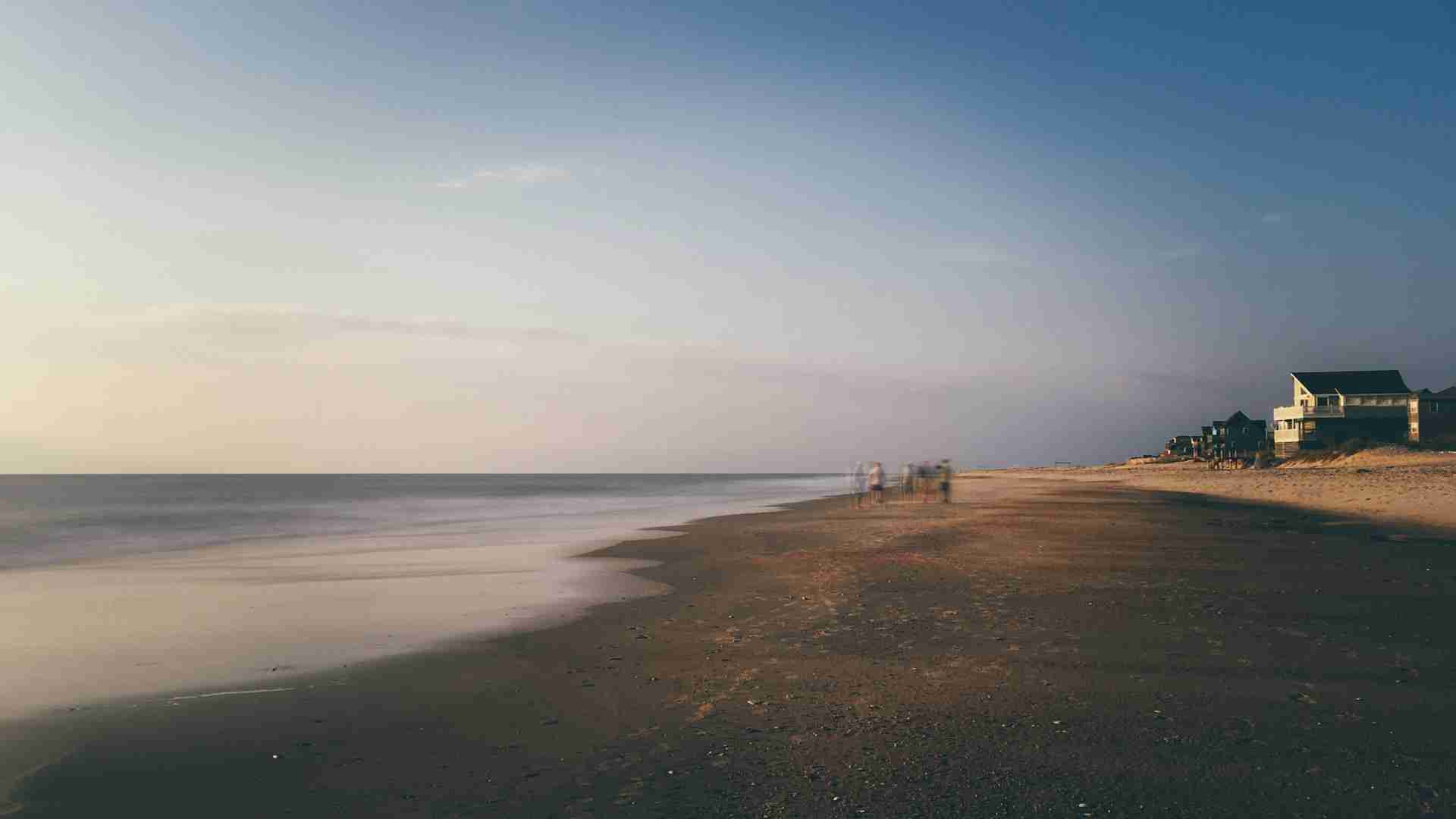
On the windswept Outer Banks of North Carolina, Rodanthe Pier Place offers photographers a classic coastal subject with strong compositional possibilities. The long wooden pier stretches out into the Atlantic, providing both symmetrical leading lines and a sturdy focal point against the ever-changing moods of sea and sky. Surrounding dunes, beach cottages, and wide-open horizons complete the scene, making it an ideal destination for sunrise and storm photography alike. Whether you are drawn to long-exposure seascapes or the textures of weathered wood, Rodanthe Pier provides a versatile setting where the ocean meets both structure and light.
Best Photography Opportunities
• Rodanthe Pier at First Light
Few places on the Outer Banks offer the kind of clean horizon lines and soft morning color that Rodanthe Pier delivers at sunrise. The pier's eastward reach positions it perfectly for shooting into the sun as it breaks above the ocean. From the beach, the wooden structure creates strong contrast and anchoring shapes against the sky, allowing for layered compositions with reflective sand or swirling waves in the foreground. From beneath the pier, there is an opportunity to work with symmetry, shooting between the pilings as they narrow toward the horizon. The water moves fast at this hour, which makes it ideal for long exposure work with slow shutter speeds that smooth the surf into soft lines while clouds drift overhead. Morning is also quieter, making it easier to work with a tripod and avoid distractions in the frame.
• Shooting Beneath the Pier with Long Exposures
Under the pier, the visual repetition of beams and supports offers endless framing options. The natural tunnel of pilings creates a central vanishing point that works especially well with ultra-wide lenses and centered compositions. Depending on the tide, the surf will either reflect light into the frame or crash into the lower supports, adding energy and texture. Using a neutral density filter here allows you to slow your shutter enough to blur the water into a polished surface, emphasizing the static structure above it. This setting benefits from a stable tripod, level alignment, and subtle adjustments in position to get the lines perfectly centered. Reflected morning or late afternoon light often brings warm tones into the otherwise cool shadows beneath the structure.
• Capturing Storm Fronts and Wild Coastal Weather
Rodanthe's coastline is especially photogenic when the weather turns dramatic. Cloud formations roll in from the ocean with intensity, and storms often build quickly out at sea before reaching land. The pier makes an ideal subject during these times, acting as a steady form against swirling sky. Shooting just before or after a storm often rewards you with dramatic lighting, including beams of sunlight through breaks in cloud cover and rich tonal ranges between sea, sky, and pier. A fast lens and weather-sealed gear can help in these moments, especially if wind and spray are active. If the rain clears quickly, the wet sand becomes a mirror, offering double the impact of whatever is happening overhead.
• Golden Hour Among the Sand Dunes
To the west of the pier and along beach access paths, tall grasses and sandy trails catch the last light of the day. During golden hour, the sun falls behind the dunes and casts long shadows that stretch across textured sand. This is the time to work with layers, capturing close-up detail in the grasses while leading the eye toward soft sky gradients behind them. You can frame the pier off in the distance or exclude it altogether to focus on the natural landscape that surrounds it. The area tends to be less crowded in the evening, giving you more time to scout compositions and work with slower shutter speeds without interruption.
• Aerial Perspectives Over the Coastline
Drone photography is a natural fit for Rodanthe Pier, especially in early morning light when long shadows stretch from the structure into the water. From above, the pier becomes a visual anchor set against the changing blues of the ocean and the geometric layout of the beachside homes. Flying higher gives you clean, symmetrical overhead shots, while lower flights let you follow the pier's path from land to sea. Coastal winds can be unpredictable, so it's important to plan flights during calmer hours just after sunrise or in the early evening. Keep batteries warm and protected in colder months, and always observe local flight restrictions, particularly during nesting seasons and holidays.
Best Time to Visit
The Outer Banks are known for their seasonal variety, and Rodanthe Pier is no exception. The most productive photography conditions typically arrive during spring and fall when the skies are more active, humidity is lower, and crowds are lighter. April through early June offers cool mornings, manageable winds, and excellent sunrise visibility over the ocean. In September and October, the ocean retains summer warmth while the air begins to cool, leading to morning mist and textured skies that enhance long exposure seascapes. These shoulder seasons also offer a balance between weather drama and golden hour softness. Summer is often busy with beachgoers, and the sun rises earlier and higher, creating harsher light by mid-morning. However, it also brings more color to sunrise and sunset skies, especially when humidity builds high clouds over the coast. Winter can be stark and windy, but this is also when the pier sees fewer visitors and stronger directional light, ideal for black and white work or stormy minimalism. Tidal shifts are constant here, so check local tide charts before arriving, especially if you plan to work underneath the pier or along the beach's edge.
How to Get There
Rodanthe is located on Hatteras Island, roughly 35 miles south of Nags Head, along North Carolina Highway 12. This scenic highway hugs the barrier islands and offers ocean views as you approach the village. The pier itself is accessed from Atlantic Drive, which connects easily to Highway 12 near the center of Rodanthe. Look for signs for Rodanthe Pier or the Rodanthe Pier House. Parking is available on-site in a lot adjacent to the pier entrance. During the summer months, the lot may fill quickly, but nearby overflow options are available along public access roads and walkways. The pier is privately maintained, so access typically involves a small entry fee that helps support upkeep. Hours of operation vary by season, with summer allowing earlier access for sunrise and later evening hours for sunset. Tripods are generally welcome, but during peak fishing times, space may be more limited, so early arrival is recommended for the best positioning. Sunrise shooters should plan to arrive well before first light, as the best colors often appear before the sun breaks the horizon.
Recommended Photography Gear
Rodanthe's coastal environment calls for gear that can handle fast-changing light, unpredictable weather, and high contrast between sky and sea. A full-frame camera body with good dynamic range is ideal for capturing both detail in the pier structure and subtle gradations in the sky. Bring a wide-angle lens, preferably in the 14 to 24 millimeter range, for working under the pier or capturing expansive beach scenes with dramatic skies. A mid-range zoom, such as a 24 to 70 millimeter lens, is useful for walking compositions and balancing foreground with background. Long lenses are less essential here unless you plan to isolate cloud formations or capture details from a distance. Neutral density filters, including 6-stop and 10-stop options, are critical for long exposure work, especially under bright skies. A circular polarizer will help reduce glare on wet sand and deepen tones in the sky. A strong tripod is essential due to wind, especially under the pier where gusts can funnel between supports. If you're flying a drone, pack extra batteries, prop guards, and a microfiber cloth to keep the lens clear from salt spray. Lens cloths and rain covers should always be in your bag, as salt air and fine sand can creep into gear over the course of a long session.
Nearby Photography Locations
Just south of Rodanthe, this protected area is a haven for migrating birds, wetlands, and quiet stretches of beach. The walking trails and elevated overlooks offer clear views of freshwater ponds that mirror early morning skies. It's a strong location for wildlife photography with longer lenses, but also a good place for soundside landscapes with soft backlight during sunrise or sunset. The contrast between still water and sky reflections makes it a peaceful but productive shoot location.
This preserved historic site features a collection of weathered wooden buildings and equipment that tell the story of maritime rescue in the region. The old architecture holds up well under dramatic light, and the open space around the station gives you clean compositions from multiple angles. Late afternoon light often catches the edges of the structures and flagpoles, making them pop against darker skies. It's a compelling place to work on detail shots, textures, and subtle environmental storytelling.
Located south of Rodanthe along the Pamlico Sound, this quiet park is ideal for sunset sessions. The water is often calm enough to act as a natural mirror, especially when paired with scattered clouds. Small piers, grasses, and gentle ripples provide enough interest for layered compositions while the sun drops behind the western horizon. It's a reliable location when ocean-side conditions are too windy or busy.
A short drive south, Avon Pier offers a similar but slightly wider beach environment with fewer nearby buildings. The open space allows more flexibility in foreground choices, and the pier has a more worn appearance that can be used to bring extra texture into compositions. This location works well during both sunrise and sunset depending on the season, and there are ample opportunities to work from the dunes or directly on the sand with a low tripod position.
North of Rodanthe, the Bonner Bridge crosses the Oregon Inlet in a graceful curve that works beautifully in long-lens compositions. Morning is the best time to shoot here, especially when fishing boats leave the harbor and drift beneath the structure. The light moves fast through the opening of the inlet, casting shifting patterns on the water that pair well with long exposure or panning techniques. The surrounding dunes and jetties offer additional points of interest to round out a full morning session.
Rodanthe Pier Place is the kind of location that teaches you to pay attention. Every tide brings new patterns to the sand, every sunrise opens up a different story across the sky, and every hour shifts the light in ways that challenge and inspire. For photographers who value return visits, changing elements, and the push to see something new in a familiar subject, Rodanthe offers more than a single session can hold. It rewards those who show up early, stay late, and wait for the right moment.
Comments
Loading comments…