
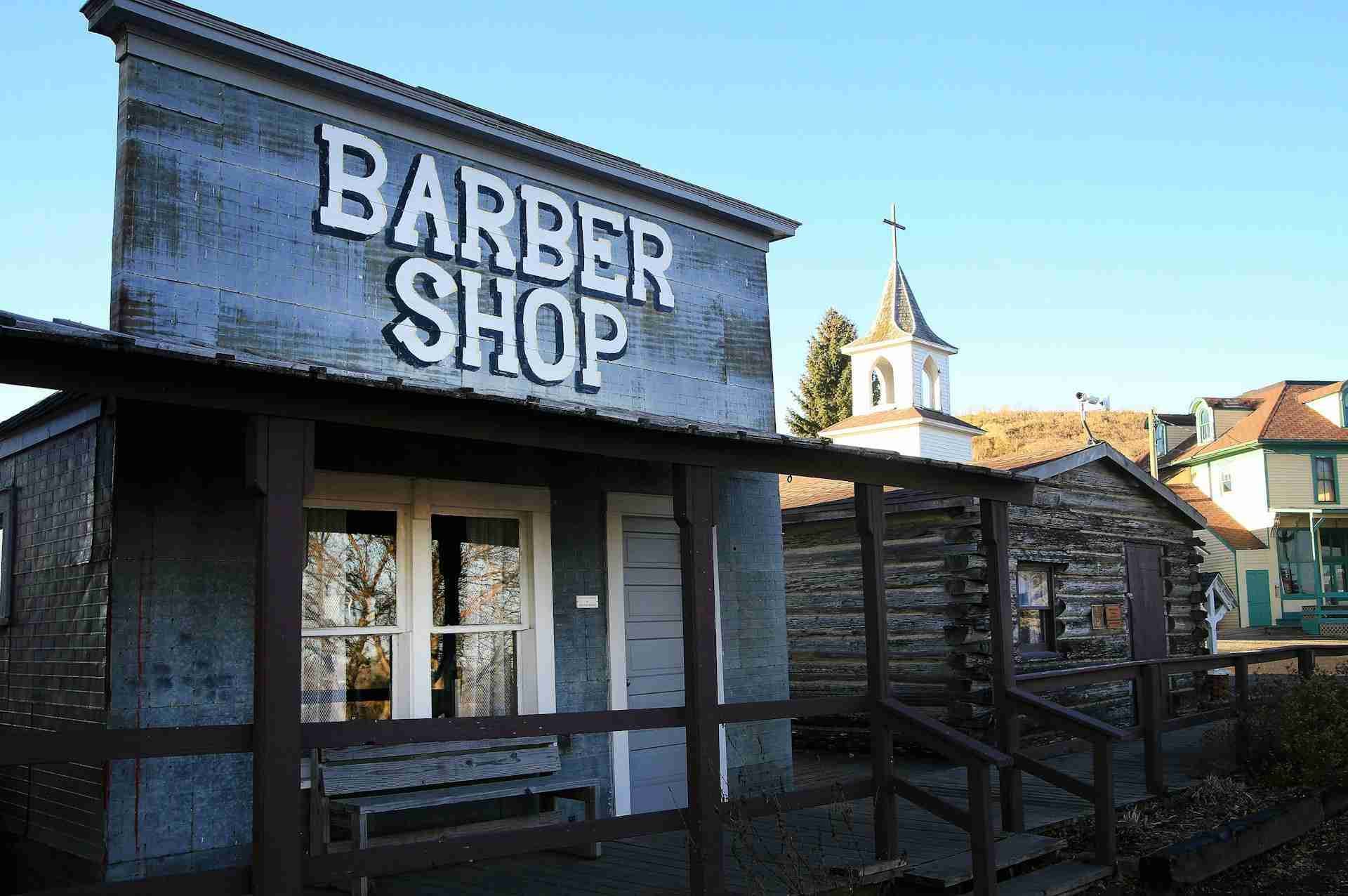
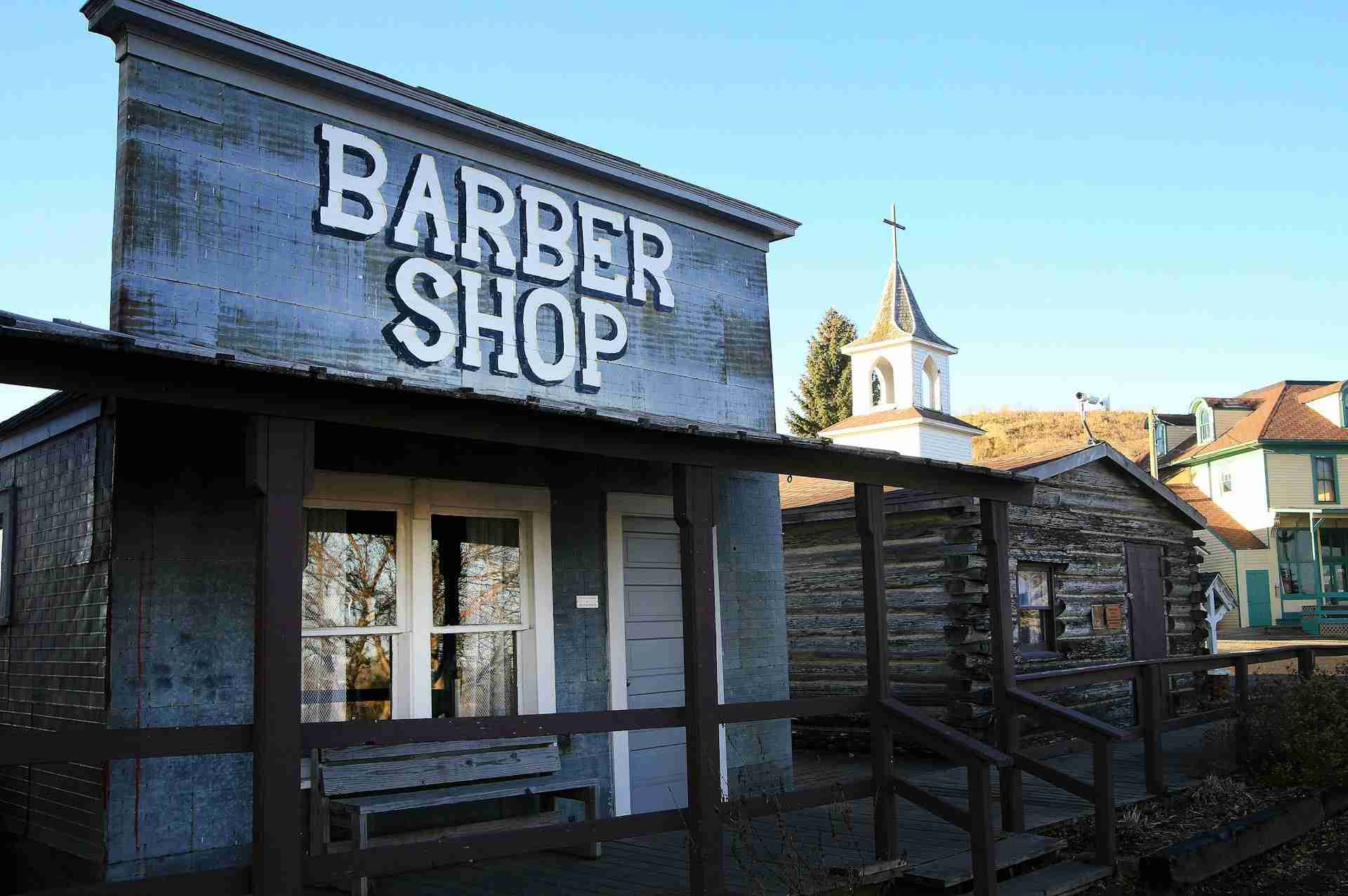
Set along the rolling plains just off Interstate 94 in Jamestown, North Dakota, Frontier Village is a curated window into 19th-century pioneer life, complete with reconstructed historic buildings, boardwalks, and prairie charm. More than a tourist attraction, this village of vintage storefronts, log cabins, and a one-room schoolhouse evokes the spirit of the American West—and for photographers, it presents an engaging blend of historical texture, open-sky drama, and nostalgic Americana. With wide-angle-friendly vistas, weather-worn wood grain, and timeless subject matter framed against the expansive Dakota sky, Frontier Village is a rewarding stop for anyone looking to capture the rustic narrative of the Great Plains.
Best Photography Opportunities
• Boardwalk and Western Storefronts
: The wooden boardwalk that runs through Frontier Village is lined with old-timey shops, including a barber, general store, and jailhouse. Each facade has unique patina and period-specific signage, offering strong foreground elements and symmetrical compositions. A wide-angle lens (16–35mm) allows you to exaggerate the lines of the boardwalk and draw the viewer's eye into the scene. Early morning and late afternoon provide soft, directional light that enhances textures in the aged siding and signage while casting dramatic shadows. Shooting straight-on offers clean, nostalgic postcard-like images, while diagonal compositions emphasize depth and rhythm in the repeating architectural elements.
• Rustic Cabins and Architectural Texture
: Scattered throughout the village are log cabins relocated from regional homesteads, complete with original chinking, handmade doors, and vintage farm tools. These buildings are ideal subjects for texture-focused photography. Use a mid-range zoom or prime lens (35–85mm) to hone in on weathered wood grain, iron hinges, or cracked glass windows reflecting the prairie sky. During overcast days, the even light softens contrast and allows the natural colors of the wood and rusted metal to emerge in full detail. On sunny days, use sidelight to create dimensional contrast between logs and mortar, emphasizing the rugged geometry of the structures.
• Prairie Landscape Backdrops
: One of the defining visual features of Frontier Village is its placement amid open grassland. Wide shots that include both structures and sky highlight the contrast between human settlement and the vast surrounding environment. This juxtaposition is particularly effective at sunrise or sunset, when the sky fills with warm hues that complement the earth tones of the buildings. Consider stepping slightly outside the village periphery to frame cabins against the open plains, capturing the isolation and resilience of early frontier life. Use a small aperture (f/11–f/16) to maximize depth of field and keep both foreground and sky sharp in the frame.
• The World's Largest Buffalo and Surrounding Trail
: Adjacent to Frontier Village stands an enormous concrete sculpture—the World's Largest Buffalo—set on a hill overlooking the town and surrounding prairie. While kitschy in subject, the sculpture is visually striking and can be photographed as a surreal contrast to the authentic village structures below. Frame it from a low angle with wild prairie grass in the foreground to create a layered and humorous juxtaposition, or use a telephoto lens to isolate it against the horizon or dramatic sky. The trail leading up to the statue also offers landscape compositions with subtle elevation changes, making it ideal for leading lines and late-day silhouette work.
• Interior Displays and Period Artifacts
: Many of the buildings are open to visitors and contain carefully curated interiors, including antique furniture, tools, clothing, and documents. The interiors provide an excellent opportunity for ambient light photography, often through single-pane windows or open doors. Use a fast lens (f/1.8–f/2.8) to shoot handheld in low light while preserving a natural look. Capture detail shots of sewing machines, ledger books, or cast-iron stoves to build a photo essay or documentary series. Respect signage and any physical barriers; not all buildings are accessible inside, but those that are offer rich visual storytelling in confined, atmospheric spaces.
Best Time to Visit
Frontier Village is most visually compelling in the late spring through early autumn, when the prairie grass is green, the skies are dramatic, and the site is fully operational. Late May through September brings open building access, interpretive displays, and fewer weather-related closures. Morning and late afternoon provide the best light for exterior architectural photography, casting long shadows and illuminating textures in the buildings' siding and signage. Sunrise offers calm conditions and the potential for fog lifting off the surrounding landscape, adding mood and layering to your compositions.
Summer afternoons can produce vivid, cloud-filled skies perfect for wide-angle shots of the boardwalk or cabins framed against thunderheads or passing fronts. Sunset, particularly from the hill near the buffalo sculpture, provides excellent western views that stretch across the prairie, ideal for silhouettes and golden light grazing the roofs of the cabins.
Autumn visits yield softer light and golden grass, though by late October, many buildings are closed. Winter photography can offer unique imagery—especially of the village under snow—but limited access and harsh winds make it more suited to experienced outdoor photographers prepared for cold-weather shooting.
How to Get There
Frontier Village is located on the southern edge of Jamestown, North Dakota, just off Exit 258 on Interstate 94. Signage along the highway and within Jamestown clearly marks the turnoff. Parking is free and plentiful at the site's entrance, with room for both passenger vehicles and RVs. The village is pedestrian-only once inside, with boardwalks and dirt paths connecting each building.
Access to the village is free, though donations are encouraged. Some buildings may have limited access depending on the season or event schedule. The World's Largest Buffalo monument is within walking distance from the village and reached via a short paved trail. Restrooms and a small visitor center are located at the entrance, and staff are usually on hand during open months to provide historical context or directions.
No photography permit is required for casual or non-commercial photography. However, for professional or commercial shoots, it's recommended to contact the Jamestown Tourism Office in advance for guidelines or approval, especially if planning to shoot with tripods or additional lighting equipment during closed hours.
Recommended Photography Gear
To take full advantage of the range of subjects at Frontier Village, a flexible and weather-ready kit is best. A full-frame or APS-C camera with strong dynamic range and good low-light performance will help capture the contrast between bright prairie skies and shaded interiors. A wide-angle zoom (16–35mm) is essential for photographing the boardwalks, building exteriors, and the village layout. Pair it with a standard zoom (24–70mm) for portraits, signage, and interior compositions, and a telephoto lens (70–200mm) for isolating structures or compressing perspective against the sky.
A fast prime lens (35mm or 50mm at f/1.4–f/1.8) is highly effective for interior details and shooting handheld in low-light environments. A tripod is useful for early morning and blue hour photography, as well as for HDR bracketed exposures of dimly lit interiors. A polarizing filter helps deepen skies and control reflections on glass display cases or windows, while ND filters can be useful for softening moving clouds or capturing longer exposures in bright sunlight.
A lens cloth and blower are necessary for cleaning gear after dusty walks between cabins or trail hikes near the buffalo sculpture. A backpack with weather resistance is useful, as the weather can shift quickly and there's limited shelter on-site. Water, sunscreen, and good walking shoes are recommended, particularly in summer months when temperatures can rise quickly and the sun is intense.
Nearby Photography Locations
: Located next to Frontier Village, this museum offers wildlife photography opportunities with a live bison herd that often grazes near the visitor center. Long lenses are best for photographing the animals safely and with minimal disturbance.
: Just north of town, these water bodies offer peaceful sunrise scenes, reflections, and wildlife such as ducks, herons, and deer. Fog often lingers in the morning, adding an ethereal layer to wide landscape shots.
: In downtown Jamestown, this preserved 1880s courthouse offers Victorian-era architecture, arched interiors, and classic courtroom compositions. A great location for moody, historically themed interior work.
• Klaus Park and Island
: A small, scenic park along the James River, ideal for capturing riverbank reflections, cottonwood trees, and seasonal color changes. Bridges and footpaths provide useful leading lines and quiet framing options.
• Downtown Jamestown
: For those interested in Americana or small-town street photography, downtown Jamestown features historic signage, early 20th-century facades, and a handful of vintage storefronts that contrast nicely with the prairie surroundings.
Frontier Village in Jamestown is more than a roadside curiosity—it's a stage set in time, full of texture, charm, and visual storytelling potential. For photographers who appreciate the contrast between historical atmosphere and the openness of the prairie, it offers a chance to step into another era, camera in hand, with the sky as your backdrop and the past alive in every weathered beam.
Comments
Loading comments…