
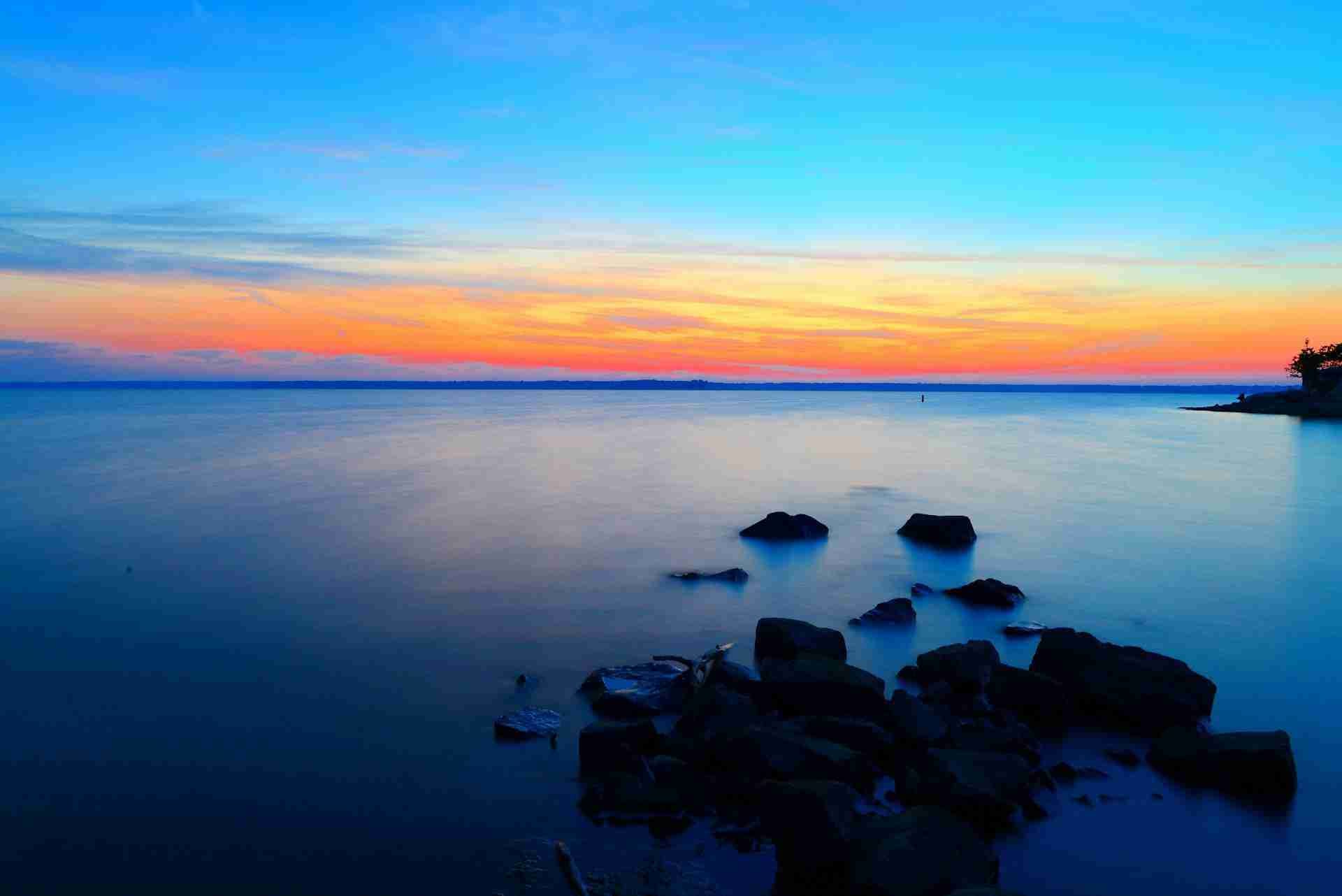
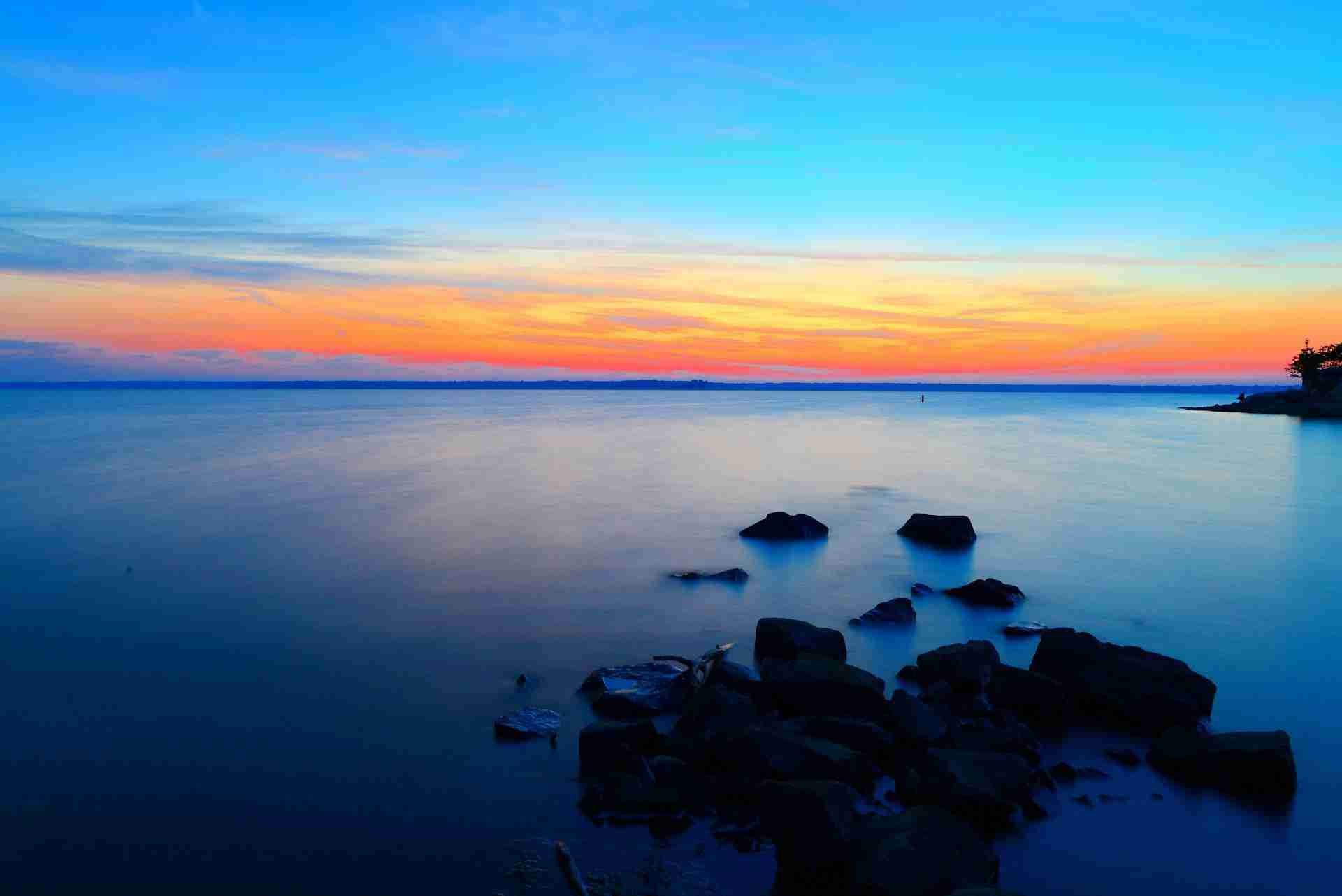
Hugo Lake, located in southeastern Oklahoma near the city of Hugo, is a reservoir that blends open water vistas with wooded shorelines, sandy beaches, and wide skies that change dramatically with the season. Formed by the Kiamichi River, the lake is surrounded by gentle hills, scattered trees, and a network of coves and inlets that offer quiet, secluded viewpoints. For photographers, Hugo Lake is a versatile subject, capable of supporting everything from wide landscape compositions to intimate wildlife studies. Its relatively undeveloped stretches make it possible to capture scenes that feel remote, while its accessible recreational areas offer plenty of safe, easy-to-reach vantage points. On still mornings, the water can become a mirror for the sky, and in stormier conditions, the lake's open expanse produces bold, textured surface patterns that add energy to a frame.
Best Photography Opportunities
• Sunrise Over the Main Lake
: The eastern shoreline provides some of the best vantage points for photographing sunrise across the open water. Arriving before first light allows you to set up and capture the changing colors from soft pre-dawn blues to the warm golds and oranges as the sun clears the horizon. A wide-angle lens is effective here for including both the water and the expansive sky, while a graduated neutral density filter helps balance the exposure between the brightening sky and darker foreground. Calm mornings in late summer and early autumn are often the clearest, giving you a perfect glassy surface for symmetrical compositions. Including a piece of shoreline, such as a weathered log or cluster of reeds, can anchor the image and provide depth.
• Reflections in the Coves
: Hugo Lake's many coves and inlets offer sheltered water that is often still enough to create near-perfect reflections. These areas are especially photogenic in autumn, when surrounding trees display warm colors that double in the water. A mid-range zoom lens gives you flexibility to adjust framing and balance between the mirrored scene and its real counterpart. Overcast conditions work well here, as the even lighting enhances detail and color saturation without strong shadows. Morning visits are generally quiet, with fewer boats to disturb the surface, making them ideal for capturing clean, undisturbed reflections.
• Wildlife from Shore and Boat
: The lake's varied habitats support an array of birdlife, including herons, egrets, ospreys, and seasonal flocks of ducks and geese. Early mornings and late afternoons are the best times for bird photography, with softer light and more activity along the shoreline. A telephoto lens in the 300 to 600 millimeter range is useful for reaching distant subjects, especially if you are working from shore. Photographing from a kayak or small boat allows you to get closer without disturbing the wildlife, and the low angle from the water can make for striking compositions. Patience pays off here, as many birds return to the same perches or feeding areas regularly.
• Stormy Skies and Changing Light
: Hugo Lake's wide, open setting means you have unobstructed views of approaching weather. This makes it an excellent location for capturing dramatic skies, shifting light patterns, and the interplay between sunlit areas and shadowed water. Summer thunderstorms often build in the afternoon, bringing towering cloud formations and occasional rainbow conditions after rain passes. A polarizing filter enhances contrast in the clouds and deepens the color of the water. Including elements such as docks, boats, or a lone tree in the frame can give scale and a sense of place to weather-driven compositions.
• Night Photography Along the Shoreline
: With relatively low levels of light pollution compared to urban areas, Hugo Lake offers good conditions for photographing the night sky. On clear, moonless nights, the Milky Way can be visible, especially in summer. A wide, fast lens combined with a sturdy tripod allows you to capture star fields and their reflections in the water. In cooler months, when humidity is lower, the air can be exceptionally clear, making for sharper night images. Choosing a location with interesting foreground features, such as a rocky point or cluster of driftwood, will help create depth in your night compositions.
Best Time to Visit
Hugo Lake can be photographed year-round, but each season brings different qualities to the light, colors, and conditions. Spring is vibrant, with fresh greens in the surrounding trees and frequent dramatic skies as passing storms interact with bright sunlight. Summer offers long golden hours in the morning and evening, and although midday light can be harsh, the season's calm mornings often produce the best reflection conditions. Afternoon thunderstorms in summer also provide opportunities for capturing dramatic weather.
Autumn is a standout season for color, with trees around the lake shifting to yellows, oranges, and reds that reflect beautifully in the water. Cooler temperatures make for clearer skies and less atmospheric haze, which benefits both wide landscape shots and telephoto detail work. Winter brings a quieter atmosphere, with bare trees, more subdued color palettes, and crisp air that enhances distant detail. Frosty mornings can add texture along the shoreline, and the low sun angles in winter produce longer, softer shadows throughout the day.
For consistently good light, early mornings and late afternoons are best. Morning often brings calmer water for reflections, while afternoons provide warm, directional light that enhances textures in both the landscape and the water surface. Blue hour is particularly rewarding when photographing from the shoreline, as the balance between the cool tones of the sky and any warm artificial lighting from docks or boats creates pleasing contrast.
How to Get There
Hugo Lake is located in Choctaw County, Oklahoma, just a short drive north of the city of Hugo. From Hugo, take US-271 north, then turn east onto State Highway 93, which leads directly to the lake's recreational areas and the Hugo Lake State Park. Multiple access points offer parking and maintained paths to the shoreline, and many areas are easily accessible for carrying photography gear.
The lake has both developed and undeveloped sections. Developed areas, such as those within the state park, offer easy walking paths, docks, and open viewpoints. More secluded coves and points can be reached via gravel roads or by boat. There is no fee to photograph from public areas, though certain facilities may have entry or parking charges. The terrain is generally gentle, but sturdy shoes are helpful if you plan to explore less maintained areas along the shoreline.
Recommended Photography Gear
A versatile kit will serve you well at Hugo Lake. A wide-angle lens in the 16 to 35 millimeter range is essential for capturing expansive skies and shoreline-to-horizon scenes. A 24 to 70 millimeter lens works well for general-purpose compositions, while a telephoto lens of 70 to 200 millimeters or longer allows you to isolate details or capture distant wildlife. For bird photography, a lens of at least 300 millimeters is ideal.
A tripod is important for low-light shooting at sunrise, sunset, and night, as well as for long exposures to smooth water or clouds. A polarizing filter helps deepen the sky, control reflections, and bring out color in foliage, while a graduated neutral density filter can balance exposure when shooting directly into bright skies. In summer, a lightweight rain cover is useful for protecting gear from sudden showers, and in cooler months, gloves that allow for camera control will keep you comfortable during early morning shoots. If photographing from a boat, a dry bag for your gear adds an extra layer of protection.
Because the lake's photo opportunities are spread over a wide area, a comfortable camera backpack makes moving between locations easier. For wildlife, consider a monopod or a lightweight tripod with a gimbal head to manage the weight of longer lenses. Extra batteries and memory cards are essential if you plan to photograph from sunrise through nightfall, as the variety of conditions often inspires longer sessions than planned.
Nearby Photography Locations
• Kiamichi River
: Flowing into Hugo Lake, the river offers quiet stretches with overhanging trees, sandbars, and seasonal wildlife activity. Early morning light along the riverbanks can be soft and misty, making for peaceful compositions.
: The park's walking trails provide varied perspectives of the lake, from wooded paths to open points overlooking the water. They are excellent for capturing seasonal changes in vegetation.
• Soper Lake
: Located northwest of Hugo Lake, this smaller body of water offers calm, sheltered conditions and is a good spot for photographing waterfowl in a quieter setting.
• City of Hugo
: The nearby town has historic buildings, murals, and a small-town main street atmosphere that contrasts well with the open landscapes of the lake.
• Choctaw County Countryside
: The surrounding rural roads wind through open fields, farmsteads, and clusters of woodland, offering additional landscape opportunities, especially in autumn and spring.
Hugo Lake rewards a patient, exploratory approach. By moving between open water viewpoints, sheltered coves, and wooded shorelines, you can capture a wide variety of scenes in a single visit. The combination of expansive skies, reflective water, and seasonal changes ensures that no two sessions will ever be quite the same.
Comments
Loading comments…