
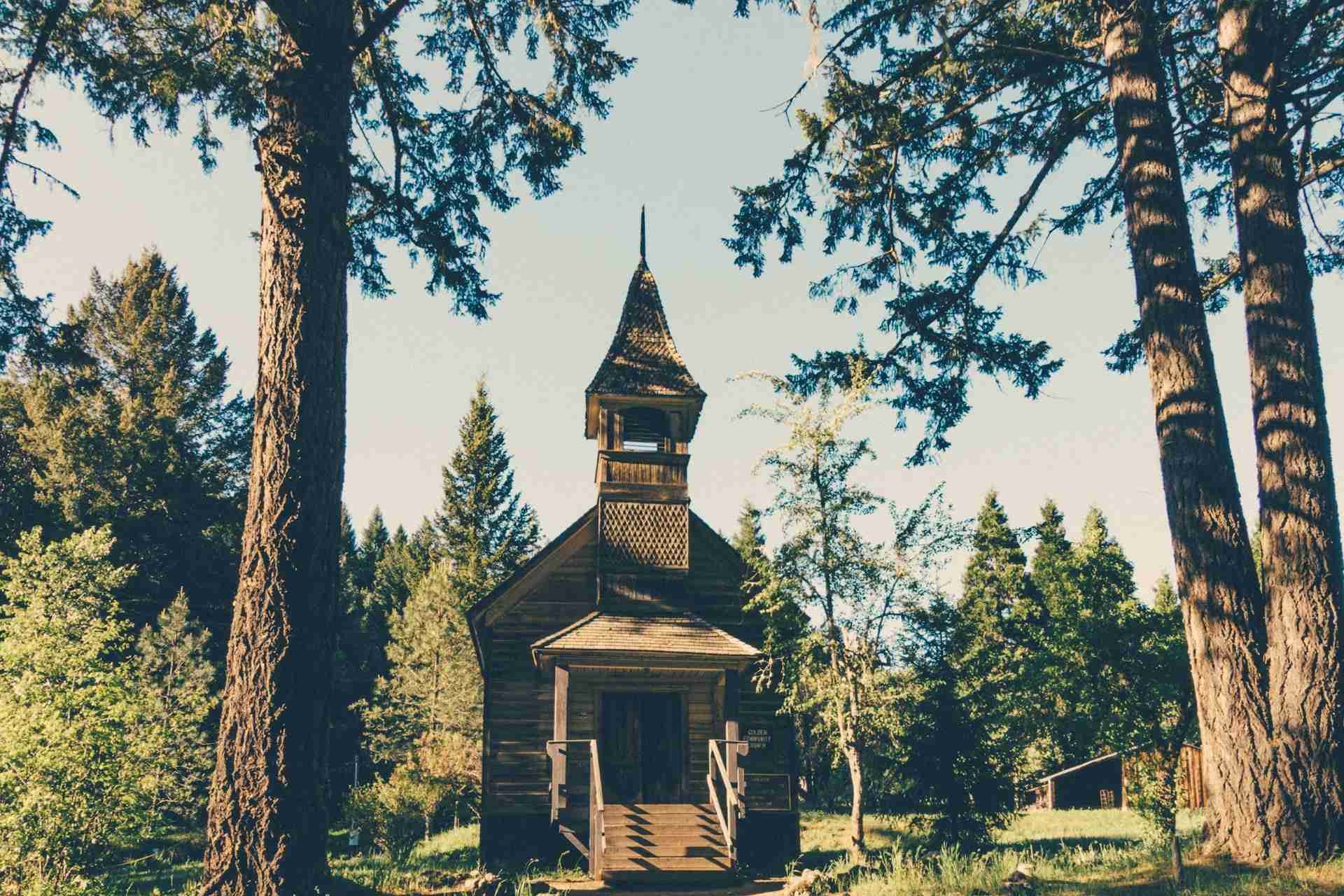
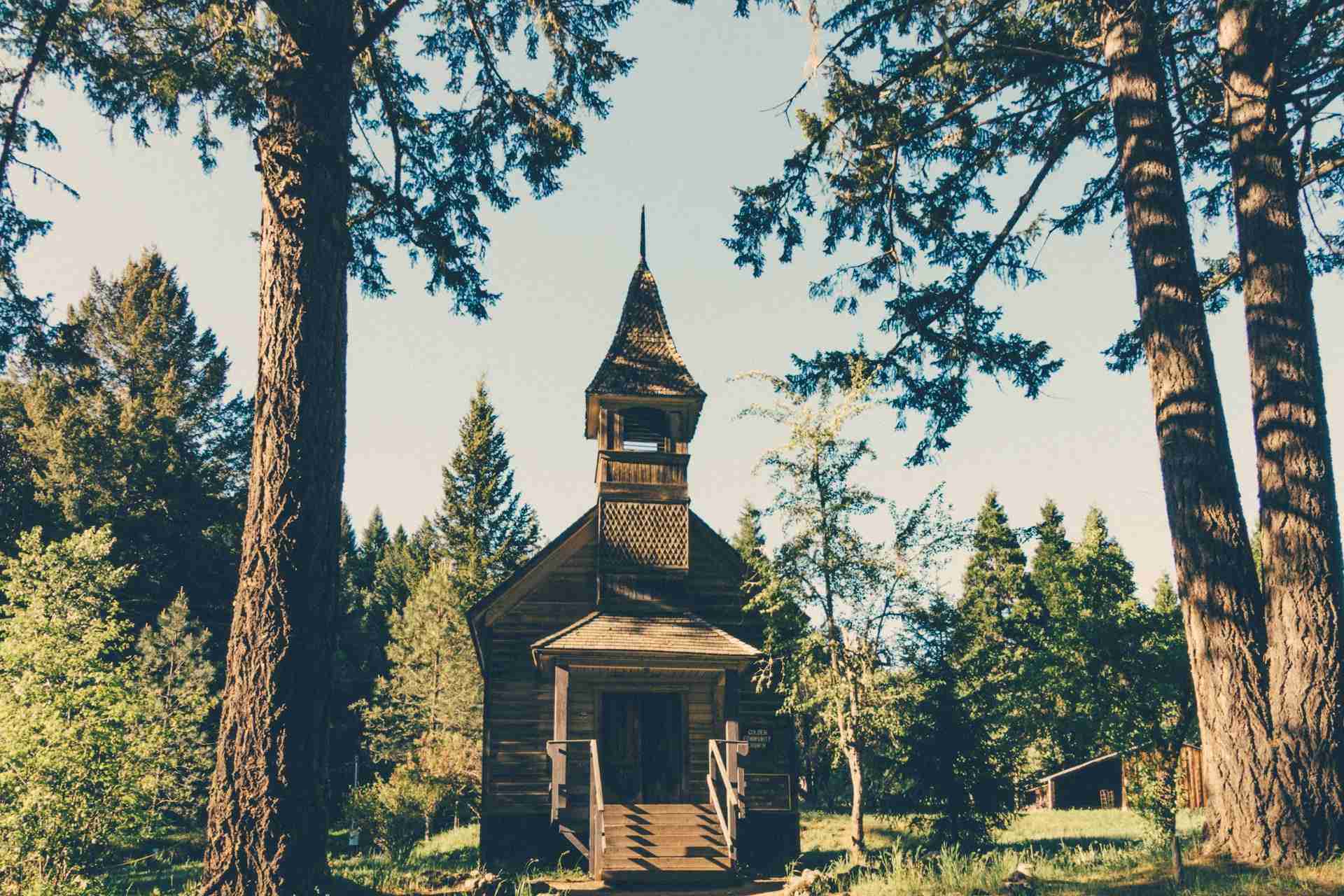
Golden State Heritage Site is one of Oregon's most overlooked ghost towns, quietly tucked among pine and oak foothills just off Coyote Creek Road near the rural community of Wolf Creek. Once a short-lived mining settlement in the late 1800s, the town of Golden faded quickly but left behind a set of photogenic wooden structures that still stand in remarkable condition. Today, the site is preserved as a state heritage area and open for quiet exploration. With its clapboard church, weathered homes, and faded storehouses set against a dry, gently rolling landscape, Golden is a rewarding stop for photographers looking to work with rustic architecture, subtle textures, and the feeling of a forgotten place waiting patiently in the sun.
Best Photography Opportunities
• The Old Church in Morning Light
The simple one-room church is the site's most recognizable structure and makes a clean, strong subject for wide shots or close studies. Its whitewashed exterior and sharply pitched roof stand out against the surrounding dry grass and forest edge. Photograph it early in the day when the eastern light sweeps across the façade, bringing out texture in the wood siding and creating long shadows that frame the steps and entry. A 24 to 70mm lens allows for flexibility between tight framing on details and full elevation shots. Consider including nearby vegetation or a segment of dirt path in the foreground for scale.
• Close-Up Textures of Abandoned Wood and Iron
Golden's remaining structures feature a mix of split timber, rusted nails, hand-cut stone, and iron hardware. These details hold well in low-angle or overcast light, and work beautifully for photographers who enjoy macro or shallow depth-of-field studies. Focus on hingework, split rails, carved initials, or the way certain boards have warped over time. A 100mm macro or a fast 85mm lens is useful here. Black-and-white conversions work well to emphasize grain, age, and structure without distraction from color.
• Environmental Portraits of the Ghost Town
The buildings in Golden are arranged in a loose cluster surrounded by meadows and trees, making it easy to compose layered shots that capture the setting's quiet emptiness. Use a wide lens to include multiple structures or shoot from just outside the site's edge to frame buildings under sky and treeline. Afternoon light can be effective here as it lights up the backdrop and allows the buildings to fall into soft shadow. Golden hour adds glow to the dry grass, and backlit shots with lens flare can add atmosphere if handled carefully.
• Interior Views Through Windows and Doors
While most of the structures are closed to protect their integrity, several offer broken or open windows that allow for interior framing without entering. Look for slats of light falling through gaps in roof boards or beams crossing a dusty floor. Use a longer lens to compress interior elements or shoot wide and adjust exposure for both highlights and shadow detail. A fast aperture and steady hand help in low light. If possible, shoot with your lens close to the glass to minimize reflections.
• Storm Light and Dramatic Skies
Golden sits in a shallow valley where weather can change quickly, especially in spring and fall. Cloud build-up over the ridges creates strong contrast behind the buildings and adds mood to wide frames. This is an ideal time to work with neutral color palettes or monochrome. Consider using a polarizer to control sky brightness and deepen contrast. A longer lens can help isolate the structures against active skies, particularly when clouds begin to break and slant light catches one or two walls at a time.
Best Time to Visit
Late spring through mid-autumn offers the most consistent access and best conditions for photography. From May to early July, the surrounding meadows are green, and wildflowers can appear in the lower areas near the creek. These months also bring moderate temperatures and clear skies, ideal for working in morning and evening light.
August through October shifts the palette toward warmer tones. Dry grasses take on golden hues that complement the aged wood, and sunrise and sunset light becomes more directional. This is a great time for capturing texture and strong side lighting, especially in the late afternoon. Early fall also brings more dynamic skies and cloud movement, particularly after storm systems pass through the region.
Winter access is possible, though snow and ice may make the site harder to reach or limit mobility. If conditions allow, frost-covered grass and soft fog in the valley can transform the site completely. Just be cautious of slippery ground and reduced visibility. Early morning remains the best time of day year-round, both for light and for avoiding any visitors or tour groups.
How to Get There
Golden is located in Josephine County, Oregon, just off Interstate 5. From Grants Pass, take I-5 north for approximately 25 miles and exit at Wolf Creek. Follow Coyote Creek Road west for about four miles. The heritage site is clearly marked with a state sign and features a small gravel parking area near the entrance.
Access is free and open to the public during daylight hours. There are no entry fees or permits required for photography. The site includes a walking loop that connects the remaining structures, with interpretive signs providing historical background. Paths are flat and easy to navigate, though grassy areas may be uneven. Tripods are allowed and can be used freely, as long as they do not block the walking paths or interfere with maintenance.
There are no restroom facilities or services at the site. Cell service is limited in the valley, so be sure to load maps or directions in advance. The nearest services, including food and fuel, are located in Wolf Creek. If planning to shoot at sunrise or sunset, allow extra time for the drive and bring what you need to work independently.
Recommended Photography Gear
A versatile, lightweight kit will cover the needs of both broad compositions and intimate detail work at Golden. A full-frame or APS-C camera with solid dynamic range and low-light performance will be ideal. Start with a 24 to 70mm lens to handle most wide and mid-range subjects, from full-building shots to interior glimpses through windows.
For textures and compression, bring a 70 to 200mm telephoto or an 85mm prime. These are excellent for isolating features such as sagging rooflines, rusted signage, or tool remnants inside the structures. A macro lens or extension tubes are helpful for photographing weathered surfaces, nail patterns, or carved initials in wood.
A tripod is useful for golden hour light, low-light detail shots, or bracketing exposures for HDR if you're working in strong contrast. Use a circular polarizer to reduce glare on glass and bring out sky contrast during the day. A 3- or 6-stop ND filter can help slow down cloud movement or manage highlights during full sun. Lens cloths, a blower, and protective covers are smart additions, especially during dusty summer conditions.
Wear closed shoes or boots, as the area around the buildings is uneven and covered in dry grass and debris. Bring water, snacks, and extra batteries, particularly if staying into the evening.
Nearby Photography Locations
Just a short drive away, this preserved historic inn dates back to 1883 and offers classic western architecture with clean lines, porches, and vintage signage. Early morning or late afternoon light works best, and the interiors can sometimes be accessed for period-style photos if open.
Located near Sunny Valley, this charming white-covered bridge spans the Rogue River and is framed by forest and low hills. It is ideal for symmetrical compositions and works well in soft light or foggy conditions.
Just outside Grants Pass, this forested trail area features rolling hills, light-dappled oak groves, and winding paths. It is a good contrast to the dry, open character of Golden and works well for early morning backlit forest scenes.
South of Golden, several vineyards in the Applegate Valley offer scenic rows of vines, rustic barns, and mountain views. These are ideal for soft sunset light and can complement a rustic-themed photography itinerary.
• Sexton Summit Lookout Points
North along I-5, several turnouts offer high-elevation views of the surrounding mountains and valley floors. These locations are particularly rewarding during sunrise or when low fog fills the basins, providing strong layering opportunities for long lens work.
Golden State Heritage Site isn't polished or crowded, and that's its strength. It's a place where time feels stretched thin, and the buildings feel almost weightless in the dry light of southern Oregon. For photographers who thrive on quiet, weathered places and the patience to wait for the right moment, Golden offers a rare chance to step back and frame something that hasn't moved much in over a century.
Comments
Loading comments…