
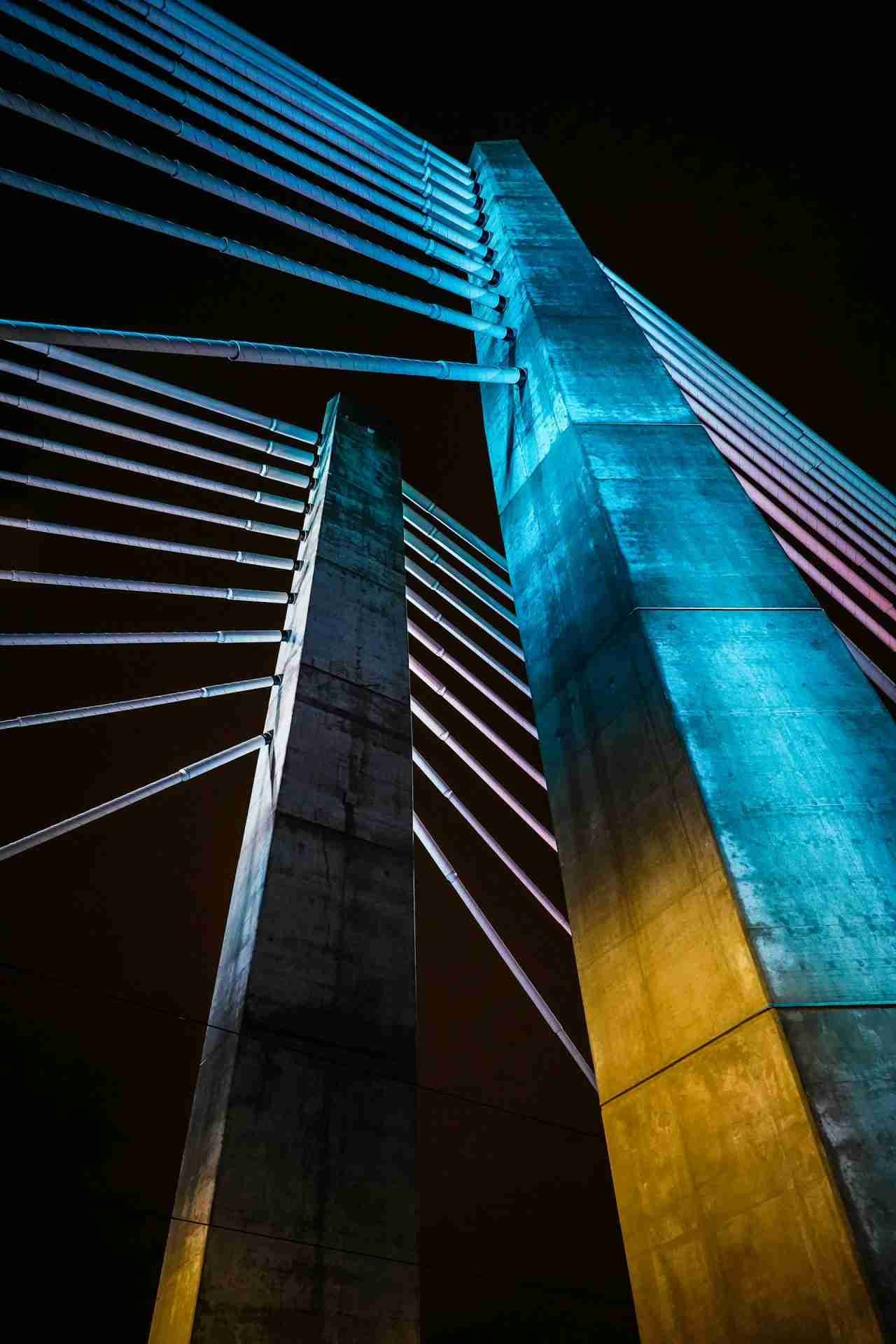
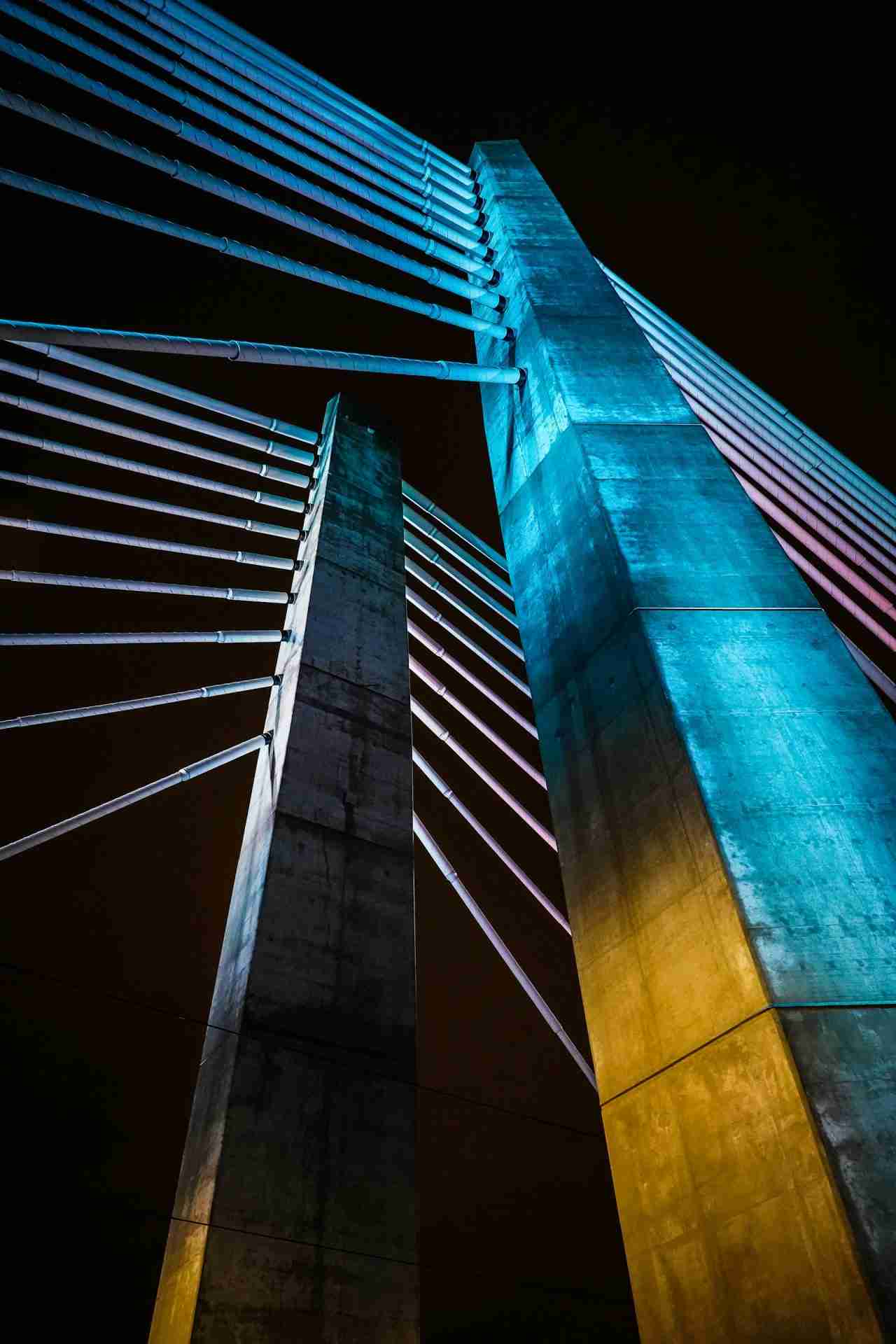
Tilikum Crossing spans the Willamette River in Portland, Oregon, connecting the South Waterfront with the Central Eastside. It is a cable stayed bridge designed for pedestrians, and mass transit. That alone changes the photography experience. You can move freely across the span without worrying about vehicles, which makes it one of the most accessible urban bridge locations in the city. The structure is defined by clean cables, strong vertical pylons, and open sight lines toward the downtown skyline and surrounding hills. Because it sits low over the water and aligns with multiple vantage points along the riverbanks, it offers layered compositions rather than a single obvious angle. For photographers, the strength of Tilikum Crossing is in its geometry and how it frames Portland's cityscape.
Best Photography Opportunities
• Symmetrical Cable Composition –
Standing along the pedestrian path, you can frame the cables as leading lines converging toward the central pylon. This creates strong symmetry and depth, especially if you position yourself directly along the centerline of the structure. A moderate wide lens works best here, but keep your camera level to maintain natural verticals. Early morning is ideal if you want fewer cyclists and pedestrians in the frame. The repeating cable pattern becomes more graphic when side lit, as shadows add contrast. Small shifts left or right change the rhythm of the lines, so take time to refine alignment before committing to the shot.
• Portland Skyline –
From the western half of the bridge, you can frame the downtown skyline rising beyond the river. A mid range zoom allows you to balance bridge elements in the foreground with the city beyond. Blue hour is particularly strong here, when building lights come on and reflect in the water. Keeping part of the bridge railing or cable system in the foreground adds structure and prevents the skyline from feeling disconnected. On calm evenings, reflections in the Willamette add another compositional layer. This perspective blends architectural detail with city context.
• Eastbank Esplanade –
Photographing the bridge from the Eastbank Esplanade gives you a clean side profile of the cable stayed design. From this angle, the pylon and cable fan become the dominant shapes. Sunset light can illuminate the structure while the city behind begins to cool in tone. A longer focal length helps compress the bridge against the skyline and isolate the most graphic portion of the design. Positioning yourself lower along the riverbank can introduce foreground rocks or railing for added depth. This angle is especially strong when clouds reflect subtle color across the river.
• Long Exposure at Blue Hour –
Tilikum Crossing becomes particularly strong once daylight fades. The bridge lighting system glows softly, and passing trains add streaks of motion across the deck. A tripod allows you to smooth river movement and capture light trails from transit vehicles. Exposures of several seconds help balance the brightness of the structure with the darker sky. This is one of the most consistent ways to create a polished urban image here. Calm water enhances reflections, but even slight ripples can add texture without distracting.
• Abstract Lines –
Beyond wide city views, the bridge offers strong abstract opportunities. The intersection of cables, railings, and deck lines creates repeating patterns that work well in tighter compositions. A longer focal length helps isolate these shapes and eliminate background clutter. Midday light can actually be useful for detail work, as strong shadows emphasize geometry. These graphic shots provide variety and can stand alone as minimalist architectural images.
Best Time to Visit
Early morning is excellent if you want clean compositions with minimal pedestrian traffic. The light is softer, and the bridge deck feels more open. Sunrise does not align directly with the river's axis here, but directional light can still enhance cable texture.
Late afternoon into blue hour is the most productive overall window. The city begins to glow, reflections strengthen, and the bridge lighting activates. Summer offers longer evenings and stable weather, but also more foot traffic. Autumn and winter can provide moody skies and dramatic cloud cover, which add depth to skyline compositions. Wind can affect long exposures, so stability is important in any season.
How to Get There
Tilikum Crossing connects the South Waterfront and Central Eastside neighborhoods in Portland, Oregon. It is accessible by foot, bicycle, and public transit, including streetcar and light rail. Parking is available in surrounding neighborhoods and garages, but many photographers prefer to approach on foot or bike for convenience.
The Eastbank Esplanade and South Waterfront paths provide easy access to river level viewpoints. There is no entrance fee to access the bridge. Because it is an active transit corridor, remain aware of passing trains and cyclists while setting up equipment.
Recommended Photography Gear
A wide lens is useful for emphasizing converging cable lines and full bridge compositions. A mid range zoom offers flexibility when balancing bridge structure with skyline views. A telephoto lens helps compress city elements and isolate graphic details in the cable system.
A sturdy tripod is highly recommended for blue hour and long exposure work. Neutral density filters can help extend shutter speeds during brighter conditions. A polarizer can reduce glare on the river surface, though rotating it carefully is important to maintain reflections. Because this is an active pedestrian and cycling bridge, keep your setup compact and avoid obstructing pathways.
Nearby Photography Locations
runs along the Willamette River and offers multiple angles of Portland's bridges. It provides clean river level perspectives and easy access to Tilikum Crossing side views. Blue hour reflections are especially strong from this stretch.
offers open views back toward downtown and the bridge. It is a good location for combining skyline and river compositions. Early morning light often feels calmer here.
provides a contrasting truss design. Shooting both bridges in one session gives architectural variety. The Hawthorne is especially strong when framed with downtown behind it.
ocated along the west side of the Willamette, this park offers open skyline views and tree lined river paths. It works well for sunset cityscape photography. From certain angles, multiple bridges align in a single frame.
provides sweeping perspectives over Portland. While it does not frame Tilikum Crossing closely, it gives context to the broader urban layout. Sunset and post sunset light are particularly effective from higher ground.
Comments
Loading comments…