
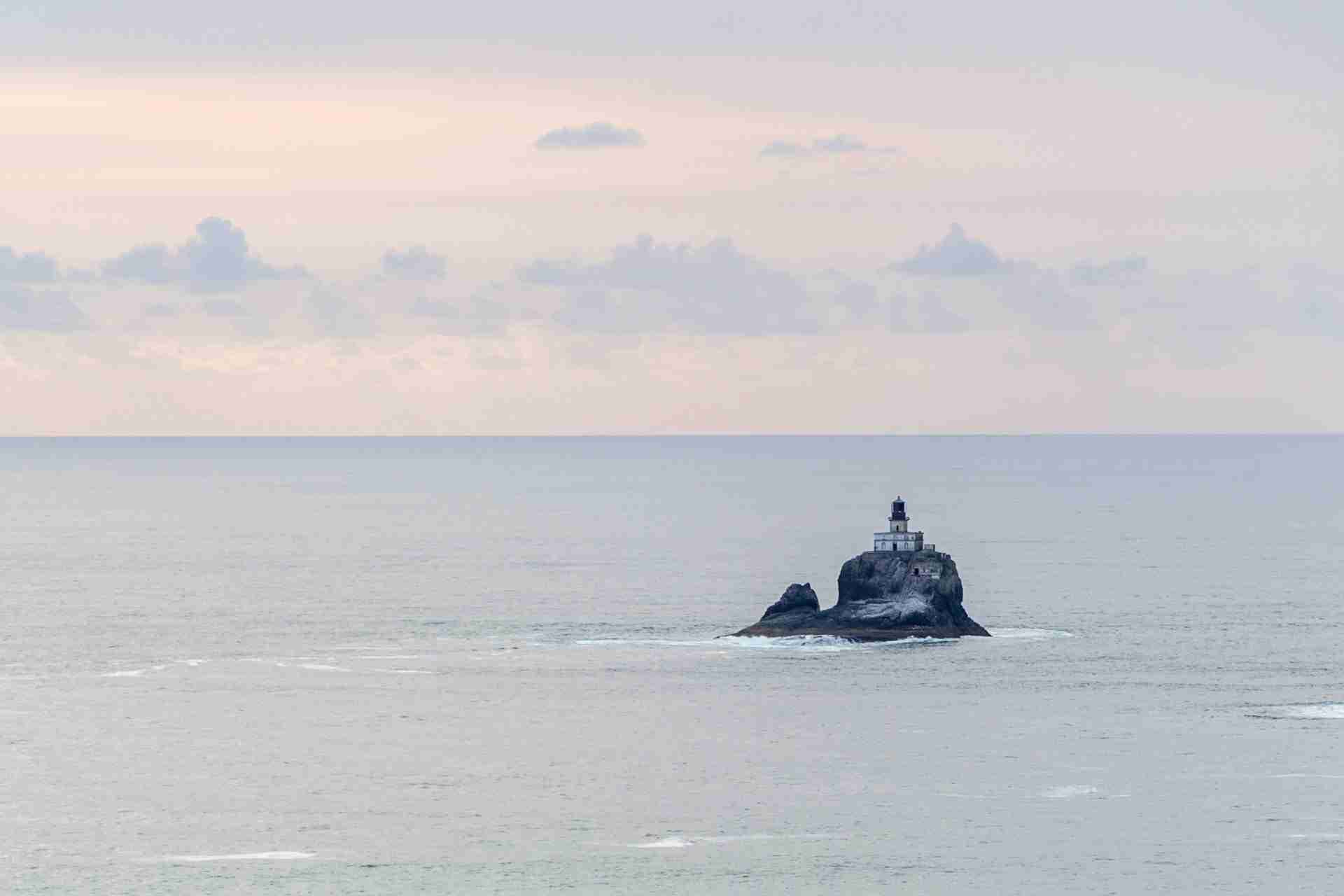
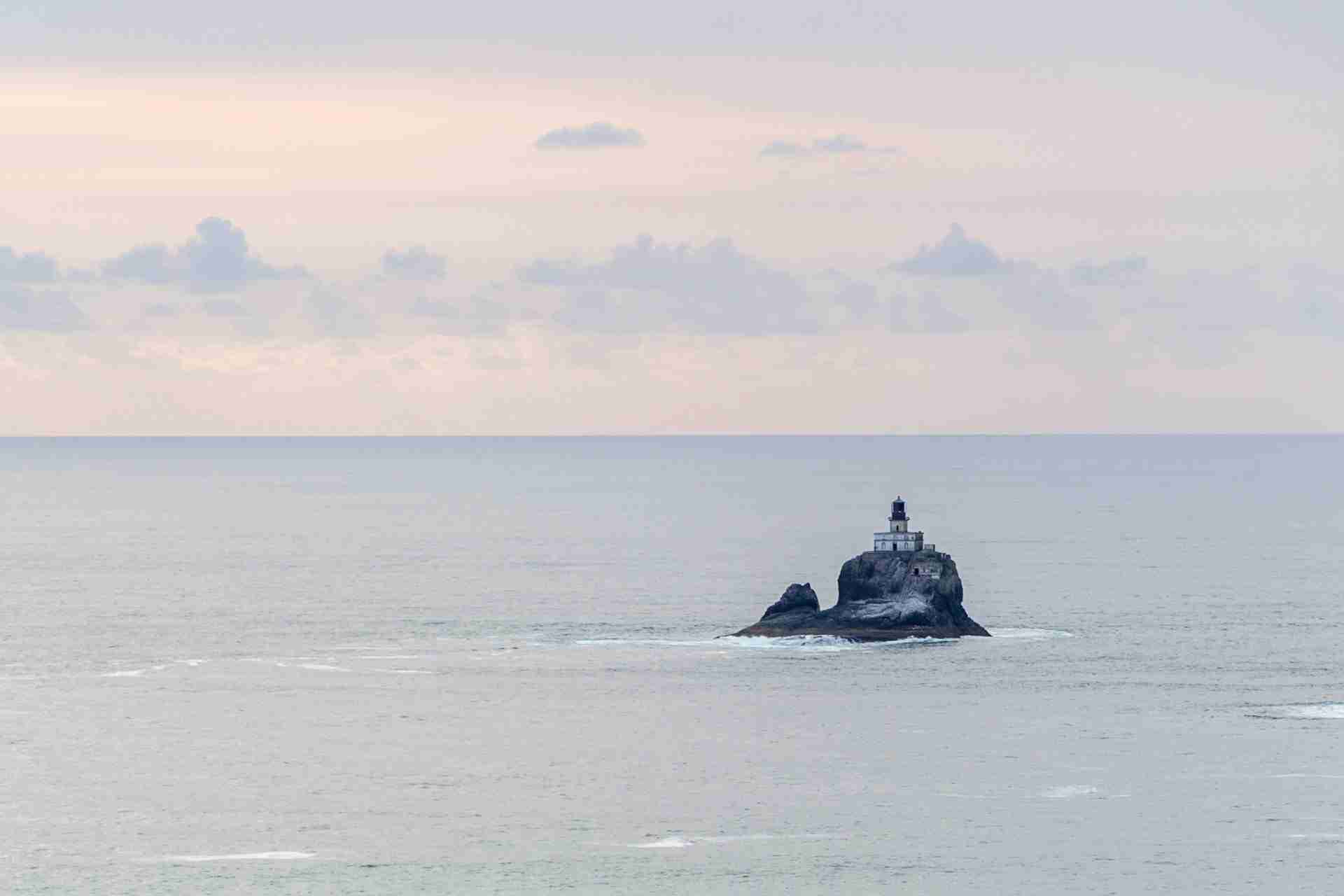
Perched on a rugged basalt sea stack in the Pacific Ocean, Tillamook Rock Lighthouse is one of the most dramatic and remote lighthouses in the United States. Nicknamed "Terrible Tilly" due to the relentless storms and treacherous waters that battered its foundation, the lighthouse has stood abandoned since 1957 but remains an iconic subject for coastal photographers. While the lighthouse itself is inaccessible to visitors, several viewpoints along the northern Oregon coast offer breathtaking perspectives of this historic maritime beacon against the backdrop of the wild Pacific.
Best Photography Opportunities
• Ecola State Park Viewpoints
– The best and most famous views of Tillamook Rock Lighthouse come from Ecola State Park, just north of Cannon Beach. The main viewpoint near the park entrance provides a classic composition of the lighthouse rising from the sea, framed by the rugged coastline and forested cliffs. Sunrise and sunset shots from this vantage point capture the lighthouse silhouetted against the golden hues of the horizon.
• Indian Beach Cliffs
– A short hike within Ecola State Park leads to Indian Beach, where dramatic rock formations and crashing waves add dynamic foreground elements to your lighthouse shots. Long-exposure photography works well here, softening the motion of the waves while keeping the lighthouse as a steady focal point.
• Chapman Point and Crescent Beach
– For a different angle, Chapman Point, located at the northern end of Cannon Beach, provides a closer but slightly off-center perspective of the lighthouse. The sweeping beach and sea stacks create a compelling composition, especially during low tide when tide pools and reflective sand enhance the scene.
• Storm Photography and Moody Atmospheres
– The lighthouse's history as a battered outpost makes it a fantastic subject for stormy weather photography. Overcast skies, fog rolling in from the ocean, and crashing waves all contribute to the dramatic and almost ghostly feel of the lighthouse. Shooting in black and white can enhance the eerie, isolated mood of the scene.
• Wildlife and Seabird Photography
– The rock around the lighthouse serves as a protected nesting site for seabirds such as cormorants, murres, and puffins. With a telephoto lens, you can capture the birds circling the lighthouse or perching on the rugged outcrop, adding an extra storytelling element to your images.
• Astrophotography with the Lighthouse
– On clear nights, the remote location of Tillamook Rock allows for stunning astrophotography opportunities. Shooting from Ecola State Park, you can capture the Milky Way above the lighthouse, creating a surreal blend of maritime history and celestial beauty.
Best Time to Visit
The best time to photograph Tillamook Rock Lighthouse depends on the type of atmosphere you want to capture. For golden-hour compositions, late spring through early autumn offers clearer skies and colorful sunsets that beautifully illuminate the lighthouse and surrounding cliffs. Winter, on the other hand, is ideal for storm photography, as the crashing waves and heavy mist create an intense, moody backdrop.
Fog is common along the Oregon coast, especially in the mornings, adding a mystical quality to the lighthouse views. The best chance for clear skies is during the summer months, while fall and winter bring more frequent cloud cover and dramatic lighting conditions. Sunset is particularly stunning, as the lighthouse becomes a dark silhouette against the pastel tones of the sky and sea.
How to Get There
The most accessible and scenic viewpoint of Tillamook Rock Lighthouse is from Ecola State Park, located just north of Cannon Beach. To reach the park, take U.S. Highway 101 to Cannon Beach, then follow Ecola State Park Road for about two miles to the main parking area. From here, a short walk leads to an overlook with a panoramic view of the lighthouse.
For those looking for different perspectives, Indian Beach within the park provides a rugged coastal setting, while Chapman Point, accessible from the northern end of Cannon Beach, offers a closer but slightly angled view. Crescent Beach, reached by a moderate hike from Ecola State Park, also provides a unique composition with dramatic coastal elements in the foreground.
Exploring Tillamook Rock Lighthouse Viewpoint and the Surrounding Area
Ecola State Park is a photographer's paradise, offering breathtaking coastal scenery, rugged cliffs, and lush temperate rainforest. The park's winding trails lead to stunning viewpoints where the Pacific Ocean crashes against rocky outcrops, and dense Sitka spruce trees frame sweeping panoramas. In addition to the iconic view of Tillamook Rock Lighthouse, the park boasts an array of photographic opportunities, from misty forest compositions to dramatic seascapes.
Indian Beach, located within the park, is a favorite among landscape photographers for its jagged rock formations, driftwood-strewn shore, and powerful waves. During low tide, intricate tide pools reveal vibrant marine life, creating compelling foreground elements. The park's network of trails, including the scenic Clatsop Loop Trail, winds through towering trees and open meadows, offering a mix of forest and ocean vistas. Whether capturing the golden light of sunset over the cliffs or the moody mist rolling in from the sea, Ecola State Park provides endless inspiration for photographers seeking to document Oregon's wild and rugged coastline.
Nearby Photography Locations
• Haystack Rock, Cannon Beach
– One of Oregon's most photographed coastal landmarks, Haystack Rock is an iconic sea stack that provides stunning sunset and long-exposure photography opportunities. The tide pools at its base offer intricate marine life details, adding an extra layer of interest to your compositions.
– Located just south of Cannon Beach, Hug Point features a stunning waterfall cascading onto the beach, sea caves, and unique rock formations. The mix of coastal textures and reflections in the wet sand make for compelling compositions.
– A little farther south, Oswald West State Park features dense coastal forests and hidden beaches. Short Sands Beach, popular with surfers, offers a fantastic opportunity to capture the interplay of waves and rugged headlands.
– For an elevated perspective, Neahkahnie Mountain provides sweeping coastal views, with dramatic cliffs dropping into the Pacific. Sunset shots from this vantage point capture the endless ocean stretching beyond the horizon, often with mist rolling in over the coastline.
• Tillamook Bay and Cape Meares
– Further south, Cape Meares features another picturesque lighthouse, along with the famous Octopus Tree, a uniquely shaped Sitka spruce. The cliffs here are excellent for photographing crashing waves and birdlife, including bald eagles and peregrine falcons.
Tillamook Rock Lighthouse is a hauntingly beautiful subject that encapsulates the raw power and history of the Oregon coast. Whether shooting from the cliffs of Ecola State Park, the beaches below, or under the stars at night, this legendary lighthouse offers endless opportunities for striking and atmospheric photography.
Comments
Loading comments…