
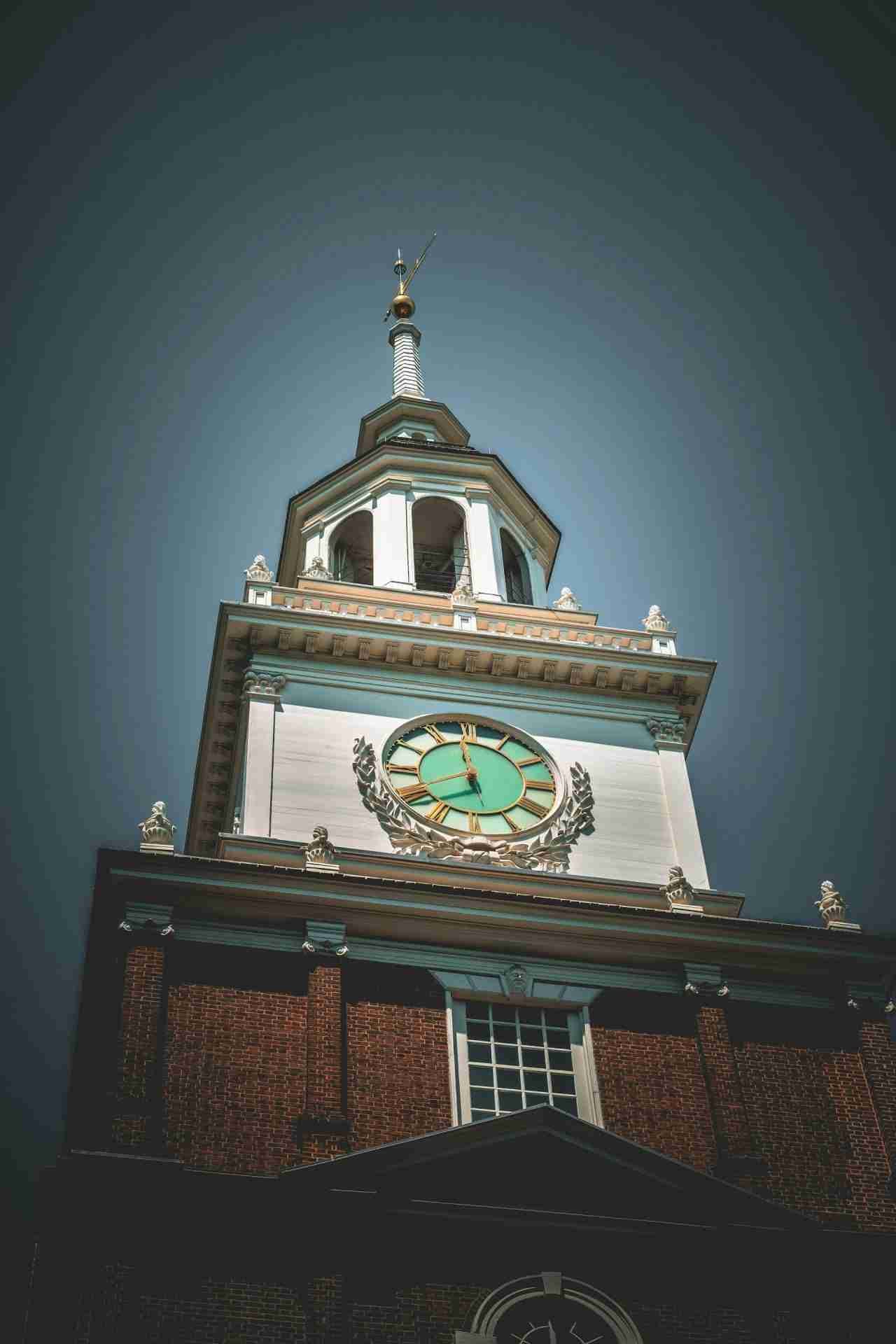
Independence Hall stands as one of the most symbolically rich buildings in the United States. Located in the heart of Philadelphia, this Georgian-style brick structure was the site where both the Declaration of Independence and the U.S. Constitution were fiercely debated and ultimately signed. Completed in 1753 as the Pennsylvania State House, it now anchors the Independence National Historical Park and is recognized as a UNESCO World Heritage Site. With its stately façade, iconic clock tower, and surrounding historic grounds, Independence Hall offers photographers a unique opportunity to capture both the architectural elegance and the enduring legacy of American democracy.
Best Photography Opportunities
• Classic Full-Facade Shot from Independence Square
: The most iconic composition is from directly in front of Independence Hall on the south lawn, known as Independence Square. From this angle, the building's central clock tower is perfectly framed by symmetrical wings and the tree-lined path leading to the entrance. Shoot at sunrise for soft, frontal lighting, or during the golden hour when the warm tones of the brick and white trim glow against the sky. A wide-angle lens is ideal here to include foreground elements like benches, colonial-style lamp posts, or visitors for scale.
• Clock Tower and Architectural Detail
: The white wooden steeple rising from the center of the building is filled with visual interest, from the clock faces and louvered belfry to the spire that pierces the sky. A mid-range to telephoto lens lets you isolate the tower for more graphic compositions, particularly when the clouds behind it are dramatic or backlit. The angles work well both from the square and from Chestnut Street to the north, especially in the late afternoon when the light side-hits the tower.
• Interior Composition from the Assembly Room
: With permission or on a guided tour, the Assembly Room offers a view rich in historical context. This is the room where the founding documents were signed, and it's preserved to reflect its 18th-century appearance. A fast lens and high ISO may be needed in the low indoor light, and while tripods are not allowed, bracing your camera for handheld HDR exposures can help preserve detail in both highlights and shadows.
• Framing Through the Gates and Arches
: The gates and iron fences around the property offer natural framing devices for moody or layered compositions. Shooting through an open gate or around the arched pathways flanking the building can add depth and storytelling to the scene, particularly during the early morning or evening when shadows elongate. These perspectives work well for isolating small architectural elements or capturing the atmosphere of the site with subtle visual tension.
• Documentary Street Photography on Chestnut Street
: Facing the north side of the hall, Chestnut Street is often filled with tourists, interpreters in period costume, and spontaneous street activity. This area is ideal for contextual street photography that combines urban energy with the backdrop of American history. Use a moderate focal length to keep your subject clear while preserving the architectural environment behind them.
Best Time to Visit
Photographing Independence Hall is most rewarding in the early morning or late afternoon. Sunrise provides the softest light on the southern façade, offering peaceful scenes with minimal foot traffic. Sunset light washes over the building from the west, lighting up the clock tower and side elevations while casting long shadows across Independence Square.
Spring and autumn offer the best seasonal conditions. In spring, flowering trees along the pathways add color and texture to compositions, while autumn brings golden foliage that complements the red-brick architecture. Midday in summer can be harsh due to direct overhead sunlight, but overcast skies help balance the exposure across the building's pale trim and brickwork.
Evenings and blue hour are excellent for capturing the building under the glow of lamplight, especially from the square or across the street on Chestnut. Long exposures allow you to balance the ambient city glow with the crisp lines of the tower and façade.
How to Get There
Independence Hall is located at 520 Chestnut Street in Philadelphia, Pennsylvania, between 5th and 6th Streets. It's part of the larger Independence National Historical Park, which also includes the Liberty Bell Center, Congress Hall, and several other historic sites.
The area is easily accessed via public transit. The SEPTA Market–Frankford Line stops at 5th Street/Independence Hall Station just steps away. Paid parking is available nearby at the Independence Visitor Center parking garage, though walking or biking is often more convenient in the historic district.
The grounds are open to the public during daylight hours, and outdoor photography is unrestricted. To photograph inside Independence Hall, you must join a guided tour operated by the National Park Service. While tripods and flash are not permitted inside, handheld cameras are allowed for personal, non-commercial photography.
Recommended Gear and Shooting Tips
A wide-angle lens (16–35mm) is essential for capturing the entire building from Independence Square, especially when trying to include foreground elements or dramatic skies. A mid-range zoom (24–70mm) allows for flexible framing when moving between gates, walkways, and tight architectural compositions. A telephoto lens (70–200mm) is helpful for isolating the clock tower, flag details, or candid street scenes along Chestnut Street.
A tripod is useful for blue hour and twilight photography outside the hall but cannot be used inside. Use bracketing for high-contrast scenes, particularly in bright daylight or when shooting into the sky. A polarizing filter helps to darken blue skies and reduce reflections on the windows and surrounding glass of modern buildings, but take care not to overuse it when photographing wide, horizontal scenes.
Neutral tones and cloudy days work well to emphasize texture and brick color. Be sure to check weather conditions in advance, especially if planning a sunrise or sunset shoot, as light fog or clouds can dramatically enhance the building's stately profile.
Nearby Photography Locations
: Just steps from Independence Hall, this glass-walled pavilion allows you to photograph the famous bell from multiple angles—best visited early to avoid reflections and crowds.
: A few blocks east, this beautifully preserved 18th-century hall offers symmetrical columns, gardens, and period details that work well in golden hour light.
: South of the hall, this leafy park features the Tomb of the Unknown Revolutionary War Soldier and tree-canopied paths, ideal for soft light and contemplative compositions.
: This neoclassical structure with grand Corinthian columns is perfect for architectural abstraction and dramatic angles, particularly when lit from the side in late afternoon.
: The oldest residential street in the country, just northeast of the park, offers brick rowhouses, cobblestone textures, and colonial architectural details that work well for portraiture and street scenes.
Independence Hall offers not just architectural beauty, but a living sense of place where light, brick, and historical gravity all converge. For photographers, it's a location that invites reverence, exploration, and creativity in equal measure—each composition a quiet tribute to the founding ideals framed within its enduring walls.
Comments
Loading comments…